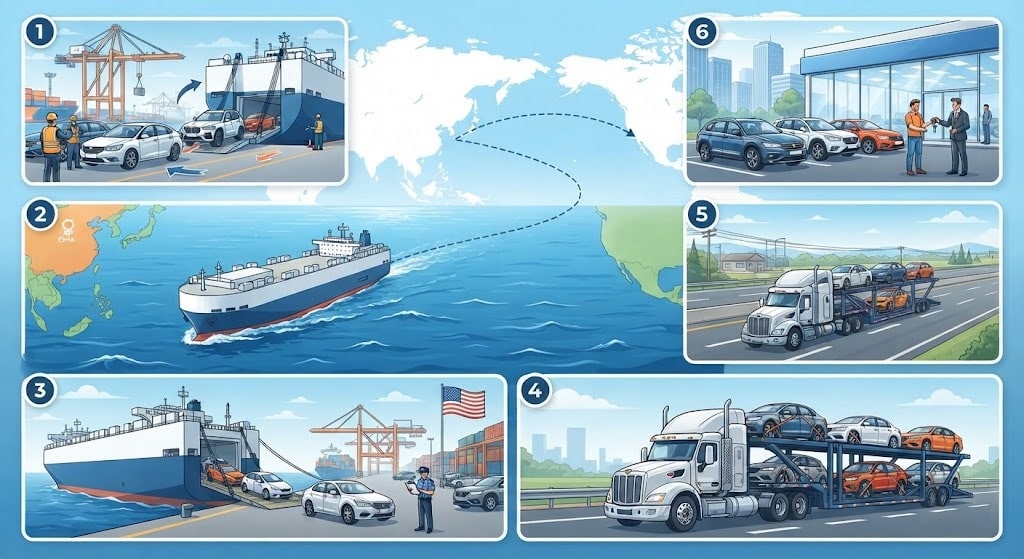
Shipping from Shenzhen to Los Angeles is a common route for businesses importing goods from China into the United States. Products ranging from electronics and apparel to furniture, machinery, and e-commerce inventory move along this route every day.
Choosing the right shipping method involves more than comparing freight rates. Cargo volume, transit time, customs clearance, destination charges, and final delivery requirements all affect the total cost and overall shipping experience.
This guide covers the main shipping options from Shenzhen to Los Angeles, the latest available price references, major shipping routes, customs requirements, and practical ways to manage transportation costs.
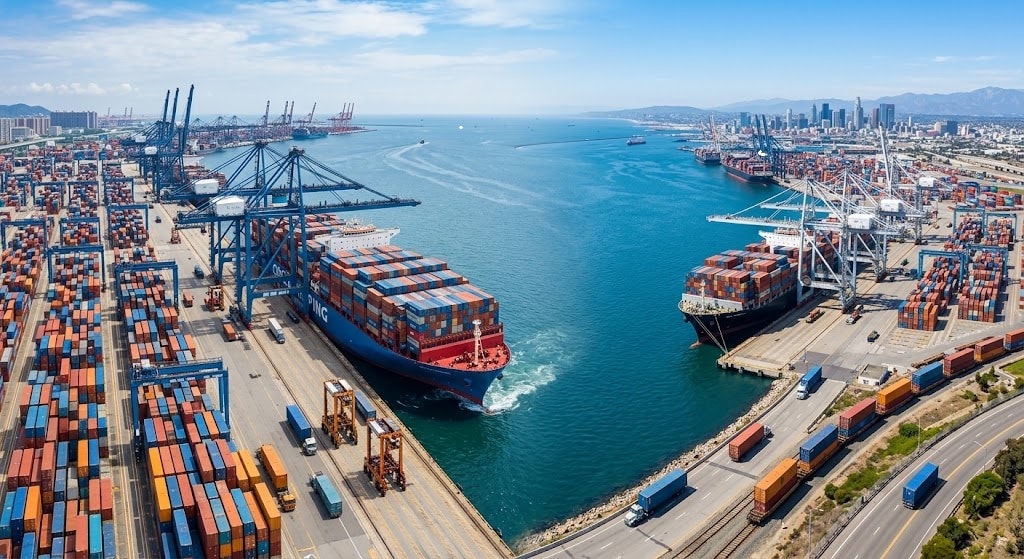
Shipping Costs and Transit Times from Shenzhen to Los Angeles
The cost and transit time depend on the shipment size, transportation method, cargo characteristics, and delivery requirements.
Sea freight is generally suitable for larger commercial shipments, while air freight and express delivery are better suited to cargo that requires faster transportation. Within sea freight, importers can choose between Full Container Load (FCL) and Less than Container Load (LCL), depending on the volume of their shipment.
Latest Available Shipping Prices
The following figures come from a quotation snapshot dated September 30, 2026. The quoted rates were valid only through October 3, 2026, so they should be treated as historical reference prices rather than current booking rates.
| Shipping Method | Shipment Details | Quoted Price (USD) | Transit Time | Service Type |
|---|---|---|---|---|
| FCL Ocean Freight | One 40ft high-cube container, up to 35,000 lb | $8,402.14 | 17 days | Port-to-door |
| FCL Ocean Freight | One 40ft high-cube container, up to 35,000 lb | $9,058 | 20 days | Door-to-door |
| LCL Ocean Freight | 2 pallets, 1,000 lb total | $1,194 | 18 days | Port-to-door |
| LCL Ocean Freight | 2 pallets, 1,000 lb total | $1,612 | 19 days | Door-to-door |
These figures cover different shipment sizes and service arrangements. The FCL rates apply to a 40ft high-cube container, while the LCL rates apply to a shipment consisting of two pallets weighing 1,000 lb in total.
The quoted FCL service includes specified origin handling, ocean freight, selected destination charges, customs entry, and Importer Security Filing (ISF). Import duties and taxes, certain federal processing fees, customs bond costs, and potential inspection or storage charges are excluded.
Because the quoted rates have expired, importers should request an updated quotation before booking. The new quotation should clearly identify the cargo specifications, destination ZIP code, delivery requirements, included services, and additional charges.
Sea Freight from Shenzhen to Los Angeles
Sea freight is a practical option for businesses transporting commercial goods in larger quantities. It offers substantial cargo capacity and is generally more economical than air freight for shipments that do not require urgent delivery.
Importers can choose between FCL and LCL based on their cargo volume, budget, and handling requirements.
Full Container Load (FCL)
FCL shipping means that a shipment uses an entire container. It is commonly suitable for manufacturers, wholesalers, furniture suppliers, and businesses shipping larger commercial orders.
A 40ft high-cube container offers additional internal height compared with a standard container, making it useful for bulky cargo that requires more vertical space.
FCL may be the right choice when:
- The shipment occupies a substantial amount of container space.
- Multiple products need to be loaded and secured together.
- The importer wants to limit consolidation and deconsolidation handling.
- The shipment requires dedicated container space.
The latest available quotation reference covers a 40ft high-cube container with a stated maximum shipment weight of 35,000 lb. The actual permissible payload must be confirmed against container specifications, carrier restrictions, and applicable road weight limits.
Less than Container Load (LCL)
LCL shipping is designed for shipments that do not require an entire container. Instead of paying for a full container, importers share container space with other shipments.
Charges depend on cargo volume, weight, handling requirements, and the applicable pricing structure.
LCL is worth considering when:
- The shipment is too small to justify a full container.
- The importer is shipping product samples or smaller commercial orders.
- Goods need to be consolidated from multiple suppliers.
- Inventory needs to be shipped without waiting for a full container load.
Because LCL shipments require consolidation at origin and deconsolidation at destination, they may involve additional handling and scheduling steps.
The latest available price reference for this route covers two pallets weighing 1,000 lb in total. Shipments with different dimensions, weights, or handling requirements will need a separate quotation.
Main Shipping Routes from Shenzhen to Los Angeles
Shenzhen has several transportation gateways serving exports to the United States. The most suitable departure and arrival points depend on the carrier schedule, cargo requirements, and final delivery location.
Ocean Freight Routes
Common departure ports in Shenzhen include:
- Yantian Port: A major container port in eastern Shenzhen.
- Shekou Port: An alternative departure gateway in western Shenzhen.
Cargo moving to Southern California may arrive through either the Port of Los Angeles or the Port of Long Beach.
The selected route depends on the vessel schedule, carrier arrangements, and available booking options. After arrival, the shipment may require customs clearance, port handling, and inland transportation before reaching its final destination.
Air Freight Routes
Shenzhen Bao’an International Airport is a major departure gateway for air cargo, while Los Angeles International Airport serves as a primary destination for international air freight.
Depending on flight availability and cargo requirements, alternative departure airports may also be considered.
Air freight is generally suitable for urgent inventory, product samples, high-value goods, and shipments with strict delivery deadlines. Current prices and transit times should be confirmed when requesting a quotation.
Door-to-Door Shipping from Shenzhen to Los Angeles
Door-to-door shipping coordinates the main transportation stages from the supplier’s location in Shenzhen to the buyer’s specified address in the Los Angeles area.
Depending on the service agreement, the process may include cargo pickup, export clearance, international transportation, U.S. customs clearance, and final delivery.
How Door-to-Door Shipping Works
1. Cargo Pickup
Goods are collected from the supplier or delivered to a designated freight forwarder’s warehouse in Shenzhen.
2. Cargo Preparation
The shipment is inspected, packaged, or consolidated as necessary. The commercial invoice, packing list, and other required documents are prepared before departure.
3. Export Customs Clearance
The shipment completes the applicable export procedures in China before international transportation begins.
4. International Transportation
The cargo moves by sea or air, depending on the selected service and delivery requirements.
5. U.S. Customs Clearance
The importer or its customs broker submits the required entry documentation and addresses applicable duties, taxes, and regulatory requirements.
6. Final Delivery
Once the shipment has been released and is available for delivery, it is transported to the designated warehouse, business address, or other final destination.
Door-to-door shipping can simplify coordination by bringing several transportation stages under one service arrangement. However, the term does not automatically mean that all customs-related expenses, duties, unloading costs, and special handling charges are included.
Before booking, confirm the exact service scope and request a breakdown of all included and excluded charges.
Shipping from Shenzhen to Los Angeles for E-Commerce Fulfillment
Businesses shipping inventory to U.S. fulfillment centers need to consider both international transportation and warehouse receiving requirements.
Before dispatch, importers should confirm:
- Product identifiers and required item labels.
- Carton labels and shipment identification requirements.
- Packaging and product preparation standards.
- Shipment quantities and destination facility details.
- Delivery appointments and receiving arrangements, where applicable.
Freight forwarders may offer additional services such as cargo consolidation, labeling, warehouse handling, and delivery coordination.
These services should be confirmed before booking, as international transportation alone does not necessarily include fulfillment preparation or appointment management.
What Affects Shipping Costs from Shenzhen to Los Angeles?
Shipping costs can vary considerably, even when two shipments travel along the same route. Understanding the main cost factors makes it easier to compare quotations and estimate the total landed cost.
Cargo Weight and Dimensions
For air freight, the chargeable weight is generally determined by comparing actual weight with volumetric weight under the applicable carrier rules.
For ocean freight, container size, cargo dimensions, weight, and loading requirements affect the final cost.
Bulky, overweight, or special-handling cargo may incur additional charges.
Shipping Method
FCL, LCL, air freight, and express delivery serve different transportation needs.
FCL is suitable for larger shipments requiring dedicated container space, while LCL allows smaller consignments to share a container. Air freight and express delivery may be more appropriate when speed is a priority.
Market Conditions and Shipping Schedules
Freight rates can change with available capacity, carrier pricing, fuel costs, vessel schedules, and seasonal demand.
The dated quotation figures in this guide are not live rates. Importers should reconfirm both the price and transit time before committing to a shipment.
Cargo Type and Handling Requirements
Certain goods require special packaging, additional documentation, inspection, or specific handling arrangements.
Providing accurate cargo details when requesting a quotation helps the freight forwarder identify applicable requirements and potential additional costs.
Customs Clearance and Import Duties
Import duties depend on the applicable tariff classification, customs value, and trade measures in effect when the goods enter the United States.
Transportation charges should be distinguished from duties, taxes, customs brokerage, examination fees, and other import-related expenses.
Destination and Final Delivery
Delivery costs depend on the final address, distance from the port, unloading arrangements, and any special delivery requirements.
A commercial warehouse, residential address, and fulfillment center may have different delivery conditions. Providing the destination ZIP code helps the transportation provider prepare a more accurate quotation.
U.S. Customs Clearance for Shipments from Shenzhen
Goods entering the United States must complete the applicable customs procedures before they can be released for delivery.
The requirements depend on the type of product, tariff classification, declared value, and any regulations that apply to the shipment.
Required Shipping Documents
Importers should prepare the documents required for their specific shipment. Common documents include:
- Commercial Invoice
- Packing List
- Bill of Lading or other relevant transport documentation
- Certificate of Origin, where applicable
- Product-specific permits or certificates, where required
The commercial invoice should accurately describe the goods and their declared value. The packing list should match the actual shipment contents.
Incomplete or inconsistent documentation can lead to additional review, inspections, or delays.
Import Duties and Additional Charges
Import duties and taxes are generally separate from international freight charges.
Depending on the shipment, additional expenses may include:
- Applicable import duties and taxes
- Merchandise Processing Fee (MPF)
- Harbor Maintenance Fee (HMF) for applicable ocean imports
- Customs bond costs
- Customs brokerage fees
- Examination, storage, or permit fees, where applicable
Importers should confirm which charges are included in the shipping quotation before booking. A lower freight rate does not necessarily mean a lower total landed cost.
Cargo Insurance
Cargo insurance may be worth considering for higher-value shipments.
Before arranging coverage, review the insured value, covered risks, exclusions, deductible, and claims requirements. Premiums and policy terms depend on the cargo and the coverage selected.
How to Reduce Shipping Costs from Shenzhen to Los Angeles
Careful planning can help importers manage transportation costs while reducing avoidable delays.
Choose the Right Shipping Method
Select FCL or LCL based on shipment volume and loading requirements. For time-sensitive cargo, compare air freight or express delivery against the potential business costs of waiting for ocean transportation.
Compare the Full Shipping Scope
Request a written breakdown of origin charges, international freight, destination handling, customs entry, and final delivery.
Two quotations may show different prices because they include different services. Comparing the full cost helps identify the option that best matches the shipment’s requirements.
Book in Advance
Planning ahead provides more flexibility when arranging cargo pickup, vessel space, documentation, and final delivery.
For shipments with fixed arrival deadlines, confirm the transportation schedule and allow additional time for potential delays.
Optimize Packaging and Consolidation
Appropriate packaging protects the cargo and helps make efficient use of available space.
For smaller shipments, consolidating goods from multiple suppliers may reduce the need for separate transportation arrangements. However, consolidation schedules and warehouse fees should also be considered.
Prepare Customs Documents Before Dispatch
Review product descriptions, declared values, classification details, and required certificates before the goods leave China.
Resolving documentation issues before departure can reduce the risk of avoidable delays and additional charges after arrival.
Work With an Experienced Freight Forwarder
An experienced freight forwarder can help coordinate supplier pickup, cargo consolidation, international transportation, documentation, and final delivery.
For specialized shipments, confirm that the provider has experience handling the relevant cargo type and destination requirements.
Frequently Asked Questions
How long does shipping from Shenzhen to Los Angeles take?
The latest available dated quotation reference lists the following transit times:
- 40ft high-cube FCL: 17 days for port-to-door service or 20 days for door-to-door service.
- LCL, two pallets weighing 1,000 lb in total: 18 days for port-to-door service or 19 days for door-to-door service.
These are quotation-specific estimates, not guaranteed delivery dates. Confirm the latest schedule before booking.
How much does it cost to ship a container from Shenzhen to Los Angeles?
The latest available dated reference lists a 40ft high-cube container at $8,402.14 for a 17-day port-to-door service or $9,058 for a 20-day door-to-door service.
The quotation snapshot was dated September 30, 2026, and the stated price-hold period ended October 3, 2026. A new quotation is necessary to confirm the current rate.
Is sea freight suitable for small shipments?
Yes. LCL shipping allows smaller shipments to share container space instead of paying for an entire container.
The final cost depends on cargo dimensions, weight, handling requirements, and the applicable pricing structure.
Is air freight available from Shenzhen to Los Angeles?
Air freight is an option for time-sensitive and high-value shipments. The available service, current price, and estimated delivery schedule should be confirmed based on the cargo details.
Are U.S. import duties included in the shipping price?
Not necessarily. The referenced ocean freight quotations exclude import duties and taxes, certain federal processing fees, customs bond costs, and potential inspection or storage charges.
Always confirm which expenses are included before booking.
Which ports are used for shipping from Shenzhen to Los Angeles?
Yantian Port and Shekou Port are common departure options in Shenzhen. Cargo arriving in Southern California may enter through the Port of Los Angeles or the Port of Long Beach.
The selected route depends on the carrier schedule and booking arrangements.
How Hongocean Can Help with Shipping from Shenzhen to Los Angeles
Hongocean provides shippers with one-stop freight forwarding services from Shenzhen to Los Angeles, including ocean freight, air freight, door-to-door transportation, customs clearance assistance, shipment tracking, and last-mile delivery, helping businesses control shipping costs, optimize delivery timelines, and streamline cross-border logistics processes.
- Shipping Solutions: Full Container Load (FCL), Less than Container Load (LCL), and air freight.
- Warehousing and Consolidation: Consolidate shipments from multiple suppliers and arrange warehousing and dispatch.
- Customs Clearance and Documentation: Assist with the preparation of shipping documents and import/export customs clearance.
- Door-to-Door Delivery: Coordinate pickup at the U.S. port of destination and final-mile delivery.
- Shipment Tracking: Monitor shipment progress and assist in resolving logistics issues.
- Cost Control: Match shipping solutions based on cargo volume, weight, transit time, and budget.