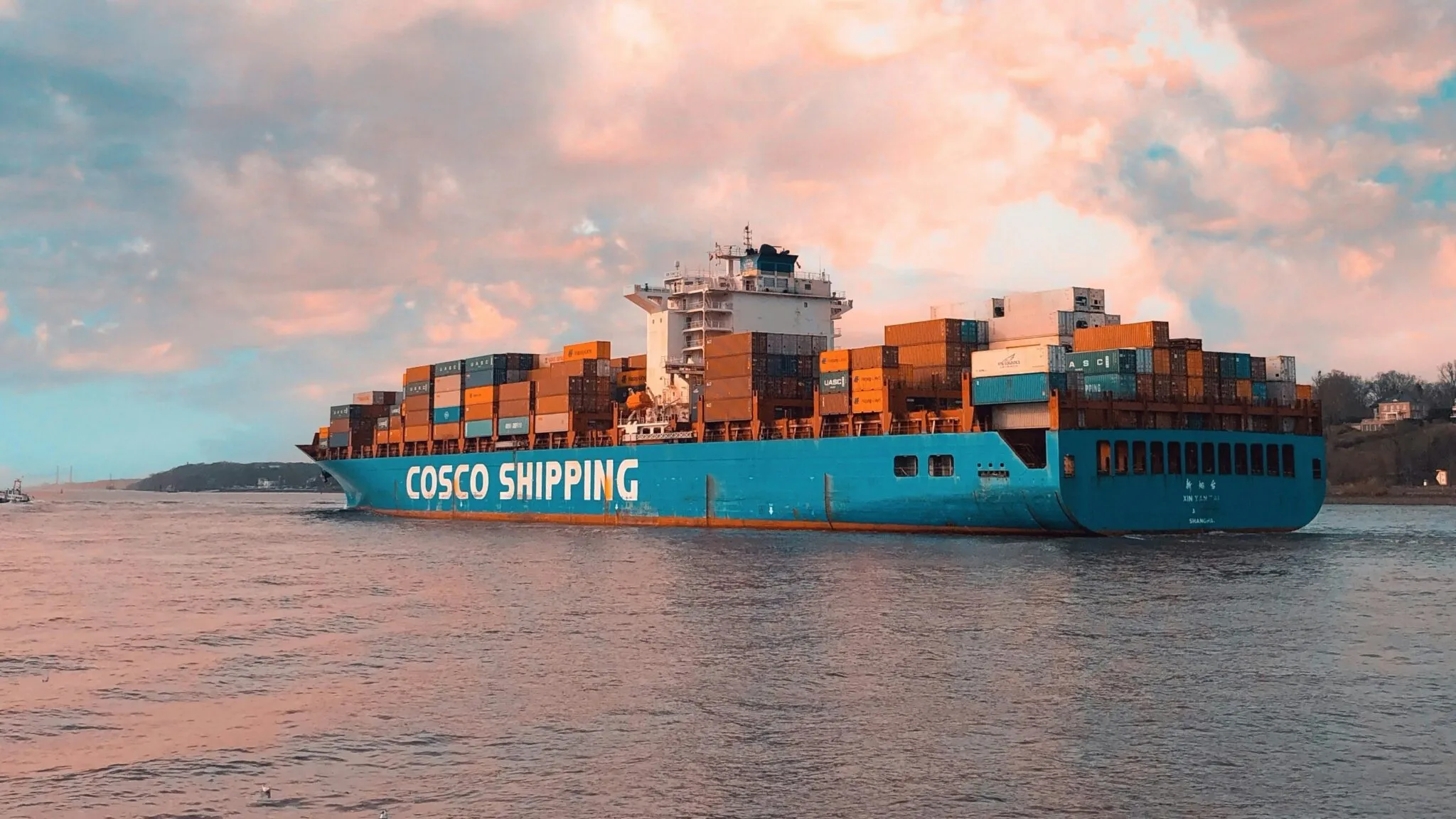
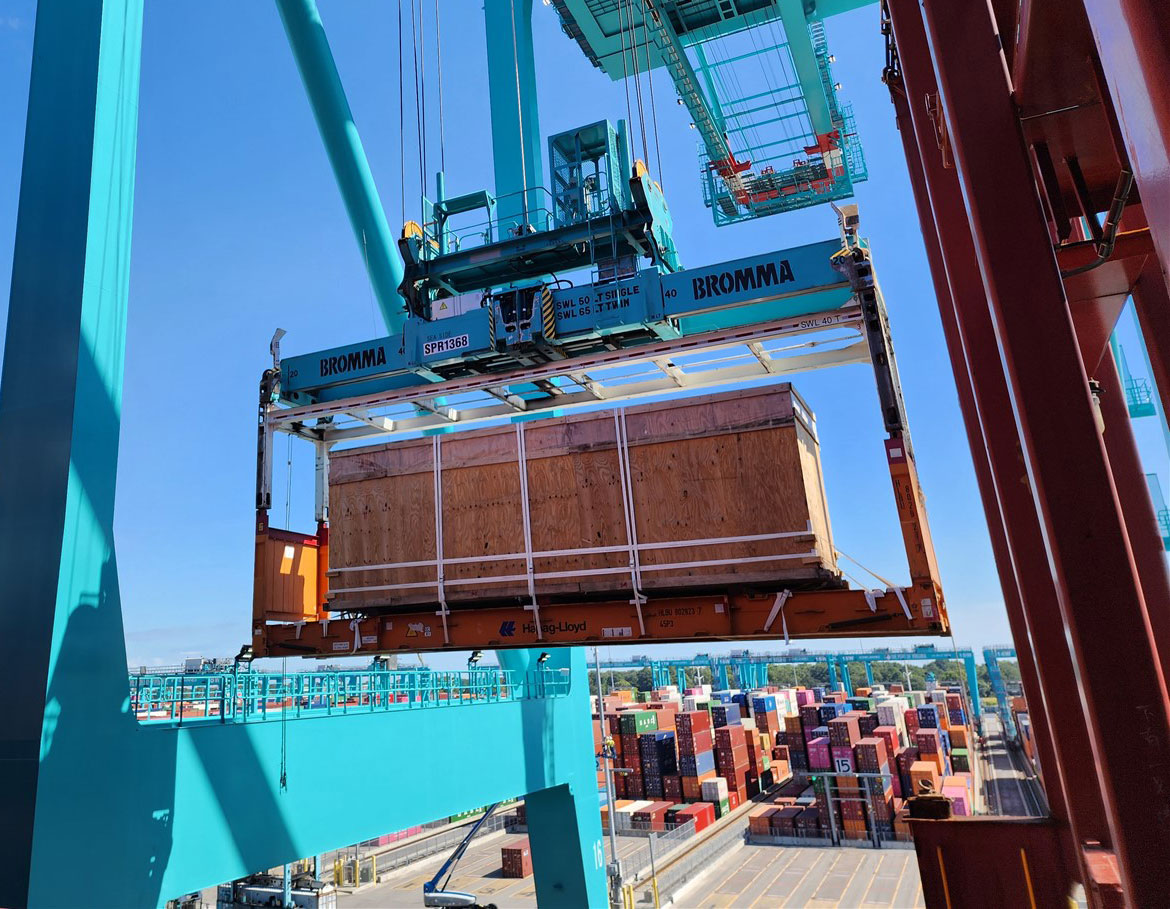
DDP shipping from China to South Africa provides a door-to-door logistics solution for importers who want international transportation, import customs clearance and applicable duties and taxes coordinated under one shipping arrangement. Instead of managing multiple service providers, buyers can work with a freight forwarder to arrange the shipment from the supplier’s warehouse in China to a named delivery address in South Africa.
For South African importers, the main consideration is not simply the freight rate. The product’s HS code, customs value, applicable import duties, VAT, permit requirements and final delivery location can all affect the total landed cost. A reliable DDP arrangement should therefore establish how import clearance will be completed, which charges are included and whether the proposed delivery method is suitable for the cargo.
Hongocean helps businesses evaluate shipping options from China to South Africa, including air freight, sea freight and express services where available. By reviewing cargo details, delivery requirements and customs considerations before dispatch, importers can select a solution that balances cost, transit time and operational requirements.
DDP Shipping Services for South Africa Importers
DDP shipping is particularly useful for businesses that want a coordinated logistics service without separately arranging every stage of international transportation. Depending on the cargo and agreed service scope, a shipment may include supplier pickup, export customs clearance, international freight, destination customs coordination, applicable duties and taxes, and final delivery.
Hongocean can help importers compare available shipping arrangements based on cargo type, shipment size, delivery address and required arrival date. The exact services available for a shipment should be confirmed before booking.
What Can Be Included in a DDP Shipping Service?
- Supplier pickup in China: Collection from a factory, trading company or designated warehouse.
- Cargo consolidation: Combining shipments from multiple suppliers where the selected service permits it.
- Export customs clearance: Preparing export documentation and arranging the required export declaration.
- International transportation: Air freight, sea freight or an eligible express service.
- Import customs clearance: Coordinating the required South African customs declaration and supporting documents.
- Duties and taxes: Handling the agreed import charges under the confirmed DDP arrangement.
- Final-mile delivery: Transporting released cargo to the agreed business address or delivery location.
Not every shipment qualifies for every DDP service. Product restrictions, import permits, battery regulations, cargo dimensions and local clearance arrangements may affect availability. The quotation should clearly identify the delivery point and any excluded services.
Who Should Consider DDP Shipping?
DDP shipping may suit South African importers who value cost visibility and coordinated delivery, including:
- E-commerce sellers importing inventory from Chinese suppliers.
- Wholesalers and distributors replenishing commercial stock.
- Manufacturers sourcing components, machinery or production materials.
- Retail businesses importing lighting, furniture, household products or accessories.
- Small and medium-sized businesses without an established international logistics team.
Importers with an existing customs department or established local clearing agent may prefer a different Incoterm if they want direct control over import clearance and tax accounting.
What Is DDP Shipping from China to South Africa?
DDP stands for Delivered Duty Paid. Under the DDP rule in Incoterms® 2020, the seller arranges delivery to the named destination and assumes the costs and risks specified by the rule, including export and import clearance and applicable duties and taxes. The goods are delivered on the arriving means of transport, ready for unloading at the agreed destination.
In practical shipping arrangements, the seller may use a freight forwarder to coordinate transportation and customs procedures. The commercial contract should identify the exact delivery point and explain how the relevant clearance obligations will be fulfilled.
For a Chinese supplier selling goods to a buyer in Johannesburg, for example, a DDP arrangement could cover transportation from the supplier’s premises to the buyer’s warehouse, provided that the import clearance structure is legally workable and all required services are included in the quotation.
DDP vs. DAP vs. EXW
| Incoterm | Main responsibility | What the buyer should consider |
|---|---|---|
| DDP | Seller arranges delivery, import clearance and applicable duties and taxes | Confirm that the seller can legally complete the import formalities |
| DAP | Seller arranges delivery to the named destination; buyer generally handles import clearance and duties | Buyer needs a workable local customs and tax arrangement |
| EXW | Seller makes goods available at the agreed location; buyer assumes extensive collection and transportation responsibilities | Buyer may need to coordinate pickup and export formalities in China |
The division of costs, responsibilities and risks must be confirmed in the sales contract. Under DDP, unloading at the destination is generally the buyer’s responsibility unless the carriage arrangement or contract provides otherwise.
An important consideration for South Africa is importer registration. SARS states that foreign importers wishing to register must nominate a registered agent located in South Africa, who assumes the specified customs responsibilities. A DDP quotation should therefore explain who will act as importer, how the declaration will be filed and how duties and VAT will be paid. A door-to-door price alone does not establish that these arrangements are compliant.
How Does DDP Shipping Work from China to South Africa?
A well-planned DDP shipment requires coordination between the supplier, freight forwarder, carrier, customs representatives and final-mile delivery provider. Confirming the cargo and import arrangements before dispatch helps reduce avoidable delays and unexpected charges.
Step 1: Confirm the Cargo and Obtain a Quote
The importer provides the product description, quantity, declared value, carton dimensions, gross weight, pickup location and delivery address. Product-specific information, including the proposed HS code, material composition and any batteries or regulated components, should also be supplied when relevant.
The forwarder reviews the information to determine whether the cargo can be shipped using the proposed service and whether additional documents, permits or inspections may be required.
Step 2: Arrange Pickup and Export Clearance in China
Once the quotation and shipping arrangements are accepted, the supplier prepares the goods for collection. The forwarder coordinates pickup, warehouse receiving or consolidation where applicable, and the export customs declaration.
The commercial invoice and packing list should accurately describe the products, quantities, values and packaging. Incorrect or inconsistent information may trigger customs queries or require document amendments.
Step 3: Transport the Cargo to South Africa
The cargo moves by the selected transportation method.
- Air freight is commonly considered for urgent or relatively lightweight commercial shipments.
- Sea freight is often suitable for larger shipments where lower transportation cost per unit is more important than speed.
- Express services can be appropriate for eligible small parcels and urgent deliveries.
Transit time depends on routing, carrier schedules, consolidation, customs processing and local delivery arrangements. Any quoted transit time should specify whether it begins at cargo collection, departure or another milestone.
Step 4: Complete South African Import Clearance
Before arrival, the responsible customs representative reviews the import documents, tariff classification, customs value and any permit requirements. The shipment is declared to the South African Revenue Service (SARS), and the relevant duties and taxes are assessed under the applicable rules.
Customs may request additional information, inspect the cargo or refer regulated goods to another government authority. These procedures can extend clearance time.
The DDP service provider should confirm how the import declaration will be made, who is responsible for the importer-of-record arrangement and how payment of assessed charges will be documented.
Step 5: Arrange Final Delivery
After customs release and completion of any required handling procedures, the cargo is transferred to the local delivery provider. The shipment is then delivered to the agreed address, subject to the service terms and any site-specific requirements.
Before booking, confirm whether the quoted service includes residential delivery, unloading, forklift handling, tail-lift service, appointment booking or delivery to locations outside the main metropolitan areas.
Air Freight vs. Sea Freight vs. Express DDP Shipping
The best shipping method depends on cargo size, urgency, product restrictions, total landed cost and delivery requirements. Comparing the complete DDP quotation is more useful than comparing international freight rates alone.
| Shipping method | Typical transit-time planning | Best suited for | Main consideration |
|---|---|---|---|
| Air freight | Often around 5–12 days door-to-door as an indicative planning range | Urgent replenishment, higher-value goods and compact shipments | Chargeable weight, flight availability and destination handling |
| Sea freight, LCL | Often around 30–50 days door-to-door as an indicative planning range | Small commercial shipments that do not fill a container | Consolidation schedules, deconsolidation and destination charges |
| Sea freight, FCL | Often around 25–45 days door-to-door as an indicative planning range | Larger shipments, regular inventory and container-load cargo | Container size, sailing schedule, port handling and inland delivery |
| Express courier | Often around 3–8 business days for eligible shipments | Samples, documents and small urgent parcels | Size and weight limits, product eligibility and customs handling |
These are broad planning estimates, not guaranteed service times or live carrier schedules. Actual transit times vary with origin city, departure port or airport, routing, peak-season capacity, customs clearance and final destination. The quoted service should distinguish airport-to-airport or port-to-port transit from total door-to-door time.
When Is Air Freight the Better Option?
Air freight is worth considering when the cost of a delayed shipment exceeds the additional transportation expense. Businesses importing replacement parts, time-sensitive stock, compact electronics or urgent production materials may benefit from a shorter replenishment cycle.
However, air freight is commonly charged according to the greater of actual gross weight and volumetric weight, subject to the carrier’s applicable calculation rules. Large but lightweight cartons can therefore cost more than their scale weight suggests.
When Is Sea Freight More Cost-Effective?
Sea freight is generally worth evaluating for bulky, heavy or less time-sensitive cargo. FCL may suit shipments that require a dedicated container, while LCL allows multiple shippers to share container capacity.
LCL is not automatically the cheapest choice for every shipment. Minimum charges, origin handling, consolidation, destination deconsolidation and delivery fees can make a small LCL shipment relatively expensive. For larger cargo volumes, compare the full LCL and FCL quotations rather than using ocean freight alone.
When Should You Choose Express DDP?
Express services are generally most suitable for small, eligible shipments where delivery speed and simplified parcel handling are priorities. They may be less economical for bulky cargo or regular inventory shipments.
Confirm the parcel service’s size and weight limits, prohibited-item rules, import-clearance procedure and the exact meaning of DDP in the quotation. Some courier services use different tax-payment and brokerage arrangements, so the service terms must be checked before shipment.
DDP Shipping Cost Breakdown & Influencing Factors
The total DDP shipping cost from China to South Africa depends on more than the distance between the two countries. A complete quotation should account for transportation, customs-related charges and delivery to the named destination, with any exclusions stated clearly.
What Does a DDP Shipping Quote Include?
| Cost component | What it covers |
|---|---|
| Pickup and origin handling | Collection, warehouse receiving and applicable export-side handling |
| Export clearance | Export declaration and required documentation services |
| International freight | Air, sea or express transportation |
| Cargo insurance | Included only when expressly agreed or purchased |
| Customs duties | Product-specific duties and any applicable additional duties |
| Import VAT | VAT assessed under South African import tax rules |
| Destination handling | Relevant terminal, handling, brokerage or deconsolidation charges |
| Final-mile delivery | Transport to the agreed delivery point |
| Additional services | Inspections, permits, special handling, storage or other applicable services |
The table describes potential cost components, not a guarantee that every item is included in every quotation. Obtain a written breakdown that identifies included services, excluded charges, assumptions and the circumstances that may generate additional costs.
How Are South African Import Duties and VAT Calculated?
South African import duties depend on the applicable tariff classification, customs value, country of origin and any additional measures that apply to the product. Certain goods may also be subject to anti-dumping or countervailing duties.
SARS states that the standard VAT rate is 15%. For imports from outside the Southern African Customs Union, the import VAT calculation generally uses an added tax value based on customs value plus 10% of that value and applicable non-rebated duties, multiplied by the VAT rate. The precise assessment must follow the applicable customs valuation and tax rules.
For example, the calculation structure can be expressed as:
Import VAT = (Customs value + 10% customs-value uplift + applicable non-rebated duties) × 15%
This is a simplified representation of the general SARS calculation and is not a landed-cost quotation. Product-specific duties, valuation adjustments, exemptions, trade measures and other rules may affect the amount payable.
Importers should verify the HS classification and applicable duty rate before confirming the shipment. The current rate should not be inferred from the product name alone.
What Factors Affect the Final DDP Price?
1. Cargo weight and dimensions
Air freight is affected by chargeable weight, while sea freight depends on container requirements or the applicable LCL charging basis. Oversized or difficult-to-handle cargo may attract additional charges.
2. Product type and customs classification
Electronics, textiles, lighting, machinery and other product categories can have different duty rates and import requirements. Incorrect classification can lead to reassessment, penalties or clearance delays.
3. Declared value and origin
The customs value and country of origin can influence duties, VAT and additional trade measures. The commercial invoice must reflect the actual transaction and required valuation information.
4. Origin and destination addresses
Pickup from an inland Chinese city may involve domestic transportation to a port or airport. Delivery to an outlying South African location may also cost more than delivery to a main metropolitan warehouse.
5. Shipping method and season
Air capacity, ocean schedules, consolidation frequency, peak-season demand and fuel-related surcharges can change the quotation.
6. Special handling and compliance
Dangerous goods, batteries, controlled products, inspection requirements, storage, customs examinations and permit applications may increase cost or restrict the available service.
How to Get an Accurate DDP Quote
To obtain a useful quotation, provide:
- Product name, material and intended use.
- HS code, if known.
- Commercial invoice value and country of origin.
- Number of cartons, dimensions and gross weight.
- Supplier’s city and pickup address.
- Final delivery city and full delivery address.
- Preferred delivery deadline.
- Any batteries, liquids, branded goods or regulated components.
Ask the forwarder to confirm the assumed HS code, duty and VAT treatment, import-clearance arrangement, included charges, excluded charges and any conditions under which the quote may change.
Required Documents & South African Import Regulations
DDP shipping does not remove the need for accurate import documentation or compliance with South African customs regulations. The required documents depend on the product, shipment method, importer arrangement and any regulatory controls that apply.
Documents Commonly Required
| Document | Purpose |
|---|---|
| Commercial invoice | Describes the goods, seller, buyer, transaction value and other relevant commercial information |
| Packing list | Shows carton count, packaging details, dimensions and shipment weights |
| Bill of lading or air waybill | Provides the transport document for sea or air freight |
| Customs declaration | Records the import transaction for customs assessment and release |
| Certificate of origin | Supports origin verification when required |
| Import permit or product-specific certificate | Required for certain controlled or regulated goods |
| Supporting product documents | May include technical specifications, conformity documents or inspection certificates, depending on the product |
Not every shipment requires every document listed above. Requirements should be checked against the actual goods and the applicable South African rules before dispatch.
Importer Registration and Customs Clearance
SARS requires import declarations to be submitted through the applicable customs process, with the goods declaration supported by relevant transaction and transport documents.
Foreign entities wishing to register as importers must nominate a registered agent located in South Africa under the applicable SARS requirements. This makes the import-clearance arrangement an important part of any DDP proposal for a foreign seller or overseas logistics provider.
Before booking, clarify:
- Which entity will be declared as the importer.
- Whether the importer and any required representative or agent are appropriately registered.
- Who will submit the customs declaration.
- How duties and VAT will be assessed and paid.
- Which party will receive and retain the customs documentation.
- Whether the goods require permits, inspections or approval from another authority.
A forwarder should not promise that all goods can be imported under one generic DDP arrangement without first reviewing the product and the parties involved.
Restricted Goods and Import Permits
Some goods are prohibited or subject to import controls. South Africa’s import-control framework can apply to certain used or second-hand goods, waste and scrap, as well as specific regulated products. Depending on the product, an import permit or approval from the relevant authority may be required.
Importers should check permit requirements before the cargo leaves China. Shipping controlled goods without the necessary approval can result in detention, additional charges or refusal of entry.
Useful official resources include:
- SARS imports guidance: https://www.sars.gov.za/customs-and-excise/import-export-and-transit/imports/
- SARS importer registration: https://www.sars.gov.za/customs-and-excise/registration-licensing-and-accreditation/importers/
- SARS duties and taxes: https://www.sars.gov.za/customs-and-excise/duties-and-taxes/duties-and-taxes-for-importers/
These sources should be checked for current requirements before a shipment is booked.
How to Choose a Reliable Freight Forwarder for DDP Shipping
A low headline freight rate does not necessarily mean a lower total landed cost. For DDP shipping from China to South Africa, the quality of the customs arrangement, the accuracy of the quotation and the clarity of delivery responsibilities are just as important as the transportation rate.
1. Verify the Import-Clearance Arrangement
Ask the provider to explain who will act as the importer, who will submit the declaration and how duties and VAT will be paid. A credible proposal should address the South African requirements relevant to your transaction instead of simply promising tax-inclusive delivery.
2. Request a Transparent Cost Breakdown
The quotation should separate international freight, customs-related charges and final delivery where practical. Confirm whether insurance, destination handling, inspections, storage, unloading and outlying-area delivery are included.
Ask how changes in customs valuation, classification or permit requirements will be handled.
3. Compare the Correct Transit-Time Milestones
Check whether the estimated transit time refers to departure-to-arrival, port-to-port, airport-to-airport or complete door-to-door delivery. Ask whether customs processing and final-mile delivery are included in the estimate.
4. Check Cargo and Product Experience
The forwarder should understand the documentation, packaging and handling requirements associated with your goods. For regulated or sensitive cargo, verify the service’s eligibility and compliance arrangements before payment.
5. Confirm Shipment Tracking and Communication
Establish how shipment milestones will be communicated, who handles customs queries and what happens if the carrier schedule changes. Clear responsibility for updates and exception handling is especially important when goods are needed for retail replenishment or production.
6. Review the Quotation Before Dispatch
Before approving the shipment, confirm the cargo details, named delivery place, service scope, tax treatment, estimated transit time, payment terms and exclusions in writing.
Ship from China to South Africa with Hongocean
Hongocean helps importers evaluate air freight, sea freight and other suitable shipping arrangements from China to South Africa. The objective is to match the transportation method to the shipment’s size, urgency, product requirements and delivery destination.
To discuss a shipment, provide your cargo details, Chinese pickup location and South African delivery address. Hongocean can then review the information, identify the points that require customs or product-compliance confirmation and help you compare suitable shipping options.
Request a DDP shipping quote from China to South Africa to assess the transportation cost, import-clearance arrangement and final delivery requirements for your cargo.
Frequently Asked Questions
How long does DDP shipping from China to South Africa take?
Transit time depends on the shipping method, origin, routing, carrier schedule, customs processing and final delivery address. Air freight is generally faster than sea freight, while express services may suit eligible small parcels. Ask for an estimate that explicitly covers the full door-to-door process rather than only the international transport segment.
How much does DDP shipping from China to South Africa cost?
The cost depends on cargo weight and dimensions, product classification, customs value, applicable duties and VAT, shipping method and delivery location. An accurate quote requires the cargo details and a review of the proposed import-clearance arrangement. No single price applies to every product or shipment.
Does DDP shipping include customs duties and VAT?
Under the DDP rule, the seller is responsible for applicable import duties and taxes as specified by the agreement. However, the actual service must be structured to meet South African import requirements. Confirm how the importer will be identified, how customs declarations will be submitted and how assessed charges will be paid.
Can I ship goods from China to Johannesburg using DDP?
A door-to-door arrangement may be available for eligible cargo destined for Johannesburg, subject to the route, product restrictions, customs arrangements and final-mile delivery requirements. The quotation should confirm the delivery address, inland transportation charges and any special handling needs.
Is DDP sea freight cheaper than DDP air freight?
Sea freight is often more economical for bulky or heavy shipments, especially when the cargo volume justifies FCL or LCL transportation. Air freight may be more appropriate for urgent or compact cargo. Compare the full quoted cost, including customs-related charges and final delivery, rather than comparing international freight rates alone.
What products can be shipped to South Africa under DDP?
Many ordinary commercial products may be eligible, but the available service depends on the product’s classification, restrictions, documentation and import requirements. Batteries, dangerous goods, controlled products, used goods and other regulated items should be reviewed before booking.
Do I need a South African import permit?
Some products require import permits or approval from the relevant authority, while many ordinary new goods do not require a product-specific import permit. The answer depends on the exact product and applicable controls. Verify the requirements before dispatch, particularly for used goods, regulated products and controlled materials.
What documents are needed for DDP shipping?
Common documents include a commercial invoice, packing list, bill of lading or air waybill, and the applicable customs declaration. A certificate of origin, import permit or other product-specific documentation may also be necessary. The final document list should be confirmed against the cargo and import arrangement.
Can Hongocean arrange delivery to my warehouse in South Africa?
Delivery may be arranged to an agreed business address where the selected service supports the destination. Provide the full address and confirm whether unloading, appointment scheduling, forklift handling or other site-specific services are required.
What information should I provide to get a DDP quote?
Provide the product description, HS code if known, commercial value, carton quantity, dimensions, gross weight, pickup city in China and delivery address in South Africa. Include the intended delivery date and any special product characteristics so the shipping method and import requirements can be assessed before booking.