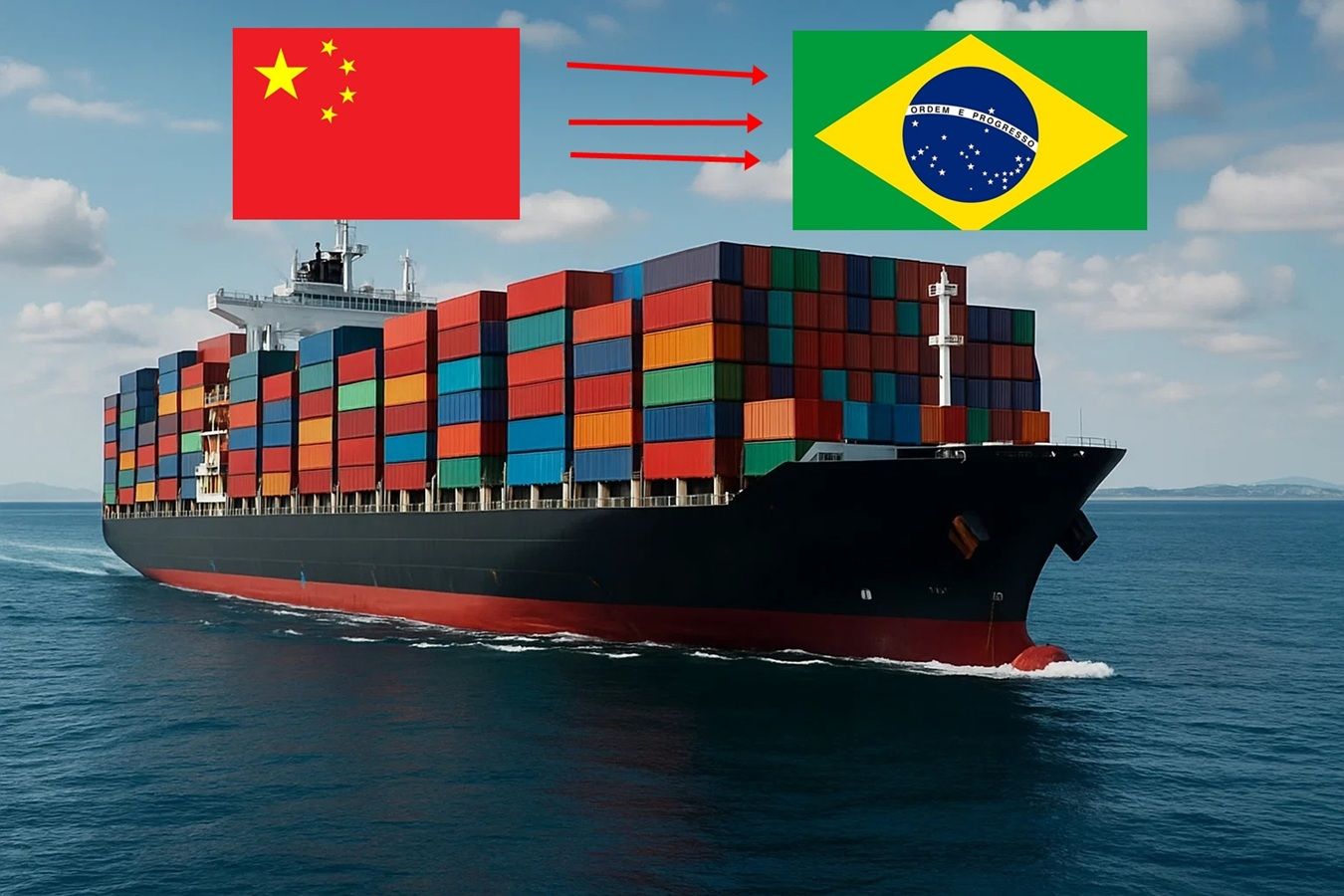
Shipping goods from China to New Zealand offers both challenges and opportunities for your business. As China is one of New Zealand’s largest trading partners, it is crucial to understand the ins and outs of the shipping process. From selecting the right freight method to managing shipping costs and handling customs clearance, there are key factors to consider.
This guide will walk you through everything you need to know to ensure smooth and efficient shipping between China and New Zealand.
Sea vs. Air Freight: Which Should You Choose?
When shipping from China to New Zealand, you have two primary options: sea freight and air freight. The right choice depends on factors such as cost, delivery speed, and the nature of your goods.
Sea Freight
Sea freight is a popular choice for large or heavy shipments due to its cost-effectiveness. There are two types of sea freight:
Full Container Load (FCL): Best for larger shipments, FCL allows you to rent an entire container, making it a secure option for bulk goods.
Less than Container Load (LCL): Ideal for smaller shipments, LCL combines your goods with others in one container, reducing costs but potentially extending delivery times due to additional handling.
Advantages of Sea Freight:
Cost-effective for large shipments
Suitable for heavy goods with fewer size restrictions
For time-sensitive or high-value shipments, air freight is the fastest option. Airlines like China Airlines, Air New Zealand, and Qantas offer regular flights for cargo between China and New Zealand.
Advantages of Air Freight:
Fastest option for urgent shipments
More reliable with fixed schedules and departure times
Disadvantages of Air Freight:
More expensive than sea freight, particularly for larger shipments
Size and weight restrictions apply
When deciding between sea and air freight, consider your budget, the urgency of your shipment, and the nature of your goods. Here’s a quick comparison:
Shipping Method
Pros
Cons
Sea Freight (FCL)
Cost-effective for large shipments
Slower delivery times
Sea Freight (LCL)
Affordable for smaller shipments
Longer handling and transit times
Air Freight
Fastest delivery option
More expensive, size and weight limits
Major Ports in China and New Zealand
Key Chinese Ports
Shanghai: The busiest container port globally, offering advanced facilities and handling massive cargo volumes.
Ningbo-Zhoushan: Known for deep-water berths and efficiency in handling large shipments.
Shenzhen: Fast throughput and the ability to manage a wide variety of goods.
Tianjin: The main maritime gateway for Beijing, handling expansive cargo services.
Key New Zealand Ports
Port of Auckland: A central hub for international trade, handling significant volumes of imported goods.
Port of Tauranga: New Zealand’s largest port by volume, known for its efficient handling of extensive shipments.
Port Nelson: Specializes in handling specific cargo types, offering targeted services.
Shipping Costs from China to New Zealand
Shipping costs vary based on weight, volume, type of cargo, and other factors. Additionally, taxes, import duties, and packaging costs should be considered. Here’s an estimate of current shipping costs for 2024:
Shipping Mode
Estimated Price
Air Freight
$4.15 – $6.10 per kg
Sea Freight (LCL)
~$72 per CBM
Sea Freight (20ft FCL)
$1,050 – $1,650
Sea Freight (40ft FCL)
$1,550 – $3,250
To obtain accurate quotes, contact a freight forwarder like HongOcean. Our team provides tailored pricing that includes all duties and taxes, helping you manage your budget more effectively.
Transit Times from China to New Zealand
Understanding transit times is essential for managing your supply chain. Here’s a breakdown of average transit times based on the shipping method:
Shipping Method
Average Transit Time
Factors Influencing Time
Sea Freight
15 – 35 days
Port efficiency, weather conditions, customs clearance
Planning for potential delays is vital. Factors such as port congestion or customs processing can extend transit times. By working with an experienced partner like HongOcean, you can reduce risks and ensure timely deliveries.
Documentation for Customs Clearance in New Zealand
To clear customs in New Zealand, you will need several important documents:
Commercial Invoice: Details the goods being shipped and their value.
Packing List: Provides a detailed breakdown of all items in the shipment.
Bill of Lading or Airway Bill: Serves as a receipt and contract between the shipper and carrier.
Working with HongOcean ensures that all documentation is correctly prepared, reducing the risk of customs delays.
How to Ship Goods from China to New Zealand
Whether you’re managing a business or sending personal items, understanding the shipping process from China to New Zealand is crucial for ensuring a smooth and efficient transaction. This guide provides essential insights to help you make informed decisions and ensure your goods arrive safely and on time. From navigating customs regulations to selecting a trustworthy freight forwarder, we cover all the key aspects.
Step-by-Step Shipping Guide: Importing from China to New Zealand
Step
Description
1. Choose Your Shipping Method
Decide between sea freight for cost savings or air freight for quicker delivery.
2. Partner with a Trusted Freight Forwarder
Collaborate with a reliable expert like HongOcean for a hassle-free shipping experience.
3. Ensure Proper Packing & Documentation
Pack your items securely and prepare all necessary documentation for a smooth shipment.
4. Navigate Customs Smoothly
Prepare for customs clearance in both China and New Zealand with proper documentation and planning.
5. Track Your Shipment
Use real-time tracking tools to monitor your shipment’s progress and location.
6. Understand and Manage Shipping Costs
Be aware of and fulfill your financial obligations according to the agreed shipping terms.
7. Receive and Inspect Your Goods
Be ready to inspect and receive your goods promptly upon their arrival in New Zealand
Key Considerations for Air Freight from China to New Zealand
When arranging air freight from China to New Zealand, there are several important factors to keep in mind:
Provide Detailed Cargo Information: Once you have confirmed air freight transport with HongOcean, you need to provide detailed information about your cargo, including weight and dimensions. After the itinerary is set, HongOcean will share flight departure times and other essential details for your shipment.
Comply with Packaging Regulations: Air freight cargo must be packaged according to airline regulations. Packaging requirements can vary depending on the type of goods. At HongOcean, we offer professional packaging services in our China warehouse. Our expert team ensures that your cargo is packed according to airline standards, saving you time and ensuring compliance with repacking requirements.
Label Fragile Items Clearly: For fragile products, it is crucial to attach a “Fragile” label to the outer packaging. Additionally, ensure that only the necessary address label is on the outside of the packaging bag. Avoid including any irrelevant signs that could cause confusion during transit.
By paying attention to these details, you can help ensure a smooth and efficient air freight process from China to New Zealand.
Sea Shipping Transit Times from China to New Zealand with HongOcean
When shipping goods by sea from China to New Zealand, the transit times can vary depending on the shipping method and the specific ports involved. HongOcean provides reliable sea freight services with the following estimated transit times:
From
To
Transit Time
Sea Freight
China
25 to 30 days
Sea Freight DDP
China
35 to 40 days
Sea Freight
Hong Kong
21 to 30 days
Sea Freight
Chongqing
27 to 30 days
Sea Freight
Fuzhou
24 to 30 days
Sea Freight
Huangpu
24 to 30 days
Sea Freight
Nansha
24 to 30 days
Sea Freight
Shanghai
26 to 30 days
Sea Freight
Guangzhou
21 to 30 days
Sea Freight
Shenzhen
22 to 30 days
Sea Freight
Xiamen
25 to 30 days
With HongOcean, the typical port-to-port shipping time from China to New Zealand is approximately 25 days. For door-to-door shipping, you can expect the transit time to range from 25 to 40 days, depending on the service and specific route chosen.
Factors Influencing Transit Schedules
Sea Freight
Ocean shipping from China to New Zealand generally takes between 15 to 35 days. Several factors can affect this timeline:
Port Efficiency: The efficiency of both the departure and arrival ports plays a crucial role. Busy ports or inefficient handling processes can cause delays.
Weather Conditions: Adverse weather can impact shipping schedules, potentially causing delays in both departure and arrival times.
Warehouse and Manufacturing Delays: Issues at the warehouse or manufacturing stage in China can add delays before your goods even reach the port.
Customs Clearance: The customs clearance process in New Zealand can also affect the total transit time. Any complications or hold-ups during customs inspection can extend delivery times.
Air Freight
Air shipping is considerably faster than sea freight, typically taking around 13 days. However, air transit times can also vary based on:
Flight Schedules: Delays in flight schedules or availability can impact overall shipping times.
Airport Capacity: Congestion at airports can cause delays in both departure and arrival.
Customs Clearance: Similar to sea freight, customs clearance in New Zealand can influence transit times.
Import Tax and Duties in New Zealand with HongOcean
When importing goods into New Zealand, it’s crucial to understand the applicable taxes and duties to accurately budget for transportation costs. Here’s an overview of what you need to know:
Goods and Services Tax (GST): All imports into New Zealand are subject to GST at a rate of 15% of the FOB (Free on Board) value. Additionally, there is an extra 10% increase on this amount.
Calculating Landed Costs: When importing products from China to New Zealand, it’s essential to calculate the landed cost. This includes:
Duties on Imports: Customs duty rates typically range from 0% to 10%, depending on the type of product. On average, the customs duty rate in New Zealand is around 4%.
Logistics Costs: This includes transportation costs, which involve employing a reliable freight forwarder like HongOcean to handle the shipping of goods from China to New Zealand.
Customs Broker Fees: The cost of hiring a customs broker to facilitate the import process can also impact your overall expenses.
Exclusions from Duties: Certain items are exempt from tariffs or duty charges. Examples include electric guitars, laptops, and computer peripherals.
DDP Shipping Transit Time from China to New Zealand with HongOcean
DDP (Delivered Duty Paid) Shipping from China to New Zealand offers a convenient option for managing your international shipments. Here’s a breakdown of transit times and shipping requirements:
Transit Times:
DDP Air Freight: Shipping time is typically between 5 to 8 days.
DDP Sea Freight: For Less than Container Load (LCL) shipments, the transit time is approximately 35 to 40 days.
DDP Shipping Requirements from China to New Zealand:
Intellectual Property Compliance: Do not send items that infringe on intellectual property rights.
Prohibited Items: Ensure that no illegal items are included in the shipment.
Labeling: All items must be labeled with “Made in China” on their packaging and SKU labels.
Packaging: In addition to the original cargo packaging, the outer carton should be new and sturdy. It is recommended to use transparent tape to seal the carton’s outer box. Avoid using colored tape.
Weight and Charges:
Weight Limit:DDP shipping from China to New Zealand allows for a weight range of 11 kg to 21 kg per shipment. The maximum gross weight for each waybill is 30 kg.
Minimum Chargeable Weight: The minimum chargeable weight per shipment is 100 kg.
Weight Restrictions: Ensure that the total cargo weight of all items does not exceed 30 kg.
For efficient and compliant DDP shipping services, HongOcean is here to assist with all your logistics needs.
Choosing the Right Shipping Partner
Selecting the right shipping partner is crucial for ensuring a smooth and reliable importing process. Here’s what to consider:
Expertise in Logistics
Look for a freight forwarder with extensive experience in logistics, specifically with shipping from China to New Zealand. An experienced partner like HongOcean will be adept at navigating the complexities of international shipping.
Freight Forwarder Services
Choose a forwarder that offers a comprehensive range of services, including customs clearance, warehousing, and consolidation. HongOcean provides these services, streamlining your shipping process and offering a single point of contact for all your needs.
Clear Communication
Effective communication is key. Partner with a company that provides regular and clear updates on your shipments. HongOcean ensures good communication, which helps minimize misunderstandings and supports better planning.
Cost-Effective Solutions
While it’s important to compare quotes for competitive pricing, be cautious of choosing the cheapest option. Quality of service should not be compromised for cost. HongOcean offers a balance of value and service quality.
Reliable Network
Ensure your forwarder has a robust network of carriers. HongOcean has a reliable network, meaning they can offer various shipping routes and modes, including both air and sea freight, tailored to your needs.
Customer Reviews
Check customer reviews and testimonials to gauge the forwarder’s reliability and customer service. Positive feedback and high ratings are indicators of a trustworthy and efficient service provider like HongOcean.
By carefully considering these factors and choosing HongOcean, you can enhance the efficiency and reliability of your shipping operations from China to New Zealand.
Alibaba and Amazon Shipping from China to New Zealand with HongOcean
When shipping from China to New Zealand, Alibaba suppliers and Amazon FBA sellers often rely on experienced freight forwarders to ensure smooth and cost-effective logistics. While Alibaba suppliers do offer shipping services, partnering with a dedicated freight forwarder like HongOcean can help you avoid hidden costs and secure competitive rates.
Why Choose HongOcean for Your Shipping Needs:
Expertise in E-Commerce Logistics: Whether you’re shipping from Alibaba to New Zealand or handling Amazon FBA shipments, HongOcean specializes in providing tailored shipping solutions for e-commerce platforms. Our services ensure the seamless and secure transport of goods from China to New Zealand, addressing the unique demands of both Alibaba purchases and Amazon FBA shipments.
Fast Delivery: We understand the importance of quick delivery in the e-commerce sector. HongOcean offers expedited shipping to guarantee that Amazon orders reach FBA warehouses within 1-2 business days. Alibaba orders also benefit from our efficient transport solutions, ensuring prompt and reliable delivery.
Competitive Rates: By leveraging our strategic partnerships with top carriers, HongOcean offers exclusive shipping rates that make our services both competitive and accessible.
Comprehensive Logistics Management: Our team handles all aspects of the logistics process, from direct coordination with Amazon FBA to aligning with Alibaba’s shipping requirements. We streamline the process for businesses looking to expand their operations internationally, connecting China’s manufacturing landscape with the New Zealand market.
With HongOcean, e-commerce businesses can rely on a well-optimized shipping solution that ensures efficient and reliable transport from China to New Zealand.
Freight Storage and Warehousing Services in New Zealand with HongOcean
At HongOcean, we offer comprehensive warehousing services to meet all your logistics needs. Whether you’re sourcing from multiple suppliers or need temporary storage, our facilities are designed to provide efficient solutions.
Benefits of Our Warehousing Services:
Cost Savings: Warehousing enables the collection and consolidation of goods, leading to significant cost savings over time. Consolidating shipments can even make the use of a full container economically viable.
Complete Logistics Support: Our facilities provide a full range of warehousing services, including loading, unloading, crating, palletizing, and temporary storage.
Freight Forwarding from China to New Zealand
Shipping freight from China to New Zealand requires careful planning and understanding of key factors. Your initial decision will involve choosing between air freight and ocean freight. To ensure competitive pricing and reliable service, seek estimates from a reputable freight forwarder like HongOcean.
Comprehensive Guide to Shipping from China:
For detailed guidance on arranging shipments from China, refer to our Comprehensive Guide. This resource provides step-by-step instructions, from document preparation to cargo tracking, ensuring a smooth importing process from China to New Zealand.
Finding a Freight Forwarder
Navigating the complexities of shipping from China to New Zealand is made simpler with a skilled freight forwarder. HongOcean can manage the entire shipping process, mitigating risks and addressing any issues that arise. Before finalizing any agreements, it’s crucial to understand incoterms—global trade terms that are essential for successful shipments.
Freight Documents and Forms
With HongOcean managing your shipping, you can focus on the essential freight documents. Ensure all paperwork is complete and accurate to avoid potential issues. Having a freight charges guide on hand will help you review additional costs or fees, preventing unnecessary expenses during your shipping process.
Correct Packaging
For ongoing shipments from China to New Zealand, discuss packaging options with your supplier. Strategic packaging choices can significantly reduce your freight costs.
Frequently Asked Questions
Shipping costs from China to New Zealand vary based on factors such as transport mode, shipment weight, size, and specific origin and destination points. Typically, air freight starts at around $4 per kilogram, while sea freight rates start at approximately $25 per cubic meter.
Sea freight is generally the most economical method for shipping from China to New Zealand, especially for bulky items. Although it takes longer than air freight, with transit times of 25-30 days for port-to-port and 30-35 days for door-to-door shipping, it offers significant cost savings.
Shipping options from China to New Zealand include air freight, sea freight, and express courier services. Working with a freight forwarder like HongOcean can simplify the process, offering services such as customs clearance, cargo insurance, and door-to-door delivery.
Sea shipping from China to New Zealand typically takes 25-30 days for port-to-port delivery and 30-35 days for door-to-door shipping. Air shipping generally takes around 5-8 days for standard services and 2-3 days for express courier options.
Incoterms (International Commercial Terms) are crucial in international trade, defining the responsibilities of buyers and sellers. They dictate who bears various costs and when the risk and responsibility for the goods transfer from the seller to the buyer. Understanding these terms is essential as they significantly impact freight prices and overall shipping costs.
Insurance provides protection against potential losses during transit. The type and amount of insurance required depend on factors such as the value of the goods, the shipping method, and the trade terms. For precise insurance requirements, consult with HongOcean or your insurance provider.
Shipping to an Amazon FBA warehouse involves additional steps compared to standard freight shipping. Your goods must meet Amazon’s specific requirements, including proper labeling and packaging. HongOcean can assist you with these requirements to ensure a smooth delivery to the Amazon FBA warehouse.
Freight costs can fluctuate based on demand, fuel prices, and carrier availability. Typically, mid-month shipping may be more cost-effective due to potentially lower demand. For the most accurate and up-to-date information, consult with HongOcean.
To reduce costs and shipping time, consider optimizing your packaging, understanding your shipping terms (Incoterms), and working closely with your supplier and HongOcean. Advance planning and avoiding peak shipping seasons can also help minimize expenses and transit times.
For more detailed information, visit our website or contact our team of shipping experts at HongOcean. You may also find our Comprehensive Guide on arranging shipments from China helpful.
Importing goods is one way that is becoming more and more common in the current global world and specifically for the transporting of goods from China to India is quite common affair with many firms and individuals. China has been occupying the position of the largest trading partner of India ever since year 2016 and even now. As per the data of the year 2023, the total trade volume between two countries, China India was $136 billion. 22 US dollars billion, in which the exports of China to the India reach to 117. 68 billion US dollars.
This guide will help buyers to understand the step by step process of shipping from China to India involving shipping options, cost estimates of shipping, time taken in shipping and how to select the right freight forwarder such as HongOcean.
How To Import Goods From China To India
The process of importing goods from China to India is as follows:
Determine the demand: Deliver further details regarding type, quantity as well as quality of goods to be imported.
Find suppliers: Find credible Chinese suppliers by using the internet, visiting tradeshow or by asking for advice from other companies.
Sign a contract: Decide or agree with the vendor on issues like cost and expected delivery period and then enter into a legally binding purchase and sales agreement.
Pay the payment: Pay as per the contracts agreed and this payment may be through wire transfer, letter of credit or otherwise.
Arrange transportation: There is usually sea, air, rail etc. transportation modes to choose from then you call the specific freight forwarder or shipping company such as HongOcean.
Customs clearance procedures: When in India, all the customs formalities such as payment of duties, compliance to all the requirement documents have to be met.
Pickup and delivery: After clearing the products through customs avail the products from either HongOcean or the respective shipping company and make the shipment to the agreed destination.
How To Ship From China To India
While China and India are neighbors with a border in between most of the trading businesses use sea or air transport since the markets are very large.
Sea Freight From China To India
Sea freight is the most economical mode of transport if you are transporting your cargo from china to India. This mode of transportation involves transport of goods through water utilizing containers largely, but other ships like the bulk carriers, RoRo ships and tankers may be used.
Sea shipping is relatively slower, it takes 15—30 days for the containers to reach India from China. However, the advantages are clear: it is cost effective and suitable for large quantities of commodities or huge pieces of machinery over a given distance. HongOcean delivers low cost and excellent sea freight solutions based on your requirements.
FCL vs. LCL Sea Freight from China to India by HongOcean
FCL (Full Container Load):
Through FCL, the customer’s cargo takes up an entire container while being shipped from China to India through HongOcean. HongOcean has FCL for 20 feet and 40 feet container size twentyft GP, fortyft GP, fortyft HQ. FCL is usually cheaper for big shipments because the price per unit is cheaper as compared to LCL.
LCL (Less than Container Load):
In situations where you do not have enough of cargo to occupy a full container, HongOcean offers LCL service whereby the cargo is shared with that going to the same location. It costs more per unit as there is offering services such as warehousing, documentation as well as splitting of containers. Nonetheless, LCL is appropriate especially to small and medium business ventures. In most cases, delivery time of LCL cargo is relatively longer than that of FCL cargo.
Special Solutions for Heavy and Project Cargo:
For over-sized cargo and products which cannot be loaded in the standard containers, there are the flatbed and open top containers by HongOcean. We also provide specialized options such as:
Cold storage Containers for transportation in cold chain of food products.
Bulk Cargo shipping services tailored for the large scale consignments.
RoRo or Roll-on/Roll-off services for carriages, trailers and other wheeled conveyances as well as other forms of cargo.
HongOcean Freight Forwarding Services from China to India
HongOcean is activated from all the principle ports of China such as Shanghai, Ningbo, Shenzhen, Guangzhou, Xiamen, Qingdao, Tianjin, dalian. HongOcean provides customers with a choice of port to port, door to port and door to door shipping services. The door to door service is quite flexible in their services to ensure that they deliver your consignment according to your specific needs within the country.
Major Seaports in India Covered by HongOcean
Kandla Port:
Kandla Port is located in the union territory of Daman and Diu near the gulf of Kutch and is the largest container port of India. It plays a major role in exporting food grains and importing oil required in the country besides dealing with bulky cargo including textiles, chemicals, salt, etc.
Mumbai Port:
Mumbai Port is currently the biggest port of India, both in terms of size and traffic and contributes to one fifth of the total foreign trade of the country. Other goods that transit through this port include; crude oil and chemicals, leather goods, and manganese, among others.
Chennai Port:
Chennai port which is the third largest port in India handles more than a 100 million metric tones of traffic per year. It holds a very significance role in its trade of goods on the Bay of Bengal besides acting as a tourist attraction.
Kolkata Port:
Kolkata port also called as netaji subhas chandra bose international port that has a draft of 13 meters and establish a connection between the bay of Bengal and Andaman Sea. This can accommodate vessels up to 500 ft in length; it creates employment opportunities hence a boost to the economy of that region.
HongOcean Air Freight from China to India
In matters of air shipment, HongOcean offers services in delivery of consignment from China to India at the fastest time possible. This can be due to time constraints or when one is doing away with perishable products because Air freight is relatively faster than that of sea freight.
Air freight is often used for:
Urgent deliveries
Low volumes (Below three or four pallets or at times slightly above)
High-value items
Food products which spoil very fast, such as flowers, fruits, fresh and or unfrozen meat and fish.
Major Airports in India Covered by HongOcean
Overview of Delhi Airport (DEL)
New Delhi airport is Inch’s busiest airport, in terms of cargo traffic, where it deals with over 900,000 tonnes of air cargo every year. It play vital role of centralization of air cargo shipping to North and Central part of India. HongOcean has daily flights to some of the Chinese cities which include Beijing, Shanghai, Guangzhou, and Chengdu ensuring that air freight in and out of Delhi is effective.
Connecting Airports in China:
Beijing, Shanghai, Guangzhou, Chengdu
Overview of Mumbai Airport (BOM)
It is notable that Mumbai lies on the second place being second largest cargo airport in India after Delhi, Chhatrapati Shivaji Maharaj International Airport. They include the type that can host up to five wide-body cargo aircraft at a time and another special cargo hub for fresh produce. HongOcean offers door to door cargo transportation from Mumbai to combine several airports in China.
Airports in China: Beijing, Shanghai Pudong, Guangzhou
Cargo Operators from China to Mumbai: Atlas Air, Emirates Air Cargo, Ethiopian Airlines Cargo, FedEx
IATA Code: BOM
Overview of Chennai Airport (MAA)
Also, air cargo consignments destined for South India especially find Chennai Airport most suitable. It occupies an area of over eight hectares enabling parking of three wide-body cargo aircrafts at once. Currently, there is construction of a new and developed international cargo terminal adding to the capacity of HongOcean to organize and transport shipment of cargo between Chennai and China.
Airports in China: Shanghai Pudong, Shenzhen, Chengdu
China-to-Chennai Cargo Operators: Etihad Airways Cargo, Korean Air Cargo, SF Airlines
IATA Code: MAA
Overview of Bangalore Airport (BLR)
Karnataka and circles areas are benefitted from Bangalore Airport. Cue has three cargo terminals it also features dedicated facilities for pharmaceuticals. Being located close to rail and road head with direct connectivity to Bangalore, HongOcean allows hassle free cargo freight transport from Bangalore to different Chinese destinations.
Airports in China: Shanghai Pudong, Guangzhou
Cargo-only Operators from China to Bangalore: None
IATA Code: BLR
Overview of Hyderabad Airport (HYD)
Hyderabad Rajiv Gandhi International Airport is well situated, and therefore, offers a strategic gateway to central India Cargo. It has a 14,000 square meters cargo terminal and the airport has two airstrips. Currently there are no direct HongOcean flights originating from Chinese airports, but the company’s has all the necessary options for logistics.
IATA Code: HYD
Shipping Costs from China to India by HongOcean (September 2024)
Freight charges vary depending on the mode of transport from China with India being the neighboring country. For September 2024, HongOcean offers the following rates:
Air Freight to New Delhi: Meanwhile, the totally expenses reduce to $108 while the total sales revenue is $355 or an average of $13. 10 per kg for shipment of up to 1,000 kG and 30 per kg for shipment more than 1000 kG.
Sea Freight to Nhava Sheva (Mumbai): Twenty-foot container range between $1,850 depending on the location while the 40-foot container costs $1,950.
Sea Freight to Chennai: A 20 ft container will cost $1,950 whereas a 40 ft container costs $ 2,050 to ship.
Delivery Times with HongOcean
Delivery time depends upon the same procedures regarding customs and port working in India. HongOcean estimates the following timelines for shipments from China to India:
Air Freight: 4-5 days this makes the kind of shipment appropriate for urgent consignment.
Sea Freight: It takes about 10-15 days for a delivery, but due to issues such as ports’ overcrowded nature or some other matters it may take more.
HongOcean’s Guidance on Indian Customs
Due to this, HongOcean stresses on the requirements of right and timely documentation. Documentation is very vital, especially during such times as the festivals with a view of enhancing the clearance process at customs in India.
Global Events Affecting Shipping to India
Interference of some geographical political situations in the world’s big sea channels particularly affects HongOcean when transporting consignments to India. Such interruptions often lead to time consumption and rise in the expenses hence planning plays a crucial role for efficient supply chain.
September 2024 Outlook by HongOcean
It is important to keep abreast of the new shipment or duration of the shipment rates. From the HongOcean perspective, proper planning, documentation, and flexibility in the shipping system enable the smooth and efficient operation of the flow of products from China to India.
Summary for HongOcean Indian Shippers
The current shipping rates, and the possibility of a delay have to be updated regularly. By understanding the key factors and risks of shipping procedures from China to India through HongOcean, a notion of proper planning, documentation, and flexible logistics plays an imperative role of ensuring a well run supply chain.
Freight Shipping Costs from China to India by HongOcean (September 2024)
Shipment charges for delivery between China and India differ depending on the convo type, the size of the shipment as well as the shipment’s immediacy. Below is a detailed guide provided by HongOcean:
Shipping Mode
Price Range
Suitability
LCL (Less than Container Load)
$30 to $60 per cubic meter
Ideal for small shipments that don’t require a full container
FCL (Full Container Load) – 20′
$950 to $1,000 (Nhava Sheva)
Cost-effective for large shipments to Nhava Sheva
$1,000 to $1,200 (Chennai)
Suitable for larger shipments to Chennai
FCL (Full Container Load) – 40′
$1,000 to $1,200 (Nhava Sheva)
Economical for even larger shipments to Nhava Sheva
$1,200 to $1,300 (Chennai)
Suitable for bulkier shipments to Chennai
Express Shipping
$5 to $10 per kilogram
Ideal for urgent shipments needing fast delivery
Air Freight
$5.1 per kilogram (New Delhi)
Balanced option between speed and cost
Rail Freight
$2,000 to $4,000 per TEU
Cost-effective and eco-friendly for land transport
Estimating Shipping Costs and Effective Budgeting with HongOcean
When calculating the shipping cost from China to India it is pertinent to consider all the probable costs. HongOcean recommends the following key cost factors:
Base Freight Rate:
Operational transportation costs that are incurred at the onset of the shipping proceedings such as costs depending on the transport mode selected (FCL, LCL, air shipment etc.) and the different transport corridors. Please visit HongOcean price list to get specific information about the costs.
Fuel Surcharges:
These are extras that can greatly balloon the shipping premiums and that is not all, these change with the global oil prices. HongOcean takes these surcharges into their quotations.
Sometimes it can go as low as 5% and even up to 40% or more depending on its classification, its value or even some of the customs regulations. This means that one has to classify the activities properly so that the right amount of money can be estimated for the work.
Other Fees:
These are such costs as fees charged for use of port facilities, fees used in documentation processes, and insurance costs. Such fees include, but are not limited to, the port fees that may differ depending on the port of destination and the particular services rendered by HongOcean as well as other incidental expenses or costs.
Understanding Import Tax and Duties with HongOcean
When shipping goods from China to India, import taxes and duties play a crucial role in determining the final cost. HongOcean emphasizes the importance of understanding these charges to accurately estimate the overall shipping expenses.
Impact of Import Taxes on Overall Shipping Costs
Import taxes, including VAT, customs duties, and anti-dumping duties, vary based on the product category. For example, electronics attract different duty rates compared to textiles, directly influencing the landed cost of goods. Below is a breakdown of typical duty percentages by product category:
Product Category
Duty Percentage
Electronics and Components
10-20%
Textiles and Garments
10-15%
Machinery and Mechanical Appliances
7.5-15%
Automobiles and Auto Components
15-30%
Chemicals and Pharmaceuticals
5-10%
Plastics and Articles Thereof
10-15%
Furniture and Home Decor
20-25%
Toys and Sports Equipment
20%
Additional Import Charges
Integrated tax, that is IGST in addition to basic customs duty, may also be attractable along with Social Welfare Surcharge also. These extra taxes can en mass affect the total cost that is incurred while importing goods. In the same respect, HongOcean suggests that any importer should be updated on the most recent duty rates if the importer’s working on the budget and cost control.
NAVIGATING LEGAL COMPLIANCE IN INTERNATIONAL SHIPPING
To be legal in the international shipping business it is not only a matter of paying taxes. The assessment of goods under these codes must be exact to avoid penalties on misdeclaration which has stiff penalties. For instance, the HS code for smartphone is not the same as that for a laptop and this has a direct relation with the duty that is levied. Misclassification may result in penalties in form of fine, delayed or even, seizure of the consignment by customs. Some of the recommended measures that should be adopted for efficient and proper clearance through customs include proper documentation of the description of products, proper and accurate value of the goods in the invoice, and lastly, proper update of the new legislation in relation to customs. The services of a licensed customs broker, or a freight forwarder are also worth hiring to help avoid risks and simplify the whole importing process.
Shipping from China to India Transit Time with HongOcean
When moving goods from China to India, the amount of time that the consignment will spend in transit depends with the mode of transportation chosen. In terms of the shipping solutions HongOcean offers different services to meet your need in terms of freight, cost, and time span of moving your cargo.
Comparison of Transit Times Across Shipping Modes
Shipping Mode
Transit Time
Suitability
Sea Freight (LCL/FCL)
23 to 27 days
Ideal for businesses prioritizing cost over speed
Air Freight
2 to 7 days
Suitable for urgent or perishable goods
Express Shipping
6 to 10 days
Best for critical, time-sensitive shipments
Factors Affecting Transit Times and Mitigation Strategies with HongOcean
Understanding the factors that impact transit times can help you manage shipping more effectively. HongOcean outlines key factors and strategies to mitigate potential delays.
Factors Affecting Transit Times
Weather Conditions:
Unpredictable weather, such as storms or fog, can disrupt shipping schedules, particularly for sea and air freight.
Port Congestion:
High traffic at ports can result in delays during unloading and processing, extending overall transit times.
Customs Delays:
Variability in customs clearance procedures can lead to unexpected delays, affecting the delivery timeline.
Logistics Chain Efficiencies: Inefficiencies within the shipping process, including local transportation and handling, can contribute to longer transit times.
Mitigation Strategies
Choose the Right Shipping Mode:
Select a shipping method that aligns with your delivery deadlines and budget constraints to achieve the best balance between speed and cost.
Work with Reliable Freight Forwarders:
Partner with experienced freight forwarders like HongOcean to navigate shipping challenges effectively. Their expertise in finding efficient routes and handling customs clearance can streamline the process.
Stay Informed About Tracking Information:
Regularly monitor your shipment’s progress to anticipate and address any delays promptly.
Understand Customs Requirements:
As for the transit times, it is also useful to understand those factors that influence it in order to improve the shipping. From the HongOcean case with reference to some factors to consider as well as measures to avoid possible delays..
Shipping Costs from China to India with HongOcean
In the shipping markets, there is also volatility that could be result of changes in supply and demand, carrier actions and shifts in seasons. Thus, if you want to get the latest and the most accurate price offer, HongOcean kindly suggests you contact us.
20ft Container Shipping Cost from China to India
The cost of shipping a 20ft container from China to India varies with the following aspects which include: As a rule, such price varies between $800 and $1,500. For instance, freight of a 20ft standard container referred to as 20GP from Tianjin Port in China, to New Mumbai Port in the Indian sub-continent is likely to average $1,200.
Factors Affecting Shipping Cost:
Departure and Destination Ports: A number of port characteristics can influence costs and these depend on the ports that are used.
Seasonal Fluctuations: Some of these price increases are triggered by factors such as seasonal variations in that they may rise during festive seasons.
Market Demand: Price of freight can also be volatile especially during some of the busier times
40ft Container Shipping Cost from China to India
The cost of shipping a 40ft container is higher than that of a 20ft for there are more cubic meters in the former than the latter. The going rates for these different types of services are the area of $1,500 to $3,000. Likewise with 20ft containers certain factors affect the costs such as the location of the ports, seasonal fluctuations and market forces.
Shipping Charges from China to India with HongOcean
HongOcean provides a detailed breakdown of shipping charges from various ports in China to major ports in India. The following table outlines the estimated costs for Full Container Load (FCL) and Less than Container Load (LCL) shipments:
From (China)
To (India)
FCL (20ft Container)
FCL (40ft Container)
LCL (Per Cubic Meter)
Shanghai
Mumbai
$1,000 – $1,200
$1,800 – $2,500
$45 – $65
Guangzhou
Chennai
$1,200 – $1,400
$1,700 – $2,300
$40 – $60
Shenzhen
Kolkata
$1,150 – $1,450
$1,750 – $2,350
$45 – $65
Ningbo
New Delhi
$1,250 – $1,550
$2,000 – $2,700
$42 – $62
Qingdao
Bangalore
$1,300 – $1,600
$2,000 – $2,800
$45 – $65
Air Freight Rates from China to India with HongOcean
HongOcean provides an overview of air freight rates from various cities in China to major cities in India. Air freight rates typically range from $4.50 to $10.50 per kilogram. The cost is influenced by factors such as the weight, origin, and destination of the product. Despite the higher costs, air freight is a reliable option for transporting perishable goods, documents, medicines, and urgent items.
To estimate air freight costs, multiply the “billed weight” rate (per kilogram) by the weight or volume of the product.
From City (China)
To City (India)
Cost for 1 kg (USD)
Cost for 100 kg (USD)
Beijing
New Delhi
$10
$700
Shanghai
Mumbai
$10.5
$750
Guangzhou
Bangalore
$11
$720
Shenzhen
Kolkata
$9
$760
Chengdu
Hyderabad
$10
$730
Wuhan
Chennai
$11
$705
Xi’an
Ahmedabad
$11.5
$780
Tianjin
Pune
$9
$715
DDP Shipping Costs from China to India with HongOcean
From the table below, HongOcean gives the DDP shipping costs from China to India. DDP shipping entails all charges right from transportation to the destination point inclusive of duties and taxes thus non-complicated.
Shipping Mode
From
To
Transit Time
Cost
Sea Freight DDP
China
India
15 to 20 days
$200 per cubic meter (cbm)
Air Freight DDP
China
India
7 to 10 days
$8.5 to $12.00 per kilogram (kg)
For the most accurate and current DDP shipping rates, contact HongOcean for a customized quote.
Air Freight Rates from China to India with HongOcean
HongOcean gives the reader an understanding of the air freight rates in different cities of China to different cities of India. Most air freight rates cost from $4. 50 to $10. 50 per kilogram. These factors may include the weight of the good, the source from where it was shipped from and the place of destination. However, air freights comprises high costs, it is viable for moving perishable products, documents, medicines and other urgency items.
Air freights costs can be obtained by multiplying the “billed weight” rate per kilogram with the weight/volume of the product.
From City (China)
To City (India)
Cost for 1 kg (USD)
Cost for 100 kg (USD)
Beijing
New Delhi
$10
$700
Shanghai
Mumbai
$10.5
$750
Guangzhou
Bangalore
$11
$720
Shenzhen
Kolkata
$9
$760
Chengdu
Hyderabad
$10
$730
Wuhan
Chennai
$11
$705
Xi’an
Ahmedabad
$11.5
$780
Tianjin
Pune
$9
$715
For the most accurate and up-to-date air freight rates, contact HongOcean for a personalized quote.
Cheapest Shipping Options from China to India with HongOcean
Ocean Freight
Under ocean freight HongOcean delivers the bulk products over long distances since it is the cheapest mode of transport. For example, freight price of a 20-foot standard container called 20GP from Tianjin Port in china to New Mumbai Port in India ranges between $1,300-$ 1,500. But, please bear in mind that ocean freight generally is time consuming that may take several weeks up to one month.
Air Freight
Whereas, air freight is the swiftest mode of shipping, this is the most costly of all the methods available. It is most suitable for small, perishable or valuable and sensitive goods that are needed urgently. The cost of air freight include weight, volume, airline chosen and the type of service required. However, it is the most used shipping method due to time as it takes less to complete as compared to other methods.
Land Freight
In this case the land transportation may be feasible for those goods that originate from the ports on the western border of China. This leads to moderate cost but with a strong influence with road conditions and efficiency of customs clearance at the border ports. If the shipment is destined to a neighbouring country or region, then the land freight may be cheaper and faster means of transport.
To get some professional advice and to get the appropriate shipping quotes, please feel free to contact HongOcean directly.
Door-to-Door Shipping from China to India with HongOcean
HongOcean’s door-to-door services include coordinating and delivering the goods to be transported and shipped, loading, export declaration and transportation, customs clearance and delivery. This service caters for the convenience of customers by offering them full tracking and monitoring of their shipments throughout the process.
The time taken to deliver goods through door-to-door shipping is almost the same as that taken using other conventional shipping methods but the service offered goes further, meaning the cost is likely to be high.
Navigating Customs Clearance in India
When importing goods to India, all the accompanying documents have to be checked, as well as the physical examination of the goods it self. It also takes few hours to few days for the customs clearance in India depending on one or the other factor. Further, there is customs handling charges which are allowed on all importation and which is 1% for the total value of goods including the freight and insurance charges.
Essential Documents for Customs Clearance
To ensure a smooth customs clearance process from China to India, it is crucial to prepare the following documents:
Importer Exporter Code (IEC): Any person who wants to import goods into India is required to obtain a 10 digit code from the Directorate General of Foreign Trade (DGFT). The IEC is indefinite and the license is necessary for any import operations.
Commercial Invoice: This document state the kind of goods that is to be delivered and the amount of money that is payabe to the seller. It is very relevant for processing of shipment.
Bill of Entry (BOE): Something which needs to be prepared and apostilled by the importer and surrendered to the customs authorities within 30 days from the day the goods entered India.
Bill of Lading (BL) or Airway Bill: This is necessary for the services to be rendered by the transport company since it acts as a receipt for the shipment and contract which will allow the release of the goods in India.
Packing List: This consists of an A4 size document which is placed at the exterior part of the shipping package containing information that pertains to the items that are shipped, the number of pieces, and measurements.
Choosing a Freight Forwarder from China to India
Freight forwarders like HongOcean deal with the transportation of international shipments and have all the knowledge and tools that are required in transport. In evaluating the freight forwarders it is important to check their transportation structures, their performance and the cost at which they offer their services.
HongOcean Services:
Air and Sea Freight: Select the most appropriate means of transport depending on the need that one has depending on the level of urgency.
Customs Clearance: On Export and Import customs compliance and facilitation and advice on export and import procedures.
Warehousing and Distribution: Conveniently offers packaging and storage options as well as the final delivery to complete the process.
Insurance Services: Provides an option of insuring the freights while in transit so as to ensure that they are protected.
Real-Time Tracking: This will give the latest tracking information that will help in the tracking of the status of the shipment.
That is why collaborating with the reputable international freight forwarding company like HongOcean makes it easier to safely deliver the goods on time. Awareness of how much and how long it takes to transport products from one country to another aids in the successful running of your international trade. When it comes to transportation, selecting between sea borne or air borne transport assures one appropriateness in reaping its logistics gain.
Shipping from China to the Jordan
SHIPPING FROM CHINA TO JORDAN by Hong Ocean Shipping
HongOcean: Your Ultimate Partner for Shipping Between China and Jordan!
If you’re searching for a reliable company to handle your shipping from China to Jordan—be it by air, land, or sea—HongOcean has you covered! We expertly manage all your logistics and freight forwarding needs with a professional touch.
With years of experience, HongOcean not only knows the most efficient shipping routes and methods, but we’ve also built strong relationships with carriers. This allows us to offer you the best rates in the market and secure priority space for your shipments.
Whether you choose air or ocean freight, HongOcean ensures your cargo moves seamlessly from point A to point B.
Our HongOcean Services Include:
Factory to Freight: We’ll collect your goods directly from the factory or retailer in China.
Smooth Transit: With your authorization, we handle everything from the factory to the port of departure—whether it’s by sea or air.
Packaging of your goods
HongOcean: Expert Packaging to Ensure Your Goods Arrive Safely!
Packaging is a crucial yet often overlooked aspect of international shipping. At HongOcean, we know that smart packaging saves you money and reduces the risk of damage, ensuring your goods reach their destination safely.
With our global shipping expertise, HongOcean ensures your items are packed securely, giving them the best chance to arrive intact. Plus, we handle the important details—correctly labeling your shipments is key to smooth customs clearance.
Mislabeled goods can lead to costly fines and frustrating delays. HongOcean works with you to ensure every package is perfectly labeled and prepared for a hassle-free journey across borders!
Documentation and Paperwork for customs clearance and duties
HongOcean: Your Expert Freight Forwarder for Smooth Shipping from China to Jordan
In addition to proper labels, your goods need the correct documentation to comply with both exporting and importing country regulations. Navigating customs paperwork and arranging cost-effective, timely transportation can feel overwhelming—but HongOcean is here to take the stress away.
Relying on a freight forwarder like HongOcean is not just convenient; it’s a smart financial move. Our expertise and connections help secure the best deals for your shipments, ensuring you save both time and money.
When shipping from China to Jordan, selecting the right freight forwarder is crucial to your business success. HongOcean goes beyond logistics—we’re well-versed in the fine print of import laws and regulations, making sure your goods move smoothly across borders.
Why stress over learning complex shipping regulations and documentation? Leave that to HongOcean. We handle every detail, ensuring your goods’ journey is seamless, so you can focus on growing your business!
Loading and unloading cargo
HongOcean: Seamless Loading & Unloading for Hassle-Free Shipping!
When your goods arrive at the port, loading and unloading is not as simple as airport luggage check-in. For commercial cargo, especially in large quantities, coordination with port authorities is crucial. HongOcean expertly manages this process, ensuring smooth loading and unloading every step of the way.
Warehousing and Consolidation
HongOcean’s Warehousing & Consolidation: Secure Storage for Your Goods!
Shipping from multiple retailers? HongOcean’s warehousing solutions allow you to safely store your goods while waiting for the rest of your consignment. Our services from China to Jordan include warehousing and consolidation, ensuring your shipments are efficiently grouped for departure. We can also store your goods if you’re holding off on shipping until the perfect time!
Advice on Shipping Strategy
HongOcean’s Expert Advice on Shipping Strategy: Tailored Solutions for Your Success!
At HongOcean, your success is our priority. We offer expert guidance on creating the best shipping strategy for your business—balancing cost, efficiency, and sustainability. Reach out for a personalized quote and let us help you make the right shipping choices for your unique needs!
Wide service across China
HongOcean’s Wide Service Across China: Covering Every Major Port for Seamless Shipping!
At HongOcean, we work with key ports across China, including Shanghai, Guangzhou, Hong Kong, Shenzhen, Xiamen, Tianjin, Hangzhou, Ningbo, Dalian, and more. This means we can reduce transit times or help you choose the most economical port to ship your goods from China to Jordan. Our deep regional expertise ensures your goods move hassle-free, and we stay ahead of potential delays caused by seasonal events or cultural differences—keeping you informed every step of the way.
HongOcean’s Air Freight from China to Jordan: Fast, Secure, and Precise!
Speed and Precision: Air freight offers a faster alternative to sea freight, making it ideal for time-sensitive or perishable goods. With HongOcean’s air freight service, your cargo arrives as scheduled, and the frequent flights give you flexibility in timing your shipments.
Cost Efficiency and Security: Air freight often means lower insurance premiums due to shorter transport times, and airports’ high security reduces the risk of theft or damage. Additionally, you can save on warehousing costs by shipping smaller, immediate quantities with air freight.
Real-Time Tracking: HongOcean offers accurate tracking for your shipments. Whether it’s express delivery or standard air freight, you’ll always know where your goods are, helping you provide your customers with precise updates and professional service.
Less Packaging, More Savings: Air freight requires less heavy-duty packaging, cutting costs while ensuring faster delivery. For businesses shipping regularly, these savings can add up significantly.
Air Freight Cargo from China to Jordan
Air Freight Considerations: Is HongOcean Air Freight Right for You?
High Costs: While air freight is quick, it can be costly, especially for bulk shipments. Certain goods, including large machinery or prohibited items, can’t be transported by air. For large shipments, HongOcean’s sea freight may be more economical.
Environmental Impact: Air freight is less eco-friendly than sea freight, but for small, high-value goods like electronics or jewelry, air freight is a smart choice. It’s also essential for perishable or time-sensitive goods that need the fastest shipping option available.
Weather Delays: While rare, unforeseen events like bad weather can delay air freight. However, HongOcean ensures you’re well-prepared and informed for any such disruptions.
With HongOcean’s tailored air freight solutions, you get fast, reliable, and efficient shipping for all your needs from China to Jordan!
Service from China to Jordan includes
HongOcean: Your Gateway for Shipping from China to Jordan
Air Charter Shipping with HongOcean Experience rapid delivery with HongOcean’s air charter services! Get your goods from China to Jordan at lightning speed, ensuring your business stays on track.
Intermodal Shipping Solutions by HongOcean Maximize efficiency with HongOcean’s intermodal shipping! We combine various transport modes for a smooth and seamless journey, ensuring your cargo arrives safely and on time.
Time-Definite Shipping with HongOcean Don’t let time constraints hold you back! With HongOcean’s time-definite products, your urgent shipments from China to Jordan arrive exactly when you need them.
Consolidation Services with HongOcean Cut costs without compromising quality! HongOcean’s consolidation services group your shipments for maximum efficiency, providing an economical solution for transporting goods from China to Jordan.
Expert Hazardous Cargo Shipping by HongOcean Shipping hazardous materials? Trust HongOcean to handle it with expertise! We ensure compliance and safety in every step of your hazardous cargo shipments from China to Jordan.
Convenient Door-to-Door Service with HongOcean Leave the logistics to us! HongOcean’s door-to-door service picks up your goods from any location in China and delivers them directly to your doorstep in Jordan, taking care of every detail along the way.
DOOR-TO-DOOR SERVICE from China to Jordan
Door-to-Door Service with HongOcean: Your Hassle-Free Shipping Solution
Comprehensive Care for Your Goods With HongOcean’s door-to-door service, your freight journey is in expert hands. From picking up your goods at your chosen retailer or factory in China to delivering them straight to your doorstep in Jordan, we handle it all!
All Steps Managed by HongOcean Relax while HongOcean takes care of every detail! We manage transit in China, packaging, labeling, warehousing, consolidation, loading at the port, unloading at arrival, and navigating customs regulations. Your shipment is our priority!
Focus on Your Business, Leave Shipping to HongOcean Our door-to-door service is perfect for businesses wanting to streamline logistics. With HongOcean managing the shipping details, you can dedicate your energy to what really matters—growing your business in Jordan.
Building Strong Partnerships with HongOcean At HongOcean, we believe in forging strong relationships with our clients. Our mutual commitment to efficient, cost-effective shipping ensures your goods reach their destination smoothly and affordably.
Airports in Jordan
HongOcean: Your Gateway to Jordan’s Key Airports
Jordan boasts several airports that connect you to this beautiful country. Whether you’re landing in the bustling capital or the stunning Red Sea, HongOcean ensures your travel experience is seamless.
Location
IATA
Airport Name
Amman
AMM
Queen Alia International Airport
Amman
ADJ
Amman Civil Airport
Aqaba
AQJ
King Hussein International Airport
Assab
H-4
H-4 Air Base
Azraq
Muwaffaq Salti Air Base
Dafyanah
Prince Hassan Air Base
Mafraq
OMF
King Hussein Air Base
With HongOcean, you can easily navigate through these key travel hubs and explore all that Jordan has to offer!
Transit Time from china to Jordan
When it comes to shipping, time is as crucial as cost. Both factors play a vital role in your business model, and with HongOcean, you can count on timely deliveries that keep your operations running smoothly.
The transit time for your goods depends on various factors, but here’s a quick snapshot:
Regular Air Freight: Typically takes 7-12 working days to reach Jordan from China.
Express Delivery (Courier): Fast and efficient, this option usually arrives in just 3-7 working days.
With HongOcean, you not only get competitive prices but also the assurance of reliable transit times, helping you manage your business needs effectively!
Express shipping from China To Jordan
Express Shipping from China to Jordan: Fast and Reliable with HongOcean
When you choose express delivery (also known as air courier), you’re enlisting a courier company to swiftly transport your goods from door to door. Unlike regular air freight, which refers to port-to-port shipping, express delivery offers a seamless experience from the moment you send your items until they reach their final destination.
While express delivery is convenient, it does come at a premium compared to regular air freight. The latter may involve more work and documentation, especially when coordinating customs clearance with your freight forwarding partner, but it’s often the more cost-effective choice.
Keep in mind that with air freight, you’ll need to consider additional handling fees once your goods arrive. However, for larger shipments, air freight with HongOcean can be your most economical solution.
If you’re shipping substantial quantities and can afford a little extra time, don’t overlook sea shipping as a viable alternative. With HongOcean by your side, you can navigate your shipping needs with ease and efficiency!
Sea Freight from China to Jordan
Cost-effectiveness of shipping by sea from China to Jordan
Shipping by sea is a savvy way to transport your goods across borders, and with HongOcean, ocean shipping from China to Jordan becomes a cost-effective and strategic solution for your business.
As your trusted freight forwarding partner, HongOcean brings a wealth of experience to the table, guiding you through a variety of shipping options to craft a strategy tailored to your needs.
Comprehensive Sea Freight Services
Door-to-Door Delivery: Similar to air freight, our door-to-door service ensures that your goods are picked up directly from your supplier or retailer and delivered straight to your address in Jordan.
Full Container Load (FCL) and Less than Container Load (LCL) Shipping: Whether you need LCL or FCL shipping, we’ve got you covered! For LCL, we consolidate your items and handle deconsolidation upon arrival. With FCL, we’ll provide a full container, ensuring your goods are packaged securely for transit.
Hassle-Free Documentation and Customs Support
Navigating customs can be daunting, but with HongOcean, you’re in good hands. We’ll handle all necessary customs and transit documentation, keeping you informed of the rules and regulations in both China and Jordan. Our team ensures everything is in order to facilitate smooth customs clearance at both ends of your journey.
Strong Partnerships for the Best Rates
At HongOcean, we understand that price and efficiency are crucial to your business. Our successful relationships with shipping companies allow us to secure discounts and priority shipping placements, giving you access to the best possible service when shipping from China to Jordan.
With HongOcean by your side, you’ll experience a seamless, cost-effective shipping process that supports your business growth!
FCL or LCL term for your ocean freight from China to Jordan
FCL or LCL: Choosing the Right Ocean Freight with HongOcean
When it comes to ocean shipping from China to Jordan, understanding the terms FCL (Full Container Load) and LCL (Less than Container Load) is essential. With HongOcean, we help you navigate these options to ensure your shipping experience is both efficient and cost-effective.
What is FCL?
FCL means you rent an entire container for your goods—ideal when you have enough cargo to fill it. Standard container sizes are 20 feet (holding about 10 pallets) and 40 feet (holding about 22 pallets). While it may seem more expensive, FCL can be the most economical choice, especially if you’re looking to maximize your shipping efficiency.
Advantages of FCL:
Enhanced Security: With a dedicated container, your goods are less likely to be lost or stolen. You have full control over what goes in and out.
Time-Saving Logistics: FCL shipping speeds up the loading and unloading process since there’s no need to consolidate with other shipments. This means quicker overall transit times and more efficient delivery.
What is LCL?
LCL is perfect for businesses shipping smaller quantities. Your goods share space in a container with cargo from other shippers, making it a cost-effective choice for those who don’t have enough to fill an entire container.
Advantages of LCL:
Flexibility for Smaller Shipments: If you need to ship just a few pallets quickly, LCL is your go-to option. It allows you to get your goods moving without waiting for larger orders to fill a container.
Cost-Effective for Small Volumes: Perfect for businesses that regularly order small quantities from various suppliers.
Make the Right Choice with HongOcean
Whether you choose FCL or LCL, HongOcean is here to guide you. If your shipments are large and bulky, we can explore specialized options tailored for your needs. Contact us today to discuss the best shipping solution that fits your business requirements!
Ocean freight ports in Jordan for shipping by sea from China
Port Aqaba is your gateway to Jordan, managed by the Aqaba Ports Corporation and strategically located in Southeastern Jordan along the stunning Gulf of Aqaba and the Red Sea. With modern facilities and infrastructure, this port is perfectly equipped to handle international trade efficiently.
Aqaba Port boasts round-the-clock security and support, ensuring your cargo is always in safe hands. Its state-of-the-art technical capabilities allow for the smooth processing of various cargo types, including larger goods.
Our ocean freight services to Jordan from China
HongOcean’s Ocean Freight Services to Jordan
At HongOcean, we connect you to global trade like never before! Our ocean freight services from China to Jordan include:
Port Aqaba is your gateway to Jordan, managed by the Aqaba Ports Corporation and strategically located in Southeastern Jordan along the stunning Gulf of Aqaba and the Red Sea. With modern facilities and infrastructure, this port is perfectly equipped to handle international trade efficiently.
Aqaba Port boasts round-the-clock security and support, ensuring your cargo is always in safe hands. Its state-of-the-art technical capabilities allow for the smooth processing of various cargo types, including larger goods.
HongOcean’s Ocean Freight Services to Jordan
At HongOcean, we connect you to global trade like never before! Our ocean freight services from China to Jordan include:
USA to Jordan
Spain to Jordan
Netherlands to Jordan
Germany to Jordan
Belgium to Jordan
Mexico to Jordan
Dominican Republic to Jordan
China to Jordan
Taiwan to Jordan
UAE to Jordan
Understanding Incoterms for Shipping from China to Jordan with HongOcean
Incoterms are vital agreements that define responsibilities between buyers and sellers during the transportation process. These three-letter acronyms, such as FOB or CIF, clarify who is accountable for goods at various stages of the journey.
When importing from China to Jordan, understanding incoterms is essential to avoid disputes and ensure a smooth shipping experience. Here’s a look at some key incoterms you should know:
EXW incoterm for shipping from China to Jordan
EXW (Ex-Works)
With EXW, the buyer is responsible for all transportation costs starting from the seller’s location. This means you cover:
From factory to port in China
From Chinese port to Jordanian port
From Jordanian port to your address
While EXW might seem cost-effective, a freight forwarding partner like HongOcean can streamline this process, ensuring hassle-free logistics.
Key Points:
Export Clearance: No
Transport to Port of Loading: No
Sea Freight Charges: No
Port of Discharge Charges: No
Inland Transport: No
FOB (Free on Board) incoterm for shipping from China to Jordan
FOB (Free on Board)
With FOB, the seller is responsible for getting the goods to the port of departure. Once loaded onto the ship, the responsibility shifts to you, the buyer.
Key Benefits of FOB:
Export Clearance: Yes
Transport to Port of Loading: Yes
Sea Freight Charges: No
Port of Discharge Charges: No
Inland Transport: No
CIF (Cost Insurance Freight) for shipping from China to Jordan
CIF (Cost, Insurance, and Freight)
CIF ensures that the seller covers costs, insurance, and freight until the goods reach the destination port. This option can ease your logistics but may come at a higher price.
Key Details:
Export Clearance: Yes
Transport to Port of Loading: Yes
Sea Freight Charges: Yes
Port of Discharge Charges: No
Inland Transport: No
DAT (Delivered at Terminal), incoterm for shipping from China to Jordan
DAT (Delivered at Terminal)
Under the DAT incoterm, the seller is responsible for delivering the goods to a terminal, but not beyond customs. Be sure to know your terminal’s exact location to retrieve your goods smoothly.
Key Points:
Export Clearance: Yes
Transport to Port of Loading: Yes
Sea Freight Charges: Yes
Port of Discharge Charges: Yes
Inland Transport: Yes (to port/terminal only
DAP (Delivered at Place) incoterm for shipping from China to Jordan
DAP (Delivered at Place)
With DAP, the supplier ships the goods to a specified location within Jordan, but the buyer handles customs clearance. Consult with your freight forwarder, like HongOcean, to fully understand your obligations.
Key Points:
Export Clearance: Yes
Transport to Port of Loading: Yes
Sea Freight Charges: Yes
Port of Discharge Charges: Yes
Inland Transport: Yes (to your location)
Choose HongOcean for Seamless Shipping to Jordan
Whether you need help with understanding incoterms or managing your logistics, HongOcean is here to support your shipping needs from China to Jordan. Get in touch today to optimize your trade journey!
Prohibited items to Jordan from China
Prohibited Items for Shipping to Jordan from China with HongOcean
When shipping to Jordan, it’s crucial to be aware of the prohibited items that cannot be imported. Different countries and companies have varying rules, so it’s better to be safe than sorry. Before placing your order, always double-check these regulations.
If you have any doubts about the legality of your shipment, consult with HongOcean’s expert staff. Avoid costly mistakes; discovering that your item is prohibited after you’ve arranged shipping can be frustrating and expensive.
Remember, all parcels are scanned before shipping. Attempting to bypass these rules will result in your package being returned at your expense.
Always check these guidelines before ordering to ensure compliance. At HongOcean, we’re here to help you navigate shipping regulations and provide expert advice. Contact us today for a seamless shipping experience!
Custom Clearance in Jordan for shipments imported from China
Importing goods from China to Jordan? You’ll need to ensure you have the right documentation to streamline your customs clearance process. Here’s what you need:
Invoice: This document should detail the description, quantities, weight, value, and include the names of both the buyer in Jordan and the seller in China.
Bill of Lading: Essential for sea shipments, this document confirms the receipt of cargo.
Air Waybill: If you’re shipping by air, this paper is crucial, or you’ll need a transport certificate for land-based imports.
Value Declaration: Required to declare the value of your imported goods.
Exit Paper: If your goods are stored in free zones, this document is necessary for their release.
Declaration of Arab Transit: Required if your goods pass through Arab countries that are not neighboring Jordan.
Importer’s Card and Customs Fees
All trading companies in Jordan must either obtain an importer’s card from the Ministry of Industry and Trade for customs clearance or pay a customs fee, which is typically around five percent of the imported goods’ value.
Streamlined Import Process with HongOcean
Additionally, you can simplify your import declarations using a single administrative document for shipments coming from China. This allows the seller to submit their declaration through Jordan’s Asycuda system. This efficient system confirms the entry of goods and determines whether they can pass through customs directly or require inspection.
With HongOcean by your side, navigating customs clearance in Jordan becomes a breeze! Reach out to us for expert guidance and support every step of the way.
Shipping from China to the UAE
For most commercial shipments from China to the UAE, ocean FCL is the cheapest way to move full containers and air freight is the fastest way to move urgent or high-value cargo. A 40ft container from major Chinese ports to Jebel Ali typically runs 18 to 28 days port to port, while air freight from a major Chinese gateway to Dubai (DXB) or Al Maktoum (DWC) typically clears in 2 to 5 days airport to airport. The single biggest cost driver on this lane is mode choice: ocean wins on dense, heavy, non-urgent freight, and air wins when transit time or product value justifies the premium.
The second factor that decides your landed cost is UAE import tax, which is unusually simple compared with most destinations. The UAE applies a flat 5% customs duty on the CIF value under the GCC Common External Tariff, plus 5% VAT on the duty-inclusive value, and goods held inside a designated free zone such as Jebel Ali Free Zone (JAFZA) pay neither until they enter the mainland. China to UAE shipments can move through major Chinese export gateways including Shanghai, Ningbo, Shenzhen, Guangzhou, Qingdao, Xiamen, and Hong Kong before arriving at UAE gateways.
Mode
Transit (typical)
Cost basis
Best for
Ocean FCL
18 to 30 days port to port
Flat rate per 20ft / 40ft container
Full loads, heavy or dense cargo, lowest cost per unit
Ocean LCL
22 to 35 days port to port
Per cubic meter (CBM), with a minimum
Shipments under roughly 12 to 15 CBM
Air freight
2 to 5 days airport to airport
Per kg (chargeable weight)
Urgent, high-value, light or perishable cargo
Express / courier
2 to 5 days door to door
Per shipment, all-in
Documents, samples, small parcels
If you would rather hand the whole move to one partner, a China to UAE freight forwarding service can manage pickup, export clearance and delivery under a single quote.
Shipping methods from China to UAE compared
The China to UAE trade lane is a major Asia-to-Middle East corridor anchored by Jebel Ali, the largest container port in the Middle East and one of the busiest in the world. Ocean cargo from China typically sails through the South China Sea and Indian Ocean before entering the Arabian Gulf and arriving at Jebel Ali, while some services use transshipment hubs depending on the origin port and carrier. Air capacity into Dubai is deep and frequent, with regular passenger belly capacity and dedicated freighter service from major Chinese gateways.
Use this rule of thumb. If your cargo is dense and you can fill a container, ocean FCL gives the lowest cost per kilogram and the best protection, since the box is sealed at origin and not co-loaded. If you have less than roughly 12 to 15 cubic meters, ocean LCL lets you pay only for the space you use, though you accept consolidation and deconsolidation handling. If the goods are urgent, fragile, high in value-to-weight, or seasonal, air freight removes several weeks of transit at a per-kilogram premium. For a structured way to weigh these variables, compare air freight versus ocean freight before booking.
One factor that shapes every UAE shipment is the free zone question. The UAE operates more than 30 designated free zones, and Jebel Ali Free Zone sits beside the port itself. Goods imported into a free zone are not subject to UAE customs duty or VAT while they remain inside the zone, which makes the UAE a natural re-export and distribution hub for the wider Gulf, Africa, and South Asia. Duty and VAT become payable only when goods cross from the free zone into the UAE mainland. Decide before you ship whether your consignee is a mainland (onshore) company or a free zone entity, because that single fact changes the customs treatment, the documents, and who acts as importer of record.
Ocean freight from China to UAE
Ocean is the workhorse of the China to UAE lane for heavy, non-urgent freight. The main Chinese load ports are Shanghai, Ningbo-Zhoushan, Shenzhen, Guangzhou, Qingdao, Xiamen, Tianjin, and Hong Kong. The dominant UAE discharge port is Jebel Ali (Dubai), with Khalifa Port in Abu Dhabi and Sharjah serving as secondary gateways. Expect roughly 18 to 24 days port to port from major East and South China ports, with some services taking 25 to 30 days depending on the routing, carrier, transshipment, and sailing schedule.
Indicative 2026 FCL rates from China to Jebel Ali fall in the range of USD 1,500 to USD 2,800 for a 20ft container and USD 2,300 to USD 4,200 for a 40ft container, depending on origin port, carrier, season, equipment availability, and market conditions. LCL moves on a per cubic meter basis, commonly USD 50 to USD 120 per CBM with a one to two CBM minimum, plus origin and destination handling. These are indicative ranges, not live quotes, and pricing can move with peak season, fuel costs, equipment availability, and carrier capacity.
The LCL versus FCL break-even on this lane usually sits around 12 to 15 CBM. Below that, LCL is cheaper because you pay only for volume used. Above it, a 20ft FCL (which holds roughly 28 to 33 CBM of usable space) often costs less per unit and avoids consolidation handling. If your volume is climbing toward a full container, request both quotes and compare landed cost, not just freight. Remember that the quoted ocean rate is rarely the full bill: terminal handling charges at both ports, documentation, the bill of lading fee, customs clearance, and destination delivery costs sit on top, so ask for an all-in number before you commit. When speed matters more than the per-kilo savings, weigh ocean against the cost and transit trade-offs of air before booking.
Air freight from China to UAE
Air freight collapses the China to UAE transit from weeks to days. The primary Chinese cargo gateways are Shanghai Pudong (PVG), Guangzhou Baiyun (CAN), Shenzhen Bao’an (SZX), Beijing Capital (PEK), Zhengzhou Xinzheng (CGO), and Hong Kong International (HKG). On the UAE side, the main cargo airports are Dubai International (DXB), Al Maktoum International (DWC) in Dubai South, Abu Dhabi (AUH), and Sharjah (SHJ). DXB handles a large volume of passenger and belly cargo, while DWC is built around dedicated freighter operations and large cargo movements. Airport-to-airport transit is typically 2 to 5 days including consolidation, uplift, and customs handling, and express courier moves smaller parcels door to door in 2 to 5 days.
Air freight is priced on chargeable weight, which is the greater of actual gross weight and volumetric weight (length x width x height in cm divided by 6,000). Indicative 2026 rates run roughly USD 3.00 to USD 6.50 per kg depending on lane, gateway, service level, and density, with lower per-kilo rates on heavier consignments. Air wins when the goods are urgent, high in value relative to weight (electronics, components, machinery parts, pharmaceuticals, samples), perishable, or when the cost of holding inventory in transit outweighs the freight premium. For dense, low-value, non-urgent cargo, ocean almost always remains the better economic choice.
A practical middle path many shippers overlook is to split a shipment. Move the bulk of an order by ocean to protect margin and air-freight a small launch quantity so the UAE buyer can start selling, restock, or staff a project while the container is still on the water. This keeps cash flow moving without paying the air premium on the entire volume.
China export clearance and documents
Exporting from China to the UAE requires the exporter or its customs broker to complete the required Chinese export customs declaration before the goods leave the country. The core obligation is an accurate customs declaration covering the commodity description, HS code, quantity, value, origin, and other required information. Exporters should also confirm whether the products are subject to export controls, licensing requirements, inspection, or other regulatory restrictions before shipment.
Standard commercial documents accompany every shipment: the commercial invoice, packing list, and the bill of lading (ocean) or air waybill (air). The Incoterms 2020 rule you agree with your buyer determines who arranges export clearance, who pays freight, and where risk transfers. Many China to UAE shipments move on FOB, CIF, or CFR, while EXW, DAP, and DDP are also common. Understand exactly what your term commits you to before quoting: the agreed Incoterm determines the cost and risk split between the Chinese seller and UAE buyer.
For the export declaration itself, the exporter should provide accurate product information and supporting documentation to the customs broker or freight forwarder. Certain products, including chemicals, food, medical products, batteries, and controlled goods, may require additional certificates, registrations, inspections, or licenses. Confirm these requirements before cargo is delivered to the port or airport.
UAE import customs, duties and VAT
On arrival in Dubai, customs declarations are filed electronically through Mirsal 2, the Dubai Customs declaration system accessed via the Dubai Trade portal. Customs policy across the seven emirates is coordinated by the UAE Federal Customs Authority, while Dubai shipments are cleared by Dubai Customs. A critical prerequisite is the importer code (also called a customs client code or business code): the consignee must hold a valid UAE trade license with import activity in scope and a customs importer code registered through Dubai Trade. A Chinese exporter cannot self-clear in the UAE, so you ship to a UAE consignee (mainland or free zone) who holds the importer code and acts as importer of record.
For the complete document checklist and duty rules, see UAE customs clearance requirements.
The UAE tax structure is refreshingly flat. Customs duty is 5% of the CIF value (cost plus insurance plus freight) under the GCC Common External Tariff, and 5% VAT is then charged on the value inclusive of that duty. A VAT-registered UAE importer can usually reclaim the import VAT as input tax, so for many businesses the real residual cost is the 5% duty. Certain categories sit outside the standard rate: tobacco and alcohol carry much higher duties, while some essential goods, specific medicines and medical equipment, and qualifying categories may be zero-rated or exempt. The most important structural feature is the free zone treatment: goods landed into a designated free zone such as Jebel Ali Free Zone incur no duty or VAT while they stay inside the zone, and the charges crystallize only when the goods are entered into the UAE mainland.
Transit times from China to UAE
Route
Mode
Typical transit
Shanghai / Ningbo / Shenzhen / Guangzhou to Jebel Ali
Ocean FCL
18 to 24 days
Qingdao / Xiamen / Tianjin to Jebel Ali
Ocean FCL
20 to 28 days
China to Jebel Ali
Ocean LCL
22 to 35 days
Major Chinese gateway (PVG, CAN, SZX, HKG) to Dubai (DXB) / Al Maktoum (DWC)
Air freight
2 to 5 days
China to UAE, small parcels
Express courier
2 to 5 days
Add origin pickup and export clearance time at the front, plus UAE customs clearance and final delivery at the destination. Clearance through Mirsal 2 is usually fast for clean, well-documented shipments, often one to two days, but a missing importer code, an incorrect declaration, a missing certificate of origin, or a regulated commodity can add several days. Treat the transit figures above as port-to-port or airport-to-airport, and add buffer days at both ends when you plan delivery commitments to your buyer.
How to lower your China to UAE shipping costs
Match mode to cargo. Do not air-ship dense, non-urgent goods. Reserve air for urgent or high-value freight and put the rest on the water.
Consolidate toward a full container. If your LCL volume is approaching 12 to 15 CBM, a 20ft FCL is often cheaper per unit and avoids consolidation handling and delays.
Use the free zone when it fits. If you are distributing or re-exporting across the Gulf and beyond, landing goods into a free zone such as JAFZA defers duty and VAT until the goods actually enter the UAE mainland, which protects cash flow.
Classify correctly and provide a certificate of origin. The right HS code confirms the applicable duty basis, and a valid certificate of origin can help establish origin and avoid customs reassessment or delays.
Confirm the consignee’s importer code and VAT registration. A VAT-registered importer can usually reclaim the 5% import VAT as input tax, which materially lowers the real cost of the tax.
Optimize packing and quote landed cost. Air freight bills on volumetric weight, so cutting dimensional waste cuts the bill, and modeling duty, VAT, terminal, and delivery together prevents budget surprises.
Common mistakes shipping from China to UAE
Incorrect or incomplete export declaration. The Chinese exporter or customs broker must provide accurate product descriptions, HS codes, values, and other required information before departure.
Consignee has no importer code. A foreign exporter cannot self-clear in the UAE. The UAE importer of record must hold a valid trade license with import activity and a registered customs importer code before the goods arrive.
Confusing mainland and free zone treatment. Goods destined for a free zone clear differently from mainland goods. Mislabeling the destination triggers the wrong duty and VAT treatment and delays release.
Omitting the certificate of origin. UAE customs may require a certificate of origin, and the document establishes the declared country of origin. A missing document can hold the shipment at the port.
Ignoring product-specific approvals. Food, cosmetics, pharmaceuticals, telecom products, wireless devices, and certain chemicals may need extra registration or approval. Confirm before shipping, not at the port.
Treating the quoted freight as the total cost. The 5% duty, 5% VAT, terminal handling, customs clearance, and delivery are all part of landed cost. Budget for all of them up front.
Ship from China to UAE with Hongocean
Hongocean moves time-critical cargo on the China to UAE corridor with online quotes, transparent pricing, and customs handling on both ends. For urgent or high-value freight, book the China to UAE air freight service for a fast, fully tracked airport-to-airport move into Dubai. To compare lanes, modes, and rates across the wider China export network, start from the China shipping hub and get a freight quote.
Frequently asked questions
How long does shipping from China to the UAE take?
Ocean FCL to Jebel Ali typically takes 18 to 24 days from major Chinese ports, although some services can take 25 to 30 days depending on the origin, carrier, routing, and transshipment. Air freight from a major Chinese gateway to Dubai (DXB) or Al Maktoum (DWC) typically takes about 2 to 5 days airport to airport.
How much does it cost to ship a container from China to the UAE?
Indicative 2026 rates run roughly USD 1,500 to USD 2,800 for a 20ft container and USD 2,300 to USD 4,200 for a 40ft container to Jebel Ali, depending on origin port, carrier, season, and equipment availability. These are indicative ranges, not live quotes.
What import taxes does the UAE charge on goods from China?
The UAE charges a flat 5% customs duty on the CIF value under the GCC Common External Tariff, plus 5% VAT on the duty-inclusive value. A VAT-registered importer can usually reclaim the import VAT as input tax, so the real residual cost is often just the 5% duty.
Do I need an importer code to import into the UAE?
Yes. The UAE consignee must hold a valid trade license with import activity in scope and a customs importer code registered through Dubai Trade. A Chinese exporter cannot self-clear, so the UAE importer of record must hold the importer code before the goods arrive.
Do goods shipped to a UAE free zone pay duty and VAT?
No, not while they stay inside the zone. Goods landed into a designated free zone such as Jebel Ali Free Zone (JAFZA) incur no UAE customs duty or VAT until they are entered into the UAE mainland, which makes the UAE a strong re-export and distribution hub.
Do I need export customs clearance when shipping from China to the UAE?
Yes. Commercial shipments leaving China must be properly declared to Chinese customs, with accurate product descriptions, HS codes, values, quantities, and supporting documents. Certain controlled or regulated products may also require additional licenses, certificates, or inspections.
Shipping from China to Bangladesh
Dive into the dynamic trade relationship between China and Bangladesh with HongOcean! Discover how freight shipping drives mutual prosperity and propels economic growth in both nations. We’ll unveil the game-changing role of digital platforms, especially e-commerce powerhouses like Alibaba, in transforming the international trade landscape. See how these digital advancements are revolutionizing freight shipping, making global markets more accessible than ever.
Freight Shipping Cost from China to Bangladesh
HongOcean’s Ultimate Cost Breakdown: Shipping Modes from China to Bangladesh
When shipping from China to Bangladesh, making the right choice between different freight modes can save you time and money. With HongOcean, explore the options from LCL, FCL, express shipping, to air freight. Your choice depends on the size, weight, and urgency of your shipment. Let HongOcean help you navigate the best solution for your logistics needs!
Shipping Mode
Cost Range
Suitability
LCL (Less than Container Load)
$50 – $70 per cubic meter
Perfect for smaller shipments with flexibility, though costs per unit may be higher.
Ideal for larger shipments that fill an entire container – the more you ship, the more you save!
Express Shipping
Often exceeds $3,000 for small to medium-sized shipments
For those urgent deliveries where speed is key, HongOcean delivers with express efficiency.
Air Freight
$2 – $5 per kilogram
Balances speed and cost, making it ideal for urgent, high-value shipments that can’t wait.
Choose HongOcean for cost-effective and reliable freight solutions that match your shipping needs perfectly!
Key Points for Budgeting
When planning your shipping from China to India, HongOcean shows you how to accurately estimate costs and budget effectively. Here’s what you need to consider:
Base Freight Rate: Start with the fundamental cost, which varies depending on your chosen shipping mode and provider.
Fuel Surcharges: Watch out for these fluctuating fees that can boost your total cost, influenced by global oil price shifts.
Customs Duties and Taxes: Depending on the classification of your goods, these charges can range from 5% to 40% or more, impacting your overall expenses.
Other Fees: Don’t forget about additional costs such as port fees, documentation fees, and insurance, which can add up quickly.
Let HongOcean guide you through these factors to ensure you get the most accurate cost estimate and manage your shipping budget like a pro!
Understanding Import Tax and Duties
Impact of Import Taxes on Overall Shipping Costs
Understanding the impact of import taxes is crucial for managing your shipping expenses. HongOcean breaks down how customs duties and VAT can significantly alter your total costs. For instance, importing electronics might mean a 10% customs duty and a 15% VAT on the CIF (Cost, Insurance, and Freight) value. On a $10,000 shipment, this translates to an extra $2,500 in duties and VAT.
Here’s a clear view of how import taxes affect different products:
Product
Customs Duty (%)
VAT (%)
Total Additional Cost on $10,000 Shipment
Consumer Electronics
10
15
$2,500
Textiles
15
15
$3,000
Machinery
5
15
$2,000
Plastic Goods
25
15
$4,000
Automobile Parts
20
15
$3,500
Footwear
15
15
$3,000
Agricultural Products
5
15
$2,000
Pharmaceuticals
10
15
$2,500
Let HongOcean help you navigate these costs effectively, ensuring a smoother shipping experience from China to Bangladesh!
Navigating Legal Compliance in International Shipping
Mastering international shipping regulations is key to avoiding fines and delays. HongOcean shows you how to stay compliant with the essentials:
Accurate HS Code Classification: Ensure your goods are correctly classified to prevent costly errors.
Value Declaration: Declare the correct value of your shipment to avoid complications and additional costs.
Proper Documentation: Complete all necessary paperwork accurately to keep your shipment moving smoothly.
Avoid pitfalls by partnering with a customs broker or freight forwarder who knows the ins and outs of the China-Bangladesh trade. Let HongOcean guide you through these complexities, ensuring compliance and a hassle-free shipping experience!
Shipping from China to Bangladesh Transit Time
Comparison of Transit Times Across Shipping Modes
HongOcean’s Ultimate Transit Time Comparison: Choosing the Right Shipping Mode from China to Bangladesh
When it comes to selecting the perfect shipping method from China to Bangladesh, knowing the transit times can make all the difference. HongOcean breaks down the key shipping modes to help you make the best choice:
Shipping Mode
Transit Time
Suitability
Sea Freight (LCL)
18 to 22 days
Great for cost-effective shipping of less than a container load.
Sea Freight (FCL)
15 to 20 days
Ideal for larger shipments filling an entire container – cost-effective and reliable.
Air Freight
5 to 7 days
Perfect for urgent deliveries that need to get there fast.
Express Shipping
3 to 5 days
The fastest option with a premium cost for those in a hurry.
Let HongOcean guide you through these options to ensure your shipment meets both your timing and budget needs with ease!
Factors Affecting Transit Times and Mitigation Strategies
HongOcean Reveals: Key Factors Affecting Transit Times and How to Mitigate Delays
Shipping from China to Bangladesh involves navigating various external factors that can impact transit times. HongOcean highlights the key elements and offers strategies to keep your shipments on track:
Weather Conditions: Storms and severe weather can disrupt sea and air shipments. Plan with flexibility and allow buffer time to cushion against weather-related delays.
Port Congestion: Busy ports can slow down sea freight. Choose less congested ports or alternative routes to speed up your shipment.
Customs Delays: Avoid hold-ups by submitting all required documentation early and accurately, streamlining the customs process.
Logistics Chain Efficiency: Partner with seasoned freight forwarders who are experts in the China-Bangladesh route to boost shipment efficiency.
Let HongOcean help you navigate these challenges and keep your shipments running smoothly and on time!
Door to Door Shipping from China to Bangladesh
Advantages of Door-to-Door Services
HongOcean’s Top Picks: Why Door-to-Door Services Are a Game-Changer for Shipping from China to Bangladesh
Door-to-door shipping from China to Bangladesh takes the hassle out of logistics, offering a seamless journey from supplier to recipient. HongOcean highlights the top advantages:
Streamlined Logistics: Say goodbye to juggling multiple logistics providers. Door-to-door services offer a single, efficient solution for your shipping needs.
Reduced Handling: Less loading and unloading means lower risk of damage. Keep your goods safe with fewer hands touching your shipment.
Cost-Effective: Avoid surprise costs and delays with a straightforward, all-in-one service that can save you money in the long run.
Choose HongOcean’s door-to-door services for a smoother, more efficient shipping experience from China to Bangladesh!
Choosing the Right Door-to-Door Service
HongOcean’s Guide: How to Choose the Perfect Door-to-Door Service for Shipping from China to Bangladesh
Finding the ideal door-to-door service for your shipments from China to Bangladesh? HongOcean breaks down the essential factors to consider:
Reliability: Pick providers with a stellar reputation for on-time and safe deliveries. Trust HongOcean’s top recommendations for dependable service.
Cost: Get the best value by comparing quotes. Ensure competitive rates without sacrificing quality with HongOcean’s cost-effective options.
Service Coverage: Verify that the provider can handle shipments from your exact location in China to your destination in Bangladesh. HongOcean’s network covers it all!
Customs and Regulatory Expertise: Choose a service with deep knowledge of customs and import regulations to ensure smooth, hassle-free clearance. HongOcean’s experts make compliance easy.
Let HongOcean guide you in selecting the right door-to-door service for a seamless shipping experience!
Sea Freight from China to Bangladesh
HongOcean’s Sea Freight Breakdown: Costs, Capacity, and Transit Times from China to Bangladesh
Navigating sea freight from China to Bangladesh? HongOcean has you covered with the essential details on costs, capacity, and transit times:
Shipping Option
Estimated Cost
Capacity
Transit Time
LCL (Less than Container Load)
$40 – $60 per cubic meter
Flexible based on cargo volume
18 to 22 days
20-foot FCL (Full Container Load)
$1,500 – $2,500
Up to 10 standard pallets
14 to 21 days
40-foot FCL (Full Container Load)
$2,800 – $4,500
Up to 20 standard pallets
14 to 21 days
Choose HongOcean for a comprehensive guide on sea freight options, ensuring your shipments from China to Bangladesh are cost-effective and timely!
Benefits of LCL and FCL Shipping
HongOcean Highlights: The Benefits of LCL and FCL Shipping for Your Sea Freight from China to Bangladesh
When choosing sea freight options, HongOcean breaks down the advantages of Less than Container Load (LCL) and Full Container Load (FCL) to help you make the best choice:
LCL (Less than Container Load):
Cost-Efficient: Perfect for smaller shipments, you only pay for the space you use. Ideal for cargo that doesn’t fill a whole container.
Flexibility: Allows you to manage shipping costs more effectively with prices ranging from $40 to $60 per cubic meter.
FCL (Full Container Load):
Secure and Private: Enjoy a dedicated container for your goods, ensuring greater security and less handling.
Capacity Options:
20-foot Container: Holds up to 10 standard pallets, with costs between $1,500 and $2,500.
40-foot Container: Accommodates around 20 standard pallets, with prices ranging from $2,800 to $4,500.
Let HongOcean guide you in choosing between LCL and FCL to maximize your shipping efficiency and cost-effectiveness!
Selecting a Sea Freight Forwarder and Top Shipping Routes
HongOcean’s Guide: Choosing the Best Sea Freight Forwarder and Top Routes from China to Bangladesh
Selecting the ideal sea freight forwarder and the right shipping routes is key to efficient and cost-effective logistics. HongOcean highlights what to consider:
Reliability and Expertise:
Choose a forwarder with a solid track record in managing customs and documentation. HongOcean’s experts are seasoned in handling 20-foot and 40-foot FCL shipments, ensuring a smooth shipping experience.
Transit Times:
Transit times can vary based on the route and container size. Generally, shipping a 20-foot or 40-foot container from major Chinese ports like Shenzhen or Shanghai to Chittagong, Bangladesh, will take around 14 to 21 days. HongOcean helps you navigate route choices, port efficiency, and customs clearance to minimize delays.
Trust HongOcean to guide you through selecting the best sea freight forwarder and optimizing your shipping routes for a seamless experience from China to Bangladesh!
Air Freight from China to Bangladesh
HongOcean’s Air Freight Breakdown: Fast and Efficient Shipping from China to Bangladesh
When it comes to air freight from China to Bangladesh, HongOcean provides the crucial details for your shipping needs:
Aspect
Details
Use Case
Air Freight Cost
$2 to $5 per kg
Perfect for high-value or urgent shipments and efficient inventory management.
Air Freight Transit Time
3 to 5 days
Ideal for time-sensitive or perishable goods that need to arrive quickly.
Choose HongOcean for top-notch air freight solutions that ensure your goods get to Bangladesh fast and efficiently!
Advantages and Considerations of Air Freight
HongOcean’s Air Freight Advantages and Considerations: Speed Meets Cost
Air freight is unbeatable for speed, slashing transit times between China and Bangladesh to just 3-5 days. Perfect for urgent or high-value shipments, air freight delivers quickly but comes with a higher price tag, ranging from $2.50 to $5.00 per kg for a 500 kg shipment. Ideal for lightweight or valuable items, it’s essential to weigh the higher costs against the need for rapid delivery.
Choosing the Right Air Freight Forwarder
HongOcean’s Tips for Choosing the Right Air Freight Forwarder
Selecting the perfect air freight forwarder can make all the difference. HongOcean highlights what to look for:
Network and Capacity:
Ensure they can secure space on flights, even during peak times. Opt for forwarders with strong airline relationships.
Regulatory Expertise:
Choose forwarders skilled in handling customs and regulatory requirements to ensure timely deliveries.
Cost and Speed:
Compare base rates and evaluate value-added services that can expedite your shipments. Find a forwarder who balances cost with efficiency.
Trust HongOcean to help you navigate these considerations and choose the best air freight forwarder for your shipping needs from China to Bangladesh!
Air Freight Shipping from China to Bangladesh
HongOcean’s Air Freight Shipping from China to Bangladesh: Key Airports to Know
When shipping via air freight from China to Bangladesh, understanding the main airports involved can streamline your logistics. HongOcean breaks down the key airports in each country for efficient shipping:
Main Airports in China
Beijing Capital International Airport (PEK)
Location: Beijing
Significance: China’s largest and busiest airport, a major hub for international flights.
Shanghai Pudong International Airport (PVG)
Location: Shanghai
Significance: A crucial gateway for international air cargo and one of China’s top air freight hubs.
Guangzhou Baiyun International Airport (CAN)
Location: Guangzhou
Significance: Key for international cargo in southern China, known for its extensive logistics network.
Shenzhen Bao’an International Airport (SZX)
Location: Shenzhen
Significance: A major airport serving the Greater Bay Area, important for fast-moving shipments.
Main Airports in Bangladesh
Hazrat Shahjalal International Airport (DAC)
Location: Dhaka
Significance: The primary international airport in Bangladesh, central for air cargo operations.
Hazrat Shah Amanat International Airport (CGP)
Location: Chittagong
Significance: Key for cargo and trade, serving the southeastern region of Bangladesh.
HongOcean ensures that by choosing the right airports, you can optimize your air freight shipping from China to Bangladesh for efficiency and speed!
Rail Freight from China to Bangladesh
Rail freight offers a unique and cost-effective solution for shipping goods from China to Bangladesh, blending the advantages of speed and cost efficiency. Here’s what you need to know about rail freight for this route:
Advantages of Rail Freight
Cost-Effective:
Rail freight is generally more affordable than air freight, making it a budget-friendly option for large or heavy shipments.
Reliable Transit Times:
Rail services offer consistent schedules, reducing the variability often associated with sea freight.
Eco-Friendly:
Trains produce fewer emissions per ton-mile compared to trucks or planes, making rail freight a greener choice.
Large Capacity:
Trains can carry substantial cargo loads, making it ideal for bulk shipments.
Key Routes and Transit Times
China to Bangladesh via the New Silk Road:
Route: Goods travel from major Chinese cities such as Xi’an or Chongqing through Kazakhstan and Uzbekistan, entering Bangladesh through its land borders.
Transit Time: Typically 20 to 30 days, depending on the specific route and border crossing efficiency.
China to Bangladesh via Sea-Rail Combined Services:
Route: A combination of rail and sea freight, where cargo is transported by rail to a major Chinese port (like Shanghai), then shipped by sea to Bangladesh.
Transit Time: Around 25 to 35 days, offering a balanced approach between cost and speed.
Considerations for Rail Freight
Customs and Documentation:
Ensure all customs and documentation requirements are met for seamless cross-border transit.
Infrastructure:
The efficiency of rail freight depends on the infrastructure and connectivity of rail networks between China and Bangladesh.
Cargo Type:
Rail freight is suitable for a wide range of goods, including bulk commodities, industrial products, and consumer goods.
Choose HongOcean for Expert Rail Freight Solutions
HongOcean helps you navigate the complexities of rail freight from China to Bangladesh, ensuring cost-effective, reliable, and timely deliveries. Whether you’re shipping bulk goods or looking for a sustainable logistics solution, HongOcean is your trusted partner in rail freight shipping.
Advantages of Rail Freight and Specific Use Cases
Rail freight offers a distinctive blend of benefits, making it a compelling choice for certain shipping needs. HongOcean breaks down the advantages and specific use cases of rail freight, along with a comparison of costs and transit times against other shipping methods.
Advantages of Rail Freight
Cost-Effective:
Rail freight typically costs less than air freight and can be more economical for long-haul shipments compared to truck transport.
Reliable Transit Times:
With consistent schedules and fewer disruptions compared to sea freight, rail offers reliable delivery times.
Eco-Friendly:
Rail transport is more sustainable, producing fewer emissions per ton-mile than road or air transport.
Large Capacity:
Trains can handle large volumes of cargo, making it ideal for bulk shipments and high-volume goods.
Lower Risk of Damage:
Rail freight often involves less handling of goods compared to air or sea, reducing the risk of damage.
Specific Use Cases for Rail Freight
Bulk Shipments:
Ideal for large, heavy, or bulk commodities where cost-effectiveness and capacity are paramount.
Long-Distance Routes:
Best for long-haul routes where the cost of air freight would be prohibitive and sea freight would take too long.
Regular Supply Chains:
Suitable for businesses with regular, predictable shipping needs where reliability and cost are crucial.
Cost and Transit Time Comparison with Other Shipping Methods
Shipping Method
Estimated Cost
Typical Transit Time
Best For
Rail Freight
Lower than air freight, higher than sea freight
20 to 30 days
Bulk shipments, long-distance, cost-effective
Air Freight
$2 to $5 per kg
2 to 5 days
High-value, urgent shipments
Sea Freight (LCL)
$40-$60 per cubic meter
18 to 22 days
Cost-effective for small shipments
Sea Freight (FCL)
$1,500 to $4,500 per container
14 to 21 days
Larger shipments, economical for full containers
HongOcean: Your Partner for Rail Freight Solutions
HongOcean ensures you leverage the cost-effectiveness, reliability, and capacity of rail freight for your shipping needs. Compare options, weigh advantages, and choose the best shipping method for your business with HongOcean’s expert guidance!
Express Shipping from China to Bangladesh
HongOcean’s Express Shipping from China to Bangladesh: Speed and Convenience at Its Best
Discover the ultimate in fast and reliable delivery with HongOcean’s express shipping services. Here’s why express shipping is the top choice for your urgent needs:
Feature
Details
Delivery Speed
Lightning-fast delivery in just 2 to 4 days!
Ideal Use Cases
Perfect for time-sensitive shipments, last-minute orders, and high-value products.
Cost Range
Premium service at $50 to $100, depending on package size and weight.
Transit Times
Enjoy speedy delivery, typically within 2 to 4 days—much faster than standard options.
DDP Option
Simplify your shipping with DDP, covering all taxes, duties, and customs fees upfront.
Choose HongOcean for Unmatched Express Shipping
With HongOcean, you get the speed and reliability you need, along with transparent costs and hassle-free customs handling. Trust HongOcean to deliver your shipments from China to Bangladesh with unmatched efficiency and ease!
Benefits and Use Cases for Express Shipping
HongOcean’s Express Shipping: The Fastest Route from China to Bangladesh
Need speed? HongOcean’s express shipping delivers unmatched swiftness and reliability, ensuring your critical shipments from China to Bangladesh arrive in no time.
Benefits of Express Shipping with HongOcean
Time-Sensitive Shipments:
Beat the Clock: Perfect for urgent deliveries with tight deadlines, making sure your goods arrive on time, every time.
Last-Minute Orders:
Quick Stock Replenishment: Ideal for those last-minute orders, keeping your inventory fresh and ready without delay.
High-Value Products:
Prioritize Value: When the cost of a delay outweighs the shipping cost, express shipping ensures your valuable items get there quickly and safely.
Choose HongOcean’s express shipping for rapid, reliable, and premium service, tailored to meet the demands of your urgent shipping needs!
Understanding Costs and Transit Times, Including DDP Options
HongOcean’s Express Shipping: Unpacking Costs, Transit Times, and DDP Options
When it comes to express shipping from China to Bangladesh, HongOcean delivers both speed and clarity. Here’s everything you need to know about costs, transit times, and our hassle-free Delivered Duty Paid (DDP) options.
Understanding Costs with HongOcean
Premium Pricing: Express shipping may cost between $50 to $100 for small packages, depending on size and weight. HongOcean provides transparent pricing to help you budget effectively.
Fast Transit Times
Swift Delivery: Experience the fastest shipping times with HongOcean, typically between 2 to 4 days. Perfect for urgent shipments that need to beat the clock.
Simplified DDP Option
All-Inclusive Costs: With HongOcean’s Delivered Duty Paid (DDP) option, all taxes, duties, and customs fees are covered upfront. This means no unexpected charges for the receiver and expedited customs clearance for a seamless delivery experience.
Choose HongOcean for express shipping that combines speed, cost transparency, and simplicity, ensuring your goods arrive promptly and without any hidden surprises!
Key Ports in China and Bangladesh for Shipping
HongOcean’s Top Ports for Shipping: Key Connections from China to Bangladesh
When shipping goods between China and Bangladesh, HongOcean’s top port choices ensure smooth and efficient transit. Here’s a snapshot of the key ports that play a crucial role in international trade.
Country
Port Name
Key Features
China
Shanghai
The world’s busiest container port with extensive global connections.
China
Shenzhen
Known for efficiency and high-tech cargo handling, located near Hong Kong.
China
Guangzhou
Provides access to the Pearl River Delta with versatile shipping solutions.
Bangladesh
Chittagong
The largest seaport in Bangladesh, handling over 90% of the country’s import/export merchandise.
Bangladesh
Mongla
A crucial port for southwestern regions, offering an alternative to ease congestion at Chittagong.
Major Chinese Ports for Exports to Bangladesh
HongOcean’s Major Chinese Ports: Strategic Hubs for Exports to Bangladesh
For businesses exporting from China to Bangladesh, HongOcean highlights key ports that ensure efficiency and cost-effectiveness. Here’s why Shanghai, Shenzhen, and Guangzhou are pivotal for your trade operations:
Shanghai Port:
Global Powerhouse: As the world’s busiest container port, Shanghai offers unmatched global connections and cutting-edge logistics facilities.
Shenzhen Port:
Efficiency Expert: Located near Hong Kong, Shenzhen is renowned for its high-tech cargo handling and exceptional efficiency.
Guangzhou Port:
Delta Dynamism: Access to the Pearl River Delta makes Guangzhou ideal for versatile shipping solutions, particularly for bulk cargo.
These ports are equipped with advanced facilities that streamline the export process, making them essential for global trade dynamics.
Major Bangladeshi Ports for Imports from China
HongOcean’s Major Bangladeshi Ports: Key Players in Imports from China
On the Bangladeshi side, HongOcean’s top ports for handling imports from China are Chittagong and Mongla. Here’s why they’re crucial for your import needs:
Chittagong Port:
Seaport Superstar: As Bangladesh’s largest seaport, Chittagong processes over 90% of the country’s import and export merchandise, backed by robust infrastructure and connectivity.
Mongla Port:
Southwest Sentinel: Serving the southwestern regions, Mongla provides an alternative route to alleviate congestion and boost trade flow.
These ports’ operational capabilities and streamlined customs clearance are vital for the efficient distribution of goods across Bangladesh. Choosing the right port can significantly impact shipping times and costs, making HongOcean’s insights invaluable for importers.
How to Ship from China to Bangladesh: A Step-by-Step Guide
Preparing Your Shipment: Documentation, Packaging, and Labeling
Ready to ship from China to Bangladesh? Let HongOcean guide you through the crucial first steps: documentation, packaging, and labeling. Proper preparation ensures your goods navigate customs smoothly and arrive in pristine condition.
Documentation Done Right:
The Essential Trio: Secure your shipment with a commercial invoice, packing list, and bill of lading. These documents should precisely detail your goods, their value, and all parties involved.
Packaging with Precision:
Quality First: Use high-quality materials tailored to your goods’ needs to prevent damage during transit. Well-packaged items not only protect your shipment but also ease the inspection process if customs need to take a closer look.
Labeling for Success:
Regulatory Ready: Ensure labels meet both Chinese and Bangladeshi regulations. Durable, clear labels with accurate information facilitate smooth customs clearance and handling.
By adhering to these HongOcean guidelines, you’ll avoid common shipping pitfalls and ensure a hassle-free journey for your goods.
Navigating Customs and Tracking Your Shipment
HongOcean’s Tips for Navigating Customs and Tracking Your Shipment
Navigating customs and tracking your shipment doesn’t have to be a challenge. With HongOcean’s guidance, streamline your process and stay on top of your shipment’s journey.
Customs Clearance Made Simple:
Regulations at Your Fingertips: Master the customs rules for both China and Bangladesh. Accurate assessment and payment of duties, taxes, and the correct Harmonized System (HS) codes are crucial. Avoid misclassification to prevent delays and penalties.
Track with Confidence:
Real-Time Insights: Use the tracking tools provided by your freight forwarder, shipping line, or express courier. Stay updated with real-time progress to address any delays or issues swiftly.
Understanding customs requirements and actively tracking your shipment with HongOcean’s help ensures timely delivery and prepares you to handle any obstacles along the way.
What items are mostly imported to Bangladesh?
What Items Are Mostly Imported to Bangladesh? Bangladesh is a bustling hub for diverse imports. Here are the key items that dominate the import scene:
Textiles and Garments: As a major player in the textile industry, Bangladesh imports vast quantities of fabrics, yarns, and finished garments.
Machinery and Equipment: Essential for various industries, machinery, and industrial equipment are top imports driving economic growth.
Raw Materials: Including chemicals and metals, these raw materials support local manufacturing and production.
Electronics: With rising consumer demand, electronics like mobile phones and computers are high on the import list.
Prohibited and Restricted Items Imported into Bangladesh
Prohibited and Restricted Items Imported into Bangladesh Navigating import regulations is crucial. Here’s what you need to avoid or handle carefully:
Prohibited Items:
Drugs and Pharmaceuticals: Unauthorized or unregistered drugs are strictly banned.
Pornographic Materials: Any form of pornography is not allowed.
Toxic Substances: Hazardous chemicals and toxins are prohibited to protect public health.
Restricted Items:
Used Clothing: Subject to strict regulations to prevent the entry of substandard goods.
Certain Electronics: Imports of specific electronics require special permits or compliance with local standards.
With HongOcean’s expert insights, you can ensure your imports align with Bangladesh’s regulations and navigate restrictions effortlessly.
Alibaba and Shipping: Streamlining the Process
HongOcean’s Guide to Leveraging Alibaba for LCL, FCL, and Door-to-Door Shipping
Unlock Efficiency with Alibaba and HongOcean’s Expert Solutions
Alibaba, the powerhouse of global commerce, is your gateway to seamless shipping and logistics. Whether you’re navigating LCL, FCL, or door-to-door shipping, Alibaba, in collaboration with HongOcean, offers tailored solutions to fit your every need. Here’s how you can maximize your shipping efficiency with HongOcean’s help:
Effortless LCL and FCL Solutions: Alibaba’s logistics arm, Cainiao, makes booking LCL (Less than Container Load) and FCL (Full Container Load) a breeze. HongOcean ensures you get the best rates and optimal options, perfectly suited to your cargo volume.
Streamlined Door-to-Door Services: Alibaba connects you with reliable logistics partners for smooth door-to-door shipping. With HongOcean’s expertise, your shipments are efficiently managed from the supplier’s location directly to your doorstep.
Enhanced Logistics Efficiency: Alibaba’s platform provides access to a network of verified suppliers and logistics experts, making it easier than ever to compare rates, book shipments, and manage your logistics operations. HongOcean enhances this experience by ensuring your shipping needs are met with precision and cost-effectiveness.
Harness Alibaba’s powerful logistics tools with HongOcean’s expert guidance to streamline your shipping process, reduce costs, and boost your operational efficiency.
Tips for Reducing Costs and Enhancing Efficiency through Alibaba
Tips for Reducing Costs and Enhancing Efficiency through Alibaba with HongOcean
Maximize your cost savings and operational efficiency using Alibaba with HongOcean’s expert strategies:
Choose the Optimal Shipping Mode
Assess your cargo size and delivery needs to select the most cost-effective shipping solution. With HongOcean’s guidance, Alibaba’s platform lets you easily compare LCL and FCL rates, ensuring you make the smartest choice for your logistics.
Negotiate for Better Rates
Harness the power of Alibaba’s marketplace to strike deals with suppliers and forwarders. Many on Alibaba are open to negotiations, especially for bulk orders or long-term partnerships. HongOcean can help you navigate these negotiations to secure the best rates.
Utilize Integrated Logistics Solutions
Make the most of Alibaba’s logistics services, like Cainiao, for superior shipment tracking and management. HongOcean can guide you in using these tools to streamline order management, monitor shipments, and optimize logistics workflows.
Leverage Alibaba’s Ecosystem
Engage with Alibaba features such as Trade Assurance to protect your transactions. With HongOcean’s support, you can ensure your shipping processes are safeguarded against disputes and logistics challenges.
These strategies will help you navigate Alibaba’s platform more effectively, enhancing your shipping efficiency while reducing costs.
Shipping from China to the Pakistani
Why China and Pakistan Shine in Global Trade: HongOcean’s Insight into Their Economic Synergy
China and Pakistan stand out as trailblazers in international trade, thanks to their dynamic partnership. The China-Pakistan Economic Corridor (CPEC) has been a game-changer, boosting infrastructure and skyrocketing trade volumes. This collaboration has given a significant boost to both nations’ GDP and job markets. In today’s digital era, platforms like Alibaba are revolutionizing global commerce. With HongOcean’s guidance, Pakistani SMEs can effortlessly tap into worldwide markets, showcasing the transformative power of the China-Pakistan trade alliance.
Freight Shipping Cost from China to Pakistani
Overview of Costs by Shipping Mode
HongOcean’s Guide to Shipping Costs: Find the Perfect Mode for Your Needs
Ideal for very large shipments. Maximizes space and cost savings.
Express Shipping
$5 to $10 per kilogram
Priced by weight and speed. Best for urgent deliveries requiring swift action.
Air Freight
$14 per kilogram for September 2024
Quicker than sea freight but comes at a premium. Suitable for urgent, high-priority shipments.
Key Points for Budgeting
HongOcean’s Guide to Estimating Shipping Costs and Effective Budgeting
When it comes to budgeting for shipping, the basics are just the start. HongOcean breaks down the hidden costs that can impact your bottom line:
Fuel Surcharges: Expect an extra 10-15% tacked onto your freight rate. HongOcean keeps you informed on these fluctuations to ensure no surprises.
Customs Duties: These vary by product and can add hundreds to thousands of dollars to your total cost. For goods valued at $10,000, HongOcean helps you navigate these potential costs.
Handling Fees: From port handling to documentation, additional fees of $100-$300 might apply. HongOcean provides clarity on these extra charges to streamline your budgeting.
For precise cost estimation, use online calculators from shipping companies or consult with HongOcean’s freight forwarders for detailed quotes. Planning for these variables with HongOcean ensures you budget accurately and sidestep unexpected expenses.
Understanding Import Tax and Duties
HongOcean’s Insight: How Import Taxes Influence Your Shipping Costs
Understanding import taxes is key to mastering your total shipping expenses. HongOcean breaks down the impact by product category:
Product Category
Import Duty Range
Notes
Electronics
10% to 20%
Higher duties on gadgets like smartphones and laptops to support local manufacturing.
Textiles and Garments
10% to 15%
Designed to shield the domestic textile industry from foreign competition.
Automobiles and Auto Components
Up to 125% for cars, 10% to 15% for components
Duties vary by engine size and CIF value. Components face lower rates compared to complete vehicles.
Machinery and Mechanical Appliances
7.5% to 10%
Rates depend on the machinery type and its application in industry.
Plastics
About 10%
Applied to basic raw materials used in manufacturing processes.
Chemicals and Pharmaceuticals
5% to 10%
Essential drugs enjoy lower duties, while other chemicals may face higher rates.
Agricultural Products
5% to 40%
Tariffs vary widely, with higher rates on certain commodities to safeguard local farmers.
Precious Metals (Gold, Silver)
10% to 12.5%
Subject to customs duties plus any additional applicable taxes.
With HongOcean’s expertise, you can navigate these tax nuances and manage your shipping costs more effectively.
HongOcean’s Guide to Navigating Legal Compliance in International Shipping
Ensuring legal compliance is the cornerstone of smooth international shipping. HongOcean highlights the key areas to focus on:
HS Code Classification: Accurately classifying goods under the Harmonized System (HS) codes is vital. HongOcean ensures you avoid costly penalties by getting it right the first time.
Value Declaration: Declare your goods’ true value to ensure precise duty calculations. HongOcean helps you sidestep fines or even shipment confiscation by keeping your declarations accurate.
Key Documents: Meticulous preparation of documents like the commercial invoice and bill of lading is essential. HongOcean guides you through the paperwork to prevent any hiccups.
Special Permits and Licenses: Items like pharmaceuticals need extra permits and licenses. HongOcean helps you navigate these requirements with thorough preparation and expertise.
Expertise Utilization: HongOcean’s customs brokers and freight forwarders are your allies in ensuring compliance and smooth customs clearance. Their expertise makes the process seamless.
With HongOcean’s support, you can confidently navigate the complexities of international shipping and stay compliant.
Shipping from China to Pakistani Transit Time
HongOcean’s Breakdown of Transit Times Across Shipping Modes
Choosing the right shipping mode is key to balancing cost and speed. HongOcean compares your options:
Shipping Mode
Estimated Transit Time
Cost vs. Speed
Ideal For
Sea Freight
20 to 40 days
Most cost-effective
Perfect for bulky, non-urgent items. HongOcean ensures you get the best rates for sea freight.
Air Freight
3 to 7 days
Balanced cost and speed
Best for time-sensitive shipments. HongOcean helps you find the optimal air freight solutions.
Express Shipping
2 to 5 days
Fastest, but higher cost
Ideal for urgent deliveries. HongOcean speeds up your shipments without compromising on quality.
Rail Freight
10 to 20 days
Cost-effective for select routes
Great for medium distances and bulk shipments. HongOcean navigates the best rail options for you.
Road Freight
7 to 15 days
Flexible and often cost-effective
Suitable for short to medium distances and versatile shipments. HongOcean ensures efficient road freight solutions.
With HongOcean’s guidance, you can match your shipping needs to the perfect mode, optimizing both time and cost.
HongOcean’s Guide: Factors Affecting Transit Times and How to Tackle Them
Understanding what influences transit times helps you navigate delays effectively. HongOcean breaks down the key factors and mitigation strategies:
Key Factors Influencing Transit Times:
Weather Conditions: Stormy weather can disrupt both sea and air freight. HongOcean recommends monitoring weather patterns and choosing routes less affected by adverse conditions.
Port Congestion: Busy ports can lead to significant delays, especially for sea freight. HongOcean suggests using less crowded ports or timing your shipments to avoid peak periods.
Customs Delays: Customs processing can be unpredictable. HongOcean advises ensuring all documentation is accurate and complete to expedite clearance and avoid unnecessary delays.
Effective Mitigation Strategies:
Choosing the Right Shipping Mode: Match your shipping mode to the urgency, cost, and nature of your goods. HongOcean helps you select the best option for your needs.
Planning for Seasonal Variations: Be proactive about potential delays caused by weather or holiday seasons. HongOcean guides you in anticipating these factors for smoother shipping.
Ensuring Documentation Is in Order: Accurate and complete paperwork speeds up customs processing. HongOcean ensures your documents are spot-on to prevent hold-ups.
Working with Experienced Logistics Providers: Leverage the expertise of seasoned logistics providers for real-time updates and alternative solutions. HongOcean connects you with the best in the business to keep your shipments on track.
With HongOcean’s expert strategies, you can effectively manage transit times and minimize disruptions.
Door to Door Shipping from China to Pakistani
HongOcean’s Advantages of Door-to-Door Services
Discover why door-to-door services are a game-changer for your logistics needs with HongOcean:
Streamlines the Logistics Process: From pickup to delivery, HongOcean manages every step, including transportation and customs clearance, for a hassle-free experience.
Eliminates the Need for Multiple Providers: HongOcean takes care of the entire supply chain with a single, efficient service.
Saves Time: Cut down on administrative tasks and minimize delays with HongOcean’s all-in-one solution.
Reduces Risk of Delays: Enjoy a smoother transit process with HongOcean’s reliable service.
Predictable Pricing: Get all-inclusive quotes from HongOcean for straightforward budget management.
Choosing the Right Door-to-Door Service
Make the best choice for your shipping needs with HongOcean’s expert tips:
Utilize Platforms like HongOcean: Access a broad range of service providers for the best options.
Compare Key Factors: Evaluate reliability, cost, service coverage, and customs handling expertise with HongOcean’s guidance.
Look for a Proven Track Record: Choose providers with experience in China to Pakistan shipments, as recommended by HongOcean.
Read Customer Reviews and Compliance Records: Assess reliability and efficiency through HongOcean’s vetted recommendations.
Ensure Comprehensive Service Scope: Confirm that the service can handle all aspects of shipping, including special requirements, with HongOcean’s support.
With HongOcean’s expertise, you can confidently select the ideal door-to-door service for your needs.
Sea Freight from China to Pakistani
HongOcean’s Sea Freight Options from China to Pakistan
Explore HongOcean’s top sea freight choices for your shipments:
Shipping Option
Cost Range
Transit Time
Use Case
LCL (Less than Container Load)
$1,790-$2,250
15-20 days
Perfect for small to medium shipments that don’t fill an entire container. HongOcean ensures cost-efficiency for partial loads.
FCL (Full Container Load)
$1,880-$2,350
15-20 days
Ideal for large shipments requiring a full container. HongOcean provides secure and private container solutions.
With HongOcean’s guidance, you can choose the sea freight option that best fits your shipping needs and budget.
Benefits of LCL and FCL Shipping
HongOcean’s Guide to the Benefits of LCL and FCL Shipping
LCL (Less than Container Load) Shipping Benefits:
Cost-Efficient for Smaller Loads: Pay only for the space you use. HongOcean’s LCL options help you save on costs for partial container shipments.
Flexibility for Various Sizes: Ideal for small to medium shipments. HongOcean offers flexible scheduling to fit your needs.
Reduced Inventory Costs: Ship smaller quantities more frequently with HongOcean’s LCL services, minimizing storage costs.
FCL (Full Container Load) Shipping Benefits:
Cost-Effective for Large Shipments: Enjoy better rates per unit with a full container. HongOcean’s FCL solutions provide economical rates for bulk shipments.
Increased Security and Privacy: Your goods stay in one container from origin to destination. HongOcean ensures the safety and integrity of your shipments.
Faster Transit Times: Streamline your shipment process with HongOcean’s FCL services for quicker deliveries.
Selecting a Sea Freight Forwarder and Top Shipping Routes
HongOcean’s Tips for Selecting a Sea Freight Forwarder and Top Shipping Routes
Choosing the Right Sea Freight Forwarder:
Expertise and Reliability: Look for forwarders with a proven track record. HongOcean helps you find reliable partners with extensive experience in sea freight.
Cost and Service Comparison: Evaluate based on pricing, services offered, and customer reviews. HongOcean ensures you get the best value and service.
Global Network Reach: Opt for forwarders with a strong international network. HongOcean connects you with providers who can efficiently handle global shipping.
Top Shipping Routes from China to Pakistan:
Optimal Port Selection: Choose the most efficient ports for your route. HongOcean guides you in selecting key ports that streamline your shipping process.
Consider Transit Times and Costs: Balance speed and expenses by evaluating different routes. HongOcean offers insights into the most cost-effective and timely options.
Assess Customs and Regulations: Ensure smooth customs clearance by understanding regulatory requirements. HongOcean provides support to navigate these complexities effectively.
With HongOcean’s expertise, you can make informed decisions about LCL and FCL shipping and select the best freight forwarder and routes for your needs.
Air Freight from China to Pakistani
HongOcean’s Air Freight Essentials: Cost and Transit Time
Discover the key aspects of air freight with HongOcean’s insights:
Aspect
Details
Use Case
Air Freight Cost
$14 per kg
Ideal for high-value or urgent shipments and effective inventory management. HongOcean ensures competitive pricing for premium service.
Air Freight Transit Time
10 days
Perfect for time-sensitive or perishable goods. HongOcean accelerates your deliveries with swift transit times.
With HongOcean’s air freight solutions, you get timely and cost-effective options for your critical shipping needs.
Advantages and Considerations of Air Freight
HongOcean’s Advantages and Considerations of Air Freight
Air freight is renowned for its speed and dependability, though it comes with a higher price tag compared to sea or land options. Here’s what you need to know with HongOcean’s insights:
Blazing Speed: Air freight from China to Pakistan takes just 1 to 5 days, outpacing sea freight by a significant margin. HongOcean ensures your shipments arrive at lightning speed.
Cost Considerations: With costs around $2 to $5 per kilogram for standard goods, air freight is a premium choice. HongOcean helps you weigh the value of swift delivery for high-value or perishable items.
Perfect Suitability: Air freight is ideal for electronics, pharmaceuticals, and fashion items where rapid transit is crucial for maintaining quality and reducing risk. HongOcean tailors solutions to keep your high-value goods in top shape.
With HongOcean’s expertise, you can navigate the benefits and costs of air freight to make informed shipping decisions.
Choosing the Right Air Freight Forwarder
HongOcean’s Guide to Choosing the Right Air Freight Forwarder
Selecting the perfect air freight forwarder can make or break your shipping efficiency. HongOcean highlights the essential factors to consider:
Network Reach: The effectiveness of a forwarder often hinges on their connections at key logistics hubs, like Beijing Capital International Airport and Karachi Jinnah International Airport. HongOcean ensures you choose a forwarder with a robust global network.
Customs Handling Expertise: Expertise in customs clearance is crucial for smooth operations, especially in Pakistan. HongOcean helps you find forwarders who excel in navigating customs to avoid delays for your urgent shipments.
Competitive Pricing: Air freight can be pricey, but costs can vary by up to 20% between providers. HongOcean’s comprehensive comparison ensures you get the best value without compromising on service quality.
With HongOcean’s guidance, you’ll select an air freight forwarder that optimizes speed, efficiency, and cost for your business needs.
Air Freight Shipping from China to Pakistani
HongOcean’s Air Freight Shipping from China to Pakistan
For seamless air freight between China and Pakistan, understanding key airports is essential. HongOcean provides insights into the main airports for your shipping needs:
Main Airports in China
Main Airports in China:
Beijing Capital International Airport (PEK): The primary hub for international flights in China, offering extensive connections. HongOcean utilizes PEK’s global network for efficient air freight.
Shanghai Pudong International Airport (PVG): A major gateway for global commerce, known for its fast processing and connectivity. HongOcean ensures smooth transit through PVG.
Guangzhou Baiyun International Airport (CAN): A key airport in Southern China, vital for shipments to and from the region. HongOcean leverages CAN’s strategic location for timely deliveries.
Main Airports in Pakistani
Karachi Jinnah International Airport (KHI): Pakistan’s busiest airport, crucial for international air freight. HongOcean partners with KHI for swift and reliable deliveries.
Lahore Allama Iqbal International Airport (LHE): An important hub in Northern Pakistan, supporting efficient cargo operations. HongOcean ensures streamlined handling through LHE.
Islamabad Benazir Bhutto International Airport (ISB): Serving the capital, ISB is pivotal for government and business shipments. HongOcean utilizes ISB to facilitate seamless logistics.
With HongOcean’s expertise, you can navigate air freight routes efficiently and ensure timely delivery between China and Pakistan.
Express Shipping from China to Pakistani
HongOcean’s Key Airports for Air Freight from China to Pakistan
Navigating air freight routes is easier with HongOcean’s expert guidance. Here’s a look at the major airports that make international shipping smooth and efficient:
Airport
Details
Karachi Jinnah International Airport (KHI)
Pakistan’s busiest airport, essential for international air freight. HongOcean partners with KHI to ensure swift and reliable deliveries.
Lahore Allama Iqbal International Airport (LHE)
A crucial hub in Northern Pakistan, vital for efficient cargo operations. HongOcean ensures streamlined handling through LHE.
Islamabad Benazir Bhutto International Airport (ISB)
Serving the capital, ISB is central for government and business shipments. HongOcean leverages ISB to facilitate seamless logistics.
With HongOcean’s expertise, you’ll effortlessly navigate air freight routes and achieve timely deliveries between China and Pakistan.
Benefits and Use Cases for Express Shipping
HongOcean’s Benefits and Use Cases for Express Shipping
Express shipping is your go-to solution for lightning-fast deliveries from China to Pakistan. HongOcean highlights why this service is a game-changer for your shipping needs:
Urgent Shipments: Need it fast? Express shipping delivers in just 2 to 5 days, outpacing traditional methods. HongOcean ensures your urgent shipments reach their destination swiftly and efficiently.
High-Value Items: Secure and speedy delivery for valuable electronics, medical supplies, or critical documents. With HongOcean, your high-value items are handled with top-notch care and speed.
Tracking and Reliability: Enjoy peace of mind with robust tracking systems and dependable delivery schedules. HongOcean keeps you informed every step of the way.
For example, when launching a new product, businesses can rely on HongOcean’s express shipping to get samples to a marketing event on time, leveraging the unmatched speed and reliability of this service to hit tight deadlines.
With HongOcean’s express shipping, you achieve rapid, secure, and reliable deliveries for all your critical shipments.
Understanding Costs and Transit Times, Including DDP Options
HongOcean’s Guide to Understanding Costs and Transit Times, Including DDP Options
Mastering express shipping costs and transit times is key for efficient logistics. HongOcean simplifies this process by highlighting crucial factors and the benefits of Delivered Duty Paid (DDP) shipping:
Inclusive Pricing with DDP: HongOcean’s DDP option bundles all taxes, duties, and delivery costs into a single price, making your financial planning a breeze.
Faster Customs Clearance: With duties already paid, HongOcean ensures your shipments clear customs more swiftly, minimizing delays and streamlining the process.
Predictable Delivery Times: Enjoy reliable delivery schedules with HongOcean’s DDP service, which reduces customs delays and provides clear, upfront cost estimates.
Express Shipping Costs and Considerations:
Cost Range: Expect to pay a premium for express shipping, typically between $5 to $10 per kilogram. HongOcean offers competitive rates for the speed and convenience you need.
Budget Management: By leveraging DDP with express shipping, businesses can better manage budgets and ensure timely delivery of goods from China to Pakistan without unexpected costs or delays.
With HongOcean’s expertise, you navigate express shipping with confidence, understanding costs and transit times while enjoying the streamlined benefits of DDP.
Key Ports in China and Pakistani for Shipping
HongOcean’s Key Ports for Shipping Between China and Pakistan
Explore the pivotal ports that drive efficient shipping from China to Pakistan with HongOcean’s insights:
Country
Port Name
Annual TEU Capacity
Details
China
Shanghai Port
Over 40 million TEUs
The largest and busiest port in China, essential for high-volume exports. HongOcean ensures seamless operations through Shanghai.
China
Shenzhen Port
Around 25 million TEUs
A vital hub for tech and consumer goods, offering robust export capabilities. HongOcean optimizes shipping through Shenzhen.
China
Guangzhou Port
Over 20 million TEUs
Key port in southern China with extensive export infrastructure. HongOcean facilitates efficient logistics through Guangzhou.
Pakistan
Karachi Port
Around 1.5 million TEUs
Pakistan’s largest port, crucial for international trade. HongOcean ensures smooth cargo handling at Karachi.
Pakistan
Gwadar Port
Designed capacity up to 3.2 million TEUs
A growing port with significant expansion plans, supporting future trade. HongOcean leverages Gwadar’s potential for effective shipping.
With HongOcean’s expertise, you can confidently navigate these key ports, ensuring efficient and timely shipping between China and Pakistan.
Major Chinese Ports for Exports to Pakistani
HongOcean’s Major Chinese Ports for Exports to Pakistan
Discover the leading ports in China that drive seamless exports to Pakistan, expertly managed by HongOcean:
Shanghai Port: Dominating as the world’s busiest container port, Shanghai handles over 40 million TEUs annually. With its cutting-edge logistics and global connectivity to over 600 ports, including key Indian ports, HongOcean leverages Shanghai’s extensive network for efficient exports.
Shenzhen Port: Nestled in the Pearl River Delta, Shenzhen processes around 25 million TEUs and excels in handling electronics and high-tech goods. HongOcean takes advantage of Shenzhen’s advanced infrastructure and proximity to major manufacturing centers for swift, reliable shipments.
Guangzhou Port: Serving as a vital gateway for southern China, Guangzhou boasts a capacity of over 20 million TEUs. HongOcean utilizes Guangzhou’s modern terminals and efficient customs processes to support a diverse range of cargo types.
Major Pakistan Ports for Imports from China
HongOcean ensures smooth imports from China through these pivotal Pakistani ports:
Karachi Port: Pakistan’s primary maritime gateway, Karachi leads in handling the majority of the country’s cargo with state-of-the-art facilities. HongOcean partners with Karachi to streamline operations and manage large import volumes efficiently.
Gwadar Port: Emerging as a strategic trade hub, Gwadar offers deepwater access and streamlined customs processes. HongOcean leverages Gwadar’s future potential for enhanced trade routes and efficient import operations.
With HongOcean’s expertise, you can navigate these key ports with ease, ensuring efficient and timely shipping between China and Pakistan.
How to Ship from China to Pakistani: A Step-by-Step Guide
Shipping goods from China to Pakistan doesn’t have to be overwhelming. HongOcean’s streamlined guide breaks down the process into manageable steps for a smooth shipping experience:
Preparing Your Shipment: Documentation, Packaging, and Labeling
HongOcean’s Guide to Identifying the Right Shipping Method
Evaluate Your Cargo: Assess your shipment’s size, weight, and urgency to choose the perfect method—LCL, FCL, air freight, or express shipping. HongOcean helps you match your cargo needs with the ideal shipping solution.
Cost vs. Speed: Weigh the cost against the delivery speed. For a speedy arrival, opt for air freight or express shipping. For a more budget-friendly option, HongOcean’s sea freight (LCL or FCL) offers cost-effective solutions for less urgent shipments.
HongOcean’s Tips for Choosing a Reliable Freight Forwarder
Research and Compare: Seek out forwarders with robust networks in both China and Pakistan. HongOcean ensures you find the best match by comparing services, customer reviews, and pricing.
Specialization: Choose a forwarder with proven expertise in handling your specific type of goods and shipping method. HongOcean’s vetted partners excel in customs clearance and efficient logistics in both countries.
HongOcean’s Best Practices for Preparing Your Shipment
Packaging: Ensure your goods are packed securely and labeled clearly to prevent damage and facilitate easy identification. HongOcean’s expert advice guarantees your cargo is prepared for a smooth journey.
Documentation: Complete all necessary shipping documents, including the commercial invoice, packing list, and bill of lading. Accurate paperwork is crucial for hassle-free customs clearance with HongOcean’s guidance.
With HongOcean’s expertise, you can navigate the complexities of international shipping effortlessly, ensuring your cargo reaches Pakistan smoothly and efficiently.
HongOcean’s Guide to Understanding Customs Requirements
Research Import Regulations: Get to know Pakistan’s import rules and tariffs to ensure your goods are compliant. HongOcean helps you navigate these regulations to anticipate and manage any duties and taxes with ease.
HS Codes: Use accurate Harmonized System (HS) codes to classify your goods correctly. HongOcean ensures you avoid delays and penalties by providing expert guidance on proper classification.
Navigating Customs and Tracking Your Shipment
HongOcean’s Guide to Understanding Customs Requirements
Research Import Regulations: Get to know Pakistan’s import rules and tariffs to ensure your goods are compliant. HongOcean helps you navigate these regulations to anticipate and manage any duties and taxes with ease.
HS Codes: Use accurate Harmonized System (HS) codes to classify your goods correctly. HongOcean ensures you avoid delays and penalties by providing expert guidance on proper classification.
HongOcean’s Tips for Tracking and Receiving Your Shipment
Tracking: Leverage the tracking tools from your freight forwarder or carrier to keep tabs on your shipment’s journey. HongOcean offers reliable tracking solutions to keep you informed every step of the way.
Delivery and Inspection: Upon arrival, check your shipment for any damage or discrepancies and confirm receipt. HongOcean’s thorough inspection processes help you address any issues promptly.
By following these steps and partnering with HongOcean, you can streamline the shipping process from China to Pakistan, making it more predictable and stress-free.
Alibaba and Shipping: Streamlining the Process
HongOcean’s Guide to Leveraging Alibaba for Efficient LCL, FCL, and Door-to-Door Shipping
Alibaba, the global e-commerce titan, transforms shipping logistics from China to Pakistan with HongOcean’s expert touch. Here’s how:
Diverse Shipping Options: Alibaba offers a range of solutions including LCL, FCL, and door-to-door shipping, perfectly suited to meet various shipment sizes and needs. HongOcean ensures you access the best options to match your cargo requirements.
Cost Reduction: Enjoy significant savings with Alibaba’s competitive bidding and direct negotiations with logistics providers. HongOcean helps you cut shipping costs by up to 20%, ensuring you get the best deal.
Simplified Process: Alibaba’s logistics services streamline the shipping process with seamless booking, tracking, and management solutions. HongOcean’s support reduces your administrative burden, making shipping smooth and hassle-free.
Imagine a small business using Alibaba to secure LCL shipping at unbeatable rates, optimizing their supply chain without needing full container loads, thanks to HongOcean’s strategic guidance.
HongOcean’s Tips for Reducing Costs and Enhancing Efficiency through Alibaba
Maximize your savings and boost efficiency on Alibaba with these HongOcean-approved strategies:
Choose the Right Shipping Mode: Select between LCL and FCL based on your shipment’s urgency and volume. HongOcean’s expertise helps you pick the most cost-effective mode, with FCL offering better per-unit prices for larger volumes.
Negotiate Better Rates: Leverage Alibaba’s platform to engage with multiple service providers and negotiate rates. HongOcean’s insights ensure you secure favorable terms, especially for frequent shipments.
Utilize Alibaba’s Logistics Features: Take full advantage of Alibaba’s comprehensive logistics tools for cargo consolidation, customs clearance, and real-time tracking. HongOcean’s strategic use of these features enhances shipping efficiency and cost-effectiveness.
By navigating Alibaba’s offerings with HongOcean’s guidance, businesses can enjoy reduced shipping costs and improved logistics efficiency, making the most of Alibaba’s expansive network and resources.
Transport of goods from China to Algeria can be considered as one of the essential wheels in the global commerce that takes care of economic development and enhancing the market relations. But to small and medium enterprises especially those that traditionally have had difficulties penetrating the global market, this important trade route is made more accessible and easier through HongOcean’s expertise. HongOcean using the platforms such as Alibaba changes the form of international market access, and the flow of goods, the logistics process improves. This positive interaction is a dynamic process that is crucial toward growth and development of both China and Algeria.
Freight Shipping Cost from China to Algeria
Overview of Costs by Shipping Mode
Discover the latest freight shipping costs from China to Algeria with HongOcean’s September 2024 update. Whether you’re looking to ship by sea or air, we’ve got you covered with the most current rates.
Shipping Mode
Cost
Description
FCL (Full Container Load) 20GP
$5,000
Ideal for full 20-foot containers heading to Algiers.
FCL (Full Container Load) 40GP
$7,100
Perfect for full 40-foot containers en route to Algiers.
Air Freight
$5.84 per kg
Best for shipments over 1,000 kg to Algiers (CAI), offering speedier deliveries.
HongOcean ensures that you get the most efficient and cost-effective solutions for your shipping needs.
Key Points for Budgeting
HongOcean’s Essential Guide to Budgeting and Estimating Shipping Costs from China to Algeria
How to Smartly Estimate and Budget for Shipping Costs with HongOcean
Accurately estimating and budgeting for shipping costs from China to Algeria can be a game-changer for your business. Here’s how HongOcean helps you stay ahead:
Harness Online Cost Calculators: Utilize freight companies’ calculators to factor in all charges, including fuel surcharges and customs duties.
Account for Additional Fees:
Fuel Surcharges: These can vary but typically add 10-22% to your total shipping bill.
Customs Duties and Taxes: Based on cargo classification, these can significantly impact your costs.
Insurance: Generally, insurance ranges from 0.5% to 2% of your cargo’s declared value.
Leverage Comprehensive Budgeting Tools: Employ advanced logistics software to integrate all potential costs, giving you a clear financial picture and aiding in precise budgeting.
With HongOcean’s expertise and tools, you can master the art of shipping cost management and keep your budget on track.
Understanding Import Tax and Duties
Impact of Import Taxes on Overall Shipping Costs
Understanding the Impact of Import Taxes on Your Shipping Budget with HongOcean
Import taxes and duties can significantly impact your overall shipping costs when importing from China to Algeria. Here’s how HongOcean breaks it down:
Value-Added Tax (VAT): This tax is calculated as a percentage of the total value of goods, including transport and insurance, adding to your shipping expenses.
Customs Duties: These are based on the Harmonized System (HS) code of the goods, with higher duties for certain categories.
Here’s a quick look at average customs duties for various product categories:
Product Category
HS Code
Average Customs Duty (%)
Electronics
85
15-30%
Textiles
61-63
12-20%
Machinery
84-85
10-18%
Raw Materials
Various
5-10%
HongOcean ensures you’re fully informed about these costs, helping you plan and budget more effectively for your shipments.
Navigating Legal Compliance in International Shipping
Stay Legally Compliant with HongOcean’s Expertise in International Shipping
Being legal in shipping from China to Algeria is not only paying taxes, There exist other ways in which to ensure that any practice in the process of shipping from China to Algeria is legal. By having HongOcean by your side, you are able to do it quickly while effectively avoiding legal problems. Key considerations include:
Accurate Classification: Correct classification of goods under the HS code applied internationally is very important. It helps to avoid misunderstanding with the right tariffs to be charged and also reduce on time wastage.
Correct Value Declaration: Thus declaring the accurate value of your goods is important. There are also consequences of under-declaration which include attracting fines, penalties or legal challenges.
Understanding Local Regulations: Every country for that matter including Algeria has its own requirements and restrictions when it comes to shipping. With HongOcean you get up-to-date with these regulations to avoid hitch free shipping.
So, with the elaborate understanding of HongOcean of the international laws, you can indeed ship with confidence rather than having the feeling that legal aspects of each operation have not been covered.
Shipping from China to Algeria Transit Time
Comparison of Transit Times Across Shipping Modes
Comparing Transit Times Across Shipping Modes with HongOcean
When shipping goods from China to Algeria, transit times can vary based on the shipping method you choose. HongOcean provides a range of options to meet your needs, from cost-effective sea freight to speedy air and express deliveries.
Shipping Mode
Transit Time
Ideal For
Sea Freight (LCL)
23 to 27 days
Smaller shipments that don’t require a full container.
Time-sensitive shipments that require faster delivery.
Express Shipping
4 to 7 days
Urgent, high-value items needing the fastest possible delivery.
HongOcean ensures you get the right balance between speed and cost, helping you choose the perfect shipping mode for your business needs.
Factors Affecting Transit Times and Mitigation Strategies
What Affects Transit Times from China to Algeria? HongOcean’s Solutions for Smoother Shipping
Several key factors can impact how quickly goods move from China to Algeria. HongOcean offers strategies to mitigate these delays and ensure smoother transit:
Weather Conditions: Severe weather, especially for sea freight, can cause significant delays. With HongOcean, you can monitor weather patterns and adjust shipping schedules to minimize disruptions.
Port Congestion: Crowded ports can create bottlenecks in major hubs. HongOcean helps you select less congested routes or alternative ports to reduce processing times.
Customs Delays: Incomplete or incorrect documentation can slow down customs clearance. HongOcean ensures that all paperwork is accurate and compliant, speeding up the process.
Logistics Chain Efficiency: Delays can occur at any stage in the logistics chain. HongOcean works with reliable freight forwarders and maintains strong communication to keep everything running smoothly.
With HongOcean’s expertise, you can avoid unnecessary delays and keep your shipments on track.
Door to Door Shipping from China to Algeria
Advantages of Door-to-Door Services
The Benefits of Choosing HongOcean’s Door-to-Door Service for Hassle-Free Shipping
Door-to-door shipping simplifies every step of the logistics process, and HongOcean makes it even easier for businesses shipping from China to Algeria. Here’s why it’s the ideal choice:
Simplified Logistics: HongOcean handles every aspect of shipping, from pickup to delivery, saving you time and reducing coordination headaches.
Reduced Handling: With fewer touchpoints, your goods face less risk of damage, making HongOcean’s service a safer option.
Cost Efficiency: By consolidating transport, customs, and other fees, HongOcean helps lower your overall shipping costs.
For businesses seeking a streamlined approach to international shipping, HongOcean’s door-to-door service offers the perfect solution.
Choosing the Right Door-to-Door Service
Selecting the Right Door-to-Door Shipping Service with HongOcean’s Expertise
Choosing the perfect door-to-door service for shipping from China to Algeria can be a breeze with HongOcean and Alibaba. Here’s how to make the best choice:
Evaluate Reliability: With HongOcean, you can prioritize shipping providers with top ratings and stellar user feedback on platforms like Alibaba, ensuring dependable service.
Analyze Costs: Use Alibaba’s comparison tools to assess pricing, service features, and additional benefits offered by HongOcean to get the most value.
Verify Coverage: Make sure the service handles shipments to Algeria, and that HongOcean manages everything—from transport to customs, ensuring seamless delivery.
With HongOcean’s support, you can confidently select the most reliable door-to-door shipping service for your business needs.
Sea Freight from China to Algeria
Benefits of LCL and FCL Shipping
In the case of sea freight from China to Algeria LCL and FCL each have its advantages in regards to the size of the shipment. With HongOcean we offer you the opportunities you need with the flexibility and cost savings you require.
Best for larger bulk shipments, flat rate pricing.
$7,100 to $8,950
23-27 days
With HongOcean’s expertise, sea freight becomes a cost-effective and flexible shipping option, especially for businesses managing large volumes or those without time-sensitive delivery requirements.
Selecting a Sea Freight Forwarder and Top Shipping Routes
How to Choose the Right Sea Freight Forwarder with HongOcean
Selecting the ideal sea freight forwarder is crucial for cost efficiency and smooth operations. HongOcean helps you choose wisely with these key considerations:
Reliability: Opt for a forwarder with a proven track record of dependable service.
Competitive Pricing: Ensure they offer cost-effective solutions without compromising on service.
Comprehensive Services: Your forwarder should handle everything from customs clearance to final delivery with ease—HongOcean delivers on all fronts.
Top Shipping Routes from China to Algeria with HongOcean
When it comes to optimizing shipping routes, HongOcean ensures access to the most efficient paths. The best routes from China often depart from major ports like Shanghai and Shenzhen, heading directly to key Algerian ports, minimizing transit times and costs.
Selection Criteria
Description
Selecting a Forwarder
Focus on reliability, cost, and full-service handling (e.g., customs, delivery).
Top Shipping Routes
Major Chinese ports (Shanghai, Shenzhen) to Algerian ports (Algiers, Oran, Annaba).
Direct Routes
Direct shipping reduces transit times and avoids delays, saving costs.
With HongOcean’s expertise, you can streamline both forwarder selection and route planning, ensuring a faster, more cost-efficient shipping process from China to Algeria.
Air Freight from China to Algeria
Advantages and Considerations of Air Freight
Air freight is ideal for businesses needing rapid and reliable shipping from China to Algeria. With HongOcean, you can take advantage of these key benefits:
Aspect
Details
Speed
4-7 days for delivery, depending on airline and routing, making it the fastest option.
Reliability
Consistent flight schedules and minimal cargo handling ensure high reliability.
Cost
Approximately $5.84 per kilogram for shipments over 1000 kg, offering value for high-priority goods.
Suitable Goods
Perfect for high-value, perishable, or urgent shipments like pharmaceuticals, electronics, and fashion items.
HongOcean’s air freight service allows businesses to balance speed with cost, making it the ideal solution for time-sensitive shipments. Whether it’s urgent deliveries or high-value products, HongOcean ensures your goods reach their destination swiftly and securely.
Choosing the Right Air Freight Forwarder
Key Criteria for Selecting an Air Freight Forwarder with HongOcean
Choosing an experienced and reliable air freight forwarder is essential for fast and efficient delivery. With HongOcean, here’s what businesses should prioritize:
Network Reach: HongOcean offers an extensive global network, ensuring flexible routing options and expert handling of logistical challenges.
Expertise in Customs and Regulations: HongOcean’s deep understanding of customs procedures in both China and Algeria ensures smooth transit, helping you avoid costly delays.
Competitive Pricing and Fast Transit Times: With HongOcean, you benefit from competitive rates and fast transit times, as HongOcean negotiates space allocations to keep your shipments on schedule.
By choosing HongOcean, businesses can optimize both cost and efficiency for air freight shipments from China to Algeria.
Air Freight Shipping from China to Algeria
Why Choose Air Freight with HongOcean for Your Shipments
Air freight stands out for its speed and reliability, making it the ideal choice for shipping goods from China to Algeria. Here’s why HongOcean is your go-to partner for air freight:
Fast Delivery: Experience swift transit times of just 4-7 days, ensuring your urgent shipments arrive promptly.
High Reliability: Benefit from HongOcean’s dependable service with consistent flight schedules and minimal cargo handling.
Cost-Effective Solutions: Get competitive rates at approximately $5.84 per kilogram for shipments over 1000 kg, balancing speed with cost.
Ideal for Priority Goods: Perfect for high-value, perishable, or urgent items such as pharmaceuticals, electronics, and fashion products.
With HongOcean, air freight becomes a streamlined, efficient, and reliable option for all your shipping needs from China to Algeria.
Main Airports in China
Main Airports in China for International Shipments with HongOcean
When planning air freight from China, HongOcean highlights the key airports that are crucial for efficient and timely shipping:
Beijing Capital International Airport (PEK): As China’s largest airport by passenger traffic, PEK is a major hub for international cargo, offering extensive global connectivity.
Shanghai Pudong International Airport (PVG): Located in the heart of China’s commercial hub, PVG provides advanced facilities and a broad network, making it ideal for high-volume exports.
Shenzhen Bao’an International Airport (SZX): Known for its strategic location in southern China, SZX is essential for exports, particularly for electronics and high-tech goods.
Main Airports in Algeria
For receiving air freight in Algeria, HongOcean identifies the key airports that facilitate smooth and effective import operations:
Houari Boumediene Airport (ALG): Located in Algiers, this is the primary international airport in Algeria, handling the majority of international cargo with modern facilities for efficient processing.
Oran Es Sénia Airport (ORN): Situated in northwest Algeria, ORN serves as a key gateway for international trade, providing essential connectivity for shipments entering the region.
Constantine Mohamed Boudiaf International Airport (CZL): This airport supports important regional trade and offers robust facilities for handling international cargo.
With HongOcean’s expertise, navigating these major airports ensures streamlined and effective shipping processes from China to Algeria.
Express Shipping from China to Algeria
Benefits and Use Cases for Express Shipping
Why Choose HongOcean’s Express Shipping for Your Shipments?
When time is of the essence, HongOcean’s express shipping service is the top choice for getting your goods from China to Algeria swiftly and securely. Here’s why:
Faster Delivery: Experience lightning-fast delivery times, typically within 2-5 days, far quicker than standard shipping options.
Time-Sensitivity: Perfect for urgent shipments, including medical supplies or crucial documents that need to arrive without delay.
High-Value Items: Ideal for secure and expedited transport of valuable products such as electronics and luxury goods.
With HongOcean’s express shipping, you benefit from rapid delivery and enhanced reliability, along with comprehensive tracking capabilities that keep you informed every step of the way. Enjoy peace of mind knowing your shipment is in expert hands from pickup to delivery.
Understanding Costs and Transit Times, Including DDP Options
Mastering Costs with HongOcean’s Express Shipping
Navigating the costs of express shipping can be intricate, but with HongOcean’s expertise, you can plan and budget effectively:
Cost Factors: Rates vary based on weight, volume, and delivery speed. Expect express shipping from China to Algeria to range from $5 to $10 per kilogram, influenced by these key elements.
Transit Times: Enjoy rapid delivery times, typically between 2-5 days, depending on HongOcean’s service options and logistical specifics.
With HongOcean, you get a clear understanding of cost dynamics and transit timelines, allowing for efficient planning and budgeting for your express shipments.
Key Ports in China and Algeria for Shipping
Major Chinese Ports for Exports to Algeria
Major Ports in China for Seamless Exports with HongOcean
When shipping goods from China to Algeria, HongOcean highlights the key ports that ensure efficiency and cost-effectiveness:
Shanghai: As the world’s busiest container port, Shanghai boasts cutting-edge facilities and an expansive connection network, making it HongOcean’s top pick for streamlined exports.
Shenzhen: Positioned in southern China, Shenzhen offers strategic access to global shipping routes, ideal for electronics and manufactured goods—HongOcean’s choice for efficient international transit.
Guangzhou: A crucial hub in the Asia-Pacific region, Guangzhou delivers robust services for diverse cargo types, enhancing trade operations with HongOcean’s expertise.
With HongOcean’s guidance, these major Chinese ports become pivotal in optimizing your export processes to Algeria.
Major Algerian Ports for Imports from China
Top Algerian Ports for Seamless Imports with HongOcean
When importing goods from China to Algeria, HongOcean highlights the key ports that ensure efficient and effective shipping:
Algiers: As Algeria’s primary port, Algiers is a major hub handling the highest volume of imports. With its modern facilities and streamlined customs clearance, it’s HongOcean’s top choice for smooth entry and processing.
Oran: Located in northwest Algeria, Oran is a vital gateway for Mediterranean trade, bridging connections to Europe. HongOcean leverages Oran’s strategic position to facilitate efficient imports.
Bejaia: Renowned for its versatility in cargo handling, Bejaia provides excellent logistics infrastructure. It’s ideal for HongOcean’s national distribution, ensuring your goods are effectively managed and delivered across Algeria.
With HongOcean’s expertise, these key Algerian ports become pivotal in optimizing your import operations from China.
How to Ship from China to Algeria: A Step-by-Step Guide
Preparing Your Shipment: Documentation, Packaging, and Labeling
Get Your Shipment Ready with HongOcean: Essential Steps
Proper preparation is key to a smooth shipping experience from China to Algeria. HongOcean’s top tips ensure your shipment is clear for takeoff:
Documentation: Ensure all paperwork is spot-on. This includes commercial invoices, packing lists, and bills of lading. HongOcean recommends that each document is meticulously filled out to accurately reflect your shipment’s contents and value.
Packaging: Protect your goods with HongOcean’s top-notch packaging tips. Use durable, high-quality materials and secure packing methods that meet international shipping standards to ensure your goods arrive safely.
Labeling: Get labeling right with HongOcean’s guidance. Labels should feature precise destination details, handling instructions, and any necessary hazard warnings. Consistent information with your documentation helps prevent delays and ensures smooth customs clearance.
By following HongOcean’s expert advice, you can minimize risks, avoid damage during transit, and steer clear of customs hiccups.
Navigating Customs and Tracking Your Shipment
Master Customs Clearance with HongOcean
Navigate customs with ease using HongOcean’s expert advice:
Customs Clearance: Get to know the customs rules for both China and Algeria. Use precise Harmonized System (HS) codes for your goods to ensure accurate duty and tax assessments. HongOcean’s guidance helps you avoid fines and delays by ensuring correct classification.
Track Your Shipment with HongOcean’s Tools
Stay on top of your shipment’s journey with HongOcean’s tracking solutions:
Tracking: Leverage tracking tools offered by your freight forwarder, shipping line, or express courier service. HongOcean’s tools let you monitor your shipment from start to finish, allowing you to anticipate and address any potential delays effectively.
By following HongOcean’s strategies, you can ensure a smooth customs process and keep your shipment on track, leading to timely and compliant deliveries from China to Algeria.
Alibaba and Shipping: Streamlining the Process
Leveraging Alibaba for Efficient LCL, FCL, and Door-to-Door Shipping
Unlock Shipping Efficiency with HongOcean and Alibaba
Maximize your shipping and logistics operations with HongOcean’s insights on using Alibaba’s powerful platform:
Access to Multiple Shipping Options: Alibaba connects you with a range of shipping solutions. Whether you need Less than Container Load (LCL), Full Container Load (FCL), or door-to-door services, HongOcean ensures you find the most cost-effective or fastest route to suit your needs.
Supplier and Shipping Partner Connections: Alibaba helps you find and partner with reliable suppliers and freight forwarders globally. HongOcean simplifies the logistics process by connecting you with trusted partners for seamless operations.
Streamlined Logistics: HongOcean shows you how to use Alibaba to streamline your shipping processes. This not only reduces overall logistics costs but also enhances efficiency, making your operations smoother and more cost-effective.
Harness HongOcean’s expertise with Alibaba to tailor your shipping arrangements, ensuring your goods are transported efficiently and economically.
Tips for Reducing Costs and Enhancing Efficiency through Alibaba
Optimize Shipping with HongOcean and Alibaba
Maximize your shipping efficiency and minimize costs using HongOcean’s top strategies on Alibaba:
Select the Right Shipping Mode: Choose from LCL, FCL, or door-to-door services based on your shipment size and urgency. HongOcean’s expertise helps you make the best choice to keep costs down and efficiency up.
Negotiate Rates: Use Alibaba to strike better deals with suppliers and freight forwarders. HongOcean recommends leveraging bulk discounts and off-peak rates for substantial savings.
Leverage Logistics Solutions: Alibaba’s advanced logistics tools, combined with HongOcean’s guidance, provide superior tracking and management. Enhance control and efficiency throughout your shipping process.
By following HongOcean’s strategies on Alibaba, you can streamline your logistics, cut costs, and elevate your shipping operations.
Shipping from China to Indonesia
In 2024, bilateral trade between China and Indonesia reached an impressive $147.8 billion, with China exporting around $76.7 billion worth of goods, mainly heavy industrial products such as machinery, electronics, plastics, steel, automobiles, chemicals, and ships. With such vibrant trade between our countries, having dependable transportation services is crucial to ensuring everything runs smoothly and efficiently for everyone involved.
However, we understand that arranging transportation from China to Indonesia can feel overwhelming without the proper support. That’s why we’ve put together this easy-to-follow freight guide just for you! We’re here to guide you through each step, ensuring your transportation experience is as smooth and worry-free as possible. Inside, you’ll discover helpful tips on the best routes, budget-friendly solutions, and expert advice on choosing the right freight forwarder—all to help make sure your goods arrive safely and right on time.
Types of shipping from China to Indonesia
Air Freight from China to Indonesia
Air freight is usually faster, making it an excellent shipping option for time-sensitive and temperature-controlled cargo. Air freight services offer more flexibility in choosing shipping routes and destinations, even reaching remote or landlocked areas. This flexibility allows companies to diversify their supply chains, including importing goods from places without direct waterway access.
However, please note that air freight can be more expensive than ocean freight. Additionally, there are more restrictions on shipment size and weight when using air freight.
If you’re looking for a more budget-friendly option, you might want to consider ocean transport, since air freight isn’t always the cheapest way to ship from China to Indonesia. Your final air shipping cost will depend on the size, weight, and urgency of your cargo’s arrival.
Sea Freight from China to Indonesia
Ocean freight transport is a cost-effective method for shipping large volumes from China to Indonesia. It’s an excellent choice for bulk cargo and large shipments that don’t require urgent delivery. If you’re looking to save on shipping costs and don’t mind waiting a bit longer for your goods, China-Indonesia ocean transport could be the perfect fit for you!
You have the flexibility to choose between Full-Container Load (FCL) or Less-Than-Container Load (LCL) shipping options. While sea transport is usually the most budget-friendly way to ship cargo, your final costs may vary depending on shipping schedules, fuel prices, and the time of year. Please note that higher demand during peak seasons may result in slightly higher fees.
There are several risks to consider, including potential shipping lane disruptions caused by unexpected events or natural disasters. These can sometimes cause delays or, in rare cases, damage to cargo. Planning ahead and selecting the right insurance can help provide you with peace of mind along the way.
Cost of Shipping from China to
Indonesia (July 2025 update)
Shipping from China to Indonesia involves several factors that can affect the cost. These include factors such as fuel prices, cargo weight or volume, shipping distance, market demand, the time of year, and the urgency of your shipment. Here’s an overview of the costs for different shipping methods.
Shipping Mode
Destination Port
Container Type / Unit
Cost (USD)
Sea Freight (FCL)
Jakarta
20ft Container
$620
Surabaya
20ft Container
$600
Semarang
20ft Container
$675
Sea Freight (FCL)
Jakarta
40ft Container
$1,020
Surabaya
40ft Container
$925
Semarang
40ft Container
$1,020
Air Freight
Jakarta
Per kg (1000+ kg)
$2.00 per kg
Shipping from China to Indonesia Transit Time
Shipping to Indonesia by sea from China is typically straightforward and usually takes 7 to 14 days for Full Container Load (FCL) shipments from major ports, such as Shanghai, Shenzhen, or Ningbo, to destinations like Tanjung Priok or Tanjung Perak. If you’re shipping a Less-than-Container Load (LCL), it generally takes10 to 18 days, as a little extra time is needed for cargo consolidation and handling. Please note that transit times may vary due to port, weather, and unforeseen delays. Rest assured, we’re here to support you every step of the way and will do our best to keep everything on track for you.
Air freight is a great option when you need to deliver your shipment quickly. While it’s a bit more expensive than sea freight, it offers much faster delivery times. Direct flights from major Chinese airports—such as Shanghai (PVG), Beijing (PEK), or Guangzhou (CAN)—to Indonesia Jakarta Airport (CGK) usually take just 5 to 6 hours. Once you factor in cargo handling and customs clearance, your shipment typically arrives within 2 to 4 days.
Shipping Mode
Transit Time
Sea Freight (LCL and FCL)
5 to 8 days
Air Freight
1 to 3 days
Express Shipping
1 to 2 days
Factors affecting transit time
Getting your goods from China to Indonesia on time depends not only on the mode of transport you choose, but also on a few other important factors:
Customs clearance efficiency: Indonesia customs typically process shipments within 2 to 5 days; however, it’s best to ensure your documents are complete to avoid any unnecessary delays.
Seasonal factors: Peak seasons—like Chinese New Year, Black Friday, and Christmas—can lead to congestion, so planning is always a good idea.
Transportation routes: Shipping directly is often quicker than using routes with transfers, though it might cost a bit more.
Cargo type: Special goods—such as hazardous materials or food—require extra inspection, which can add a little more time to the delivery process.
Import taxes and tariffs in Indonesia
Import Duties:
Tax Exemption (Below USD 3): Goods in this category are exempt from import duties and taxes.
Tiered Rates (USD 3 up to USD 1,500): Tiered rates of 0%, 15%, and 25% apply on the same FOB value range, depending on the commodity
HS Code Based (Over USD 1,500): For shipments exceeding USD 1,500, the specific duty rate depends on the product’s Harmonized System (HS) code. This code categorizes goods internationally, and Indonesia uses it to determine import taxes. You’ll need to refer to the HS code and consult Indonesian customs authorities for the exact rate applicable to your product.
Value-Added Tax (VAT):
All imported goods are generally subject to an 11% Value-Added Tax (VAT), in line with Indonesia’s standard tax policy. However, a higher VAT rate of 12% is imposed on certain luxury goods.
In specific cases, VAT exemptions apply to ease the import process for particular categories of consigned goods. These include goods sent by Hajj pilgrims and prizes from international competitions or awards, provided they meet the eligibility criteria set out in the regulation. These provisions aim to alleviate the tax burden on personal or honorary imports while ensuring fair tax treatment for high-value luxury items.
Income Tax:
The applicable import duty rate determines income tax on imported goods. Items taxed at 15% or 25% import duty are subject to a 5% income tax, while goods with a 0% import duty are exempt from this tax.
Furthermore, for imported goods taxed according to their HS code classification, the applicable income tax rate depends on whether the importer holds a Tax Identification Number (NPWP). If the importer possesses an NPWP, a 10% income tax will apply; otherwise, the rate increases to 20% for those without an NPWP.
Documents for customs clearance from China to Indonesia
Are you planning to export goods from China to Indonesia? Here’s a friendly guide to the key documents you’ll need for smooth customs clearance:
Commercial Invoice: This handy document lists the name, quantity, unit price, total price, country of origin, and trade terms for your shipment.
Packing List: This helps customs by showing the number of packages, their weight, volume, and a description of the items being shipped.
Bill of Lading (B/L): Issued by the shipping company, this document confirms your goods have been received and are on their way. It’s important for customs clearance.
Certificate of Origin: This document helps you qualify for special tariff rates. It’s provided by an authorized party or declared by the exporter, and should match the details on your invoice and bill of lading.
Import Permit: If you’re shipping regulated items like food or chemicals, you’ll need this permit.
What items are restricted or prohibited from import into Indonesia?
Indonesia imposes import restrictions or bans on certain goods, primarily for reasons of national security, public health, animal and plant quarantine, and environmental protection. The following is a list of the main categories of goods currently subject to import restrictions or bans in Indonesia, along with a brief description of each category:
Prohibited Items:
Illegal drugs and psychotropic substances
Hazardous and toxic materials (B3)
Ozone-depleting substances
Obscene and pornographic content
Counterfeit items and those that infringe on intellectual property rights
Second-hand clothing, electronics, and other used items
Weapons, including firearms, ammunition, and explosives without proper authorization
Certain food and beverage products containing harmful additives or not meeting health standards
Wildlife products such as human skeletons, specific sea shells, beef, animal fats and oils, exotic birds (except a few specified ones), wild animals, their parts, and certain live birds and animals
In addition, antiques and certain chemicals face a complete import ban to protect cultural heritage and public safety.
Restricted items:
Importing these requires special permits and adherence to specific regulations. This category includes:
Iron and steel products
Textile and textile products (fabrics, garments, and home textiles)
Footwear (shoes, sandals, and boots)
Electronics and telecommunication devices
Cosmetics and personal care products
Children’s toys for under 14 years
Food and beverage products (processed foods, beverages, and supplements)
Agricultural products including rice, sugar, and horticultural products
Second-hand machinery and equipment
Waste and scrap materials
Key Ports in China and Indonesia for Shipping
Major Chinese Ports
Shanghai Port: China’s largest container port and a core hub connecting major Japanese ports.
Shenzhen Port: A key gateway for exporting electronic products and manufactured goods from southern China.
Ningbo-Zhoushan Port: With its enormous throughput capacity, it is suitable for the transport of heavy equipment and bulk cargo.
Qingdao Port: An important northern port, often used for freight routes to northern Japan.
Guangzhou Port: A key port for manufacturing exports in the Pearl River Delta, serving southern China.
Major Indonesian Ports
Port of Tanjung Priok: Indonesia’s busiest and most advanced seaport, located on Jakarta’s northern coast. It handles over half of the country’s transshipment cargo, making it a key hub for international trade.
Port of Tanjung Perak: Indonesia’s second-busiest seaport and main gateway for eastern Indonesia, located in Surabaya. In 2023, it handled about 4.1 million TEUs, a 3.2% increase from the previous year.
Port of Belawan: A key gateway for western Indonesia near the Malacca Strait, Belawan is vital for international trade and especially important for exporting palm oil, rubber, and coffee from Sumatra.
Port of Tanjung Emas: This port is Central Java’s key gateway, located on Semarang’s northern coast. It plays an important role in international trade.
Batu Ampar Port: located near the Malacca Strait and Singapore, supports Batam’s industry and is poised to become a major transshipment hub in Southeast Asia.
Boom Baru Port: located on the Musi River, is a key gateway for southern Sumatra, supporting cargo movement and connecting the region to Indonesia’s port network.
Freight Forwarders from China to Indonesia
Freight forwarders are your helpful partners in international logistics, making the shipping process smoother by connecting shippers and transportation service providers. Here’s how they can support you when shipping from China to Indonesia:
Help you find and hire the best transportation carriers for your cargo.
Take care of coordinating the transportation of your cargo, including pickup and delivery.
Prepare all the necessary documentation to ensure your cargo clears customs quickly and easily.
Discover the optimal routes for delivering your goods quickly and efficiently.
Spot and solve any issues along the way to prevent delays.
Ensure that all regulatory matters are addressed to ensure your goods meet the necessary requirements.
Handle the payment of duties, taxes, and fees for you.
Keep you updated in real time on the status of your shipment.
By consolidating all these services, freight forwarders simplify and enhance the shipping process, enabling your international trade to run smoothly and with greater peace of mind.
How to Import from China to Indonesia: Step-by-step guide
Step 1: Partner with a freight forwarder
To ensure a smooth international shipping process, hire a reliable and experienced freight forwarder. They will handle logistics from your factory to the final destination, simplifying the complex shipping process.
Step 2: Choose the right shipping method
Select the most suitable shipping method based on the type, weight, and quantity of your goods. If you have any questions, consult an expert.
Step 3: Find reliable suppliers
Establish strong partnerships with Chinese suppliers who can provide the products you need. You can find reliable suppliers through various means, such as online B2B platforms, trade shows, and reputable freight forwarders or purchasing companies.
Step 4: Understand taxes
Importing goods to Indonesia may involve various costs, including import duties, taxes, and potential consumption taxes. Understanding these costs can help you accurately estimate the total cost of importing and plan your budget accordingly.
Step 5: Define international trade terms
Familiarize yourself with the Incoterms (International Commercial Terms), which are internationally recognized rules governing the responsibilities and obligations of international trade. Clearly define the Incoterms applicable to your goods to clarify the responsibilities of both the buyer and seller.
Step 6: Handle Customs Clearance
Customs clearance is a critical step managed by the shipper or their authorized representative. This process involves data entry, document preparation, cargo assessment, obtaining permits, paying fees, warehousing, and final release.
Step 7: Arrange Final Delivery
After customs clearance, arrange the last-mile delivery to the final destination—whether it’s a company address, warehouse, or customer location. Your freight forwarder or local logistics provider can assist with this step.
Door to Door Shipping from China to Indonesia
Door-to-door transportation from China to Indonesia provides a convenient and hassle-free logistics solution, delivering your goods directly from the shipper’s location to your chosen address. By choosing door-to-door transportation, you can skip the middlemen and enjoy a simpler, more efficient sea freight experience.
Our door-to-door shipping service covers all the steps required for shipping cargo from origin to destination:
Pick-up: Goods collection from an indicated address to delivery at the port of origin.
Shipment: Ocean freight shipping from the port of origin to the port of destination.
Customs: Customs clearance at both the port of origin and the port of destination.
Delivery: Cargo delivery from the destination port to the indicated final address.
Ground transport: All ground transportation expenses at the origin and destination.
Handling costs: Local and cargo handling costs at both origin and destination ports.
Surcharges: Ocean freight and surcharges.
Customs clearance fees: All customs clearance fees (excluding applicable duties and taxes).
Documentation: Costs of documentation management and delivery.
Advantages of Door-to-Door Services
Choosing door-to-door shipping services for transporting goods from China to Indonesia makes the entire process much smoother and more convenient. Let’s take a look at some of the great benefits you can enjoy:
Simplified Logistics: With door-to-door shipping, you don’t have to worry about any complicated steps—everything is taken care of, from picking up your goods in China to delivering them right to your doorstep in Indonesia. This means fewer middlemen, less hassle, and a lower chance of anything going wrong.
Reduced Handling of Goods: Since your shipment isn’t passed around as much, there’s less chance of damage or loss along the way. This is especially helpful if you’re shipping fragile or valuable items.
Potential Cost Savings: Door-to-door services might look a little pricier upfront, but they often save you money in the end. By avoiding surprise costs, such as storage and demurrage fees, that can arise with other shipping methods, you keep your budget in check.
Cost of door-to-door shipping from China to Indonesia
Door-to-door sea freight services are a great option for shipping bulk items and goods that aren’t time-sensitive, making them a budget-friendly choice. To give you an idea, sending a 20-foot container from China to Indonesia usually costs between $300 and $500. If you require a 40-foot container, the price typically ranges from $700 to $900. There are additional charges—such as port fees, customs clearance, and final delivery—that typically add around $300 to $500 per container. So, altogether, you can expect the total door-to-door cost for a 20-foot container to Indonesia to fall in the range of about $800 to $1,000.
Top shipping routes from China to Indonesia
Sea freight from China to Malaysia usually passes through the Strait of Malacca. Specifically, the main shipping routes depart from major Chinese ports, cross the South China Sea and the Strait of Malacca, and finally arrive at Malaysian ports such as Port Klang and Port Tanjung Pelepas. These routes mainly use container ships, bulk carriers, and roll-on/roll-off ships.
Tips for Keeping Down Costs and Shipping Time from China to Indonesia
Book in advance: Sea shipping is the most affordable option, but it can take a while. Booking ahead helps you save money and avoid last-minute stress if any delays come up.
Ship off-peak: Shipping during less busy times usually means lower prices and faster deliveries. Try to send your shipments during off-peak seasons.
Get your documentation in order: Having all your paperwork ready makes clearing customs much smoother and quicker!
Know your HS Codes: Customs fees can sometimes be a surprise, so it’s helpful to look up your HS Codes in advance. This way, you can plan your budget with confidence!
Compare quotes from different providers: Prices can differ quite a bit, so it’s a great idea to compare a few offers before you choose.
Understand what’s included in your quote: Is your quote for port-to-port or door-to-door service? Double-check what’s covered to avoid any unexpected fees later on.
Shipping from China to Hong Kong
Shipping from China to Hong Kong Made Simple with HongOcean
Shipping from China to Hong Kong is a seamless process when done with the right freight partner. With a solid understanding of customs regulations, selecting the ideal transport mode, and partnering with an experienced freight forwarder like HongOcean, you can ensure a hassle-free experience.
By gaining insights into the shipping costs between China and Hong Kong and understanding the customs regulations, businesses can ensure a smooth logistics process. HongOcean can help you securely transport goods from China to Hong Kong, ensuring timely and safe delivery.
Understanding the Importance of Shipping from China to Hong Kong with HongOcean
Shipping between China and Hong Kong is crucial due to the strong trade relationship between the two regions. Hong Kong acts as a commercial gateway, connecting international markets. However, without efficient logistics, businesses may face delays, increased costs, and supply chain disruptions.
Why Efficient Shipping with HongOcean Matters
Efficient shipping is vital for businesses transporting goods from China to Hong Kong. Streamlined logistics ensure that goods move swiftly, securely, and cost-effectively, enabling businesses to meet customer expectations. HongOcean excels in delivering fast, reliable, and cost-effective shipping solutions to help businesses thrive.
Top 5 Reasons Why Shipping from China to Hong Kong with HongOcean is Critical
1. Strong Trade Relationship
China and Hong Kong maintain a strong economic partnership. As a Special Administrative Region, Hong Kong enjoys unique privileges, making it a vital trading bridge between China and the world.
2. Gateway to International Trade
Hong Kong’s strategic location connects businesses to global markets, making it a key hub for international trade. Shipping from China to Hong Kong opens doors to extensive trading opportunities.
3. Access to a Global Trading Hub
Hong Kong’s free trade policies and business-friendly environment make it a global trading hub. Shipping through HongOcean grants access to a vast network of suppliers, buyers, and service providers.
4. Extensive Transportation Network
Hong Kong offers world-class infrastructure, including airports, seaports, and road networks, ensuring efficient shipping processes. HongOcean leverages these networks to deliver fast and reliable services.
5. Well-Established Logistics Infrastructure
Hong Kong boasts top-tier logistics, offering warehousing, customs clearance, and distribution services. HongOcean taps into this infrastructure to optimize your shipping experience.
The Advantages of Hong Kong’s Free Port Status with HongOcean
Hong Kong operates as a free port, playing a significant role in international trade. Here’s why Hong Kong’s free port status is a game-changer for businesses shipping from China:
1. No Customs Tariffs
Hong Kong imposes no import/export duties, making it a cost-effective gateway for global trade.
2. Minimal Bureaucracy
Customs procedures in Hong Kong are efficient and streamlined, enabling quicker clearance and fewer administrative hurdles.
3. Duty-Free Storage and Warehouse
Hong Kong offers duty-free storage and warehousing, making it ideal for businesses managing inventory or engaging in transshipment.
Air Freight Hub: HongOcean’s Competitive Advantage
Hong Kong is a leading air freight hub in Asia, thanks to its strategic location and Hong Kong International Airport (HKG). Businesses shipping through HongOcean can access reliable and timely air freight services for global destinations.
Key Benefits of Shipping with HongOcean from China to Hong Kong
Feature
Benefit
Strong Trade Relations
Seamless trade connection between China and global markets via Hong Kong.
Strategic Location
Hong Kong serves as a gateway to international trade.
Free Port Status
No customs tariffs or duties on imports/exports.
Extensive Transportation Network
World-class air, sea, and road networks for efficient logistics.
Efficient Customs Procedures
Minimal bureaucracy for fast and smooth customs clearance.
Duty-Free Warehousing
Cost-saving storage solutions for transshipment and inventory management.
With HongOcean, your shipping from China to Hong Kong becomes effortless, efficient, and cost-effective. Leverage our expertise for a smooth, timely, and secure logistics experience.
Overview of Shipping Methods between China and Hong Kong with HongOcean
Cross-Border Trucking with HongOcean
Cross-border trucking involves transporting goods by road across the border between China and Hong Kong. It is suitable for smaller shipments or time-sensitive goods that require quick delivery. HongOcean offers flexibility and faster transit times, especially for locations near the border.
Sea Freight by Feeder with HongOcean
Sea transportation by feeder vessels involves shipping goods from Chinese ports to Hong Kong’s deep-water container terminals. Feeder vessels collect containers from multiple ports and transport them to the main hub in Hong Kong. This method is suitable for larger shipments and offers cost advantages for non-urgent cargo. HongOcean provides seamless sea freight solutions to ensure cost-efficiency and reliability.
Land Transportation with HongOcean
Land transportation refers to moving goods by rail or a combination of rail and road networks. It is commonly used for transporting goods from inland regions of China to Hong Kong. Rail transportation provides a cost-effective option for bulk shipments with longer lead times. HongOcean ensures smooth transit through well-developed land transportation networks.
Cross-Border Express Shipping with HongOcean
Cross-border express shipping is a reliable and efficient solution for businesses looking to transport goods weighing between 1kg and 30kgs between China and Hong Kong. HongOcean offers fast and cost-effective transportation, ideal for businesses that need to move small to medium-sized shipments quickly.
For businesses shipping larger or heavier items, sea freight may be a more suitable option. However, for smaller shipments, HongOcean’s cross-border express shipping can help streamline your supply chain and improve your bottom line. By leveraging this service, you can reach your target audience with ease and enhance your customers’ satisfaction by delivering their products quickly and efficiently.
Factors to Consider when Choosing Shipping Methods with HongOcean
1. Transit Time
The urgency of delivery plays a significant role in choosing the shipping method. HongOcean helps you determine whether time-sensitive or non-urgent shipments are being transported.
2. Shipping Cost
Evaluate the budget and cost implications associated with different shipping methods. HongOcean considers factors such as transportation fees, customs duties, and any additional charges to help you choose the most cost-effective option.
3. Cargo Size and Weight
The size and weight of the cargo will affect the feasibility of different shipping methods. HongOcean provides solutions for both smaller shipments via express shipping and larger shipments via sea or land transportation.
4. Nature of Goods
Consider the nature of the goods being shipped, including their fragility, perishability, or any special handling requirements. HongOcean ensures that your goods receive the appropriate care and comply with all safety and regulatory standards.
5. Customs and Regulatory Considerations
Understand the customs and regulatory requirements for the specific goods being shipped. HongOcean helps you navigate the customs process and select a shipping method that aligns with those requirements.
HongOcean Cross-Border Express Shipping
HongOcean’s cross-border express shipping service offers a reliable and efficient solution for businesses looking to transport goods quickly and cost-effectively between China and Hong Kong. Whether you need to ship to Hong Kong’s bustling business districts or remote areas, HongOcean provides comprehensive shipping rates tailored to various regions.
By leveraging HongOcean’s cross-border express shipping, businesses can streamline their supply chain, ensuring timely deliveries and enhanced customer satisfaction. This service is ideal for businesses shipping goods weighing between 1kg and 30kgs. Optimizing your shipping strategy with HongOcean can lead to cost savings, improved efficiency, and a positive impact on your bottom line.
The table below outlines the rates for HongOcean‘s cross-border express shipping to various regions and areas within Hong Kong. Use this information to make informed decisions about your shipping strategy and better meet your business needs.
Hong Kong Region
Area Name
First 2KG (HKD
Additional 1KG (HKD)
Hong Kong
Sheung Wan, Central, Admiralty, Wan Chai, Causeway Bay, Tin Hau, Fortress Hill, North Point, Quarry Bay, Tai Koo, Shau Kei Wan, Chai Wan, Kennedy Town
10.5
1.05
Kowloon
Kwun Tong, Kowloon Bay, San Po Kong, To Kwa Wan, Hung Hom, Tsim Sha Tsui, Jordan, Yau Ma Tei, Mong Kok, Tai Kok Tsui, Prince Edward, Sham Shui Po, Cheung Sha Wan, Ngau Tau Kok, Lam Tin, Wong Tai Sin, Lok Fu, Ho Man Tin, Kowloon Tong, Kowloon City
10.5
1.05
New Territories
Tai Wai, Sha Tin, Fo Tan, Siu Lek Yuen, Tsing Yi, Kwai Chung, Tsuen Wan
10.5
1.05
Airport
Chek Lap Kok Airport warehouse
20
1.3
Port
Kwai Chung container port warehouse
20
1.3
Exhibition
Wan Chai Convention and Exhibition Centre, Chek Lap Kok Airport Convention and Exhibition Centre
20
1.3
Outlying Areas Warehouse
Non-airport, port areas air transportation, logistics, or private warehouses
20
1.3
Remote Areas
Cyberport, The University of Hong Kong, Aberdeen, Wong Chuk Hang, Ap Lei Chau, Happy Valley, Pokfulam, Tseung Kwan O, Sai Kung, Clear Water Bay, HKUST, Ting Kau, The Peak, Repulse Bay, Nam Wan, Shouson Hill, Ma On Shan, Science Park, Tai Po, Fanling, Sheung Shui, Yuen Long, Tuen Mun, Tin Shui Wai, Deep Water Bay, Chinese University, San Tin, Stanley, South Bay, Sha Tin, Wu Kai Sha, Mi Po, Pat Heung, Hung Shui Kiu, Ping Shan, Kam Tin, Tai Lam, Tuen Mun Ferry Pier, Lung Kwu Tan, Gold Coast, Siu Lam, Sha Tau Kok, Ho Sheung Heung, Lo Wu Village, Luen Wo Hui, Ping Che
20
1.3
HongOcean Customs and Documentation
When shipping from China to Hong Kong, understanding customs procedures and the required documentation is essential to ensure smooth and efficient operations. Accurate and complete paperwork plays a crucial role in facilitating customs clearance and minimizing delays. In this section, we will outline the customs procedures and documentation required for shipments, emphasize the importance of accuracy in paperwork, discuss any specific regulations or restrictions, and highlight how Hong Kong’s free port status simplifies customs processes.
HongOcean Customs Procedures and Documentation
When shipping from China to Hong Kong with HongOcean, certain customs procedures and documentation must be followed:
Commercial InvoiceA commercial invoice provides details about the goods being shipped, including their description, quantity, value, and the terms of sale.
Bill of Lading (B/L) or Combined Bill of LadingThe Bill of Lading (B/L) or Airway Bill (AWB) is a contract between the shipper and the carrier, serving as proof of receipt of goods and outlining the terms of transportation.
Packing ListA packing list provides a detailed breakdown of the contents of each package, including weights, dimensions, and item descriptions.
Customs DeclarationA customs declaration form provides information about the goods, their value, origin, and any applicable duties or taxes.
Certificates and LicensesDepending on the nature of the goods being shipped, specific certificates or licenses may be required. These can include health certificates, phytosanitary certificates, or import/export licenses.
Understanding Customs Regulations for Exporting and Importing with HongOcean
Hong Kong is a free port, meaning most goods imported into the region are not subject to taxation. However, certain products are exceptions and may require special handling:
Taxable Goods:Tobacco products, alcohol, hydrocarbon oil, and methyl alcohol are subject to taxation.
Spirits with High Alcohol Content:Imports of spirits with an alcohol content exceeding 30% will be subject to a 100% tariff on the Cost, Insurance, and Freight (CIF) value.
Non-Taxable Liquors and Wines:Tariff barriers are nonexistent for liquors and wines with an alcohol content below 30%.
By partnering with HongOcean, businesses can ensure that all customs procedures are handled efficiently, and any specific documentation or regulatory requirements are met. Hong Kong’s status as a free port, combined with HongOcean’s expertise, streamlines the customs process, providing a seamless shipping experience between China and Hong Kong.
HongOcean: Importance of Accurate and Complete Paperwork
Accurate and complete paperwork is crucial for efficient customs clearance and compliance with regulations when shipping with HongOcean. Mistakes or incomplete information can lead to delays, additional inspections, or even customs penalties. It is essential to ensure that all documents are filled out accurately, including the correct product descriptions, quantities, and values.
HongOcean: Specific Regulations and Restrictions
While Hong Kong operates as a free port with simplified customs procedures, there are still certain regulations and restrictions to be aware of when shipping with HongOcean:
Controlled Goods:Certain goods, such as firearms, narcotics, and hazardous materials, are subject to strict regulations and may require special permits or licenses for importation.
Intellectual Property Rights (IPR):Hong Kong has measures in place to protect intellectual property rights. It is important to ensure compliance with IPR regulations and avoid infringing on trademarks, copyrights, or patents.
Prohibited Items:Certain items, such as counterfeit goods, obscene materials, and endangered species, are prohibited from importation. Familiarize yourself with the list of prohibited items to avoid any violations.
HongOcean: Simplified Customs Processes in Hong Kong’s Free Port
Hong Kong’s free port status simplifies customs processes and reduces bureaucratic hurdles. As a free port, Hong Kong does not impose customs tariffs on imports or exports, making customs clearance faster and more straightforward. With HongOcean, the absence of customs tariffs eliminates the need for extensive valuation procedures and reduces paperwork related to duty calculations. This streamlined process contributes to the efficient movement of goods and facilitates international trade.
In conclusion, understanding customs procedures and documentation requirements is vital when shipping from China to Hong Kong with HongOcean. Accurate and complete paperwork ensures smooth customs clearance and compliance with regulations. Despite specific regulations and restrictions, Hong Kong’s free port status simplifies customs processes, reduces bureaucratic hurdles, and eliminates customs tariffs, making it an attractive destination for international trade.
HongOcean: Shipping Services Involved in the Shipping Process
The logistics involved in shipping from China to Hong Kong encompass various activities handled by HongOcean:
Warehousing:
Goods may need to be stored in warehouses during the shipping process. Hong Kong’s free port status offers duty-free warehousing facilities, providing temporary storage options for goods in transit with HongOcean.
Inventory Management:
Efficient inventory management ensures proper tracking and control of goods during shipping. This includes accurate record-keeping, stock monitoring, and replenishment strategies facilitated by HongOcean.
Customs Clearance:
Customs clearance procedures involve submitting the required documentation, complying with customs regulations, and facilitating inspections if necessary. Accurate and complete paperwork with HongOcean is essential for smooth customs clearance.
Transportation Management:
Managing the transportation process involves coordinating with carriers, tracking shipments, optimizing routes, and ensuring timely and secure delivery of goods with HongOcean.
Supply Chain Visibility:
Maintaining visibility throughout the shipping process is crucial. Utilize technology and tracking systems provided by HongOcean to monitor the movement of goods, anticipate any potential delays or disruptions, and provide real-time updates to stakeholders.
HongOcean: Shipping Costs and Pricing
When shipping from China to Hong Kong with HongOcean, it is essential to understand the various cost factors involved, how pricing is determined, and strategies to optimize costs. The following outlines the cost factors associated with shipping, how pricing is determined (including freight charges and additional fees), and cost-saving tips and strategies.
HongOcean: Cost Factors Associated with Shipping
Freight Charges:
Freight charges make up a significant portion of the shipping costs. They are determined by factors such as the shipping method (e.g., trucking, sea, land), cargo size and weight, distance, and fuel prices with HongOcean.
Customs Duties and Taxes:
Depending on the nature and value of the goods being shipped, customs duties and taxes may apply. It is crucial to understand the customs regulations and tariff rates to account for these costs with HongOcean.
Documentation and Compliance:
Costs can be incurred for preparing and processing documentation, including commercial invoices, customs declarations, certificates, and licenses. Non-compliance with regulations may lead to penalties or additional expenses with HongOcean.
Insurance:
Shipping insurance is recommended to protect against loss, damage, or theft of goods during transit. Insurance costs depend on the value of the goods and the level of coverage desired with HongOcean.
Handling and Terminal Charges:
Ports and terminals may impose handling and terminal charges for services such as loading, unloading, storage, and container handling. These charges vary based on the port and the services required with HongOcean.
Transportation to/from Ports:
Transportation costs are incurred for moving goods to and from the ports or terminals. This includes trucking services, drayage, and any associated fees with HongOcean.
By understanding these factors and working with HongOcean, businesses can better manage their shipping costs and optimize their logistics strategy.
HongOcean: Pricing Determination and Additional Fees
Pricing for shipping from China to Hong Kong with HongOcean is determined based on several factors:
Freight Rate:The freight rate is the primary component of pricing and is based on the cost of transportation, including fuel, labor, and operational expenses. It varies depending on the shipping method, cargo type, and market conditions with HongOcean.
Additional Fees:Additional fees may be included in the pricing structure. These can include documentation fees, customs clearance fees, security fees, terminal handling charges, and other administrative costs associated with HongOcean.
Peak Season Surcharges:During peak shipping seasons or times of high demand, carriers may impose surcharges to account for increased operational costs. These surcharges can impact pricing and should be considered when planning shipments with HongOcean.
HongOcean: Warehouse and Storage Services in China
Our warehouses, based in various cities throughout China, provide a cost-effective storage solution for goods before their journey overseas with HongOcean. This serves as a convenient option for those wanting to move their products quickly from Chinese suppliers and into the global market. We pay attention to detail and ensure your goods are securely stored in our warehouses across the country. To ensure maximum security, we have 24/7 surveillance with CCTV as well as monitoring any movement that may occur both internally and externally.
If you’re looking for more details on our warehousing services, check out our Warehouse and Storage services page on HongOcean. It has all the information you need!
HongOcean: Warehouse and Storage Services in Hong Kong
You can store your goods in our Hong Kong warehouse with HongOcean before they are delivered to you. The safety and security of the stored items will be similar to those in our Mainland China warehouses. Furthermore, we also offer competitive prices for our warehousing services, so feel free to inquire about them with HongOcean.
HongOcean: Pick and Pack Service in Hong Kong
Getting the packing of your goods right is very important to ensure that they remain safe and secure throughout the entire logistic process. If you prefer to do it yourself, here are a few tips that may come in handy. Alternatively, HongOcean also has its own packing teams who are capable of perfectly wrapping all your items.
5 Cost-Saving Tips and Strategies When Shipping Between Hong Kong and China with HongOcean
To optimize costs when shipping from China to Hong Kong with HongOcean, consider the following tips and strategies:
Plan Ahead: Planning shipments in advance with HongOcean allows for better coordination, flexibility, and access to more cost-effective transportation options.
Consolidation: Consolidating shipments with HongOcean by combining multiple orders into a single shipment can help reduce costs by maximizing container space and reducing individual shipping charges.
Optimize Packaging: Efficient packaging with HongOcean can help minimize dimensional weight and reduce shipping costs. Use appropriate packaging materials to protect goods while keeping the package size and weight as compact as possible.
Utilize Free Port Benefits: Hong Kong’s free port status, as facilitated by HongOcean, provides advantages such as duty-free warehousing and streamlined customs procedures. Leverage these benefits to reduce costs and optimize logistics operations.
Negotiate with Carriers: Engage in negotiations with HongOcean or other carriers to secure competitive rates. Building long-term relationships with reliable partners can lead to better pricing and service agreements.
Use Technology and Data: Utilize shipping management software or platforms provided by HongOcean that offer real-time data and insights on rates, routes, and carrier performance. This helps in making informed decisions and optimizing costs.
In conclusion, various cost factors, including freight charges, customs duties, documentation, insurance, and handling fees, contribute to the overall cost of shipping from China to Hong Kong. Pricing is determined based on freight rates, additional fees, and may be subject to peak season surcharges. To optimize costs, plan ahead, consolidate shipments, optimize packaging, leverage free port benefits, negotiate with carriers, and utilize technology and data for informed decision-making. By implementing these strategies with HongOcean, businesses can mitigate costs and enhance the efficiency of shipping operations.
Best Practices for Shipping from China to Hong Kong with HongOcean
To ensure a smooth and efficient shipping process from China to Hong Kong with HongOcean, it is essential to follow best practices that promote effective communication, collaboration with freight forwarders, and diligent tracking and monitoring of shipments. In this section, we will provide actionable tips for a seamless shipping experience, emphasize the importance of communication and collaboration, and highlight the significance of tracking and monitoring shipments.
Actionable Tips for a Smooth Shipping Process:
Plan Ahead: Start the shipping process early and allow ample time for preparation, documentation, and coordination with all parties involved. Avoid last-minute rushes that may lead to errors or delays.
Ensure Proper Packaging: Securely package goods to withstand transportation handling and protect them from damage. Follow packaging guidelines, use appropriate materials, and consider any special requirements for fragile or sensitive items.
Accurate Documentation: Prepare accurate and complete shipping documents with HongOcean, including commercial invoices, packing lists, and any necessary certificates or licenses. Double-check the information to avoid customs clearance issues or delays.
Compliance with Regulations: Stay up to date with customs regulations, import/export restrictions, and any specific requirements for the goods being shipped. Ensure compliance to prevent penalties or shipment holds.
Labeling and Marking: Clearly label packages with shipping labels, barcodes, and any required markings or symbols. Proper labeling facilitates the identification and sorting of goods during transit.
Choose Reliable Freight Forwarders: Select reputable and experienced freight forwarders like HongOcean with a strong track record in handling shipments from China to Hong Kong. Verify their credentials, services, and network to ensure smooth operations.
Importance of Communication and Collaboration with Freight Forwarders:
Clear Communication: Establish open and transparent communication channels with HongOcean. Clearly communicate your shipping requirements, expectations, and any specific instructions or concerns related to the shipment.
Provide Accurate Information: Furnish accurate and detailed information about the shipment, including cargo dimensions, weight, value, and any special handling requirements. This ensures proper planning and prevents surprises or issues during transportation.
Regular Updates: Maintain regular contact with HongOcean to receive updates on the shipment’s progress, documentation status, and any potential delays or disruptions. Promptly respond to inquiries or requests for information.
Coordinate Customs Clearance: Collaborate closely with HongOcean during the customs clearance process. Provide the necessary documentation and information promptly to facilitate smooth customs procedures.
Addressing Issues: In case of any issues or challenges during the shipping process, work closely with HongOcean to identify solutions and take appropriate actions. Promptly communicate any changes or modifications that may impact the shipment.
Significance of Tracking and Monitoring Shipments:
Real-Time Tracking: Utilize tracking systems and technologies provided by HongOcean to monitor shipments in real-time. Track the location, status, and estimated arrival times of the goods. This helps identify and address any potential delays or disruptions promptly.
Proactive Issue Resolution: Regularly monitor the shipment’s progress and address any issues or exceptions that arise. Promptly communicate with HongOcean to resolve problems and prevent further complications.
Customer Notifications: Keep your customers or recipients informed about the shipment’s progress. Provide tracking information and estimated delivery times to enhance transparency and customer satisfaction.
Exception Management: Monitor for any exceptions or deviations from the planned shipping process. This includes delays, route changes, or any incidents that may impact the shipment. Address exceptions promptly to minimize disruptions.
Performance Evaluation: Analyze the performance of HongOcean based on their ability to track and monitor shipments effectively. Evaluate their reliability, responsiveness, and adherence to agreed-upon timelines.
By following these best practices with HongOcean, businesses can ensure a smooth and efficient shipping process from China to Hong Kong. Effective communication and collaboration with freight forwarders, accurate documentation, diligent tracking, and proactive issue resolution contribute to successful shipping operations and customer satisfaction.
Frequently Asked Questions (FAQs)
How long does shipping from China to Hong Kong usually take with HongOcean?
The shipping duration from China to Hong Kong with HongOcean can vary based on several factors, including the chosen shipping method, the distance between the origin and destination, customs clearance processes, and any unforeseen circumstances. Generally, shipping by air freight with HongOcean can take around 1-3 days, while shipping by sea freight may take approximately 3-7 days. These are estimated times, and actual transit durations may differ.
What are the recommended shipping methods for shipping from China to Hong Kong with HongOcean?
The choice of shipping method with HongOcean depends on various factors such as the nature of the goods, urgency, budget, and shipment volume. Commonly used methods for shipping from China to Hong Kong include: Air Freight: Suitable for urgent or time-sensitive shipments. It offers faster transit times but can be relatively more expensive. Sea Freight: Ideal for larger shipments or non-urgent deliveries. It is a cost-effective option but has longer transit times compared to air freight. Courier Services: Frequently used for smaller packages or express shipments. Courier services provide door-to-door delivery with relatively faster transit times but at higher costs. Consulting with HongOcean’s freight forwarders or shipping agents can help determine the most suitable shipping method based on your specific requirements.
Are there any customs procedures when shipping between Hong Kong and China with HongOcean?
Yes, Hong Kong and China are separate customs territories, and shipments between the two regions are subject to customs procedures. When shipping from China to Hong Kong with HongOcean or vice versa, customs documentation such as commercial invoices, packing lists, and certificates of origin may be required. It is crucial to comply with customs regulations, accurately declare the contents and value of the shipment, and fulfill any additional requirements imposed by the customs authorities. Working with HongOcean's knowledgeable freight forwarders or customs brokers can help navigate the customs procedures efficiently and ensure compliance.
How much does it cost to ship goods to Hong Kong from China with HongOcean?
The cost of shipping goods from China to Hong Kong with HongOcean depends on various factors, including the weight and dimensions of the shipment, the chosen shipping method, the distance between the origin and destination, any additional services required (such as insurance or customs clearance), and current market rates. Air freight with HongOcean is generally more expensive than sea freight but offers faster transit times. Sea freight is a more cost-effective option for larger shipments. Additionally, factors such as fuel surcharges, customs duties, and any special handling requirements may impact the overall shipping cost. It is advisable to obtain quotes from HongOcean and compare prices with other providers to select the most suitable option for your specific shipping needs.
Why Choose HongOcean
HongOcean has been a leading player in the shipping industry for over 3 decades, specializing in handling shipping needs between China and Hong Kong. We manage hundreds of shipments for customs every month and boast an excellent track record for timely import clearances.
What sets HongOcean apart is our unique combination of:
Commitment to Deadlines and Quality: We pride ourselves on meeting deadlines and ensuring a quality experience for every project we undertake.
Logistical Expertise: Our extensive logistical expertise allows us to offer a range of transport solutions and utilize different modes of transport to reduce your overall costs.
High-Volume Rates: We offer competitive rates for the Chinese market, and we pass on the savings to you.
Global Operations: With a global base of operations, HongOcean provides high-quality services in any country, leveraging our experience to avoid confusion or cultural issues.
If you have any questions about shipping from China to Hong Kong, please contact HongOcean. To get started, fill in your shipment details on our inquiry form, or if you have any questions, feel free to reach out to us.
Shipping costs from China to Switzerland can vary greatly depending on the mode of transport chosen. Here’s a comprehensive breakdown of the typical costs associated with each shipping method, helping you choose the best option for your business needs:
When estimating shipping costs, it’s essential to consider a variety of factors to ensure you’re getting the best deal. Here are a few strategies to help you plan and budget effectively for your shipments from China to Switzerland:
Use Online Cost Calculators: These handy tools give you quick estimates based on your shipment’s weight, dimensions, and selected mode of transport. A great starting point for basic budgeting.
Consult Freight Forwarders for Accurate Quotes: Partnering with a trusted freight forwarder like Hong Ocean will provide you with tailored quotes that reflect the latest market conditions, ensuring accuracy in your budget.
Budget Considerations for International Shipping:
Fuel Surcharges: Fuel costs can change dramatically, affecting your overall shipping expenses. Keep an eye on fuel price trends.
Customs Duties and Taxes: These can vary depending on your shipment’s contents and value. Factoring this into your budget is crucial.
Insurance and Additional Fees: Other costs such as documentation, handling fees, and insurance to protect your goods should be included in your calculations.
By leveraging these tools and considerations, businesses can forecast expenses more accurately, ensuring they remain cost-efficient and meet deadlines.
Customs Duties and VAT on Common Imports to Switzerland
When importing products to Switzerland, understanding customs duties and VAT rates is essential to budgeting correctly. Below are examples of common product categories, their HS codes, customs duty rates, and VAT:
Product Category
HS Code Example
Customs Duty Rate
VAT Rate
Electronics
8542
0%
7.7%
Textiles
6204
Up to 12%
7.7%
Machinery
8479
0-4.2%
7.7%
Toys
9503
0%
7.7%
Watches
9101
0%
7.7%
Pharmaceuticals
3004
0%
2.5%
Understanding Import Tax and Duties
Impact of Import Taxes on Overall Shipping Costs
When shipping goods from China to Switzerland, import taxes and duties play a significant role in determining the total shipping cost. Here’s how they impact your bottom line:
VAT (Value Added Tax): Switzerland applies a standard VAT rate of 7.7%, which must be factored into the total cost of the goods you’re importing. This rate affects the final price you’ll pay once the products arrive.
Customs Duties: Based on the product’s HS (Harmonized System) classification, customs duties will vary. Different categories of goods have unique duty rates, which will influence your total import cost.
Incoterms: Shipping terms such as FOB (Free on Board) or CIF (Cost, Insurance, and Freight) determine who is responsible for various shipping expenses, including duties and taxes. Understanding these terms is crucial to knowing the full cost when your goods arrive in Switzerland.
By partnering with a reliable freight forwarder like Hong Ocean, you can minimize unexpected costs and ensure a smooth shipping process.
Navigating Legal Compliance in International Shipping
Importing goods from China to Switzerland requires adhering to strict legal compliance to avoid fines and delays. Here’s how you can ensure everything goes smoothly:
Accurate Classification of Goods: Assigning the correct HS codes to your goods is crucial for determining customs duties. Misclassification can lead to costly penalties and delays.
Value Declaration: Properly declaring the value of your goods is mandatory. Falsely declaring values can result in severe fines and reputational damage.
Understanding Regulations and Documentation: It’s important to be familiar with Swiss import regulations and the necessary paperwork. This helps ensure your goods clear customs without unnecessary complications.
Technological Tools and Expert Support: Using automated documentation systems and working with an experienced logistics partner like Hong Ocean can streamline your shipping process, ensuring accuracy, compliance, and cost-efficiency.
Shipping from China to Switzerland Transit Time
Comparison of Transit Times Across Shipping Modes
When planning shipments from China to Switzerland, understanding the transit times across different shipping modes is key to meeting your deadlines and optimizing your logistics strategy. Below is an overview of the typical transit durations for each mode:
Shipping Mode
Transit Time
Description
Sea Freight (LCL and FCL)
35-46 days
Varies depending on sea conditions and port operations efficiency.
Air Freight
4-7 days
The fastest option, ideal for urgent shipments.
Express Shipping
5-7 days
Best for smaller, time-sensitive shipments.
Rail Freight
18-25 days
Offers a good balance between cost and speed, perfect for mid-range deadlines.
Road Freight
2-5 days
Additional time for delivery within Europe post-arrival (by sea or air).
Each shipping method has its strengths. Choosing the right one depends on your delivery urgency, budget, and the nature of the goods you’re moving. Hong Ocean can help you navigate these options to ensure your goods arrive on time and in the best condition.
Factors Influencing Transit Times and How to Mitigate Delays
Multiple factors can affect how long it takes for your shipment from China to Switzerland to arrive. Here’s a closer look at these potential challenges and how to overcome them:
Weather Conditions: Extreme weather events can significantly slow down both sea and air freight.
Port Congestion: Busy periods at major ports often lead to delays, as ships might wait longer to be unloaded.
Customs Delays: If your shipment isn’t properly documented or declared, customs clearance can hold it up.
Logistics Chain Efficiency: Smooth coordination across various transport modes is crucial for minimizing overall delivery time.
To avoid or reduce these delays, consider the following strategies:
Select the Right Shipping Mode: Match your shipping method to the size and urgency of your cargo. This will help you avoid delays and manage costs effectively.
Partner with Reliable Freight Forwarders: Working with an experienced partner like Hong Ocean ensures that customs clearance, documentation, and transportation processes are handled efficiently.
Prepare Proper Documentation: Understanding customs requirements and providing accurate paperwork helps streamline the customs process and prevent unwanted delays.
By paying attention to these factors and adopting proactive strategies, you can minimize transit time and boost the reliability of your supply chain. Hong Ocean can guide you through these steps, ensuring that your shipments arrive on time, every time.
Door to Door Shipping from China to Switzerland
Advantages of Door-to-Door Services
Door-to-door shipping from China to Switzerland simplifies the entire logistics process, providing a range of valuable benefits:
Streamlined Logistics: This service seamlessly manages every stage, from picking up the goods at the supplier in China to delivering them to the final destination in Switzerland. It greatly reduces the complexity and stress of managing the shipping process.
Minimized Handling of Goods: With fewer transfers and less handling along the way, the risk of damage or loss during transit is significantly lowered.
Cost-Effectiveness: Door-to-door shipping can reduce the need for multiple logistics providers, cutting down on extra costs such as storage, handling fees, and even reducing the chance of delays that could incur penalties.
Choosing the Right Door-to-Door Service
Selecting the best door-to-door shipping service requires considering a few important factors to ensure smooth and reliable transportation:
Reliability: Make sure to choose a provider known for timely, safe deliveries. Look at their history and customer reviews to ensure consistent performance.
Cost: Compare the pricing of various providers to find one that fits your budget while maintaining high standards of service.
Service Coverage: Ensure the shipping company can deliver to your desired Swiss destination, including remote areas if needed.
Customs Expertise: Work with providers who understand customs regulations in both China and Switzerland, ensuring your goods clear customs efficiently without delays.
Using platforms like Hong Ocean, businesses can easily compare and select from a range of trusted service providers, all rated and reviewed by other users. This gives you confidence in making a well-informed choice based on the provider’s performance and reliability.
Sea Freight from China to Switzerland
Benefits of LCL and FCL Shipping
When shipping goods between China and Switzerland, sea freight is one of the most reliable and cost-effective methods. Both Less than Container Load (LCL) and Full Container Load (FCL) options offer significant advantages depending on your shipment size:
Suited for very large shipments requiring a full container
Choosing Between LCL and FCL Shipping
LCL Shipping is perfect for businesses that need to transport smaller volumes of goods but don’t require a full container. It’s a cost-efficient choice as you only pay for the space you use. However, transit times may be slightly longer due to the consolidation of goods.
FCL Shipping is ideal for large shipments that can fill an entire container. Although the initial cost is higher, it provides faster shipping times and reduces the risk of cargo damage since your goods won’t share space with others.
Selecting a Sea Freight Forwarder and Top Shipping Routes
Choosing the right freight forwarder plays a vital role in ensuring smooth and efficient shipping from China to Switzerland. Here’s what you should consider when selecting a forwarder:
Industry Reputation: Opt for freight forwarders like Hong Ocean that have a proven track record of reliability, strong customer service, and expertise in managing international shipments.
Service Offerings: A good forwarder should provide comprehensive services, including cargo handling, customs clearance, warehousing, and end-to-end logistics management, ensuring your shipment is handled seamlessly.
Expertise in Customs and Documentation: One of the most critical aspects of international shipping is documentation. Choose a forwarder who understands the customs regulations in both China and Switzerland, ensuring smooth clearance and compliance.
Top Shipping Routes for Sea Freight Between China and Switzerland
Knowing the most frequently used shipping routes can optimize your planning:
Shanghai to Basel: This is a popular and reliable route due to well-established shipping lanes and consistent transit schedules. Choosing an efficient route like this can reduce both transit time and costs.
Other Major Routes: Ports like Shenzhen and Guangzhou also provide access to Swiss destinations, offering flexible shipping options depending on your needs.
By understanding these factors, businesses can ensure cost-effective and timely deliveries. Hong Ocean stands out for its expertise, providing seamless and reliable sea freight services between China and Switzerland.
Air Freight from China to Switzerland
Shipping Costs and Transit Times
Aspect
Details
Cost
$5.7 per kilogram
Transit Time
Typically 4 to 7 days
Benefits and Key Considerations of Air Freight
Air freight is a fast and reliable shipping option for transporting goods from China to Switzerland, especially when time is critical. With delivery times as quick as 3 to 5 days, it’s the go-to solution for businesses dealing with time-sensitive or high-value items that require fast delivery to maintain product quality and value.
However, there are a few important factors to weigh before choosing air freight:
Cost: Air freight tends to be pricier than other shipping methods, generally ranging between $4 to $8 per kilogram. While it’s excellent for lighter loads, it may not be the most cost-effective option for heavier or bulkier shipments.
Volume and Weight Limitations: Aircrafts have weight and space restrictions, so air freight is best suited for smaller, lightweight goods.
Environmental Impact: Air shipping has a larger carbon footprint compared to sea or rail freight, which could be a concern for companies focused on sustainability and reducing emissions.
How to Choose the Best Air Freight Forwarder
Partnering with the right air freight forwarder can make all the difference in your shipping experience from China to Switzerland. Here are some key points to consider when selecting a forwarder:
Global Network: Make sure your chosen forwarder, like Hong Ocean, has a robust logistics network both in China and Switzerland. This helps streamline shipping operations and ensures your goods reach their destination faster and more efficiently.
Customs and Compliance Expertise: Your forwarder should be well-versed in international customs regulations. This helps prevent delays at border crossings and ensures your shipments comply with Swiss import laws.
Cost and Delivery Efficiency: To get the best value, choose a forwarder that offers competitive rates and reliable transit times. Efficient planning can help you keep shipping costs low while ensuring prompt deliveries.
When evaluating air freight forwarders, consider the track record, quality of service, and customer reviews. A reputable company like Hong Ocean ensures seamless shipping from start to finish, helping you balance both logistics and budget requirements for shipments from China to Switzerland.
Air Freight Shipping from China to Switzerland
Air freight is one of the fastest and most reliable shipping methods when transporting goods from China to Switzerland. This method is ideal for businesses with time-sensitive shipments or high-value products. By leveraging strategic air freight routes, you can streamline the supply chain and meet critical deadlines.
In this guide, we will explore the key elements of air freight shipping from China to Switzerland, focusing on major airports in both countries, transit times, and why air freight could be the optimal solution for your business.
Main Airports in China
China boasts numerous international airports that serve as major hubs for air freight services. These airports provide extensive connections to global destinations, including Switzerland. Below are the primary airports in China handling significant volumes of cargo:
Beijing Capital International Airport (PEK) Located in the capital city, Beijing Capital International Airport is a major gateway for international freight shipments. It offers excellent connectivity to Europe, making it a top choice for businesses shipping goods to Switzerland.
Shanghai Pudong International Airport (PVG) As one of the busiest airports in the world, Shanghai Pudong International Airport handles a significant portion of China’s air cargo. With its modern infrastructure and advanced freight handling facilities, this airport is a key transit hub for shipments bound for Switzerland.
Guangzhou Baiyun International Airport (CAN) Guangzhou Baiyun International Airport is a critical air freight hub in southern China. Its proximity to the manufacturing-heavy region of Guangdong makes it ideal for companies shipping electronics, textiles, and machinery to Switzerland.
Shenzhen Bao’an International Airport (SZX) As a growing hub for international cargo, Shenzhen Bao’an International Airport is increasingly popular for businesses looking to ship from southern China. It offers efficient air freight services to Switzerland, making it a strategic option for industries located in the Pearl River Delta region.
Chengdu Shuangliu International Airport (CTU) Chengdu’s airport is a vital connection point in western China. It plays an essential role in shipping goods such as electronics, machinery, and other high-value items to destinations across Europe, including Switzerland.
Main Airports in Switzerland
Switzerland, though a small country, is a global hub for finance and high-end industries. Its well-connected airports facilitate smooth logistics operations, ensuring quick and reliable delivery of goods. Below are the main Swiss airports handling air freight:
Zurich Airport (ZRH) Zurich Airport is the largest international airport in Switzerland and the main hub for air freight. With its advanced infrastructure, it efficiently handles large volumes of cargo, making it the preferred entry point for goods from China.
Geneva Airport (GVA) Geneva Airport serves the western part of Switzerland and is crucial for businesses operating in the region. The airport offers competitive freight services and acts as a strategic gateway for companies importing goods from China.
Basel-Mulhouse Airport (BSL/MLH) Basel-Mulhouse Airport, located at the intersection of Switzerland, France, and Germany, is a key logistics hub for the Swiss pharmaceutical industry. It is ideal for companies in this sector shipping high-value or time-sensitive goods from China.
Rail Freight from China to Switzerland
Advantages of Rail Freight and Specific Use Cases
Rail freight is an effective and efficient shipping solution for transporting goods from China to Switzerland, striking a perfect balance between cost and speed. Here are some key advantages:
1. Ideal for Medium-Sized Shipments Rail freight is perfect for shipments that are too heavy or bulky for air freight but require a quicker delivery than traditional sea freight can provide.
2. Cost-Effective Shipping Compared to air freight, rail options are generally more affordable, making them an attractive choice for businesses looking to optimize their shipping budgets.
3. Reduced Transit Times Rail freight can deliver goods significantly faster than sea freight—often in about 14 to 20 days, compared to the 30-40 days typical of maritime transport.
For businesses seeking a faster shipping option without the hefty price tag of air freight, rail freight is an excellent strategic choice.
Cost and Transit Time Comparison with Other Shipping Methods
To fully appreciate the benefits of rail freight, it’s crucial to compare it with other transportation modes:
Shipping Method
Average Cost
Average Transit Time
Air Freight
Highest
3-5 days
Rail Freight
Moderate
14-20 days
Sea Freight
Lowest
30-40 days
Cost Analysis While rail freight is typically more expensive than sea freight, it can be as much as 50% cheaper than air freight. This makes it a savvy choice for many businesses.
Transit Time Insights Rail freight generally takes about 14 to 20 days from China to Switzerland—faster than sea freight and a more economical alternative to air freight.
A Balanced Solution Rail freight offers a balanced option: it is quicker than sea transport but more affordable than air. This makes it suitable for goods that don’t demand immediate delivery but still benefit from reduced shipping times.
This comparison underscores rail freight as a practical choice for businesses that require faster delivery than sea freight without the premium costs of air freight, providing an efficient transport solution for a diverse range of products.
Express Shipping from China to Switzerland
Aspect Details for Express Shipping from China to Switzerland with Hong Ocean
Benefits and Use Cases for Express Shipping with Hong Ocean
Express shipping is the go-to choice when speed and reliability are top priorities for sending goods from China to Switzerland. By choosing Hong Ocean’s express shipping service, you gain access to numerous advantages, perfect for situations where time is critical. Here’s why it stands out:
Faster Delivery Times: With Hong Ocean, express shipping ensures your goods arrive in Switzerland within 1 to 3 days, reducing delays and making it an ideal choice for time-sensitive deliveries.
Perfect for Urgent Shipments: Ideal for shipping urgent materials like medical supplies, critical machine components, or last-minute orders that require immediate attention.
Secure for High-Value Products: With enhanced security and professional handling, Hong Ocean’s express services are perfect for shipping luxury goods, electronics, and other high-value items.
Reliability and Real-Time Tracking: Stay in control with Hong Ocean’s comprehensive tracking system, which gives you real-time updates and full transparency throughout the shipment journey.
Understanding Costs, Transit Times, and DDP Shipping Options with Hong Ocean
When opting for express shipping, having a clear understanding of costs and transit times is crucial for seamless logistics. Here’s what you need to know with Hong Ocean:
Cost Breakdown: Express shipping from China to Switzerland through Hong Ocean typically costs between $5 to $15 per kilogram, depending on shipment weight and volume.
Quick Transit Times: With a delivery window of just 1 to 3 days, express shipping is among the fastest options available. It’s the best choice when your business demands fast delivery without compromising efficiency.
DDP (Delivered Duty Paid) Shipping: Choosing Hong Ocean’s DDP option simplifies the entire shipping process. By paying all taxes, duties, and customs fees upfront, you’ll avoid unexpected costs and delays at customs, ensuring smooth and quick clearance for your goods.
Understanding these aspects can help you better manage your shipping strategy and budget effectively. Whether you’re shipping high-value goods or meeting urgent delivery deadlines, Hong Ocean’s express shipping offers the speed, security, and convenience your business needs.
Key Ports in China and Switzerland for Shipping
Major Chinese Ports for Exports to Switzerland
Choosing the right departure port in China is essential for efficient and cost-effective shipping. Here are some key ports utilized for exports to Switzerland:
Shanghai
As the largest port in the world by cargo tonnage, Shanghai offers extensive shipping routes and state-of-the-art logistics services. This makes it a top choice for international shipping, ensuring your goods are handled efficiently.
Shenzhen
Known for its specialization in electronics and high-tech goods, Shenzhen features modern facilities and swift transit times due to its proximity to Hong Kong. It’s an excellent port for businesses focused on innovative products.
Guangzhou
With its significant industrial capacity, Guangzhou’s port is closely linked to China’s manufacturing heartland. It provides comprehensive services for heavy goods, making it an ideal choice for large-scale shipments.
These ports are selected based on their ability to handle various types of cargo efficiently, their connectivity to international shipping routes, and their advanced logistical support.
Major Swiss Ports for Imports from China
While Switzerland lacks sea ports due to its landlocked geography, it relies on several key transit ports in neighboring countries, all interconnected by a robust rail and road network:
Basel
Although not a sea port, Basel is a major inland port connected to the Rhine River. It serves as a vital logistics hub for goods entering Switzerland from North Sea ports like Rotterdam and Antwerp.
Zurich
Zurich Airport acts as a crucial air freight hub, processing a significant volume of goods shipped by air from China. It integrates seamlessly with Switzerland’s extensive road and rail systems, ensuring quick delivery.
Genoa, Italy
Genoa is often used as an entry point for goods destined for Switzerland. With direct rail connections to Switzerland, it facilitates smooth transit of goods into Swiss territory.
Rotterdam, Netherlands
As one of Europe’s largest ports, Rotterdam is a key gateway for goods arriving from China. It boasts direct rail and road connections to Swiss cities, ensuring efficient cargo transfer.
Antwerp, Belgium
Antwerp serves as a critical hub for international trade, well connected to Switzerland through extensive rail and road networks. It frequently handles a diverse range of goods, from bulk cargo to consumer products.
Hamburg, Germany
Hamburg, Germany’s largest port and one of Europe’s busiest, is essential for goods transiting to Switzerland. It offers robust connections through the Elbe River to central Europe and direct rail links to Switzerland, accommodating everything from electronics to pharmaceuticals.
Bremerhaven, Germany
Specializing in container shipping, Bremerhaven is vital for cargo bound for Switzerland, particularly for automotive parts and electronics. Its excellent logistic services and connectivity to Switzerland’s industrial centers via rail and road make it an ideal choice.
How to Ship from China to Switzerland: A Step-by-Step Guide
Preparing Your Shipment: Documentation, Packaging, and Labeling
Ensuring your shipment is prepared correctly is vital for a seamless transit from China to Switzerland. Follow these essential steps for a successful shipping process:
Documentation
Having all necessary paperwork in order is paramount. This includes accurate commercial invoices, packing lists, and bills of lading. Each document must reflect precise details to prevent customs clearance issues. Proper documentation not only facilitates a smoother process but also safeguards against unexpected delays.
Packaging
Secure packaging is crucial to withstand long transit times and handling across various transport modes. Use high-quality materials and effective packing techniques to protect your items from damage. Well-packaged goods ensure they arrive in excellent condition, enhancing customer satisfaction.
Labeling
Proper labeling is essential for the efficient handling of your shipment. Labels should include destination details, handling instructions, and contents information that comply with both Chinese and Swiss regulations. This diligence ensures your goods are treated appropriately throughout their journey, minimizing the risk of mishaps.
By following these guidelines, shippers can avoid common pitfalls such as damage or customs delays, ensuring goods arrive in Switzerland safely and without unnecessary hold-ups.
Navigating Customs and Tracking Your Shipment
Understanding customs clearance and the importance of shipment tracking are critical components of successful international shipping.
Customs Clearance
Navigating the customs process requires a solid grasp of both China’s export regulations and Switzerland’s import requirements. Utilizing the correct Harmonized System (HS) codes for your goods is crucial for accurate duty and tax assessments. Ensure that all duties and taxes are paid promptly to avoid unnecessary delays, keeping your shipment on track.
Tracking Your Shipment
Modern shipping relies on sophisticated tracking systems provided by freight forwarders, shipping lines, or express courier services. By leveraging these tools, shippers can monitor their cargo from departure to arrival, staying informed about the shipment’s status. This proactive approach allows you to address any transit issues swiftly, ensuring a smooth shipping experience.
By effectively managing these aspects, shippers can ensure a more predictable and efficient shipping process, reducing the likelihood of delays and additional costs.
What Goods Are Prohibited in Switzerland from China?
When importing goods from China to Switzerland, it’s crucial to be aware of specific regulations governing prohibited items. Understanding these restrictions helps avoid complications during customs clearance and ensures compliance with Swiss law.
1. Overview of Import Regulations in Switzerland
Switzerland has strict regulations concerning the import of certain goods. These regulations are enforced to protect public health, safety, and the environment. Importers must familiarize themselves with the Swiss Customs Administration guidelines to ensure compliance.
2. Prohibited Goods from China
2.1. Counterfeit Products
Counterfeit items, including fake luxury goods and pirated software, are strictly prohibited. Importing such items can lead to severe penalties and confiscation.
2.2. Certain Agricultural Products
Certain agricultural products, such as specific fruits and vegetables, may be restricted due to concerns over pests and diseases. Always check the latest regulations to confirm which products are affected.
2.3. Hazardous Materials
Imports of hazardous materials, including certain chemicals and toxic substances, are heavily regulated. This includes materials that can pose a risk to public health or the environment.
2.4. Firearms and Weapons
Switzerland has stringent laws regarding firearms and weapons. Importing guns, ammunition, or explosives requires special permits, and unauthorized items are outright banned.
2.5. Endangered Species
Goods made from endangered species or products that contribute to their trade are prohibited under international agreements and Swiss law. This includes items made from ivory, certain types of wood, and animal skins.
2.6. Obscene Materials
Any materials deemed obscene or offensive, including certain adult content, are not allowed for importation into Switzerland.
3. Consequences of Importing Prohibited Goods
Importing prohibited items can result in confiscation, fines, and potential legal action. It’s essential to conduct thorough research and ensure compliance with all regulations before shipping goods from China to Switzerland.
4. How to Stay Compliant
To avoid issues, importers should:
Consult the Swiss Customs Administration: Regularly check their website for updates on prohibited items.
Work with a Reputable Freight Forwarder: A knowledgeable freight forwarder can provide guidance on compliance and assist with customs procedures.
Keep Documentation Ready: Ensure all necessary documentation is complete and accurate to facilitate smooth customs clearance.
Alibaba and Shipping: Streamlining the Process
Leveraging Alibaba for Efficient LCL, FCL, and Door-to-Door Shipping
Alibaba, one of the world’s leading online commerce platforms, plays a crucial role in streamlining shipping processes for businesses worldwide. This section delves into how Alibaba facilitates access to various shipping options, enhancing efficiency and cost-effectiveness:
LCL (Less than Container Load)
Alibaba empowers businesses by offering LCL shipping, allowing them to transport smaller quantities of cargo without the need for a full container. This approach is particularly beneficial for small to medium-sized enterprises, providing a budget-friendly solution to their shipping needs.
FCL (Full Container Load)
For businesses with larger shipments, Alibaba offers Full Container Load (FCL) services. Renting an entire container minimizes the risk of damage and enhances shipping efficiency, making it an ideal choice for significant cargo.
Door-to-Door Shipping
Alibaba simplifies logistics by providing comprehensive door-to-door shipping services. This means that every aspect of the shipping process—from the supplier’s warehouse directly to the customer’s doorstep—is taken care of, ensuring a hassle-free experience.
By leveraging Alibaba’s platform, businesses can connect with trustworthy suppliers and reliable shipping partners, effectively reducing logistics costs and simplifying complex shipping processes.
Tips for Reducing Costs and Enhancing Efficiency through Alibaba
When utilizing Alibaba for shipping and sourcing, businesses can adopt several strategies to minimize costs and boost operational efficiency:
Selecting the Right Shipping Mode
Evaluate your shipment’s size and urgency to choose the most suitable shipping mode—be it LCL, FCL, or express shipping. This strategic decision can lead to significant cost savings.
Negotiating Rates
Take advantage of Alibaba’s competitive marketplace to negotiate better rates with suppliers and freight forwarders. This proactive approach can lead to more favorable pricing options and enhanced value for your business.
Leveraging Alibaba’s Logistics Solutions
Utilize Alibaba’s robust logistics tools for efficient shipment tracking and management. These tools ensure timely and accurate delivery of goods, streamlining your shipping process.
Understanding Alibaba’s Ecosystem
Get acquainted with Alibaba Trade Assurance, which offers a layer of security for your transactions. This feature ensures that all terms of your purchase are met securely and efficiently, fostering trust in your trading relationships.
By focusing on these strategies, businesses can significantly lower shipping costs while boosting efficiency, positioning Alibaba as an indispensable ally in global trade logistics.
It is critical to know its costs when importing products from China as it goes for every importer planning to import products from the country. This paper discusses not only customs duties but also various other costs of import tax on: log/dgest cost, Section 301 tariffs, and AD/CVD. Read more about these essential cost considerations below, and learn how HongOcean can assist you with them.
Understanding the Costs of Importing Goods from China with HongOcean
When planning to source products from China, it is important to discuss all the expenses with separate categories Custom duties are owed on shipments from China of goods valued at $800 or more.. When it comes to these expenditures, we at HongOcean make all the costs easily understandable so that you can make the right choices.
First, there are various taxes, fees and logistical costs which have to be taken into consideration because they can all influence the final cost of your import. Bereits im Folgenden werden die möglichen evtl. anfallenden Kosten und Einzelheiten zur exakten Berechnung der Importkosten erläutert.
1. Customs Duties (Import Taxes) – HongOcean’s Guide to Compliance
Taxes on imports are normally in form of custom duties, which are charges on imported products. The tax rate is calculated according to the nature and kind of good, designation according to the HTS and affirmed worth of products. HongOcean can help in identification of accurate duty rates and adherence to policies in order to avoid entrapment in duty related issues.
2. Section 301 Tariffs – Special Considerations with HongOcean
The Section 301 tariffs or tariffs is an extra cost levied on some of the products exported from China. They were adopted concerning China’s trade behavior and can be applied to a range of goods. You’ll be confident if and when your products are served by such tariffs and what to expect concerning the extra customs charges, through HongOcean.
3. Antidumping/Countervailing Duties (AD/CVD) – Protecting Your Bottom Line with HongOcean
AD/CVD duties are measures that are used in efforts to guard domestic industries from cut throat trades. These are the charges levied on goods sold below the international price for similar goods, or goods which are underwritten by foreign governments or subsidized regimes, respectively. HongOcean can offer assistance in reviewing import duties and understanding to which degree these regulations affect your budget if the following imports apply to your company chinese products.
4. Merchandise Processing Fees – Streamlined by HongOcean
Finally, the U.S. Customs and Border Protection (CBP) charges a fee – known as the Merchandise Processing Fee or MPF – on virtually all imported products. This fee is usually in the percentage of the declared value though limited to a floor and ceiling value. HongOcean helps to avoid such an addition pay import duty and calculates this fee without any fluctuations to keep you from the surcharge.
5. Harbor Maintenance Fees – Handling Every Detail with HongOcean
The Harbor Maintenance Fee (HMF) is collected from cargo imports through the US harbours. It is expressed in percentage based on the value of shipment and it is meant to address the cost of managing harbors within the United States. This is ensured by HongOcean to make sure that this fee is incorporated during the planning stage hence leading to better estimates.
6. Shipping Costs – Optimized Solutions by HongOcean
The cost of shipping your goods from China depends on the mode of transport the size of the shipper, the weight and size of the cargo, and the delivery time required. Please contact HongOcean for freight requirements that fully meets your timely and efficient shipping needs at the lowest cost possible.
7. Cargo Insurance – Peace of Mind with HongOcean
Undoubtedly, it is crucial to prevent threats that may harm your shipment while it is on transit multiple taxes. The cost of understanding cargo insurance would be the cost of the goods taken and the coverage chosen. Looking at the HongOcean they provide affordable insurance deals to make sure your investment is safe from risks like damage or loss formal entry.
8. Customs Brokerage – Expert Navigation by HongOcean
It is risky when doing business regarding the customs rules and regulations but HongOcean has professional custom brokers to help. Our brokerage services thus ensure that your documents are well completed and delivered to the right authorities to avoid delay or inapplicable penalties.
Additional Factors Affecting Import Costs – The HongOcean Advantage
The overall cost of the procurement from China also depends also on Incoterms® (International Commercial Terms) with the seller. These terms establish the exact obligation of the shipping parties, risk involved and the cost to shoulder. By covering the cost of importing the goods up to the destination port, HongOcean assists you in choosing the best Incoterms® regarding your import plan.
Section 301 tariffs and AD/CVD duty fees as well as shipping costs depend on particular product type, the specific shipping method, and the overall amount of import goods. Here at HongOcean, we have outlined each part of the process and offer how and when to guide through the import process paying duty.
Calculating Customs Duties and Section 301 Tariffs with HongOcean
Indeed, if importing goods to China, it is important to factor customs duties and tariffs in your budget. Below are the segments At HongOcean, we guide you to meet these requirements to guarantee the efficiency of your shipment will meet the standard set by the United States regulation. Find below a brief on how to calculate customs duties and Section 301 tariffs.
Customs Duties for Shipments from China – HongOcean’s Expert Advice
Importation for delivery in United States – Customs duties levied on goods that cost or are valued at $800 and above. When they are below this threshold, Section 321 de minimis rules may let them enter duty-free. Since there is no free trade or preferential duty between the U.S and China, Normal Trade Relation (NTR) rates in the two countries must be used. HongOcean also assists in another aspect us import this: deciding on which rates are appropriately correct and to handle with the paperwork as well.
To get an accurate estimate of the customs duties you may owe, follow these steps guided by HongOcean’s expertise:
Step 1: Find Your Product’s HTS Code – Simplified by HongOcean
A product has a Harmonized Tariff Schedule (HTS) code which defines the good and consequently the import duty amount that is charged. Through this page, you can find the right HTS code for the products you import allegedly or indeed misclassified so that the correct duty is paid.
Step 2: Confirm the Duty Rate – Precision with HongOcean
The duty rate often includes percentage of the value of the product, its weight or quantity. Futhermore, you can contact HongOcean’s professionals who will be able to confirm the import duty rate given to your goods, to give you the best approximation of the cost.
Step 3: Calculate the Owed Duties – Seamless Calculations with HongOcean
After you have identified the duty rate possible, add the total value of your shipment if the rate was base on weight, value or quantity. Next, the total determined above is then being multiplied by the duty rate percentage to get the amount of money owed.
Example Calculation: Importing Pet Toys – HongOcean’s Detailed Guidance
For instance, you may wish to import 3, 000 kgs of pet toys. An HTS code for these toys is 4016.99.20.00, with the customs duty rate of 4.3% of the value per kg. If the toys are valued at $6.00 per kilogram, here’s how you would calculate the customs duties:
Calculate the Total Value: 3,000 kg (weight) × $6 (value per kg) = $18,000 (Total Value)
In this way, with the help of HongOcean, you will be always confident your calculations are perfect and none of the requirements will be missed, so the possibility of mistakes or additional time consumption will be reduced.
Therefore, based on the earlier calculation, the estimated amount of customs duties, which would be levied on your shipment, based on the value of the shipment would be $774. However, since these goods are being imported from China, it is important to account for two additional tariffs that could significantly affect the shipping invoice total cost:
1. Section 301 Tariffs
2. Antidumping/Countervailing (AD/CV) Duties
Such charges can be product-specific and thereby add to the total that has to be paid. In cost estimation, these tariffs should be taken into account in order to prevent additional costs.
More importantly, this estimate is based on the understanding that the Incoterms® that you have agreed with the seller assigns all the costs of shipping, cargo insurance, and similar other logistical concerns (FOB value) to the sellers. In fact, these cost usually end up being paid for by the importer themselves. If you do your own calculations, make sure the total costs include all expenses of import such as conveyance and insurance among others in order to get a feel of the amount you spend.
When to Calculate for Section 301 Tariffs with HongOcean
In 2018, through the Section 301, the US began levying tariffs of between 25 percent and 100 percent on commodities from China that included steel and aluminum. Deciphering when certain shocks and tariffs are operational is critical to embracing real cost anticipations. At the HongOcean, we then assist in the process of ascertaining whether your imports attract the extra lawsuits.
Determining if Your Import is Subject to Section 301 Tariffs – HongOcean’s Approach
How would you be able to tell whether your product might be hit by a Section 301 tariff? While confirming HTS code for your product a customs broker will scan any other numbers assigned by the U.S. International Trade Commission (USITC). Such additional classifications come under the chapter 99 of the HTS and HongOcean assists you in finding your way around this chapter.
And indeed, the products with such extra tariffs are classified under the HTS heading number 9903. However, an additional identification of a ten-digit code by a customs authority or broker is required to avoid discrepancies in the determination of tariffs since some exclusions under Section 301 are also part of this subheading. The HongOcean’s professionals will make you get exposure to accurate information in a bid to avoid incurring additional charges.
How Section 301 Tariffs Impact Your Total Import Costs – HongOcean’s Comprehensive Analysis
The base duty rate will be augmented by the additional tariff indicated by the Chapter 99 notation. As we shall see how this would be calculated. On this case, the duty rate was 4.3%; hence, $774 was owed based us import duty, on a $18,000 shipment.
If a 25% Section 301 tariff were applied, the calculation would be as follows:
Determine the Total Customs Duties: $4,500 (Additional Duty) + $774 (NTR Duty) = $5,274 (Total Customs Duties)
With the help of HongOcean, you can avoid such problems whenever the import tariffs that are to be calculated and keep track of all imports expenditures detailed.
Antidumping and Countervailing Duties (AD/CVD) – HongOcean’s Commitment to Fair Trade
AD/CVD duties guard certain industries in the United States against unfair trade. Imposition of these duties occurs when the USITC identifies that products which are being sold at suppressed prices or are enjoying subterranean subsidies. Like Section 301 tariffs, AD/CVD duties form the additional layer on the existing rates.
Currently, 238 specific AD/CVD orders continue to be in force with respect pay duty on to goods imported from China through September 2024. Certain responsibilities are usually over 200% that causes cost implications. HongOcean suggests getting an agent in the exporting country so that they will help in determining the right fees to be paid on the exports.
General Import Costs – HongOcean’s Complete Guide
In addition to specific duties and taxes, general costs apply to all imports, including:
Merchandise Processing Fees
Harbor Maintenance Fees
Federal Excise Taxes
Happily, imports from China into the United States are not subjected to value added taxes also referred to as VAT hence the cost management is a bit easier. HongOcean offers consultancy on how to handle these charges and to try to reduce them when importing goods.
Import From China with HongOcean – Your Trusted Partner in USA Customs Clearance
For a novice businessman or even an experienced importer, customs and import procedures are not always a piece of cake. Unlike most companies, we at HongOcean are able to offer you reliable services of product sourcing from the China market with the least cost and complications. In addition, we have a committed staff to ensure that consumers are accompanied through all the stages and possible obstacles metabalised.
HongOcean’s Comprehensive Brokerage Services
HongOcean offers a full range of services to meet your import needs, including:
Customs Consultants & Border Clearance Services from Licensed Customs Brokers The information you desire is here with our experts on hand to answer your questions and advice you on how to go about your importation venture to fully meet with the necessary business objectives.
Importer of Record Registration We help you in becoming an IOR, helping you to conform with all of the legal exigencies relating to importation in the United States.
Securing Customs Bonds Required customs bonds needed to ensure transparency when doing business with the US Customs and Border Protection (CBP) are facilitated through HongOcean.