China–Europe rail freight offers a balance between the lower cost of ocean shipping and the speed of air freight. If you import goods from China to Europe, rail can help you replenish inventory faster without paying the higher rates associated with air cargo.
Your actual shipping time and cost depend on the departure city, destination, cargo volume, route, and delivery requirements. This guide covers the main rail routes, transit times, shipping options, and key considerations to help you choose the right solution for your business.
1. What Is the China–Europe Rail Freight Corridor?
The China–Europe rail freight corridor connects major manufacturing centers in China with logistics hubs across Europe. Through the China–Europe Railway Express network, your cargo can travel across Eurasia by rail, with onward trucking available for final delivery.
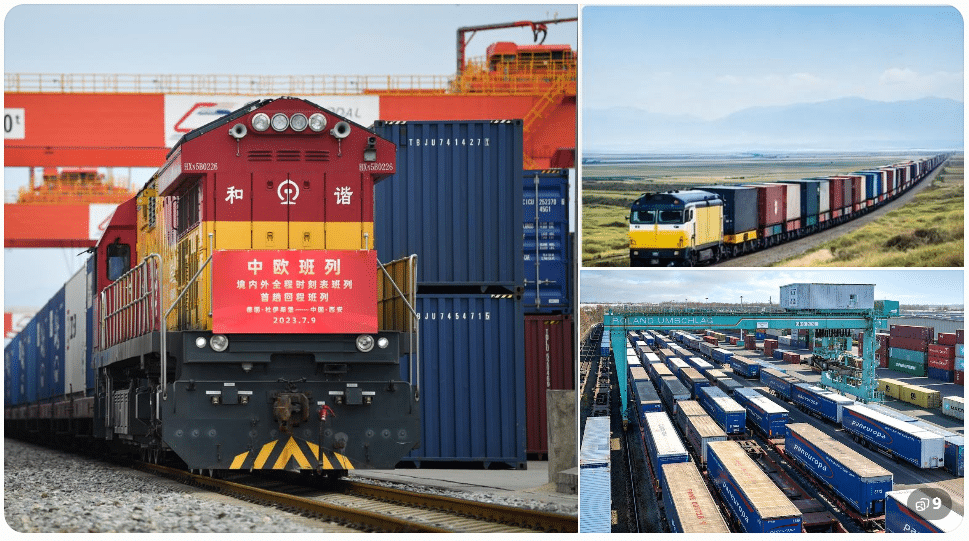
A typical shipment involves cargo pickup in China, export customs clearance, rail transportation, European import clearance, and delivery to your warehouse.
The main corridors include:
- Northern corridor: Routes through Mongolia or Russia and Belarus, depending on the service.
- Central corridor: Routes through Kazakhstan and other Central Asian connections.
- Alternative corridors: Other rail or multimodal combinations, depending on current operating conditions and destination coverage.
Your forwarder can help identify a suitable route based on your cargo origin, European destination, delivery deadline, and budget.
2. China–Europe Rail Transit Times: Rail vs. Ocean vs. Air
Rail freight is a practical choice when ocean shipping takes too long but air freight exceeds your budget.
| Shipping method | Typical transit time | Best for |
|---|---|---|
| Rail freight | 15–25 days terminal to terminal | Balanced cost and speed |
| Ocean freight | 30–45 days port to port | Large, non-urgent shipments |
| Air freight | 3–8 days airport to airport | Urgent or high-value cargo |
| Door-to-door rail | Approximately 20–35 days | Warehouse delivery across Europe |
Transit times are estimates, not guaranteed schedules. Customs clearance, consolidation, border transfers, and inland delivery can extend the total shipping time.
When planning your shipment, consider the full door-to-door lead time rather than just the time spent on the train. If you have a fixed delivery deadline, allow extra time for possible delays.
3. What Can You Ship by China–Europe Rail Freight?
Rail freight is suitable for many types of commercial goods, including:
- Electronics and electrical components: Accessories, cables, and selected electronic products.
- Machinery and industrial parts: Tools, equipment, spare parts, and factory components.
- Clothing and textiles: Apparel, footwear, and home textiles.
- Furniture and household goods: Flat-packed furniture, lighting, and home accessories.
Some products, including dangerous goods, lithium batteries, chemicals, and temperature-sensitive cargo, may require special approval or handling.
Before booking, provide your forwarder with the product description, dimensions, gross weight, packaging details, and any required safety documents to confirm whether your goods are accepted.
4. China–Europe Rail Freight Services
You can choose between FCL, LCL, and door-to-door rail freight depending on your shipment size and delivery needs.
Full Container Load (FCL)
FCL is suitable when your shipment can fill or justify a dedicated container. It works well for larger orders, machinery, and regular inventory shipments. You benefit from simpler cargo handling without sharing the container with unrelated shipments.
Less-than-Container Load (LCL)
LCL allows you to ship smaller quantities by sharing container space with other importers. It can be a good option for samples, small wholesale orders, or testing a new European market. However, consolidation and destination handling fees may increase the total cost.
Door-to-Door Rail Freight
Door-to-door service combines transportation with origin handling and final delivery. Depending on your quotation, it may include:
- Factory pickup and export customs clearance
- International rail transportation and terminal handling
- European import customs coordination
- Truck delivery to your warehouse
Always confirm whether duties, VAT, insurance, customs brokerage, and unloading are included.
5. Key Departure Hubs in China and Arrival Hubs in Europe
Your cargo origin and final destination determine which rail route makes the most sense.
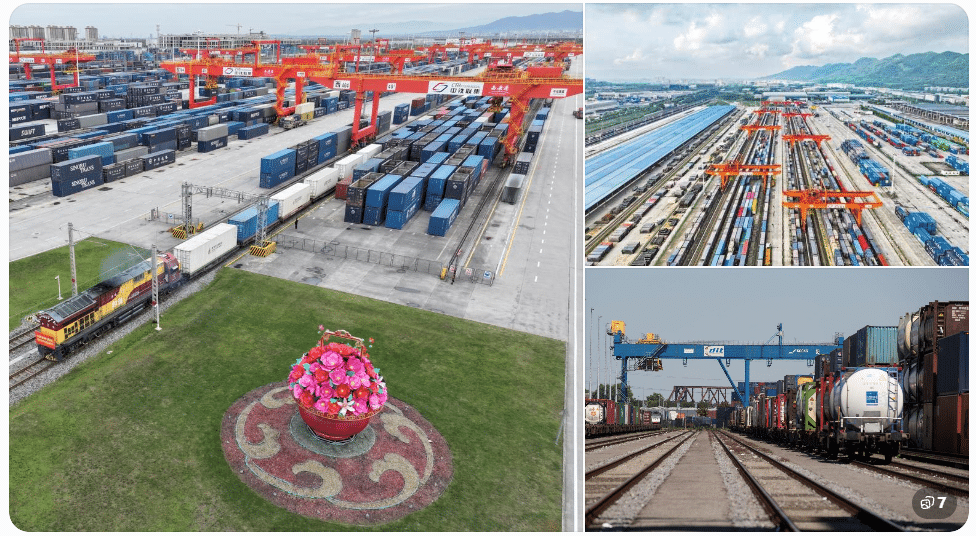
Major departure hubs in China
| Rail hub | Main logistics advantage |
|---|---|
| Xi’an | Major international rail freight center |
| Chongqing | Serves southwestern China’s manufacturing base |
| Chengdu | Connects western China with international rail networks |
| Zhengzhou | Serves central China and surrounding industrial areas |
| Wuhan | Supports manufacturing and distribution in central China |
If your supplier is in Shenzhen, Guangzhou, Shanghai, or Ningbo, you may need domestic transportation to an available rail terminal. Include this cost and transit time in your comparison.
Major arrival hubs in Europe
| European hub | Main logistics advantage |
|---|---|
| Duisburg, Germany | Distribution across Germany and neighboring markets |
| Hamburg, Germany | Intermodal logistics and onward transportation |
| Malaszewicze, Poland | Important border and transshipment area |
| Łódź, Poland | Distribution across Poland and Central Europe |
| Budapest, Hungary | Regional distribution in Central Europe |
Some locations are arrival terminals, while others serve as border-transfer or inland distribution hubs. Confirm the actual destination terminal when requesting a quote.
6. When Does Rail Freight Make Sense for Your Supply Chain?
Rail freight works best when you need faster delivery than ocean shipping can provide, but air freight is too expensive.
Consider rail if you need to:
- Replenish inventory faster: Reduce the risk of stockouts while avoiding air freight costs.
- Prepare for seasonal demand: Move part of your order earlier and ship the remaining volume by sea.
- Balance speed and cost: Transport medium- or high-value commercial goods without relying entirely on air cargo.
Ocean freight may still be the better choice for large, low-urgency shipments. Air freight is more suitable when your delivery deadline is extremely tight.
Compare the total logistics cost and expected delivery date before choosing a method.
7. What Affects China–Europe Rail Freight Costs?
Your rail freight quotation depends on several factors:
- Route and distance: The origin, destination, and required inland transportation.
- Cargo volume and weight: FCL and LCL shipments have different pricing structures.
- Container type: Specialized equipment may cost more than standard containers.
- Seasonal demand: Peak periods can affect rates and available capacity.
- Local charges: Terminal handling, customs clearance, storage, and final delivery.
- Cargo requirements: Special packaging, documentation, or handling.
When comparing quotations, ask for a breakdown of origin charges, international rail freight, destination charges, customs services, and final delivery. A low rail rate does not necessarily mean a low total shipping cost.
8. Risks and Controls in China–Europe Rail Freight
International rail shipments involve several countries, transport operators, and customs procedures. Understanding the main risks helps you plan more effectively.
- Border delays: Customs inspections and operational disruptions can extend transit times. Confirm the route’s current operating status and allow a delivery buffer.
- Documentation errors: Incorrect invoices, packing lists, or HS codes may delay clearance. Prepare accurate documents before dispatch.
- Cargo damage: Repeated handling and movement can affect poorly packed goods. Use suitable export packaging and consider cargo insurance.
- Unexpected charges: Storage, terminal handling, and destination fees can increase costs. Confirm inclusions and exclusions in writing.
- Restricted cargo: Certain products require special approval. Verify acceptance before booking.
If your cargo has a strict delivery deadline, ask your forwarder about schedule reliability and alternative arrangements.
9. Why Work with a China-Based Freight Forwarder for Rail Cargo?
Working with a China-based freight forwarder can simplify your shipment by coordinating the logistics process from origin to destination.
- Origin coordination: Arrange factory pickup, cargo consolidation, export documentation, and delivery to the departure terminal.
- Route selection: Compare available rail services based on your destination, shipment size, budget, and delivery deadline.
- Customs support: Coordinate shipping documents and work with customs brokers to help prevent avoidable clearance delays.
- End-to-end delivery: Manage transportation handoffs, monitor shipment progress, and coordinate final delivery in Europe.
- Cost transparency: Clarify which charges are included and identify potential additional costs before your cargo departs.
Choose a forwarder that provides a clear quotation, realistic transit estimates, responsive communication, and a defined scope of service.
10. How to Arrange China–Europe Rail Freight
Follow these steps to prepare your shipment:
- Provide your cargo details: Include the product description, dimensions, weight, volume, and packaging.
- Confirm pickup and delivery locations: Share your supplier’s address in China and your final destination in Europe.
- Compare shipping options: Request FCL, LCL, or door-to-door quotations where applicable.
- Prepare the documents: Confirm export and import requirements, cargo eligibility, and customs information.
- Confirm the booking: Check the departure schedule, estimated transit time, charges, and service scope.
- Track the shipment: Monitor transportation progress, coordinate customs clearance, and arrange final delivery.
Providing complete shipment information at the beginning helps your forwarder prepare a more accurate quotation and reduce avoidable delays.
Frequently Asked Questions
How long does rail freight take from China to Europe?
Rail freight typically takes 15–25 days between terminals. Door-to-door delivery may take around 20–35 days, depending on the route, customs clearance, and final delivery arrangements.
Is rail freight cheaper than air freight?
Generally, yes. Rail can reduce transportation costs for many commercial shipments, particularly when your cargo volume makes air freight expensive.
Is rail freight cheaper than ocean freight?
Ocean freight is usually more economical for large shipments that are not time-sensitive. Rail may be worthwhile when faster inventory replenishment helps reduce stockouts or missed sales.
Can you ship small orders by rail?
Yes. LCL rail freight allows you to share container space with other importers. Compare consolidation fees, minimum charges, and destination costs before booking.
Can rail freight deliver directly to your warehouse?
Yes, if door-to-door service is available for your route. Confirm whether the quotation includes customs clearance, duties, VAT, and final-mile delivery.
What documents do you need for China–Europe rail freight?
Common documents include a commercial invoice, packing list, transport document, and export customs documentation. Depending on your products and destination, additional certificates or permits may be required.
Conclusion
China–Europe rail freight gives you a middle-ground option when ocean shipping is too slow and air freight is too expensive. It can be particularly useful for inventory replenishment, regular commercial shipments, and businesses supplying European markets.
To choose the right service, compare transit times, routes, total costs, customs requirements, and final delivery arrangements. An experienced China-based freight forwarder can help you coordinate the process and select a shipping solution that fits your supply chain.