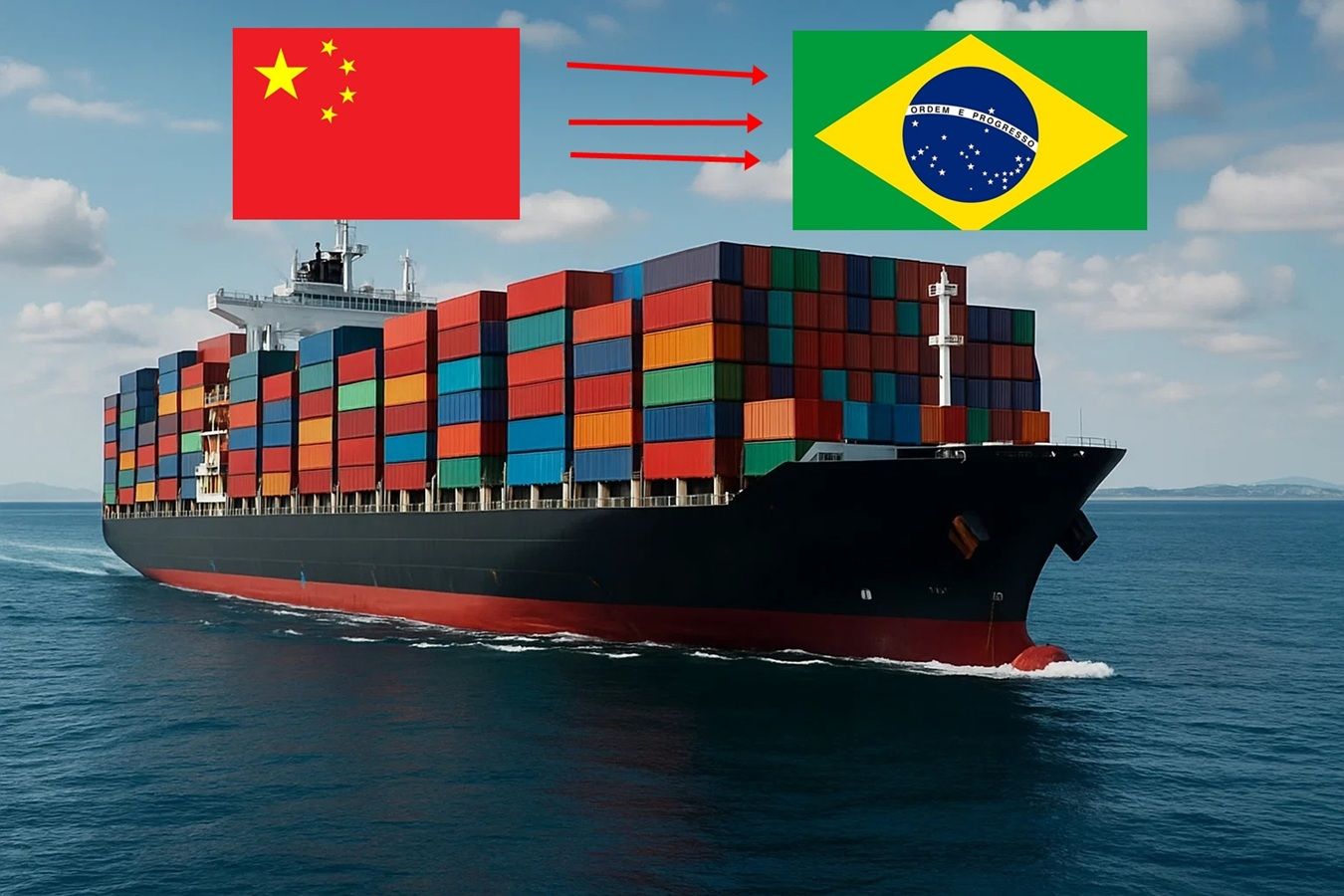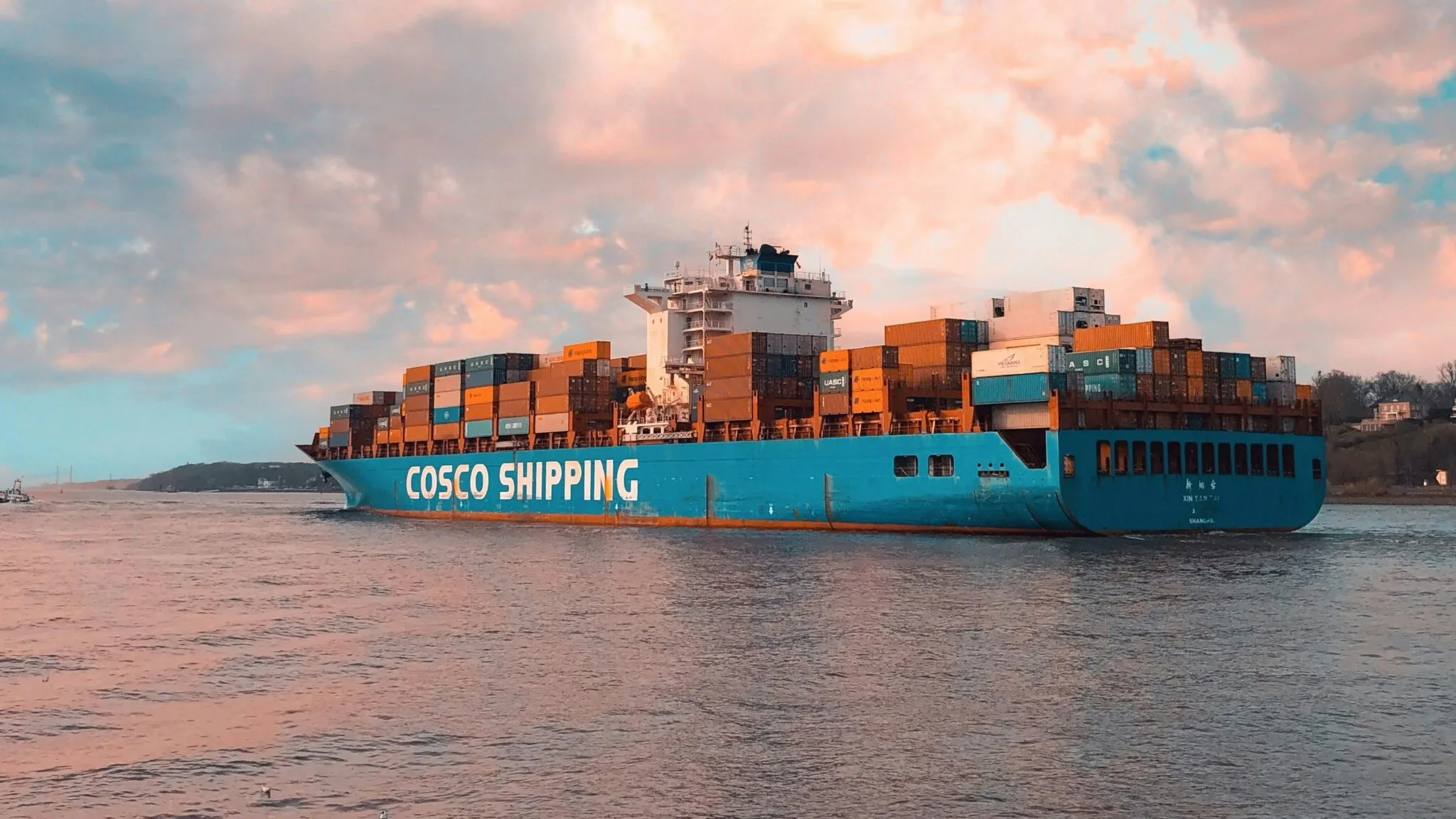

Shipping from China to Ghana is a common trade route for businesses importing electronics, machinery, furniture, clothing, building materials, consumer goods, auto parts, and other products. Depending on the size, urgency, and value of your shipment, you can choose between air freight, sea freight, LCL, FCL, or door-to-door shipping.
For most large or heavy shipments, sea freight is the most economical option. Air freight is better suited to urgent or high-value cargo, while DDP and door-to-door shipping can simplify customs clearance and final delivery in Ghana.
Quick Answer: China to Ghana Shipping
The best shipping method from China to Ghana depends mainly on your cargo volume, weight, budget, and delivery deadline.
Sea freight is generally the most cost-effective choice for larger shipments. Full container shipping to Tema commonly takes around 32–42 days, while LCL shipments can take approximately 33–46 days depending on the route and handling. Air freight is considerably faster, with typical transit times of around 5–8 days to Accra for suitable cargo.
For August 2026, indicative sea freight rates to Tema are approximately $3,465–$4,235 for a 20GP container and $4,500–$5,500 for a 40GP container. LCL rates are around $252 per CBM, although the final price depends on the origin, destination, cargo details, and additional charges.
Ghana’s import duties are based on the HS classification of the goods. The applicable tariff bands generally range from 0% to 35%, while the standard VAT rate is 15%. Additional customs and processing charges may also apply.
| Shipping Method | Typical Transit Time | Best For |
|---|---|---|
| Air Freight | 5–8 days | Urgent and high-value cargo |
| Sea Freight LCL | 33–46 days | Smaller commercial shipments |
| Sea Freight FCL | 32–42 days | Large-volume cargo |
| DDP Shipping | Depends on route | Door-to-door delivery |
| Express | 9–12 days | Small urgent shipments |
Transit times and freight rates are estimates and can change according to the shipping schedule, cargo type, season, fuel costs, and customs clearance.
Air Freight from China to Ghana
Air freight from China to Ghana is a suitable option when delivery speed is more important than freight cost. It is commonly used for electronics, spare parts, fashion products, samples, e-commerce inventory, and other commercial goods that need to reach Ghana quickly.
Most air cargo to Ghana is routed through Kotoka International Airport in Accra (ACC). Depending on the origin and airline schedule, cargo can be shipped from major Chinese airports such as Shanghai, Guangzhou, Shenzhen, Beijing, and Hong Kong.
Air freight from China to Ghana generally takes around 5–8 days under normal routing conditions. Some door-to-door shipments may require additional time for pickup, customs clearance, and final delivery.
When Should You Choose Air Freight?
Air freight is usually a good choice when:
- Your shipment is time-sensitive.
- The cargo has a relatively high value.
- The shipment is too large or heavy for express courier.
- You need faster delivery than ocean freight.
- You are shipping samples or urgent replacement parts.
Air freight is charged according to chargeable weight, which means both actual weight and volumetric weight should be considered. Large cartons containing lightweight products can therefore cost more than expected if the dimensional weight is high.
For this reason, provide the number of cartons, dimensions, gross weight, and cargo type when requesting an air freight quote.
Sea Freight from China to Ghana
Sea freight is usually the preferred option for large and heavy shipments from China to Ghana because the cost per unit is significantly lower than air transportation.
The main Ghanaian ports used for international cargo include Tema Port and Takoradi Port. Tema is particularly important for shipments destined for Accra, Tema, and surrounding commercial areas.
Typical cargo shipped by sea includes:
- Furniture
- Machinery
- Building materials
- Electronics
- Clothing
- Household products
- Auto parts
- Wholesale goods
- Commercial equipment
There are two main sea freight options: LCL and FCL.
LCL Shipping from China to Ghana
LCL, or Less than Container Load, is suitable when your cargo does not fill an entire container. Your goods share container space with cargo from other importers, and freight is generally calculated according to the volume of the shipment.
LCL can be useful for smaller importers or businesses that are not shipping enough cargo to justify a full container.
For August 2026, an indicative LCL rate to Tema is around $252 per CBM. Actual rates can vary depending on the Chinese origin port, destination, cargo type, consolidation charges, and destination handling.
FCL Shipping from China to Ghana
FCL, or Full Container Load, is better when you have enough cargo to use an entire container.
Common container options include:
| Container Type | Suitable For |
|---|---|
| 20GP | Dense or heavy cargo |
| 40GP | Larger commercial shipments |
| 40HQ | Bulky and high-volume cargo |
Current indicative rates for shipping to Tema are approximately $3,465–$4,235 for a 20GP and $4,500–$5,500 for a 40GP.
A 40HQ may be preferable for bulky cargo, although the final quotation depends on container availability and the specific shipping route.
DDP Shipping from China to Ghana
DDP, or Delivered Duty Paid, is a door-to-door shipping solution designed to simplify the importing process.
Under an agreed DDP service, the logistics provider may arrange transportation from the supplier in China, export handling, international freight, customs-related procedures, and final delivery in Ghana.
This can be particularly useful for importers who do not want to manage every stage of the shipment themselves.
A typical DDP process may include:
- Supplier pickup in China
- Warehouse receiving
- Cargo inspection and consolidation
- Export documentation
- International air or sea transportation
- Customs clearance in Ghana
- Payment of agreed duties and taxes
- Local transportation
- Final delivery
However, DDP should not simply be selected because it appears cheaper. The importer should confirm exactly what is included in the quotation, particularly customs duties, destination charges, delivery fees, and possible surcharges.
The availability of DDP can also depend on the product, HS code, declared value, import regulations, and final delivery address.
Shipping Container from China to Ghana
Container shipping is a practical option for businesses importing large quantities of goods from China to Ghana.
Major Chinese export ports used for Ghana shipments include Shanghai, Ningbo, Shenzhen, Guangzhou, Qingdao, Xiamen, and other major container ports. The final routing depends on the shipping line, vessel schedule, cargo origin, and destination port.
For Ghana, Tema Port is one of the most commonly used destinations, while Takoradi can be considered depending on the cargo and final delivery location.
Typical ocean transit times can vary by origin:
| China Origin | Ghana Destination | Approx. Transit Time |
|---|---|---|
| Shenzhen | Tema | 30–35 days |
| Guangzhou | Tema | 30–35 days |
| Shanghai | Tema | 30–35 days |
| Ningbo | Tema | 30–35 days |
| Xiamen | Tema | 25–30 days |
| Shenzhen | Takoradi | 35–40 days |
These are port-to-port estimates. The actual door-to-door delivery time will be longer because it also includes supplier pickup, export handling, customs clearance, and inland transportation.
For container shipments, it is important to check not only the ocean freight but also origin charges, terminal handling, documentation, customs clearance, destination charges, and local delivery costs.
Transit Time from China to Ghana
The transit time from China to Ghana depends on the shipping method, departure location, destination port or airport, carrier schedule, customs clearance, and final delivery address.
A general planning guide is:
| Shipping Method | Estimated Transit Time |
|---|---|
| Air Freight | 5–8 days |
| Express | 9–12 days |
| Sea LCL | 33–46 days |
| Sea FCL | 32–42 days |
| Door-to-Door Sea Freight | Around 30–45+ days |
Some specific sea routes can be faster or slower than these ranges. For example, shipments from Shenzhen or Guangzhou to Tema can sometimes move in around 30–35 days, while shipments to Takoradi or shipments involving additional transshipment may take longer.
It is also important to distinguish between transit time and total delivery time.
Transit time normally refers to the international transportation period. Total delivery time can include:
- Supplier preparation
- Pickup in China
- Warehouse receiving
- Export customs
- Vessel or flight transit
- Ghana customs clearance
- Port handling
- Inland transportation
- Final delivery
For time-sensitive cargo, allow additional time for customs and local delivery rather than planning solely around the vessel or flight transit time.
Shipping Cost from China to Ghana
The shipping cost from China to Ghana depends on several factors, including the shipping method, cargo weight, volume, origin city, destination, container size, cargo type, and customs requirements.
For August 2026, indicative rates for the main shipping methods are:
| Shipping Method | Indicative Cost | Transit Time |
|---|---|---|
| Sea FCL 20GP | $3,465–$4,235 | 32–42 days |
| Sea FCL 40GP | $4,500–$5,500 | 32–42 days |
| Sea LCL | Around $252/CBM | 33–46 days |
| Air Freight | Around $5.50/kg for qualifying cargo | 5–8 days |
| Express | Around $10.03/kg | 9–12 days |
These figures are indicative rather than fixed quotations. Ocean and air rates can change based on capacity, fuel costs, seasonality, carrier schedules, and destination charges.
What Affects the Shipping Cost?
The main cost factors include:
Cargo Weight and Volume
Air freight and express services generally use chargeable weight, while LCL is primarily calculated by shipment volume.
Shipping Method
Air and express are faster but normally more expensive. Sea freight is more economical for larger shipments.
Origin in China
Pickup and inland transportation costs vary depending on whether the supplier is located in Shenzhen, Guangzhou, Shanghai, Ningbo, Yiwu, or another city.
Destination in Ghana
Delivery to Accra, Tema, Kumasi, Takoradi, or another inland location may require different transportation arrangements.
Cargo Type
Batteries, liquids, chemicals, machinery, branded products, and other sensitive cargo may require additional handling or documentation.
Customs and Destination Charges
Import duties, taxes, terminal handling, customs clearance, documentation, and local delivery can significantly affect the final landed cost.
For this reason, a freight quote should be based on actual cargo information rather than a general price per kilogram or container.
Ghana Customs and Import Duties
Customs clearance is an important part of shipping from China to Ghana. Imported goods generally need to be correctly classified using the appropriate HS code and supported by accurate commercial documents.
Ghana applies an ECOWAS Common External Tariff structure with five main tariff bands:
| Tariff Band | General Category |
|---|---|
| 0% | Essential social goods |
| 5% | Basic necessities, raw materials, capital goods, and selected inputs |
| 10% | Intermediate and semi-finished products |
| 20% | Finished consumer goods |
| 35% | Selected goods subject to higher protection |
The standard VAT rate is 15%, although other taxes, levies, and charges may apply depending on the product.
Import duties are generally assessed based on the customs value, commonly related to the CIF value of the shipment. VAT and other applicable charges can then be calculated according to Ghana’s customs rules.
The customs management system also applies processing-related fees. One commonly referenced charge is an ICUMS fee of 0.75% of FOB value, while certain products may also be subject to additional processing charges.
Documents Commonly Required
Before the shipment arrives, importers should prepare the appropriate documentation, which may include:
- Commercial invoice
- Packing list
- Bill of Lading or Air Waybill
- Import Declaration Form
- Taxpayer Identification Number or GhanaCard PIN
- Certificate of Origin where required
- Product-specific permits or certificates
Products regulated by agencies such as the Ghana Standards Authority or Food and Drugs Authority may require additional documentation or approval.
Correct HS classification is particularly important because changing the HS code can change the applicable duty rate, taxes, permits, and clearance requirements.
Freight Forwarder from China to Ghana
A freight forwarder from China to Ghana acts as the link between your supplier, warehouse, carrier, customs broker, and final delivery provider.
Instead of arranging each stage separately, a freight forwarder can coordinate the shipment from the supplier’s warehouse in China through international transportation and customs clearance to the final destination in Ghana.
A freight forwarder can typically help with:
- Supplier pickup in China
- Cargo receiving and inspection
- Consolidation of multiple suppliers
- LCL and FCL shipping
- Air freight
- Export customs documentation
- Bill of Lading or Air Waybill preparation
- Customs clearance coordination
- Import duty and tax planning
- Port handling
- Inland transportation in Ghana
- Door-to-door delivery
- Shipment tracking
For example, if you purchase products from several suppliers in Shenzhen, Guangzhou, and Yiwu, a forwarder can arrange for the goods to be delivered to one warehouse, consolidated, and shipped together to Ghana. This can reduce the need to manage several separate international shipments.
When choosing a freight forwarder, do not compare only the ocean or air freight rate. A lower freight rate can become more expensive if customs clearance, destination handling, documentation, local delivery, or other charges are excluded.
A good quotation should clearly show what is included and what is excluded.
What Information Is Needed for a Shipping Quote?
To get an accurate quote from China to Ghana, prepare:
- Product name
- Product description or photos
- Number of cartons
- Carton dimensions
- Gross weight
- Total CBM
- Supplier city in China
- Pickup address
- Destination city in Ghana
- Delivery address
- Preferred shipping method
- Required delivery date
- Whether the goods contain batteries, liquids, chemicals, magnets, or other restricted items
With these details, a freight forwarder can compare air freight, LCL, FCL, DDP, and door-to-door options and recommend the most suitable solution based on your cargo and budget.