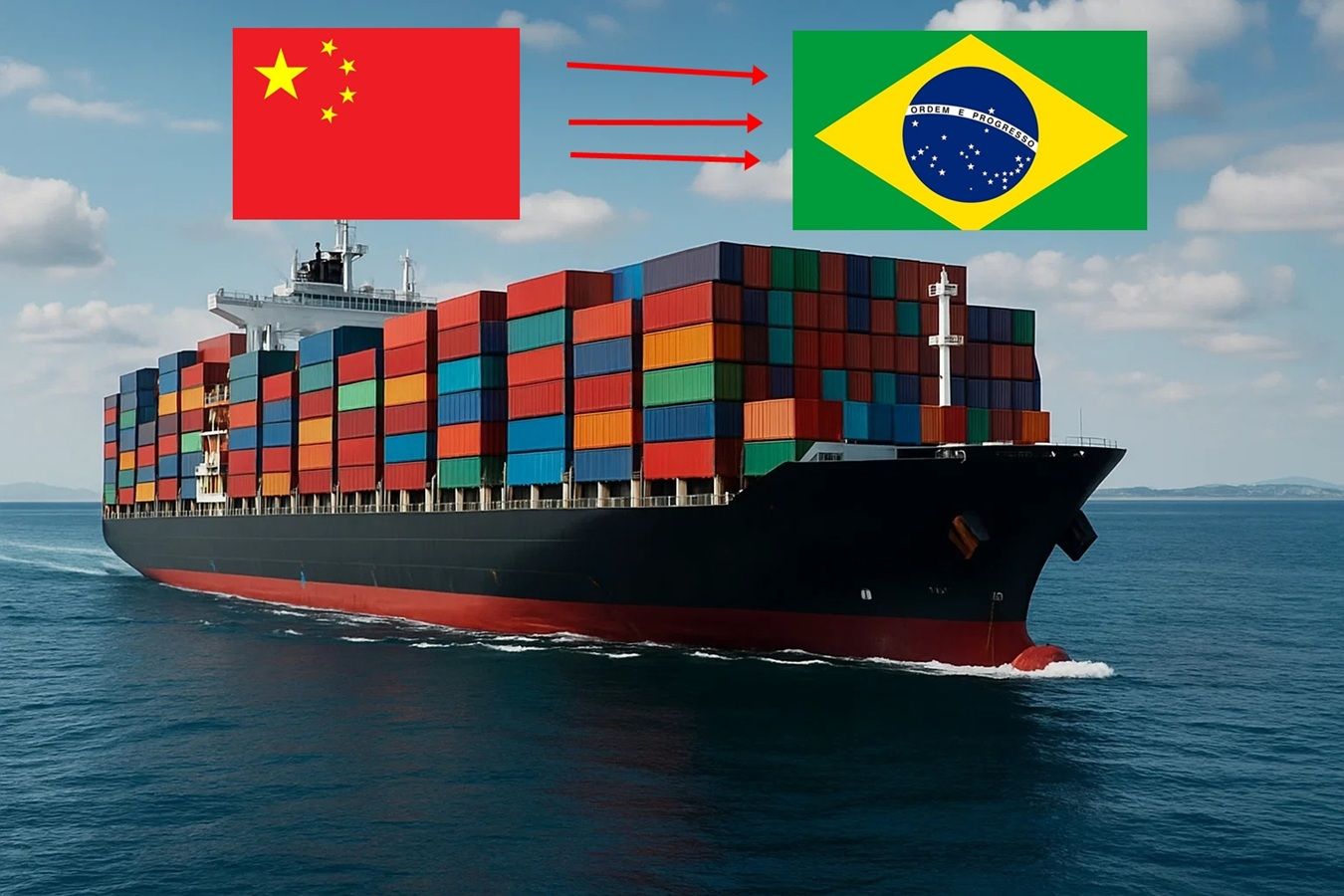
Shipping from China to Canada requires careful planning to balance cost, speed, and reliability. Whether you choose air freight for faster delivery or ocean freight for lower transportation costs, the right shipping method depends on your cargo volume, budget, and delivery requirements.
A reliable logistics provider can coordinate the entire process, from supplier pickup and export customs clearance in China to Canadian customs clearance and final delivery.
Freight Forwarder China to Canada
A freight forwarder coordinates transportation between suppliers, carriers, customs brokers, warehouses, and final delivery providers.
For importers, a freight forwarder can help manage:
- Cargo pickup in China
- Air or ocean freight booking
- Export documentation
- Customs clearance
- Shipment tracking
- Destination delivery
- Door-to-door transportation
Choosing an experienced logistics provider can simplify the shipping process and help avoid unnecessary delays and unexpected charges.
Freight Forwarder vs. Shipping Agent: Understanding the Key Partner for Your Shipment
You’ll see the terms “freight forwarder” and “shipping agent China to Canada” used often. While closely related, there’s a subtle difference.
A Freight Forwarder is a broader term for a company that organizes and coordinates the entire shipment on your behalf. They act as an intermediary between you and various transportation services, including ocean carriers, airlines, trucking companies, warehouses, and customs brokers.
A Shipping Agent often refers to a company’s representative at a foreign port who handles carrier arrangements and port operations.
For importers, a freight forwarder can provide a single point of contact for the international transportation process, from booking cargo space to customs clearance and final delivery.
The Step-by-Step Process of Shipping Freight from China to Canada
Shipping freight from China to Canada isn’t just about moving boxes. Each stage requires careful planning and coordination.
Production and Preparation Phase
Start with completed manufacturing in China. Once your products pass quality checks, they’re ready for shipping from China to Canada.
The importer should confirm:
- Product quantity
- Cargo dimensions
- Gross weight
- Packaging
- HS code
- Commercial value
- Final Canadian delivery address
Carrier Booking and Paperwork Creation
You or your logistics partner reserve cargo space with a carrier.
Common documents include:
- Commercial Invoice – lists product values and descriptions.
- Packing List – details quantities and contents.
- Bill of Lading – your receipt and shipping contract for ocean freight.
- Air Waybill – the air cargo equivalent.
Chinese Port Processing
Your goods travel from the factory to the port or airport.
Chinese customs officials review the shipment documentation and cargo information before export clearance.
International Transit
Cargo boards ships or planes for the journey from China to Canada.
Ocean freight is generally suitable for larger shipments, while air freight is better for urgent or high-value cargo.
Canadian Arrival Operations
Once the cargo arrives in Canada, it is unloaded at the destination airport or port.
LCL shipments may be transferred to a warehouse for deconsolidation before final delivery.
Canadian Customs Processing
The Canada Border Services Agency (CBSA) processes commercial imports entering Canada.
Customs brokers or importers submit the required documentation and calculate applicable duties and taxes.
Accurate product descriptions, tariff classifications, declared values, and origin information are important for smooth customs clearance.
Final Delivery
After customs clearance, the shipment can be transported by truck to the final Canadian address.
Door-to-door services combine international transportation, customs clearance, and final-mile delivery into one logistics process.
Door-to-Door and DDP Shipping Solutions from China to Canada
Door-to-door shipping means your shipment moves from your supplier in China directly to your Canadian delivery address.
The service may include:
- Supplier pickup
- Export customs clearance
- International transportation
- Canadian customs clearance
- Customs brokerage
- Final delivery
DDP (Delivered Duty Paid) means the seller or logistics provider takes responsibility for transportation to the agreed destination and, under the agreed terms, import clearance, duties, and taxes.
When using DDP shipping from China to Canada, always confirm exactly which duties, taxes, customs fees, and delivery charges are included in the quotation.
Understanding DDP Shipping Risk
DDP shipping can simplify international trade, but importers should understand how customs declarations and taxes are handled.
A very low DDP quotation may indicate that some costs have not been properly included.
Importers should be cautious about:
- Incorrectly declared cargo values
- Incorrect tariff classifications
- Inaccurate product descriptions
- Improper customs declarations
- Unclear responsibility for duties and taxes
- Missing import documentation
A legitimate DDP shipment should follow applicable Canadian customs and tax requirements.
The Reality of DDP Shipping Risk From China
Some suppliers may offer unusually cheap DDP shipping by reducing declared values or using inappropriate customs classifications.
These practices can create serious compliance problems for importers.
Potential risks include:
- Customs inspections
- Additional duties and taxes
- Shipment delays
- Penalties
- Cargo holds
- Unexpected customs charges
Importers should compare the complete landed cost rather than choosing a DDP quote based only on the lowest price.
Air Freight vs. Ocean Freight from China to Canada
Shipping freight from China to Canada requires careful consideration of the two primary methods: air freight and ocean freight.
Air freight is faster but more expensive. Ocean freight is slower but generally more economical for larger shipments.
Your choice should depend on:
- Cargo weight
- Cargo volume
- Delivery deadline
- Product value
- Budget
- Destination
- Required service level
Air Freight from China to Canada
Standard air freight from China to Canada typically takes around 5–10 days, depending on the origin airport, Canadian destination, airline schedule, customs clearance, and final delivery.
Air freight is suitable for:
- Time-sensitive goods
- Electronics
- Fashion products
- High-value products
- Spare parts
- Smaller commercial shipments
Air freight costs more than ocean freight, but the shorter transit time can help businesses reduce inventory delays.
Ocean Freight from China to Canada
Ocean freight generally takes longer than air freight but is the most economical option for large or heavy shipments.
Typical ocean freight transit times from China to Canada can range from around 20–40 days, depending on the origin port, destination port, carrier schedule, transshipment, customs clearance, and final delivery.
Ocean freight is particularly suitable for:
- Large shipments
- Heavy cargo
- Machinery
- Furniture
- Bulk commercial goods
- FCL and LCL shipments
For smaller shipments, LCL allows importers to share container space with other cargo.
For larger shipments, FCL provides a dedicated container and can offer better unit costs.
Express Shipping from China to Canada
Express shipping is generally the fastest option for small packages and urgent shipments.
Typical express delivery may take around 3–7 days, depending on the carrier, origin, destination, customs clearance, and service level.
Express shipping is commonly used for:
- Samples
- Documents
- Small parcels
- Urgent replacement parts
- Small e-commerce orders
The cost per kilogram is usually higher than standard air freight.
Air Freight Costs and Rates from China to Canada
Air freight rates depend on chargeable weight, route, cargo type, airline capacity, season, and service level.
Typical planning rates can range around US$5–9 per kg for standard air freight, although actual quotations vary.
The final cost may also include:
- Fuel surcharge
- Security fee
- Airport handling
- Documentation
- Customs brokerage
- Pickup
- Destination handling
- Final delivery
Sea Freight Costs and Rates from China to Canada
Sea freight is generally cheaper than air freight for larger shipments.
Costs depend on:
- Container size
- Origin port
- Destination port
- Shipping season
- Carrier
- Cargo volume
- LCL or FCL service
- Inland transportation
FCL is generally quoted per container, while LCL is commonly calculated based on cubic meters plus applicable origin and destination charges.
How Can You Locate Budget-Friendly Sea Shipping Options from China to Canada?
Finding the lowest shipping cost requires comparing the complete transportation cost rather than only the base ocean freight rate.
Cost-Saving Strategies for Budget-Friendly Sea Shipping:
- Compare FCL and LCL pricing
- Consolidate shipments
- Optimize packaging
- Select suitable origin and destination ports
- Avoid unnecessary storage
- Book during periods of stable capacity
- Compare door-to-door and port-to-port quotations
Comparison Tips for Budget-Friendly Sea Shipping:
When comparing quotations, check whether the price includes:
- Origin pickup
- Export customs
- Ocean freight
- Destination handling
- Customs brokerage
- Import duties
- GST
- Inland delivery
A lower base rate may not result in a lower total landed cost if additional charges are excluded.
Booking Timing for Budget-Friendly Sea Shipping:
Booking early can help secure vessel capacity and reduce the risk of higher spot rates during peak periods.
Chinese New Year and major retail seasons can create temporary increases in shipping demand.
Costs and Pricing Factors for Cargo from China to Canada
The total cost of shipping cargo from China to Canada depends on transportation mode, cargo size, weight, destination, customs requirements, and delivery services.
Shipping Cost Breakdown for Cargo from China to Canada
The total shipping cost can include:
- Factory pickup
- Export customs clearance
- Origin handling
- Air or ocean freight
- Fuel and security surcharges
- Canadian destination handling
- Customs brokerage
- Import duties
- GST and applicable taxes
- Inland transportation
- Insurance
What Affects Freight Rates for Cargo from China to Canada?
The main factors include:
- Weight
- Volume
- Chargeable weight for air freight
- Container size
- Shipping method
- Origin and destination
- Season
- Fuel costs
- Carrier capacity
- Cargo type
- Customs requirements
Hidden and Extra Charges for Cargo from China to Canada
Importers should check for possible additional charges such as:
- Warehouse storage
- Demurrage
- Detention
- Destination handling
- Customs inspection
- Brokerage
- Residential delivery
- Remote-area delivery
- Special cargo handling
Always request an itemized quotation before booking.
Express Shipping Options
Express shipping from China to Canada is useful when delivery speed is more important than cost.
It is generally suitable for small shipments that need fast door-to-door delivery.
The final price depends on chargeable weight, package dimensions, destination, product type, and service level.
Air Freight from China to Canada
Air freight provides a balance between speed and cost.
It is generally faster than ocean freight and less expensive than premium express services for larger commercial shipments.
Major Chinese air cargo gateways include:
- Shanghai Pudong (PVG)
- Guangzhou Baiyun (CAN)
- Shenzhen Bao’an (SZX)
- Beijing Capital (PEK)
- Hong Kong International (HKG)
Major Canadian gateways include:
- Vancouver International (YVR)
- Toronto Pearson (YYZ)
- Montréal-Trudeau (YUL)
Ocean Freight from China to Canada
Ocean freight is generally the preferred option for large and heavy shipments.
Canadian gateways commonly used for imports from China include:
- Vancouver
- Prince Rupert
- Montréal
- Halifax
- Toronto-area inland distribution through Canadian ports and rail networks
The best port depends on the supplier location, cargo volume, final destination, and inland transportation cost.
Shipping from China to Canada: Payment Methods and Billing
Freight companies may offer different payment methods depending on the shipment and business relationship.
Common payment methods include:
- Wire transfer
- Credit card
- PayPal for some smaller transactions
- Letters of credit
- Other business payment arrangements
Payment terms vary by logistics provider and shipment type.
Importers should confirm whether the quotation is prepaid, collect, or based on agreed credit terms.
Shipping Cost Optimization for Cargo from China to Canada
Shipping modes with lower base costs are typically more affordable for smaller shipments, while transportation modes with higher base costs but lower variable costs can become more economical as shipment size increases.
Air freight has higher variable costs per kilogram, making it less suitable for very large or heavy shipments.
Ocean freight usually provides a lower cost per unit for bulk shipments.
The most economical option depends on shipment size, delivery deadline, and total landed cost.
Customs Clearance and Documentation Guide
Customs clearance is one of the most important parts of shipping from China to Canada.
Accurate documentation helps reduce delays and unexpected customs charges.
Required Documents for China Export
Common export documents include:
- Commercial Invoice
- Packing List
- Bill of Lading
- Air Waybill
- Export declaration
- Certificate of Origin when required
- Product certificates or permits when applicable
Canada Import Requirements
Canadian commercial imports are subject to CBSA requirements.
Importers should provide accurate information about:
- Importer
- Product description
- HS/tariff classification
- Country of origin
- Customs value
- Quantity
- Transportation documents
Some products require additional permits, licenses, or regulatory approvals.
Duties and Taxes Calculation
Canadian import duties depend on the tariff classification, origin, and applicable tariff treatment.
Most imported commercial goods are also subject to 5% GST, although the exact tax treatment depends on the product and importer circumstances.
The Canadian Customs Tariff should be checked for the applicable tariff classification and duty rate.
Frequently Asked Questions About Shipping from China to Canada
How Long Does It Take to Ship from China?
Typical planning times are:
- Express: 3–7 days
- Air freight: 5–10 days
- Ocean freight: approximately 20–40 days
- Door-to-door service: depends on customs clearance and final delivery
Actual transit times vary by route, carrier, season, and destination.
What types of goods do you ship from China to Canada?
Common shipments include:
- Electronics
- Furniture
- Machinery
- Clothing
- Consumer products
- Auto parts
- Industrial equipment
- E-commerce products
Restricted or regulated products may require additional permits or documentation.
How Can Air Freight Be Cheaper Than Sea Freight?
Air freight is normally more expensive than ocean freight on a per-kilogram basis.
However, for small or urgent shipments, air freight can sometimes have a lower total cost when faster delivery reduces storage, inventory, or production-related costs.
How do I get a quote for shipping from China to Canada?
Provide:
- Origin city
- Destination city
- Product description
- HS code if available
- Number of packages
- Dimensions
- Gross weight
- Shipping method
- Delivery address
With complete information, freight providers can provide a more accurate quotation.
What are your shipping options?
The main options are:
- Express shipping
- Air freight
- LCL ocean freight
- FCL ocean freight
- Door-to-door shipping
- DDP shipping
The best option depends on shipment size, budget, and required delivery time.
Do you provide shipping insurance?
Cargo insurance can be purchased separately depending on the shipment and service provider.
Insurance is especially useful for high-value, fragile, or commercially important cargo.
Do you provide customs clearance services?
Many freight forwarders can coordinate customs clearance through licensed customs brokers.
For imports into Canada, the CBSA requires accurate customs declarations and supporting documentation.
Do you have experience in shipping to Canadian warehouses?
Freight forwarders can arrange delivery to commercial warehouses, distribution centers, residential addresses, and other approved destinations depending on the service.
For e-commerce shipments, confirm the warehouse’s receiving requirements before booking.
What documentation is required for international shipments?
Common documents include:
- Commercial Invoice
- Packing List
- Bill of Lading or Air Waybill
- Certificate of Origin when required
- Import permits when applicable
- Customs declaration information
How do I track my shipment?
Tracking availability depends on the carrier and shipping method.
Ocean shipments can generally be tracked using the Bill of Lading or container number, while air shipments can be tracked using the Air Waybill number.
For door-to-door shipments, the logistics provider may provide additional tracking milestones.