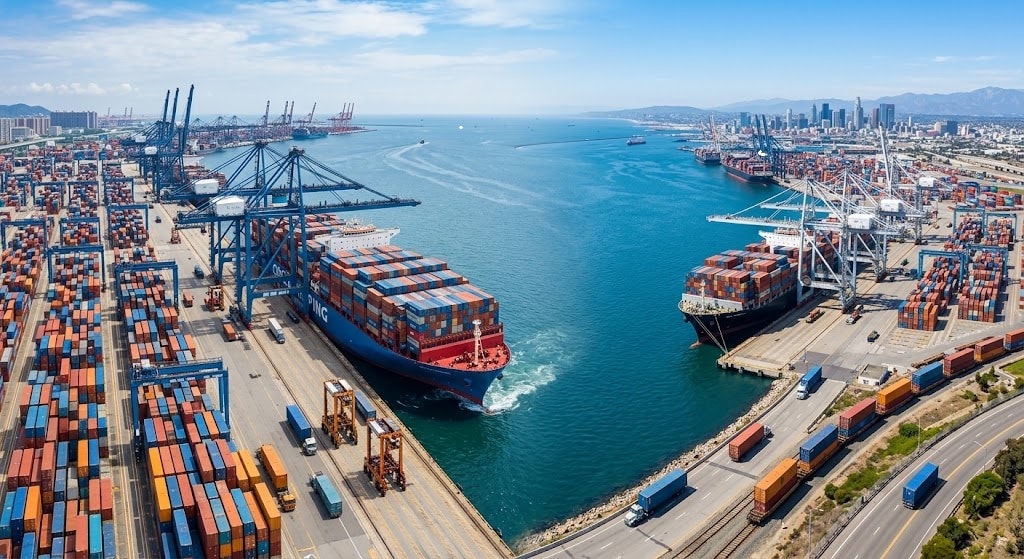
For businesses selling into the United States, customs compliance is now more than a final step before cargo is released. During 2026, U.S. Customs and Border Protection (CBP) has continued to tighten controls around the import process, from inspection requirements and electronic product declarations to the treatment of low-value shipments.
The next major change focuses on the Importer of Record (IOR).
On August 19, 2026, CBP issued an official notice stating that Executive Order No. 14411, “Strengthening Customs Enforcement,” would take effect on September 18, 2026. Under the new requirements, CBP will apply much closer scrutiny to CBP Form 5106, the Importer Identity Information Form.
For importers, this means that information that may have been treated as routine paperwork in the past now needs to be accurate, complete, current, and directly connected to the actual importing entity.
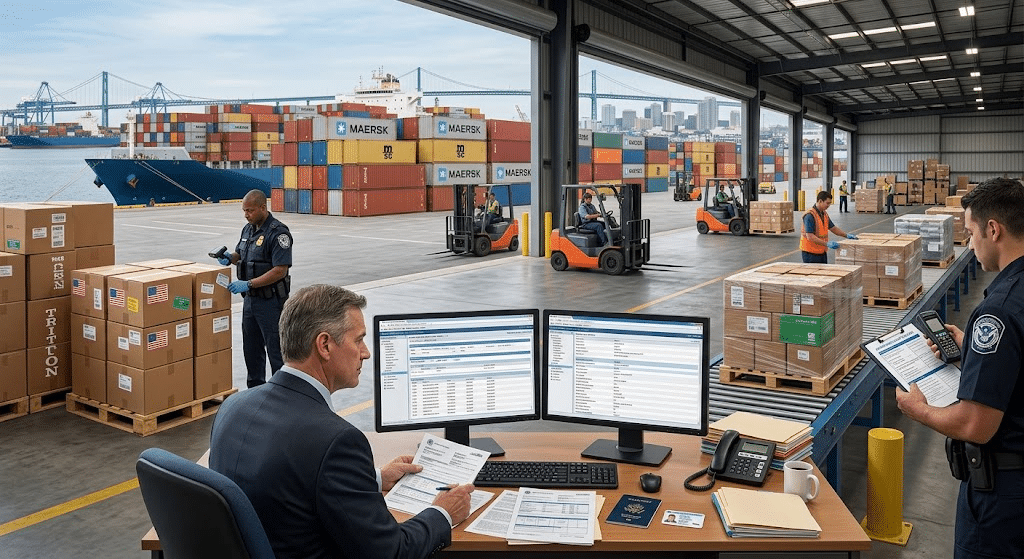
Here’s a quick look at what matters:
| Topic | Key Requirements |
| IOR | The individual or company legally responsible for the U.S. import |
| Physical address | Must be the importer’s actual business location |
| Contact information | Email and phone number must belong to the IOR |
| EIN/SSN | Must be accurate and verifiable |
| CBP Form 5106 | Information must be complete and kept up to date |
| POA | Must be directly signed by the IOR |
| Bond | Foreign IORs may face additional bond requirements |
| Main risk | IOR invalidation, customs delays, storage costs, penalties |
For sellers shipping regularly to the U.S., understanding these requirements is no longer simply a compliance exercise. An issue with the IOR record can affect shipments already at sea or in transit.
What Is an IOR?
The Importer of Record, or IOR, is the person or company legally responsible for bringing goods into the United States and ensuring that the shipment complies with U.S. customs requirements.
Depending on the shipping arrangement, the IOR may be the seller, the seller’s U.S. company, a freight forwarder, or another qualified entity.
In practical terms, the IOR is the party CBP looks to when something goes wrong with an import declaration.
The core responsibilities of an IOR include:
- Making sure imported goods comply with U.S. customs requirements
- Paying applicable duties and taxes
- Providing accurate documentation to CBP
- Ensuring that information submitted during the import process is truthful and complete
This is why the IOR should not be treated as just another field on a customs form. Whoever is listed as the IOR carries the legal responsibility for the shipment.
2. Core Requirements of the New Rules: Comprehensive Information Verification
Starting September 18, CBP will place greater emphasis on verifying the information submitted through CBP Form 5106. Both new and existing importers must ensure their records can be verified and match their actual business information.
1. Entity Physical Address
The address listed for the IOR needs to be the actual physical location of the importing business.
Do not use a freight forwarder’s address, customs broker’s address, agent address, or a PO Box as a substitute for the importer’s actual business address.
The basic idea is straightforward: CBP needs to identify where the importing entity actually operates.
2. Contact Information Ownership
The email address and telephone number on the record should belong directly to the importer.
A customs broker or freight forwarder should not simply provide its own contact information in place of the importer’s details.
This may sound like a small administrative issue, but it becomes important when CBP needs to verify an importer or contact the company about a shipment.
3. Verifiable EIN/SSN
The Employer Identification Number (EIN) or Social Security Number (SSN) provided to CBP must be accurate and capable of being verified through the appropriate government records.
Any mismatch between the information on file and the actual importer can create problems during verification.
4. Information Must Be True, Unique, and Kept Current
Every part of CBP Form 5106 should reflect the importer’s actual circumstances.
If the company changes its address, telephone number, email address, ownership information, or other relevant details, it should update its records promptly rather than waiting until a customs problem occurs.
Keeping an old record simply because previous shipments cleared successfully is no longer safe.
5. Power of Attorney (POA) Must Be Compliant and Valid
Customs brokers must have a valid Power of Attorney directly signed by the IOR.
A third-party forwarder should not sign the POA on the importer’s behalf.
The customs broker also has its own responsibilities. It is expected to review the information the importer provides and avoid submitting information it knows is false or unverifiable.
3. Consequences of Violation: Invalidation, Penalties, and Operational Risks
The practical concern for importers is not simply whether CBP will check the information.
It is what happens if the information fails that check.
1. IOR Number May Be Invalidated
If CBP determines that the information on CBP Form 5106 is inaccurate, incomplete, or untruthful, it may invalidate the IOR number.
Once that happens, the affected entity may no longer be able to use that IOR for normal U.S. import declarations.
For a business moving shipments every week, that can quickly become an operational issue rather than a paperwork issue.
2. In-Transit Goods May Face Customs Problems
An IOR problem can become particularly serious when cargo is already moving.
If the importer cannot complete the customs process, goods may be held while the issue is resolved. Depending on the circumstances, this can lead to additional storage, detention, return transportation, or other unexpected costs.
For sellers with time-sensitive inventory, even a short customs delay can also affect customer delivery schedules and create commercial disputes.
3. False Information Can Lead to Significant Legal Penalties
Providing false information to customs can expose the parties involved to financial penalties and, in more serious cases, potential criminal consequences.
This is one reason importers should not rely on informal or shared arrangements simply because they seem cheaper or easier at first.
4. Customs Brokers May Also Face Liability
The compliance responsibility does not necessarily stop with the importer.
Customs brokers play an important role in reviewing IOR information and supporting the customs entry process. If a broker knowingly continues to submit false or unverified information, it may also face regulatory consequences, including possible action against its customs broker license.
4. Industry Impact: A Shift Toward More Transparent Import Operations
The broader effect of the new requirements is likely to be felt across the U.S. logistics industry.
For years, some cross-border shipping arrangements have relied on third-party entities, informal IOR structures, or tax-inclusive models that made importing appear relatively simple from the seller’s perspective.
Stricter verification changes that equation.
The importing entity must now be identifiable, traceable, and able to take responsibility for the shipment. For businesses that have relied heavily on indirect arrangements, this may mean reviewing how they structure their U.S. imports.
1. Foreign IORs Face Stricter Requirements
Foreign importers will face closer scrutiny when using U.S. import procedures.
According to the requirements outlined in the source notice, foreign IORs will be restricted from using informal entries for goods valued below US$2,500. They may also face changes in how customs bonds are arranged, with individual shipments potentially requiring separate bonds rather than relying solely on an annual continuous bond.
For overseas sellers, they need to factor these additional compliance and bonding requirements into the real cost of importing into the U.S.
2. Traditional Dual-Clearance Tax-Inclusive Models May Face Pressure
Some shipping models have historically relied on overseas forwarders acting as foreign IORs while providing tax-inclusive or dual-clearance services.
As customs declarations, bonds, verification procedures, and compliance requirements become more demanding, these models may become more expensive and difficult to operate.
The key issue for sellers is not simply whether a shipping quote includes customs clearance. It is understanding who is actually responsible for the import and whether that arrangement can withstand CBP verification.
3. Customs Brokers Face Greater Due Diligence Responsibilities
The new environment also raises the standard for customer onboarding and document review.
Forwarders and customs brokers may need to maintain more complete due diligence records, verify importer information more carefully, and keep valid authorization documents on file.
For importers, this means that choosing a customs broker is increasingly about compliance capability as well as freight price.
5. What US-Line Sellers Should Do Now
The September 18 implementation date leaves little room for businesses to wait until a shipment is already moving.
For sellers importing regularly into the United States, the most practical approach is to review your current IOR setup and supporting documents before filing the next shipment.
1. Confirm Who Your IOR Actually Is
Start with a simple question for your freight forwarder or customs broker:
“Is my Importer of Record a U.S. entity or a foreign entity?”
Then check the customs entry documentation, such as CBP Form 7501, or review the transportation and customs service agreement.
The key is to know exactly which entity is the IOR, rather than assuming the party arranging transportation is automatically responsible for the import.
2. Review Your CBP Form 5106 Information
Go through the information currently registered with CBP.
Check the:
- Physical business address
- Telephone number
- Email address
- EIN or SSN
- Company identity information
Make sure the information matches the actual business.
If something has changed, update the record before the next shipment rather than discovering the discrepancy when cargo is waiting for clearance.
3. Confirm Your Customs Broker’s Qualifications
If you are using a foreign IOR arrangement, ask the customs broker what qualifications and compliance procedures apply to your shipments.
The source article specifically recommends checking whether the broker handling a foreign IOR’s shipments holds CTPAT certification.
Discuss this directly with the broker because the right arrangement can depend on the importer, goods, and customs process used.
4. Check Your Customs Bond Type
Find out whether your imports currently use an annual continuous bond or a single transaction bond.
Foreign IORs should pay particular attention to whether additional single-transaction bond costs could apply.
These costs may not appear obvious when comparing freight quotes, but they can become part of each shipment’s landed cost.
5. Standardize the POA Authorization Relationship
Make sure the customs broker has a valid POA signed directly by the IOR.
Avoid arrangements where a third party signs on behalf of the actual importer or where several businesses rely on the same virtual or shared IOR structure.
The cleaner the authorization relationship, the easier it is to establish who is responsible for the customs declaration.
6. Keep Company Information Updated
6. Keep Company Information Updated
Don’t treat compliance as a one-time project.
If your company changes its address, contact details, ownership, or other information relevant to the customs record, create a process to update CBP information promptly.
A simple internal checklist can prevent a small administrative change from becoming a customs clearance problem several months later.
What the New IOR Rules Mean for US Importers
The direction of U.S. customs enforcement is becoming increasingly clear: importer compliance is moving beyond the individual customs declaration and toward a much closer review of the entity behind each shipment.
That means CBP is looking at more than what is being imported. The agency is also paying closer attention to who is importing it, where that company is located, how it can be contacted, whether its identification information is valid, and whether the customs broker has proper authorization.
For U.S.-bound sellers, this makes IOR management an operational issue rather than something you can simply leave to a forwarder.
Before the next shipment moves, confirm the IOR identity, review the CBP Form 5106 information, check the customs broker’s qualifications, understand the current bond arrangement, and make sure the POA is properly executed.
The earlier these checks are completed, the less likely a documentation issue is to turn into a shipment delay, storage charge, or unexpected customs expense.
Going Global Compliantly
For sellers shipping regularly to the United States, a compliant customs process should be built around clear responsibility and transparent documentation.
A structured customs solution can allow each shipment to be declared under the appropriate company name, with its own customs entry and clearly defined responsibility.
This approach can be particularly useful for businesses that want greater control over their U.S. import process rather than relying on an unclear or shared IOR arrangement.
The U.S. import environment is becoming more detailed, but the basic principle remains fairly simple: know who your importer is, make sure the information is accurate, and work with logistics and customs partners that can clearly explain how your shipment will be declared.
For sellers, that preparation can make the difference between a routine customs clearance and a shipment that sits in transit while paperwork is being sorted out.