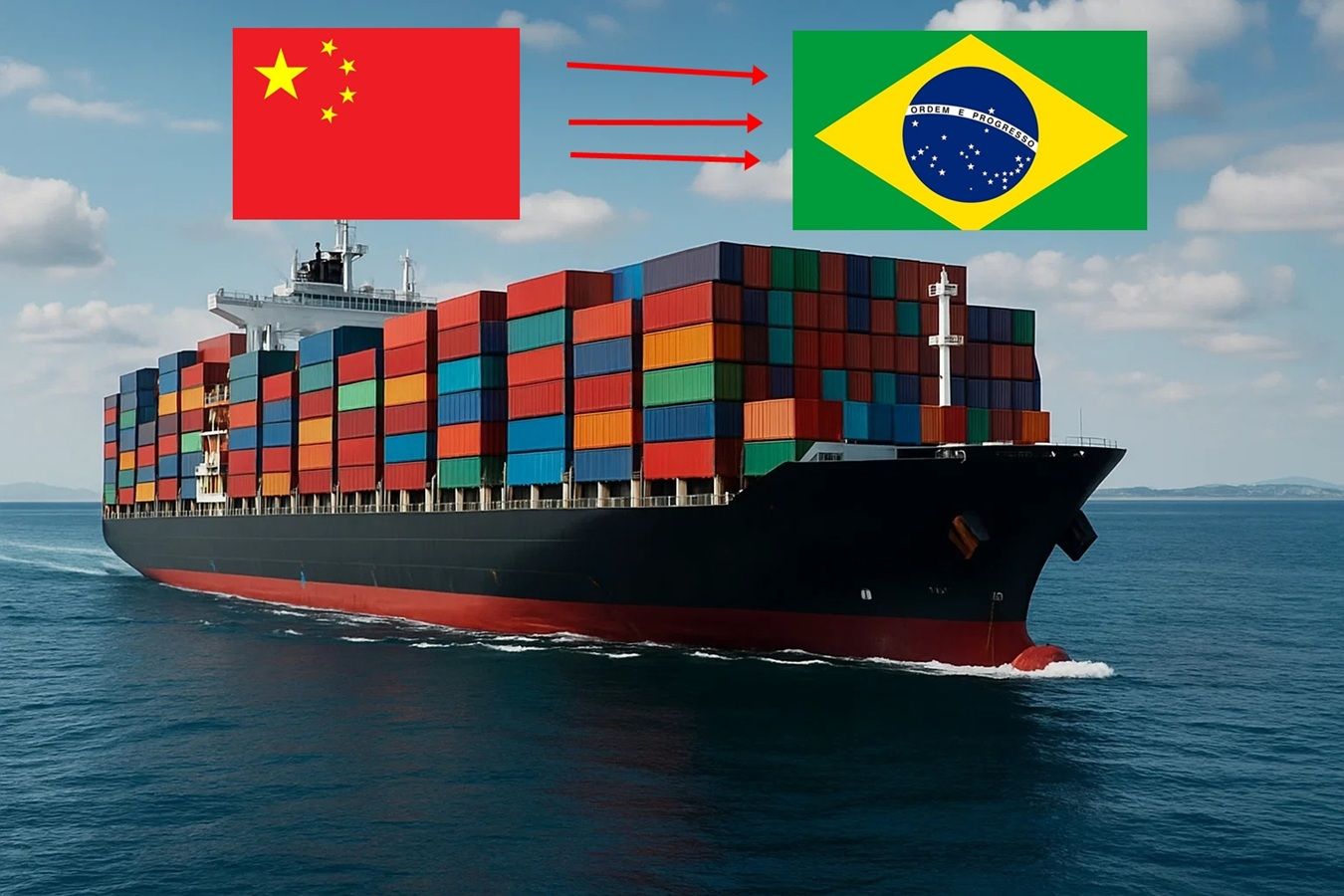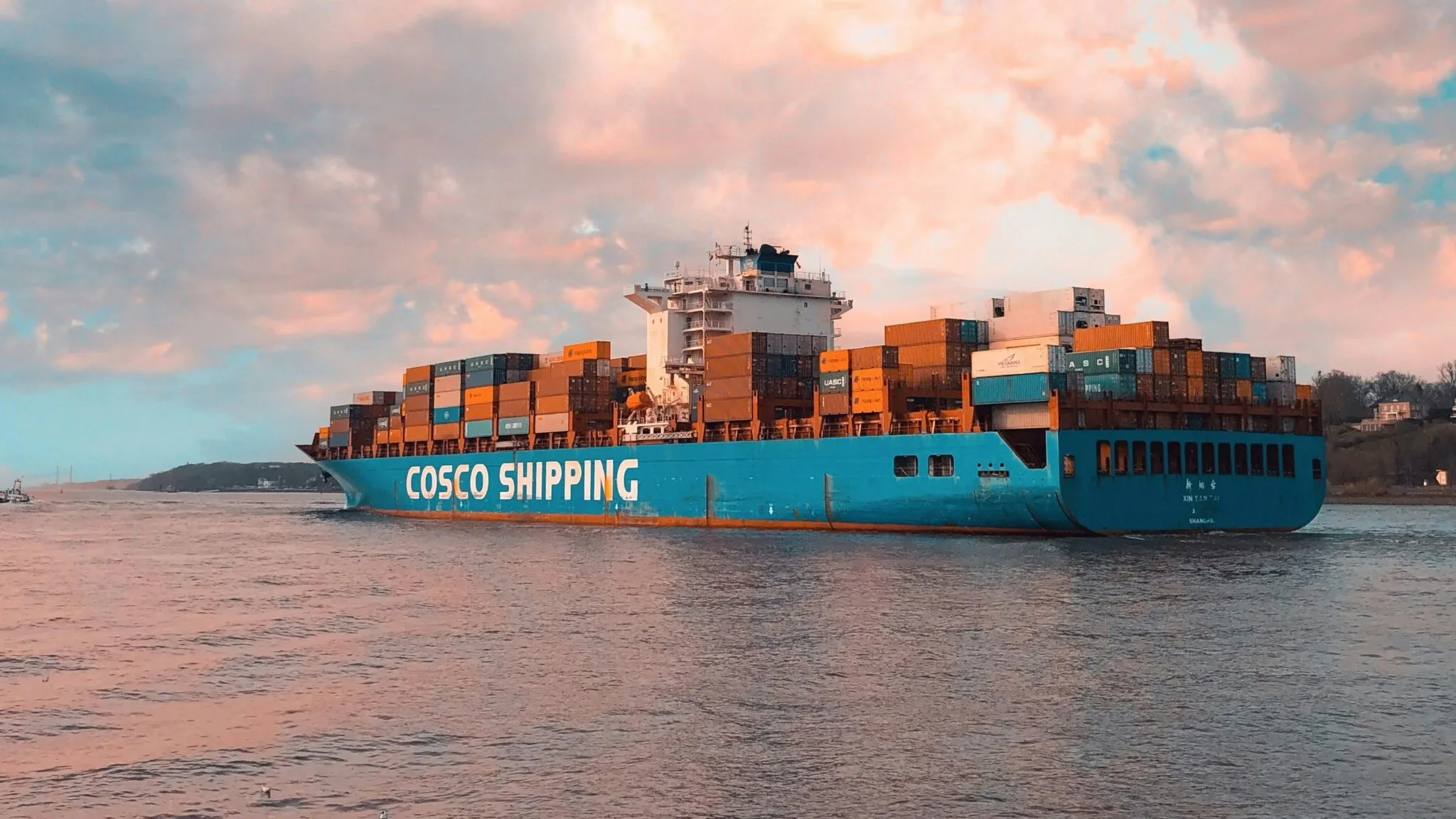
Freight forwarders facilitate the transportation of goods from China to the United States by managing documentation, customs clearance, and shipping arrangements. This enables your business to concentrate on core operations. Additionally, freight forwarders negotiate competitive freight rates, which can lower shipping expenses and enhance operational efficiency.
Freight forwarders also minimize risks and delays, ensuring timely delivery throughout the shipping process. As reliable logistics partners, they help businesses avoid common challenges and ensure cargo arrives safely and according to schedule.
Hongocean ensures that shipments reach their destinations intact and on time. The comprehensive ocean freight services cover major United States ports, such as Los Angeles, New York, and Atlanta, providing reliable and cost-effective solutions for businesses.

Hongocean is one of China’s premier freight forwarders
Hongocean provides logistics, distribution, customs clearance, and warehouse inventory management services from China to the United States. We also offer customized freight solutions tailored to your product shipping needs.
Our extensive global carrier network matches shippers with the most efficient routes and cost-effective rates. This significantly reduces delivery times from China to the United States. By minimizing empty runs and wasted mileage, we optimize transportation to save you time and money.
Freight Forwarding Services to the United States
We provide dependable freight forwarding from China to the United States to support your business. Whether you need to ship pallets or full containers, our team handles every step, from customs assistance to real-time tracking.
We offer affordable shipping through major U.S. ports like Los Angeles, Houston, and Savannah. If you have urgent shipments, we can arrange fast air freight through airports such as Miami, JFK, and Los Angeles.
Our strong network and efficient processes ensure your goods arrive safely, on time, and without hassle.

Selecting the Right U.S. Freight Forwarder
Choosing the right freight forwarder can determine whether goods are transported smoothly and delays are avoided. U.S. importers and exporters should consider the following points when selecting a freight forwarder:
- Experience and Reputation: Select a freight forwarder with a demonstrated history of success, extensive industry experience, and positive client reviews. This approach increases the likelihood of engaging a reliable and professional company.
- Network: A forwarder with a well-established global network of carriers and agents can keep your shipments moving efficiently and help prevent costly delays.
- Services Offered: Find a freight forwarder that offers a complete set of services, like customs clearance, warehousing, and cargo insurance, tailored to fit your shipping needs.
- Communication: Work with a forwarder who communicates clearly, is transparent about processes, and responds promptly. Effective communication helps keep every stage of your shipment running smoothly.
- Technology: Modern freight forwarders use advanced digital tools for real-time cargo tracking and electronic document management, improving both visibility and efficiency throughout the shipping process.
- Cost Transparency: Choose a partner who provides clear, upfront pricing with no hidden fees. Transparent costs help you plan better and build long-term trust.
U.S. Customs Clearance Services
- Pre-Import Consultation: We offer free consultations for new and existing clients to explain import steps, needed documents, and compliance before shipment.
- Nationwide Fast and Accurate Clearance: Our specialists quickly and accurately clear ocean and air shipments at all U.S. ports.
- Customs and OGA Inspection Coordination: If Customs or any agency requires inspection, we notify you and handle arrangements for a smooth process.
- Trucking and Inland Distribution: Our transportation division ensures on-time delivery and constant monitoring to every destination.
- Duty Refund Filing Services: We help claim duty drawback for imports later exported, recovering eligible tariffs and fees.
- Import Troubleshooting: Our experts resolve any import delays or issues, ensuring seamless cargo movement throughout.
Documents Required for U.S. Import Clearance
U.S. Customs and Border Protection (CBP) enforces a rigorous risk assessment system that swiftly flags shipments with incomplete or inconsistent documentation—often resulting in costly delays and disruptions. To secure swift and seamless customs processing, especially at major gateways like Los Angeles, importers must proactively provide the following vital documents:
- Bill of Lading / Air Waybill: Serves as proof of shipment and details transport arrangements.
- Packing List: Lists all items included in the shipment, including weight, dimensions, and packaging details.
- Commercial Invoice: Specifies the value, quantity, and description of the goods being imported.
- Certificate of Origin (COO): Verifies the country where the goods were manufactured or produced.
- Importer Security Filing (ISF): Required for ocean shipments to the U.S., submitted prior to vessel departure.
- Customs Declaration Form: Provides essential details for CBP inspection and duty assessment.
By taking care to provide complete and accurate documentation, importers maximize their chances for expedited clearance and avoid unnecessary delays, inspections, and costly penalties—ensuring smooth entry and protecting their bottom line.
U.S. Customs Clearance Process
Customs clearance lets imported goods enter the U.S. legally. U.S. Customs and Border Protection (CBP) manages this process, checking documentation, assessing duties and taxes, inspecting shipments, and granting release permits.
In general, the customs clearance process involves the following five steps:
Step 1: Prepare Required Documentation
Accurate, complete documentation is key. Main documents include the Bill of Lading, Commercial Invoice, Packing List, and other product-specific paperwork.
Step 2: Classify the Goods
Each product needs correct classification in the Harmonized Tariff Schedule (HTS) to set duties and taxes. This step is complex, but a professional customs agency can help ensure accuracy.
Step 3: Calculate and Pay Duties and Taxes
After classification, calculate and pay duties and taxes. Rates depend on product type, declared value, and origin country.
Step 4: Prepare for Possible Inspection
Not all shipments are inspected, but CBP may examine any cargo. Complete, accurate documentation speeds up inspection if selected.
Step 5: Obtain Customs Clearance
When requirements are met and payments made, CBP grants clearance. Goods can then enter the U.S. and reach their destination.
Most compliant shipments clear customs within 24 to 72 hours. Delays often result from incomplete or wrong documents, so focus on accuracy.