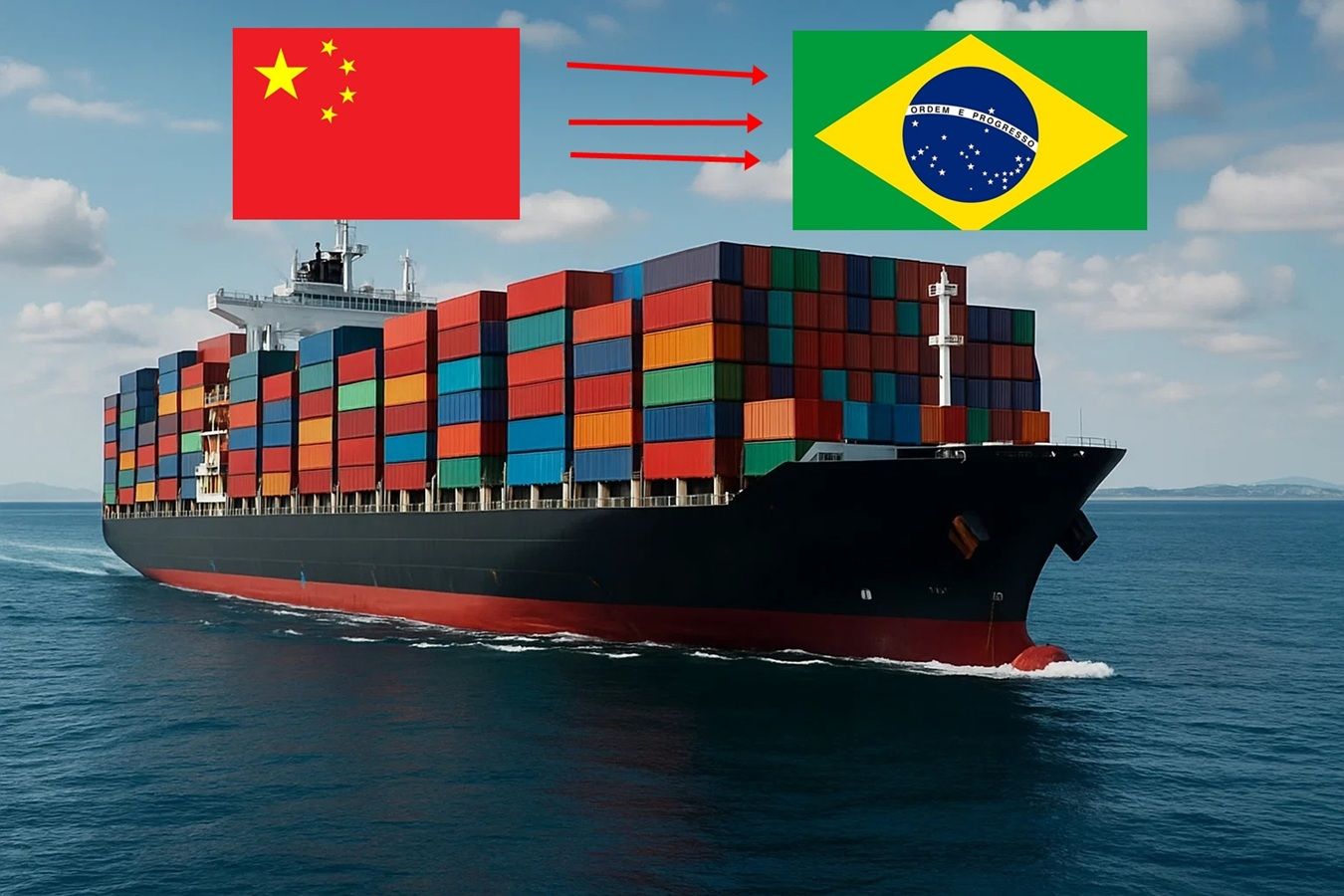
When shipping goods internationally, it is crucial to have the correct documents. If there is any incorrect paperwork, customs can delay your shipment, fine you, or even seize your cargo and return it. To ensure that things proceed smoothly, both exporters and importers must understand the key documents involved. From the Bill of Lading to the Commercial Invoice and Packing List, each document plays a crucial role in checking, tracking, and clearing goods through customs. In this article, we’ll explain the essential shipping documents you need to prepare before your shipment departs.

List of Key Shipping Documents for International Trade
Here is a comprehensive list of the primary shipping documents required for international trade. Each one is explained briefly below:
1. Bill of Lading (B/L): A legal document issued by the carrier to the shipper that serves as a receipt of goods, a contract of carriage, and a document of title. It’s required for cargo release at the destination.
2. Commercial Invoice: A detailed invoice issued by the exporter to the importer, listing the goods being shipped, their value, and terms of sale. It’s used for customs declaration and duty calculation.
3. Packing List: This document provides detailed information about the contents of each package, including dimensions, weight, and item descriptions. It facilitates cargo verification and customs inspections.
4. Certificate of Origin (CO): A document certifying the country in which the goods were manufactured. Some countries require this to determine eligibility for tariffs or trade agreements.
5. Proforma Invoice: A preliminary invoice provided by the exporter before the actual shipment, often used to arrange financing, permits, or to confirm order details with the buyer.
6. Shipper’s Letter of Instruction (SLI): Instructions from the exporter to the freight forwarder or carrier outlining how the shipment should be handled, routed, and documented.
7. Export/Import Licenses: Official documents issued by a government authority that allow the shipment of certain restricted goods and are required only for specific commodities or countries.
8. Insurance Certificate: Proof that cargo insurance has been purchased to cover the goods against loss or damage during transit.
9. Arrival Notice: A notification issued by the carrier or freight forwarder to the consignee, informing them of the cargo’s arrival and instructions for collection.

Different Documents For Ocean, Sea & Air Freight
Different modes of shipping, such as ocean (sea) and air freight, require specific documents due to their unique characteristics and regulatory needs.
Ocean (Sea) Freight Documents:
- Bill of Lading (B/L): Essential for sea freight, it acts as a receipt, contract, and title document.
- Packing List: This document contains complete freight details as mentioned in the commercial invoice, including the method of freight packaging, handling details, and other specifications relating to the shipped goods.
- Commercial Invoice: Contains goods info, value, and terms for customs and tax purposes.
- Certificate of Origin: Required for determining the source of the goods or for trade agreements.
- Insurance Certificate: Provides cargo insurance details.
Air Freight Documents:
- Air Waybill (AWB): Equivalent to the B/L for air freight, serving various purposes.
- Commercial Invoice: As in ocean freight, it lists goods, value, and terms.
- Packing List: Helps with cargo handling and customs.
- Certificate of Origin: This may be required to establish the origin of the goods.
- Insurance Certificate: Offers proof of cargo insurance coverage.
The specific requirements may vary by country and the type of goods being shipped. Compliance ensures smooth shipping.
Importance of Accurate Shipment Documentation
Using accurate freight documentation is vital in ways such as:
- Mitigating Risks: Documentation ensures that shippers, carriers, freight forwarders, and exporters comply with trade regulations and party-to-party agreements. For example, an Original Bill of Lading reduces the risk of disputes or non-payment because the cargo is only released upon fulfillment of all the terms of sale.
- Complying with Trade Laws: Proper documentation ensures shipments comply with domestic, international, and global laws and regulations of the origin and destination countries. Through this compliance, various jurisdictions ensure fair competition and treatment among businesses.
- Making Customs Clearance Smoother and Easier: Export and import customs authorities use various ocean freight documents to verify that your goods are legal and comply with the applicable trade laws. They also use Form 3461 and Form 7501 to review the immediate release of goods or to determine customs duties and taxes, respectively.
- Cost and Time Savings: Accurate information in shipping documents minimizes delays, confiscation of goods, or fines and penalties. These eventualities can be costly in terms of time and money.
- Traceability and Visibility: Certain documents, such as bills of lading, facilitate the tracking of a shipment’s location. Real-time monitoring helps ease the minds of shippers and their customers, leading to a better customer experience and increased satisfaction.

How to properly prepare shipping documents
Let us now turn our attention to preparing shipping documents to facilitate the shipping process.
- Please familiarise yourself with the key documents required. Ensure that you research the specific documents needed for each shipment. It is essential to understand not only the names of the papers but also the issuing party, content, recipient, and purpose. Please ensure that you create a checklist to prevent any documents from being omitted.
- Please take the time to review all the information provided carefully. Please ensure that all details (such as names, addresses, descriptions, and total amounts) are accurate and complete. Please also check for spelling, formatting, and grammatical errors to ensure clarity and avoid any potential confusion.
- Please ensure that you follow standard formats and rules: It is imperative to use universally accepted formats and rules for each document to ensure they are complete, accurate, and compliant with the required regulations.
- Please review and confirm: Before submission, it is essential to thoroughly review each document to ensure its accuracy, completeness, and absence of errors. Please check for any errors, discrepancies, or omissions that could cause issues.
- It is advisable to work with a reputable freight forwarder. A reputable freight forwarder will be able to guide you in preparing the necessary documentation, including that which meets specific requirements and complies with relevant standards. They can also prepare some documents on your behalf, such as import customs declarations.
Bottom Line
Mastering all the necessary shipping documents while ensuring compliance, accuracy, completeness, and timeliness is a complex task.
From importer-issued and freight forwarder-specific documents to carrier-issued and supplier-specific documents, it is imperative to exercise extra vigilance to ensure that no documents or details are overlooked.
It is essential to engage the services of a seasoned freight forwarder to provide comprehensive support throughout the entire document and transportation process, including the submission of documents digitally where applicable.
Should you require assistance with your transportation document management, please do not hesitate to contact Hongocean.