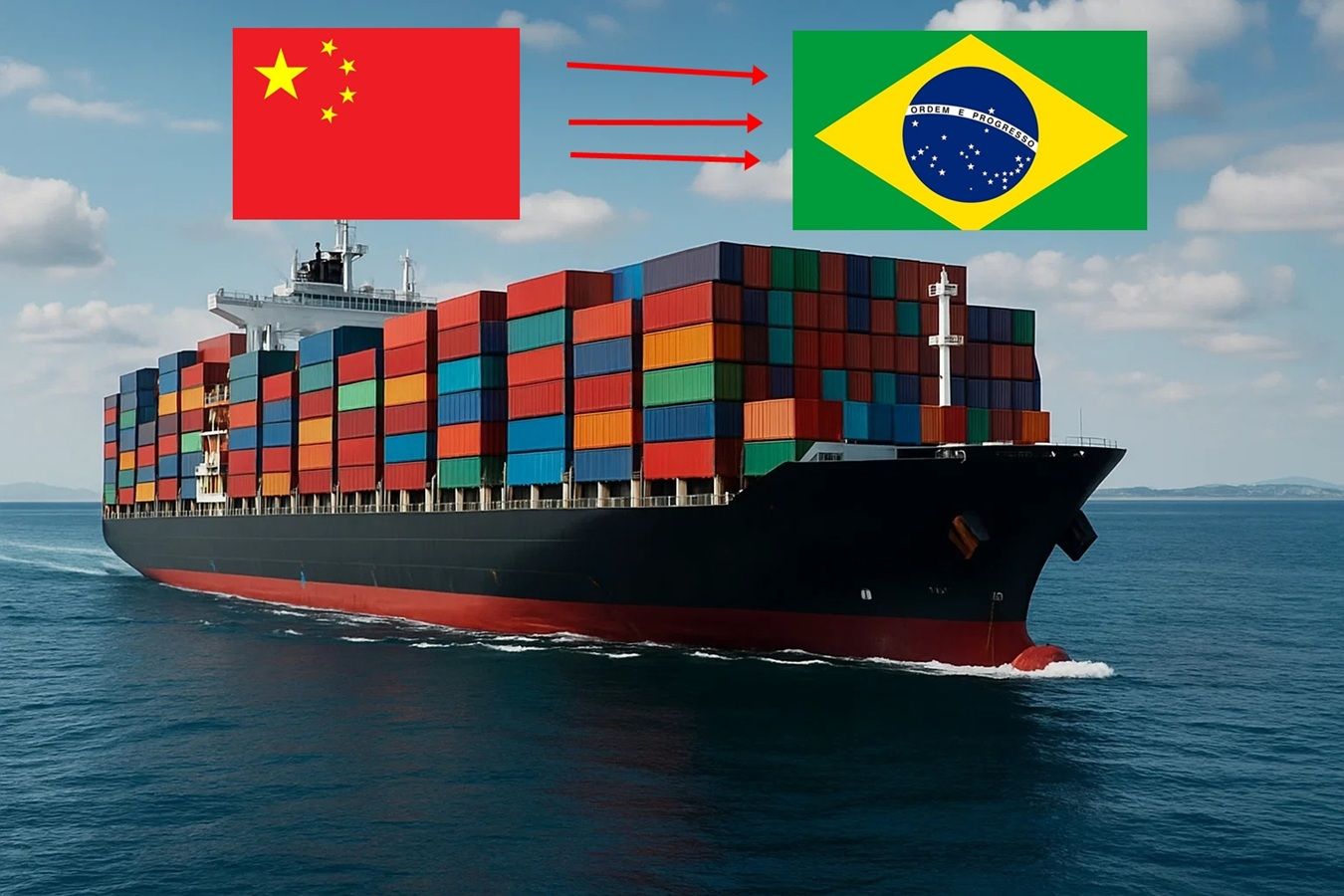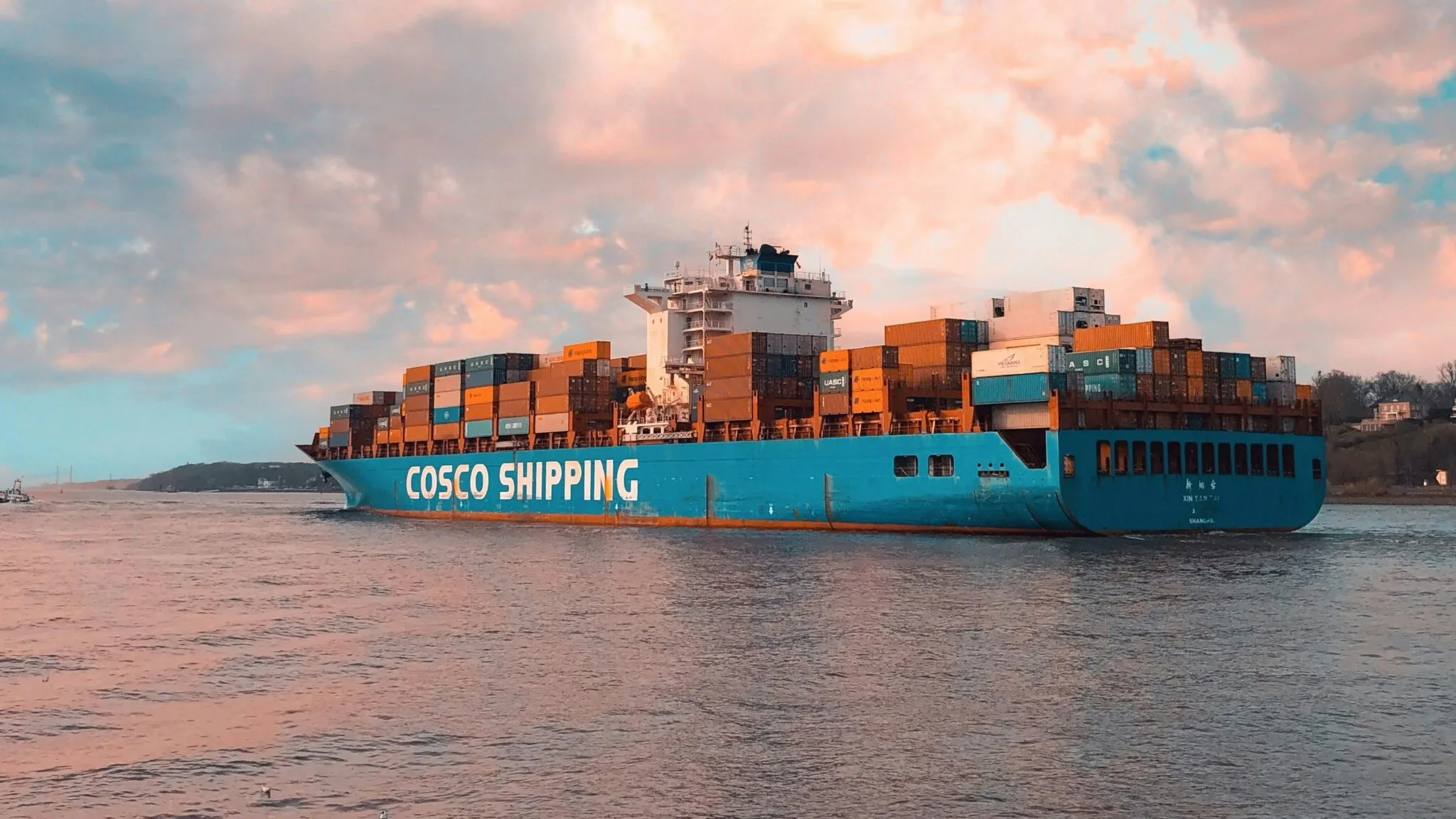
Shipping containers to Mexico is now easier than it has ever been. Hongocean has started a door-to-door freight forwarding service for imports, exports, and shipping between China and Mexico. Customers can now book freight as easily as sending a package overnight with this new door-to-door freight service. They don’t have to worry about pickup, paperwork, or delivery problems. But knowing how much container shipping costs can help you plan ahead, avoid surprise costs, and keep your profits safe.

Our Container Shipping Services to Mexico
Full Container Load (FCL) Shipping
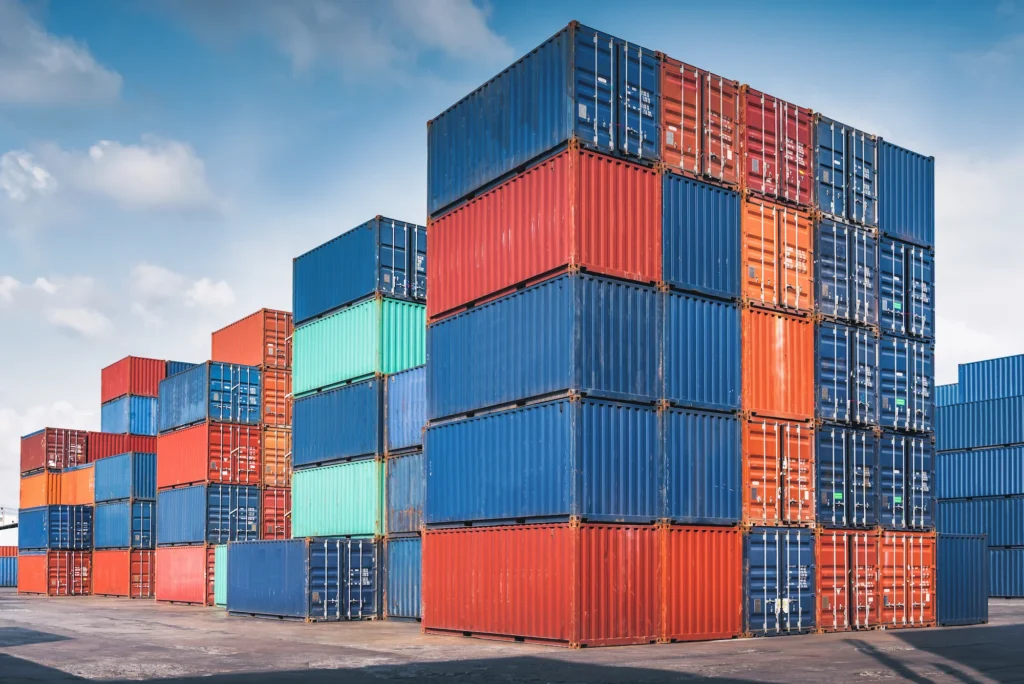
Full container load (FCL) shipping refers to shipping in which goods are placed in a large 20- or 40-foot container and are not shared with other recipients. This option is common for large shipments and requires less handling compared to LCL shipments.
Less-than-Container Load (LCL) Shipping
Less-than-container load (LCL) shipping: Goods belonging to multiple shippers in the same container. Each shipper fills a container and pays only for the space they use. Companies can benefit from the low cost of sea freight without needing large volumes.
door-to-door shipping?
Hongocean offers door-to-door container shipping services. This means we handle the entire process, from picking up your cargo at your warehouse to delivering it to its final destination. We take care of shipping, customs clearance, and managing the relevant documentation.

How much does it cost to ship containers to Mexico
There are many factors that can affect the cost of shipping a container to Mexico. These factors include the size and type of container, the ports of departure and arrival, the shipping route, shipping company fees, fuel costs, additional charges, and any applicable customs duties or fees.
According to accurate estimates, the cost of shipping a standard 20-foot container (TEU) from Asia to Mexico ranges from $1,200 to $2,800. The shipping cost of a 40-foot container (FEU) can range from $2,500 to $5,000. However, it is important to remember that prices may vary depending on market conditions, time of year, and other relevant factors.
To find the logistics solution that best suits your needs, it is recommended that you obtain several quotes from shipping companies and ocean freight companies and compare them. When evaluating shipping costs, it is also recommended that you consider factors such as delivery time, reliability of service, and additional services offered.
Cost of shipping 20ft Container from China to Mexico
| Destination Port | Departure Port | CNTR Size | Port to Port Price |
|---|---|---|---|
| Mexico | Shanghai | 20ft | $880 |
| Mexico | Qingdao | 20ft | $880 |
| Mexico | Shenzhen | 20ft | $1150 |
| Mexico | Tianjin | 20ft | $1150 |
| Mexico | Ningbo | 20ft | $1150 |
| Mexico | Hong Kong | 20ft | $1250 |
| Mexico | Guangzhou | 20ft | $1550 |
Cost of shipping 40ft Container from China to Mexico
| Destination Port | Departure Port | CNTR Size | Port to Port Price |
|---|---|---|---|
| Mexico | Shanghai | 40ft | $2550 |
| Mexico | Qingdao | 40ft | $2550 |
| Mexico | Shenzhen | 40ft | $2850 |
| Mexico | Tianjin | 40ft | $2850 |
| Mexico | Ningbo | 40ft | $2850 |
| Mexico | Hong Kong | 40ft | $2850 |
| Mexico | Guangzhou | 40ft | $2850 |
What factors affect container shipping costs?
There are a few main things that affect the cost of shipping containers:
- Fuel Prices: The cost of fuel can make up as much as 50% of the cost of shipping. Fuel prices that go up and down have a direct effect on freight rates. This is especially true as the industry moves toward greener fuels because of environmental rules.
- Supply and Demand: It’s very important to find a balance between how much shipping capacity is available and how much shipping services are needed. Prices can go up when there is a lot of demand during busy times, but they can go down when there is too much capacity.
- Geopolitical Events: Trade wars, conflicts, and sanctions can make shipping routes less reliable and raise costs. For example, big changes in rates can happen when there are tensions in places like the Middle East or trade fights between big economies.
- Port Congestion: If ports are too busy, shipping times and costs can go up. Investing in port infrastructure and automation is meant to help with these problems.
- Economic Conditions: Changes in the global economy, like inflation and how much people spend, affect the demand for shipping. When the economy grows, shipping costs and volumes usually go up.
- Size and Type of Container: The size and type of container (like standard or refrigerated) also have an effect on costs. Shipping costs are usually higher for larger or more specialized containers.
- Time of Year: Rates can change based on the season, with peak shipping times usually leading to higher costs. Shipping during the holidays or at certain trade shows, for instance, can cost more.
What documents are required for container shipping?
International container shipping generally requires the preparation and submission of several key documents. Each plays a vital role in ensuring smooth customs clearance and on-time delivery:
- Bill of Lading (B/L): Issued by the carrier, this serves as proof of the transportation contract between the shipper and carrier and acts as a document of title for the goods.
- Commercial Invoice: Lists product details such as names, quantities, unit prices, total value, and trade terms; essential for customs valuation and taxation.
- Packing List: Specifies the contents, weight, volume, and package count, helping both customs and warehouses verify and manage cargo.
- Customs Declaration: Provides complete shipment details to the destination country’s customs authority to ensure legal importation.
- Certificate of Origin (if applicable): Confirms the country where the goods were produced, often required for tariff benefits or to meet trade agreement requirements.
- Insurance Certificate (if applicable): Proof of cargo insurance coverage against loss or damage during transit.
Accurate, well-organized, and complete documentation not only helps prevent customs delays and extra charges but also minimizes the risk of shipments being detained or returned.