
Sea freight between China and the USA plays a key role in global trade. Around 90% of the world’s goods are shipped by sea, so ocean shipping is the main choice for large-scale importers. Whether you’re moving electronics, machinery, bulk materials, or consumer products, sea freight is a cost-effective way to move large volumes—something air freight can’t match.
However, picking the right route, container type, and knowing customs rules and shipping times can be harder than it looks. Errors with paperwork, container choice, or timing can cause extra costs, port delays, or missed delivery dates.
This guide covers what importers need to know about sea freight from China to the USA, including costs, transit times, required documents, main shipping routes, and tips for choosing the right logistics partner.
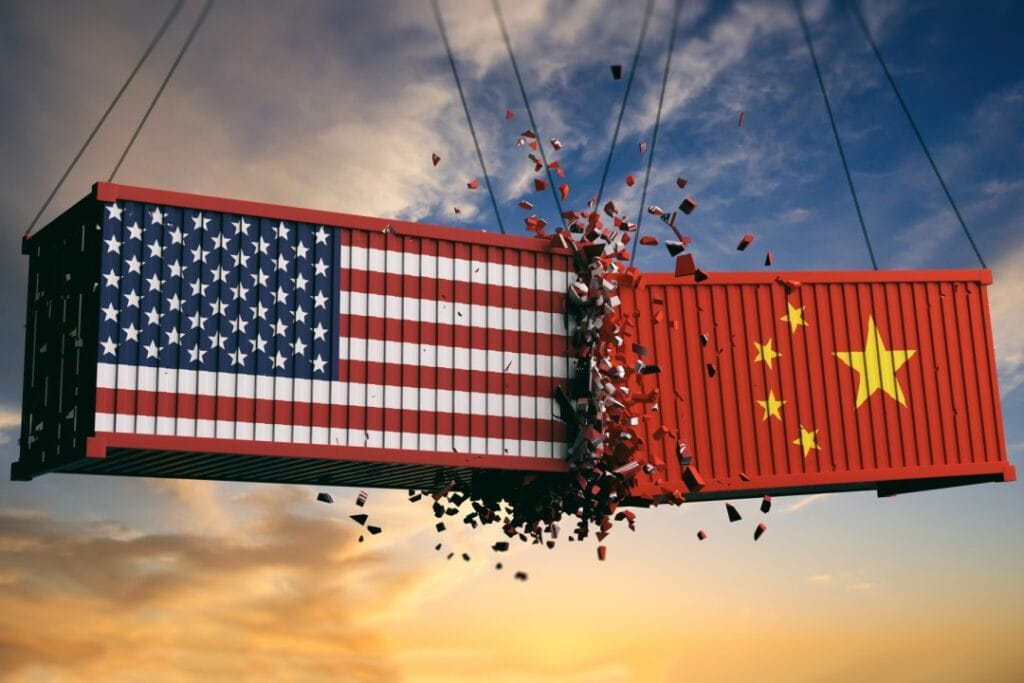
Benefits of Sea Freight from China to the USA
Sea freight is the preferred shipping mode for most China-to-USA importers for good reason. Here’s what makes it the right choice for the majority of B2B and eCommerce shipments:
- Cost-Effectiveness: Sea freight usually costs four to six times less than air freight per kilogram. For large shipments, the savings per item are large and grow as the shipment increases. For most importers with non-urgent goods, ocean freight is the most cost-effective option.
- High Capacity: Ships can carry thousands of containers at once, so sea freight is the best choice for large shipments. Whether you have a single LCL shipment or several FCL containers, space is usually available except during the busiest seasons.
- Lower Carbon Footprint: Sea freight produces much less carbon emissions per item than air freight, making it a better choice for companies focused on being eco-friendly. New ship technology and slower sailing speeds are also helping make ocean shipping greener.
- Flexible Shipping Options: Sea freight suits shipments of all sizes, offering Full Container Load (FCL) for large shipments and Less than Container Load (LCL) for smaller ones. FCL is best if you can fill a container, while LCL lets you share space and pay only for what you use.
- Global Reach: Major Chinese ports such as Shanghai, Shenzhen, Ningbo, Qingdao, and Guangzhou have established routes to key U.S. ports on both coasts. This network provides importers with reliable schedules, multiple carrier options, and consistent access to U.S. markets.
- Reduced Handling Risk: With container sea freight, cargo is handled less during shipping. Unlike air freight, which usually involves several transfers, ocean containers often remain sealed from start to finish, reducing the risk of damage.
- Prereducing Lead Times: Sea freight takes longer than air (usually 14 to 40 days, depending on the route), but the schedules are steady and reliable. For importers who plan ahead, this reliability is actually a benefit, not a problem.
How long does it take to ship something from China to US?
Transit times for sea freight from China to the USA depend on the origin and destination ports, route, and shipping method. The fastest direct routes can deliver in as little as 12 to 15 days, while routes with stops or transfers usually take 25 to 40 days. Including customs clearance and inland delivery, most importers should plan for 30 to 45 days door-to-door.
The following are representative transit times for common China-to-USA lanes (port-to-port):
- Shanghai → Los Angeles (West Coast): 14–18 days.
- Shenzhen → New York (East Coast): 25–30 days
- Ningbo → Houston (Gulf Coast): 30–35 days
Several factors can impact how long it takes for goods to travel from China to the United States, such as:
- Container Type (FCL vs. LCL): FCL shipments move faster because they don’t need to be combined or separated at the start or end. LCL cargo must be grouped with other shipments at a central point, which adds time at both ends of the trip.
- Shipping Lane Disruptions: Events like political problems, bad weather, canal closures, or ship accidents can affect certain shipping routes. For example, problems on routes through the Red Sea or Panama Canal have sometimes added 10 to 18 days to shipments. Watching route conditions is important for managing your shipments.
- Seasonal Demand: The busiest shipping season (July–October) has much higher shipment volumes as importers get ready for Q4 holidays. During this time, ship space is limited, prices rise, and transit times can be longer. Booking early is key to getting space and avoiding delays.
- Port Congestion: During busy times at major U.S. ports, especially Los Angeles and Long Beach, ships may have to wait anchored before docking. This can add days to your transit time and delay customs processing and cargo pickup.
- Routing (Direct vs. Transshipment): Direct sailings are faster and usually more reliable. Transshipment routes, where cargo is moved to another ship at a hub, take longer but can save money on some routes or let you reach ports without direct service.
Sea Freight Costs from China to the US: What to Expect
Sea freight rates from China to the USA change based on market conditions, season, and route. Generally, a 20-foot container costs between $1,360 and $2,550, while a 40-foot container costs between $1,700 and $3,200. All-in rates, which include fuel charges, terminal handling, and paperwork fees, will be higher than the base ocean freight price.
Note: Rates change weekly. Always request current quotes from your freight forwarder rather than relying on static benchmarks.
The following cost drivers should be factored into your landed cost calculations:
- Shipping Method (FCL vs. LCL): FCL usually costs less per item for large shipments. LCL is cheaper for smaller loads but has extra fees for combining and handling cargo.
- Destination port: Prices can vary significantly depending on whether you’re shipping to the East or West Coast.
- Season: Rates typically increase during peak seasons, especially around major holidays.
- Additional fees: There may be extra charges, such as the Bunker Adjustment Factor, terminal fees, and others.
What are the things to consider for Sea Freight?
- Choose the Right Freight Forwarder: Your freight forwarder is the most important part of your shipping process. A reliable partner will handle carrier deals, customs rules, paperwork, and solve problems.
- Declare Goods Accurately: Incorrectly declared cargo, whether in value, quantity, or type, is a main cause of customs holds, seizures, and fines. Make sure your Commercial Invoice, Packing List, and HTS codes are correct before loading your shipment.
- Secure Cargo Insurance: Standard carrier responsibility is limited and usually does not cover the full value of your shipment if it is lost or damaged. Special cargo insurance gives you full coverage and is strongly recommended for all commercial sea freight, especially for valuable or fragile goods.
- Ship Outside Peak Season When Possible: Shipping between November and March usually means lower rates and better container availability. If you can, plan your orders to avoid the July-to-October peak season. This can help you save on freight costs over the year.
Sea Freight: Full Container Load (FCL) or Less than Container Load (LCL)?
Full Container Load (FCL)
Full Container Load (FCL) is the best choice when your shipment is large enough to fill or nearly fill a standard container (usually 15 tons or more, or 25 CBM or more). With FCL, you use the whole container, so your goods are not mixed with others. This lowers the risk of damage or contamination, speeds up shipping since there are no combining delays, and usually gives you a lower cost per item. Standard containers are 20ft (about 25–28 CBM) and 40ft (about 55–58 CBM).
Less than Container Load (LCL)
LCL is the best choice when your shipment is less than a full container, usually 1 to 15 tons or under 15 CBM. Your cargo is combined with other shippers’ goods at a freight station, and you pay only for the space you use. LCL is cheaper for small loads, but combining and separating shipments adds time at both ends, and there is a bit more handling. Be sure to budget for extra LCL fees beyond the base CBM rate.
What documents do you need for sea freight from China to the United States?
Proper paperwork is essential to clear U.S. Customs without delays or fines. Missing or incorrect documents often lead to shipment holds and additional costs. The following papers are needed for most sea shipments from China to the USA:
- Commercial Invoice: The primary document for customs valuation. Must include accurate product descriptions, HTS codes, quantities, unit values, total value, country of origin, and complete contact details for both buyer and seller. Must be in English for U.S. Customs processing.
- Packing List: A detailed itemization of all goods in the shipment, including dimensions, gross and net weights, number of packages, and package types. Must align precisely with the Commercial Invoice — discrepancies between the two documents are a common trigger for customs examination.
- Bill of Lading (B/L): The foundational shipping document that serves as a contract of carriage, a receipt for goods, and (in the case of a negotiable B/L) a document of title. It specifies the shipper, consignee, port of loading, port of discharge, cargo description, and applicable Incoterms. The original B/L is required to take possession of the cargo at the destination ports.
- Entry Summary (CBP Form 3461): Required by U.S. Customs and Border Protection for formal entry of commercial shipments. Includes shipment details, declared value, country of origin, and applicable HTS classifications. Typically prepared and filed by your customs broker.igin.
- Certificate of Origin: This shows where your goods were made and can affect the taxes you owe.
- Import Licenses: Certain products, such as food and medicine, require special import licenses.
- Product-Specific Certificates: Depending on the type of product you’re shipping, you may need additional certificates, such as FDA forms for food or USDA certificates for agricultural products.
- Importer Security Filing (ISF): Required by U.S. CBP and must be sent at least 24 hours before cargo is loaded onto the ship in China. Late or missing ISF filings can lead to fines up to $5,000 per violation. Your freight forwarder or customs broker should file this for you as part of their service.
- Dangerous Goods Documentation: If you’re shipping any hazardous materials, you’ll need additional paperwork to comply with safety regulations.
Making sure all your documents are complete and correct before loading your cargo is the best way to avoid customs delays. A good freight forwarder will check your paperwork, file the ISF for you, and work with your customs broker to ensure smooth entry. Don’t wait until the ship leaves to fix missing documents.
What are the shipping routes from China to the United States?
- Eastern China (Shanghai, Ningbo, Qingdao) → U.S. West Coast (Los Angeles, Long Beach, Oakland): The highest-volume transpacific lane. Shortest transit times to the U.S. mainland, with the most carrier options and sailing frequencies.
- Southern China (Shenzhen, Guangzhou, Xiamen) → U.S. East Coast (New York, Savannah, Miami): Typically routed via the Panama Canal. Longer transit times (25–35 days), but advantageous for importers distributing to the Eastern U.S. or Southeast.
- Northern China (Tianjin, Dalian) → U.S. Gulf Coast / Pacific Northwest (Houston, Seattle): Less common lanes with fewer direct services. Transit times vary; transshipment via a hub port is often required. Best suited for importers with specific regional distribution needs.
Common Reasons for Shipping Delays
- Port Congestion: During busy seasons or after major problems, ports like Los Angeles and Long Beach can experience significant backlogs. Ships may wait days anchored before docking, which adds unexpected time to your delivery. It’s important to watch port conditions and add extra time to your supply chain schedule.
- Weather Events: Typhoons in the South China Sea (most common July–October), Pacific storms, and bad weather at U.S. ports can force ships to change course or cause temporary port closures. These events are unpredictable but can be managed with enough lead time and cargo insurance.
- Customs Examinations: U.S. CBP selects shipments for inspection based on risk, random selection, or document issues. A Tailgate Exam or Intensive Exam can add 3–10+ business days to your clearance time and may have extra fees. Correct documents and a good import record lower your chance of inspection.
- Blank Sailings and Schedule Changes: Carriers sometimes cancel sailings, called blank sailings, to manage space, especially around the Chinese New Year or slow times. These cancellations can move your cargo to the next ship, adding one or two weeks to your schedule. A freight forwarder with good carrier contacts can help you find space on other sailings.
How can I find the best sea freight service from China to the US?
Begin by considering your shipping requirements.
- Consider the weight, volume, and type of goods you’re shipping, as these factors will help you choose the most suitable shipping method.
- If you’re shipping between 1 and 15 tons, LCL (Less Than Container Load) may be the best option for you. For shipments exceeding 15 tons, FCL (Full Container Load) is typically the preferred option.
- Keep in mind that special items, such as hazardous materials, may require unique transportation methods.
End-to-end solution
- Look for a carrier that offers the type of delivery you need—whether that’s port-to-port, port-to-door, or door-to-door.
Compare rates
- Request quotes from several carriers to compare your options and find the best deal.
- Check customer reviews to ensure the carrier is reliable and has a good reputation.
Check customer support
- See how easy it is to get in touch with the carrier and how helpful their customer support team is.
Extensive network coverage
- Ensure your carrier has sufficient containers available at key Chinese ports and can efficiently handle customs clearance at US ports.
Transparent invoices
- Choose a carrier that’s upfront about pricing, so you don’t run into any surprise fees and can budget confidently.
Sufficient insurance coverage
- It’s a good idea to pick a carrier that offers comprehensive insurance to protect your goods during transit.

