As the world becomes more connected, more and more trade is happening between different countries. In 2025, much of the world’s trade will still be between China and the United States. If you want to send goods from China to the United States, you must understand how it works. This article will give you all the information you need about sending goods from China to the United States, including how much it costs, the rules, and how to clear your goods through customs.
Why Choose to Ship from China to the United States?
China is renowned for its robust manufacturing base, efficient export systems, and low production costs, which have enabled it to become a leading exporter worldwide. The United States, meanwhile, is a large and stable market with steady demand for many Chinese products. If you run an e-commerce business, own a brand, or work in traditional trade, shipping from China to the U.S. can help you improve your supply chain and grow your business internationally.
China has several major export hubs, including Shenzhen, Guangzhou, Shanghai, and Yiwu. These cities have modern ports, airports, and transportation networks. They offer various shipping options, including air freight, sea freight, express delivery, and small parcel services. This range of choices lets businesses pick the most affordable and efficient solution for their needs. Shipping from China to the U.S. is more than just moving goods; it can help lower costs, speed up delivery, and make your business more competitive.
What are the shipping methods from China to the US?
There are several main modes of shipping from China to the United States, each suited to different types of goods, budgets, and delivery time requirements:
International Express
If you have small, high-value, or time-sensitive shipments, international express couriers are an ideal choice. Major carriers, including DHL, FedEx, UPS, and TNT, offer you fast and reliable door-to-door delivery, typically within 2 to 7 days to most U.S. locations. While express couriers are the most convenient option for your needs, they also come at a higher cost.
Air Freight
In contrast to express courier services, air freight is best suited for medium-sized shipments that need to arrive quickly but don’t require the same speed of delivery. Air freight is generally more affordable than express shipping, with transit times around 5 to 10 days. It typically operates on an airport-to-airport basis, so businesses will need a freight forwarder to handle pickup, customs clearance, and final delivery.
Ocean Freight
For larger or less urgent shipments, ocean freight is the most widely used and cost-effective method for shipping from China to the U.S. It comes in two main forms: Full Container Load (FCL), where one shipper uses the entire container—ideal for bulk shipments; and Less than Container Load (LCL), where multiple shippers share space in a single container—suitable for smaller volumes. Depending on the origin and destination ports, transit times typically range from 20 to 40 days. While slower than air options, ocean freight offers the most competitive pricing, making it the preferred choice for many businesses looking to reduce shipping costs.
Multimodal Transport
Alternatively, multimodal transport combines two or more transportation methods (e.g., sea freight + trucking, or air freight + express courier) to deliver goods more efficiently while managing costs. It’s often used for shipments that require faster delivery than sea freight but at a lower cost than express services.
Air Freight: The Fastest Way to Ship from China to the United States
Air freight is a quick and efficient way to ship goods from China to the U.S. It’s ideal for time-sensitive, smaller shipments. Transit times usually range from 5 to 10 days, depending on departure city, destination, route, and customs clearance.
While air freight costs more than ocean shipping, it significantly reduces transit times and is ideal for products such as electronics, fashion apparel, and medical equipment that require rapid delivery. Major Chinese airports, including Beijing Capital, Shanghai Pudong, Guangzhou Baiyun, and Shenzhen Bao’an, offer direct flights to key U.S. cities such as Los Angeles, New York, Chicago, and San Francisco, ensuring quick and reliable transportation.
Most air freight shipments are handled by professional freight forwarders who provide door-to-door service, including pickup, customs clearance, and final delivery. For businesses that need to replenish their inventory urgently or meet sudden market demand, air freight is a vital solution for maintaining a stable and responsive supply chain.
Sea freight: a cost-effective option for shipping from China to the United States
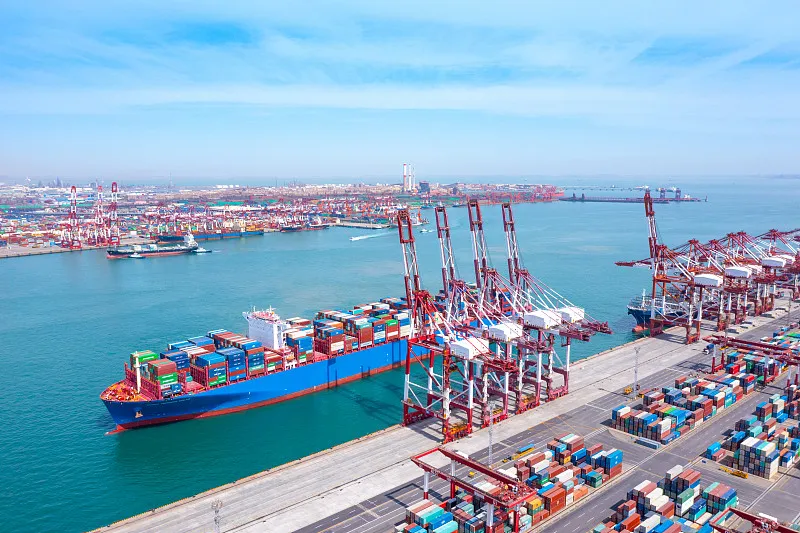
Sea freight is the most economical method for shipping goods from China to the United States, particularly for large quantities and heavy cargo. Compared to air freight and express delivery, sea freight costs significantly less. Although shipping times are typically 20 to 40 days, which is longer, it is a very cost-effective option for goods that are not time-sensitive.
There are two main types of sea freight: full container load (FCL) and less-than-container-load (LCL). FCL works best for large shipments, providing steady transit times and added security. LCL is a good choice for smaller loads, as it combines goods from different customers in one container to save money, though it can take a bit longer. Major Chinese ports, including Shanghai, Shenzhen, Ningbo, and Guangzhou, offer reliable sea freight services and direct routes to US cities such as Los Angeles, New York, and Long Beach, ensuring shipments arrive safely and efficiently.
Sea freight is a practical choice not only for manufacturers and wholesalers but also for cross-border e-commerce businesses and retailers seeking to reduce logistics costs. By planning shipping times and routes carefully, companies can maximize the benefits of sea freight and enhance their competitiveness in the US-China trade.
Popular Shipping Routes and Transit Hubs Between China and the United States
China and the U.S. are connected by a robust logistics network anchored by major ports and airports. Key export cities—Shanghai, Shenzhen, Guangzhou, Ningbo, and Yiwu—are prominent manufacturing centers with sophisticated port and air cargo facilities, providing fast access to global shipping channels.
For ocean freight, Shanghai and Shenzhen serve as China’s leading container export ports for U.S. trade, offering direct shipping lanes to major U.S. ports, including Los Angeles, Long Beach, New York, and Savannah. For air cargo, Beijing Capital, Shanghai Pudong, and Guangzhou Baiyun airports operate multiple nonstop flights to key U.S. cities, enabling fast and reliable delivery.
Additionally, Hong Kong functions as a crucial transshipment hub, utilizing its free port designation and advanced logistics systems to efficiently connect mainland China with the United States. Regional gateway hubs, such as Incheon (South Korea) and Kaohsiung (Taiwan), also accommodate select routes, thereby enhancing flexibility and reducing transit durations.
By leveraging these established routes and transit hubs, shippers can tailor their logistics strategies to meet cargo specifications and delivery deadlines, thereby maximizing both cost efficiency and speed for streamlined supply chains between China and the U.S.
How long does it take to ship from China to the United States?
Shipping times from China to the United States depend on the chosen transportation method, route, and other external factors. Here’s a general overview:
- Express delivery usually takes 2-7 days and is suitable for small, urgent shipments.
- Air freight typically takes 5-10 days and is suitable for small to medium-sized batches of goods.
- Sea freight is slower, typically taking 20-40 days, and is suitable for bulk cargo shipments.
Main Factors Affecting Transportation Time
- Transportation Mode: Express delivery is the fastest option, while sea freight typically takes the longest.
- Origin and Destination: Transit times vary significantly depending on the cities and ports involved.
- Customs Clearance Efficiency: The completeness and accuracy of customs documentation, along with the speed of customs processing, directly impact overall delivery times.
- Seasonal Factors: Holidays and severe weather, like typhoons or heavy snowfall, can cause delays.
- Peak Shipping Periods: Busy times, such as Double 11 and the Christmas season, often result in congestion and slower transit.
- Transit Operations: The efficiency and wait times at transit hubs significantly impact the total transit time.
- Unexpected Delays: Uncontrollable factors such as pandemic-related restrictions, port strikes, or changes in policies may lead to additional delays.
What is the shipping cost from China to the United States?
Shipping costs from China to the United States can vary significantly depending on the shipping method, the item being sent, its size and weight, and the chosen services. Here are some typical price ranges for common shipping methods:
| Shipping Mode | Cost Range (August 2025) | Notes |
|---|---|---|
| Air Freight (1000+ kgs) | $4.50/kg (LAX), $5.60/kg (JFK), $5.50/kg (MIA) | 4–5 days transit; significant drop from July; best for urgent or high-value cargo |
| LCL | N/A | No available data for August 2025 |
| FCL (20-foot container) | $1,880 (LA/LB) to $2,650 (NY/Savannah/Norfolk) | 23–30 days transit; costs reach yearly low, favoring medium-volume importers |
| FCL (40-foot container) | $2,350 (LA/LB) to $3,150 (NY/Savannah/Norfolk) | 23–30 days transit; lowest rates in 2025 for large-volume shippers |
How to Get an Accurate Shipping Quote
To ensure you receive an accurate and transparent shipping quote, follow these key steps:
- Provide Detailed Cargo Information: Include specifics such as the product name, quantity, packaging type, dimensions, weight, origin, and destination. The more precise the details, the more accurate the quote will be.
- Choose Your Shipping Method: Clearly indicate whether you’re using express delivery, air freight, ocean freight, or multimodal transport.
- Work with a Professional Freight Forwarder: A reliable logistics provider, such as Hongocean, can offer real-time quotes and help you compare different transportation options tailored to your specific needs.
- Clarify Cost Inclusions (DDP vs. DDU): Confirm whether the quote includes duties, customs clearance, and final delivery. This helps avoid unexpected charges later.
- Compare Service Details: Don’t Just Focus on Price. Check transit times, insurance and compensation policies, and additional services such as warehousing, palletizing, or labeling.
By preparing the right information and asking the right questions, you can streamline the quoting process and select the most suitable logistics solution for your business.
Customs Clearance Guide and Essential Documents for Shipping from China to the Usa
Clearing your shipment through U.S. customs from China is crucial to ensuring it arrives on time. U.S. Customs and Border Protection thoroughly inspects all imported goods. If paperwork is missing or the information is incorrect, your shipment may be delayed, fined, or even held. To avoid these problems, exporters and importers must understand the customs process and ensure that all documents are accurate and complete.
What Documents Are Needed to Ship from China to the U.S.?
| Document Name | Description |
|---|---|
| Commercial Invoice | Lists product names, quantities, unit prices, total amount, HS codes, Incoterms, etc. It is the core document used to calculate duties. |
| Packing List | Provides detailed information on the packaging, dimensions, weight, and number of items in each package for inspection and sorting. |
| Bill of Lading (B/L) or Air Waybill (AWB) | B/L for ocean freight, AWB for air freight; serves as the transportation contract and proof of ownership for cargo pickup. |
| Certificate of Origin | Required in some cases to qualify for tariff exemptions or under specific trade agreements. |
| Importer Tax ID (EIN or IRS Number) | A valid U.S. Employer Identification Number (EIN) or Social Security Number (SSN) is needed by the importer for customs clearance. |
| Entry Summary (CBP Form 7501) | A formal declaration submitted to U.S. Customs by the importer or customs broker for duty assessment. |
| Other Compliance Documents | Depending on the product type, certifications or approvals from U.S. agencies such as FDA, FCC, EPA, or CPSC may be required. |
How to Choose a Reliable Freight Forwarder from China to the United States
Choosing a reliable and experienced freight forwarder is essential for a smooth, cost-effective, and low-risk shipping process between China and the U.S. Beyond offering competitive rates, a professional freight forwarder manages complex tasks such as customs clearance, transshipment, documentation, and final delivery. The right partner helps you avoid costly delays and operational errors.
When choosing a freight forwarder for China–U.S. shipments, consider the following key factors:
1. Company Qualifications and Industry Experience
Choose a freight forwarder with years of experience in international shipping, proper business licenses, and key customs clearance qualifications like NVOCC certification. Experienced companies are better equipped to handle emergencies and keep your shipments on track.
2. Comprehensive Service Scope
Work with a freight forwarder that covers all your needs, from sea and air freight to express delivery and dedicated lines. Make sure they also handle customs clearance, warehousing, palletizing, labeling, and delivery. Check if they offer DDP or DDU options so you can pick the best shipping solution for your business.
3. Transparent and reasonable pricing
Be cautious of agents who initially offer low prices but later add hidden fees. Trustworthy freight forwarders will clearly disclose all costs upfront, including transport, port, customs, delivery, and taxes, so you won’t encounter any surprises.
4. Communication Efficiency and Professional Response
A good agent will respond to your questions within 24 hours and provide helpful advice. It’s a plus if they can communicate clearly in English or both English and Chinese, which is important for international shipping.
5. Real-Time Logistics Tracking
Your freight forwarder should provide you with the ability to track your shipments online or send you regular updates. This way, you always know where your cargo is and stay in control of your shipments.
6. Customer Reviews and Reputation
Check customer reviews and case studies on Google, YouTube, or other third-party platforms to assess the company’s reliability and the quality of service they provide.
7. Familiarity with U.S. Customs Clearance Policies
Trade rules and customs requirements between China and the U.S. can change often. The right freight forwarder will help you prepare the correct documents and guide you through compliance with U.S. Customs, FDA, CPSC, and other relevant agencies.
How to Cut Your Shipping Costs from China to the USA
Transportation costs often make up a significant portion of overall expenses in China–U.S. trade. By optimizing your logistics strategy, you can not only save money but also improve supply chain efficiency. Here are some practical tips to help reduce costs:
- Choose the Right Shipping Method: Select express delivery, air freight, or sea freight based on your cargo’s weight, volume, and urgency. For large shipments, sea freight is typically the most cost-effective option. For lighter, time-sensitive goods, air freight or express delivery is a sensible option. Avoid choosing faster options blindly, as this can significantly increase costs.
- Plan Delivery Timing Wisely: Avoid shipping during peak logistics periods and around major holidays to minimize congestion, avoid extra fees, and reduce delays. Planning shipments during off-peak times can also help you take advantage of lower freight rates.
- Consolidate Shipments: Whenever possible, combine multiple small orders into larger shipments using Full Container Load (FCL) or dedicated services. This approach reduces the extra fees often associated with Less than Container Load (LCL) shipments.
- Optimize Packaging and Pallet Use: Design packaging and stacking methods to maximize container space, minimize unused volume, and reduce volume-based charges.
- Work with Experienced Freight Forwarders: Professional agents offer competitive rates and help avoid hidden costs. They also streamline customs clearance, shorten transit times, and reduce overall shipping risks.
- Stay Updated on Tariffs and Tax Policies: Keep informed about U.S.–China trade agreements and tariff exemptions. Accurate product classification and declaration can help avoid unnecessary duties.
By applying these strategies, you can significantly cut transportation costs, boost your supply chain’s competitiveness, and increase your profit margins.