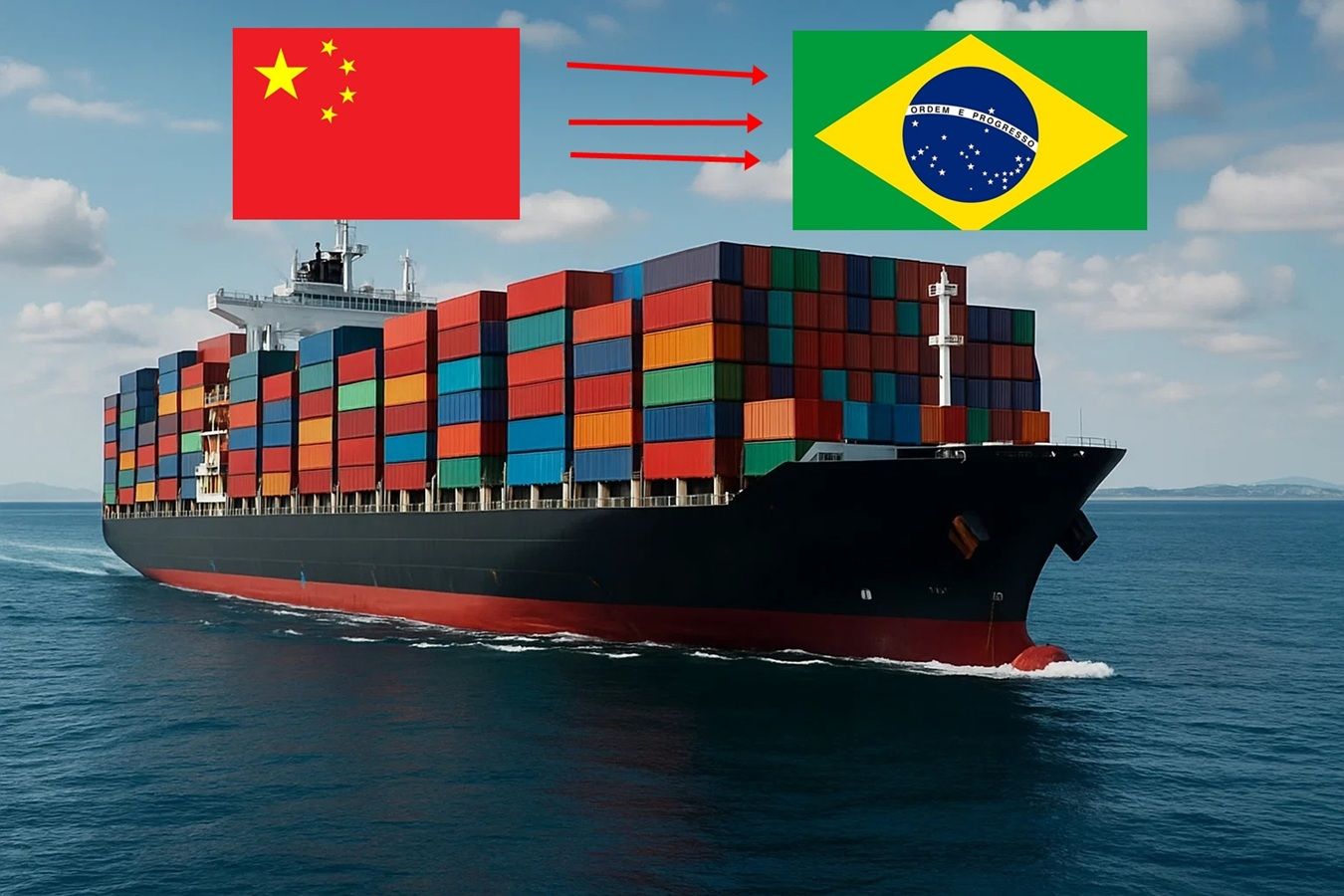

The importance of shipping goods from China to Nigeria has grown as trade between Asia and West Africa has continued to expand. Importers, wholesalers, retailers, manufacturers, and e-commerce companies in Nigeria regularly obtain electronics, machinery, textiles, furniture, auto parts, consumer goods, and other products from China.
If you’re importing from China to Nigeria, it’s important to choose the right shipping method. This will help you control transport costs, avoid delays, and prevent any customs issues.
The most common ways to ship things are by air, sea, or using a combination of these methods. The best choice depends on how much cargo there is, what the product is, how urgent the delivery is, where it’s going, and the budget.
Best Shipping Methods from China to Nigeria
The best shipping method depends on the size, value, and delivery requirements of the cargo.
| Shipping Method | Transit Time | Cost Level | Best For |
|---|---|---|---|
| Air Freight | 6–10 Days | High | Urgent and high-value cargo |
| Sea Freight FCL | 30–40 Days | Low | Full container shipments |
| Sea Freight LCL | 40–55 Days | Low–Medium | Smaller commercial cargo |
| Truck + Multimodal | Varies | Medium | Inland pickup and final delivery |
| Express Courier | 3–7 Days | Very High | Samples and small parcels |
The best shipping solution depends on:
- Cargo volume and weight
- Delivery urgency
- Product value
- Cargo type and restrictions
- Customs requirements
- Final destination in Nigeria
- Total landed cost
For large and heavy consignments, sea freight is usually the most cost-effective method, whereas air freight is better suited to time-sensitive or high-value items. Express shipping is primarily used for small parcels and samples.
Air Freight from China to Nigeria
The fastest way to ship commercial cargo from China to Nigeria is by air freight.
The typical transit time by air is about 6 to 10 days, but in good conditions, certain services can reach Lagos in around 3 days. If you want to send something to another city in Nigeria, it will take a few extra days after it arrives in Lagos.
Air freight is ideal for:
- Electronics
- Mobile phones and laptops
- Garment accessories
- Medical products
- High-value goods
- Urgent factory components
- E-commerce inventory
- Small commercial shipments
- Time-sensitive replacement parts
For large air shipments, rates are based on either the actual weight or the volume of the shipment. One source estimates the approximate rate at about $6 per kilogram for shipments of 1,000 kilograms or more. Smaller shipments may incur considerably higher per-kilogram charges.
Air Freight Transit Time from China to Nigeria
| Route | Typical Transit Time |
|---|---|
| China to Lagos | 3–10 Days |
| China to Abuja | 5–12 Days |
| China to Port Harcourt | 5–12 Days |
| China to Other Nigerian Cities | 6–14 Days |
The actual delivery time can vary depending on the airline’s schedule, how the cargo is handled, customs clearance, the flight’s capacity, and if it is a weekend or holiday. The final delivery address also matters.
Air freight is more expensive than sea freight, but it takes less time. This makes it a better choice for expensive goods because inventory delays can hurt sales.
Sea Freight from China to Nigeria
Sea freight is the most frequently used method for sending large-volume shipments from China to Nigeria since it has a lower transportation cost.
It is suitable for:
- Machinery
- Furniture
- Household goods
- Construction materials
- Auto parts
- Industrial equipment
- Large retail shipments
- Heavy cargo
Importers have the option of choosing FCL (Full Container Load) or LCL (Less than Container Load).
FCL vs LCL Shipping to Nigeria
| Shipping Type | Best For |
|---|---|
| FCL | Full 20ft or 40ft container shipments |
| LCL | Smaller shipments that do not fill a container |
FCL Advantages
- Better cost efficiency for large cargo
- Less cargo handling
- Better cargo security
- More predictable loading arrangements
- Suitable for heavy and bulky products
LCL Advantages
- Suitable for smaller cargo volumes
- Lower upfront transportation cost
- Flexible shipment size
- No need to wait until a full container is available
Main Seaports in Nigeria
Lagos is the main destination for containerized cargo from China. The major port facilities that handle international container traffic are Apapa Port, Tin Can Island Port, and Lekki Deep Sea Port.
The type of cargo, shipping service, and final destination determine which port is used. Alternative ports in Nigeria may be used, such as those in the Port Harcourt area.
Most container shipments between China and Nigeria go through Lagos because it is the country’s main commercial and logistics center.
Sea Freight Transit Time from China to Nigeria
| Shipping Type | Typical Transit Time |
|---|---|
| FCL | 30–40 Days |
| LCL | 40–55 Days |
| Some Longer LCL Routes | Up to 50–60 Days |
Sea freight shipments between China and Nigeria take about 30 to 55 days. Freight for full containers (FCL) is quicker than that for less than a container load (LCL). This is because LCL cargo involves extra steps, such as consolidation and deconsolidation.
Transit time may vary because of:
- Vessel schedules
- Transshipment
- Port congestion
- Customs clearance
- Peak-season demand
- Documentation problems
- Weather and operational disruptions
Sea Freight vs Air Freight to Nigeria
| Factor | Sea Freight | Air Freight |
|---|---|---|
| Cost | Lower | Higher |
| Speed | Slower | Faster |
| Best For | Bulk cargo | Urgent cargo |
| Cargo Volume | Large | Small–Medium |
| Cargo Value | Low–Medium | Medium–High |
| Handling | More stages | Fewer stages |
| Typical Transit | 30–55 Days | 6–10 Days |
Choose sea freight when:
- Your shipment is large or heavy
- Delivery is not urgent
- You need to control transportation costs
- You are shipping machinery, furniture, or bulk products
- You regularly import commercial inventory
Choose air freight when:
- The shipment is time-sensitive
- The cargo has a high value-to-weight ratio
- You need fast inventory replenishment
- Delays could cause lost sales
- The shipment is relatively small
The cheapest way to transport goods is not always the best choice. A low shipping price can end up costing more if it causes a shortage of stock or lost sales.
DDP Shipping from China to Nigeria
DDP (Delivered Duty Paid) shipping is suitable for importers who want a simpler door-to-door method of transportation.
Under a typical DDP arrangement, the logistics provider coordinates:
- Supplier pickup in China
- Warehouse handling
- International transportation
- Customs clearance
- Applicable duties and taxes
- Destination handling
- Final delivery in Nigeria
DDP can be useful for:
- Small and medium-sized businesses
- E-commerce sellers
- First-time importers
- Small commercial shipments
- Importers without extensive customs experience
- Door-to-door deliveries
The biggest benefit is that it makes cost management easier. Instead of arranging international freight, customs clearance, and local delivery separately, the importer gets a more integrated transportation service.
Importers must always check exactly what is included in a DDP quotation. They should ask if the price covers pickup, warehouse handling, freight, customs clearance, terminal charges, duties, local delivery, and insurance. A low quotation might not include all the charges at the destination.
Benefits of DDP Shipping to Nigeria
Simplified Logistics Process
There is no need for the importer to arrange multiple logistics providers for each stage of transportation.
Better Cost Visibility
A well-organized DDP quotation makes it easier to estimate the total landed cost.
Reduced Customs Complexity
The logistics provider is able to handle the documentation and deal with customs procedures, which reduces the risk of delays resulting from incomplete information.
Door-to-Door Delivery
The cargo may be picked up at the supplier’s place in China and then delivered straight to the importer’s warehouse or business address in Nigeria.
Customs Clearance in Nigeria
When shipping from China to Nigeria, customs clearance is one of the most important steps.
Nigeria uses the ECOWAS Common External Tariff (CET) system, which sets the tariff rates at 0%, 5%, 10%, 20%, and 35% based on the type and classification of the goods. The exact duties that apply will depend on the specific product, its HS/commodity code, the customs valuation, and the relevant regulations.
Importers must check that the documents are correct before the cargo leaves China.
Common Documents Required for Nigeria Customs Clearance
| Document | Purpose |
|---|---|
| Commercial Invoice | Declares product value and transaction details |
| Packing List | Shows cargo quantity, weight, and packaging |
| Bill of Lading | Required for ocean shipments |
| Air Waybill | Required for air shipments |
| Certificate of Origin | Establishes product origin when required |
| Import Documentation | Supports Nigerian customs procedures |
| Applicable Inspection/Assessment Documents | Required for certain shipments |
The exact documents you need depend on the type of cargo and how it’s being imported.
Using the wrong HS codes, providing incorrect product descriptions, underestimating the value, or having inconsistent information in the documents may lead to customs inspections, extra charges, fines, or delays in the shipment.
Importers should also check whether their cargo needs any additional permits, inspection procedures, or product-specific approvals before it is shipped.
Common Cargo Inspection Risks in Nigeria
Some types of cargo may be checked more closely when they are being transported and going through customs.
Common higher-risk categories include:
- Batteries
- Liquids
- Powders
- Cosmetics
- Food products
- Chemicals
- Medical products
- Telecommunications equipment
- Branded goods
- Electronics
- High-value products
The products might need extra documents, packaging rules, permits, or compliance checks.
Commercial invoices and packing lists should clearly describe the cargo. Instead of using vague terms such as “accessories,” “parts,” or “samples,” use a more specific description of the product.
Common Inspection Problems
Incorrect HS Code
If you don’t classify something correctly, it could lead to incorrect duty calculations or an extra customs review.
Inaccurate Cargo Value
Failing to state the value of the goods correctly can lead to difficulties with customs and might cause an extra assessment to be made.
Incomplete Documents
The release of the cargo can be delayed if invoices, packing lists, permits, or other necessary documents are missing.
Restricted Products
Some products might be banned or require extra controls. It is advisable for importers to check whether a product is eligible before buying it.
Poor Packaging
Poor packaging can lead to a higher risk of damage when the goods are being loaded, unloaded, consolidated, and transported overland.
When you ship the product, make sure that the product category, the restrictions, the required documents, the packaging requirements, and the customs treatment have been confirmed.
Shipping Cost from China to Nigeria
The cost of shipping from China to Nigeria depends on many factors, including the amount of cargo, the shipping method, the starting point, the final destination, the time of year, and any customs requirements.
Main Cost Factors
- Shipping method
- Cargo weight and volume
- Origin city in China
- Destination city in Nigeria
- Container size
- LCL consolidation charges
- Fuel and carrier surcharges
- Peak-season demand
- Customs duties and taxes
- Terminal handling charges
- Local delivery
- Insurance
- Cargo type and special handling requirements
Estimated Shipping Cost Comparison
| Shipping Method | Indicative Cost | Best For |
|---|---|---|
| Air Freight | Around $6/kg for 1,000kg+ | Large urgent cargo |
| Express | About $30–$50/kg | Small urgent parcels |
| 20ft FCL | Around $4,200–$8,000+ | Full container cargo |
| 40ft FCL | Around $4,900–$14,000+ | Large-volume cargo |
| LCL | Quoted per CBM | Smaller commercial shipments |
These numbers should be considered estimates and not final freight rates for the year 2026. The published figures vary greatly depending on the year, the origin port, the shipping season, the destination charges, and whether or not customs clearance or local delivery is included. For example, some historical rate tables show that the price for a 20-foot container from China to Nigeria can vary from about $6,800 to $8,500. The price for a 40-foot container can vary from about $10,000 to $14,200. However, another source provides a lower port-to-port figure of about $5,000 for a 40-foot high-cube shipment from Shenzhen to Lagos.
For an accurate quotation, provide:
- Product name
- HS code if available
- Number of cartons
- Carton dimensions
- Gross weight
- Total CBM
- Pickup city in China
- Destination city in Nigeria
- Preferred shipping method
- Required delivery terms
When it comes to air freight, you should also find out if the quote is based on the actual weight or the volumetric weight. When it comes to sea freight, you need to know if the quote is for a specific weight (CBM), for one container, or for the whole trip.
Cheapest Shipping Method from China to Nigeria
Sea freight is usually the cheapest way to ship large items from China to Nigeria.
FCL is more cost effective for full containers when the amount of cargo is large enough to justify using a dedicated container.
With smaller shipments, LCL can avoid having to pay for a full container. However, you should be aware that consolidation, destination handling, and other charges must be taken into account when looking at the total landed cost.
Air freight is more expensive, but it can save money on high-value products because it reduces the time these products spend in transit.
Recommended Shipping Method by Cargo Type
| Cargo Type | Recommended Method |
|---|---|
| Electronics | Air Freight / LCL |
| Mobile Phones | Air Freight |
| Laptops | Air Freight |
| Machinery | Sea Freight |
| Furniture | Sea Freight |
| Construction Materials | Sea Freight |
| Auto Parts | Sea Freight / Air Freight |
| Garment Accessories | Air Freight |
| E-commerce Inventory | Air Freight / LCL |
| Small Samples | Express |
| Large Commercial Cargo | FCL |
To save money, importers should combine orders from different suppliers, optimize the size of the boxes, plan their shipments in advance, and compare quotes for the same cargo specifications.
Don’t just choose the shipping company that has the lowest headline rate. Sometimes a lower quote might not include costs like customs clearance, local delivery, terminal charges, insurance, or warehouse handling.
Common Shipping Mistakes to Nigeria
Mistakes that are easily avoidable cause many importers to face delays or unexpected expenses.
Common Problems Include
- Choosing the wrong shipping method
- Comparing incomplete freight quotations
- Using incorrect HS codes
- Underdeclaring cargo value
- Providing incomplete documentation
- Shipping restricted products without checking requirements
- Ignoring volumetric weight for air freight
- Failing to confirm destination charges
- Using poor-quality packaging
- Not checking carton dimensions and weight
- Waiting until cargo arrives to arrange customs clearance
- Choosing a provider based only on price
- Accepting unrealistic delivery promises
- Failing to keep shipment and receiving records
To ship the items, make sure that the quotations are compared using the same product description, carton size, gross weight, pickup location, destination, and service scope.
Also confirm:
- Is customs clearance included?
- Are duties and taxes included?
- Is local delivery included?
- Are terminal charges included?
- How is chargeable weight calculated?
- Is cargo insurance available?
- How is the shipment tracked?
- What happens if cargo is delayed or damaged?
Using the right labels on the boxes, lists of things to pack, bills, photos, and records of where things are can also help solve problems.
If you’re planning to ship goods from China to Nigeria, there’s more to consider than just picking the lowest shipping rate. You should also think about the most suitable transportation method for your needs. This includes factors like cost, delivery time, the type of cargo, customs requirements, and the final destination.
For big, heavy items, shipping by sea is usually the cheapest. For things that need to be delivered quickly and are worth a lot, air shipping is the best choice. For smaller parcels and samples, express shipping is a good option. Trucking is mainly used during the pickup, transfer at the port, and the last mile of a multimodal shipment from China to Nigeria.
If you have accurate documents, the right cargo label, the right packaging, and clear prices, you can reduce the risk of customs delays and unexpected charges.