
Shipping goods from China to the US is complex and costly. Air freight is quick, but ocean freight is better for most shipments because of their size, weight and volume. This is especially true for growing importers looking for practical and cost-effective solutions.
Choosing ocean freight is just the start. You must know about costs, delivery times, container types, and required documents. It is vital that you understand these details to avoid delays, extra costs and supply chain issues.
We’ve created a comprehensive guide to sea shipping from China to the US to help you. It covers everything you need to know. Shipping costs, FCL and LCL, necessary documents and choosing the best freight forwarder for your cargo.

How Sea Freight Works: The Complete Process Explained
If you need to send big or heavy things from China to the US, sending them by sea is a good idea. It is the best choice for companies looking to keep shipping costs low.
Sea freight is usually transported in one of two ways:
- FCL (Full Container Load) is the term used to describe the transportation of goods by a single shipper using a complete container.
- LCL (less than container load) is an excellent method to reduce expenditure on smaller consignments. It lets lots of shippers share the same container.
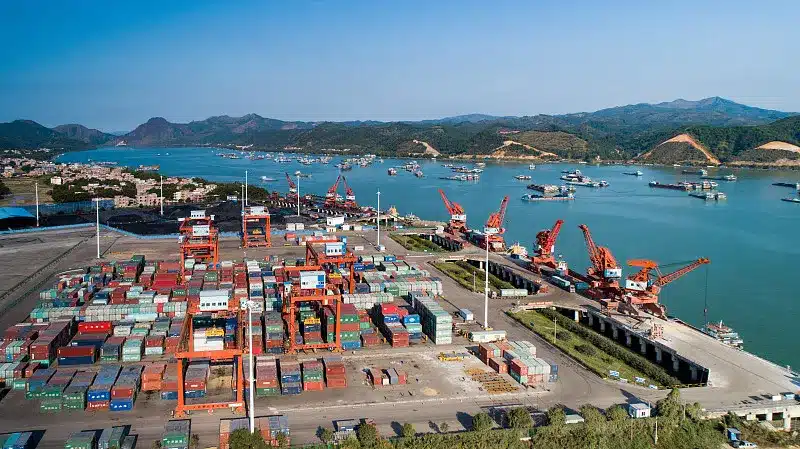
The goods are first loaded into standard 20ft or 40ft containers. Then they are sent to the Chinese port where they were first shipped from. They are then loaded onto ships bound for US ports.
A lot of people and organisations are involved in transportation from start to finish:
- Freight forwarders can also assist with customs clearance. They can also help with shipment management. And they can help with paperwork.
- The ocean carrier is the company that provides the ship. They are also responsible for shipping the container across the ocean.
- Customs officials have two main responsibilities. First, they check that no laws have been broken when goods are brought into or taken out of the country. If they suspect a breach, they will conduct an inspection. They must also ensure that taxes and fees have been calculated correctly.
To improve marine logistics management, reduce transport delays, and ensure cargo is delivered on time, it is helpful to understand how these phases work together.
Benefits of Sea Freight from China to the USA
Sea freight from China to the USA is still the most cost-effective option for large and bulk shipments, especially as early peak-season demand puts pressure on capacity and pushes freight rates higher across Asia–U.S. trade lanes.
Although transit times are longer and vessel space is more competitive, ocean freight consistently offers the lowest per-unit cost and the highest cargo capacity compared to air freight.
Even as market volatility has made schedules less reliable, sea freight remains the top choice for importers looking to balance cost efficiency with moving high-volume cargo.
1. West Coast, East Coast, and Gulf Coast Routes
Ocean freight connects China to all the main U.S. import gateways, so you can choose the route that works best for you, based on cost and where you’re sending.
2. Robust Inland Distribution Network
When it arrives, the cargo can be transported quickly around the US by rail, road and multimodal systems.
3. Lower Costs for Bulk Shipments
Ocean freight is usually the cheapest way to transport bulk cargo.
4. Well-Established Customs Clearance System
The big U.S. ports have got pretty efficient customs processes going on, with ISF declarations and seasoned customs brokers backing them up.
5. Freight Forwarder Support
Freight forwarders take care of booking, document processing, customs clearance, and delivery coordination to make the shipping process as smooth as possible.
How Long Does Sea Freight Take from China to the USA?
Sea freight moves at a slower pace than air freight, with shipping times from China to the United States shifting based on the route, schedule, and possible port delays. Typically, sea shipments spend anywhere from 2 to 5 weeks on their ocean journey.
For example:
- China to U.S. West Coast: A shipment from a major port such as Shanghai to Los Angeles typically takes 13–20 days by sea.
- China to the U.S. East Coast: It usually takes 30–35 days to travel from Shenzhen to New York, often via the Panama Canal or a combination of sea and land transport.
From departure in China to arrival in the US, sea freight often spends 30 to 40 days in transit, including time at both ends of the journey. Understanding these timelines empowers importers to plan inventory wisely and keep their supply chains running smoothly.
Key Factors Affecting Transit Time:
- Shipping Route: If you’re travelling from the west coast of the USA, you’ll usually reach your destination more quickly than if you’re travelling from the east coast. It’s quicker to travel across the Pacific than through the Panama or Suez Canals.
- Shipping Method (FCL vs. LCL): FCL shipments, in which a container is used by only one shipper, tend to be processed more quickly than LCL shipments, in which your goods are mixed with those of other shippers.
- Port of Origin and Destination: The departure and arrival ports are very important. Some ports have more sailings and better infrastructure, which can speed things up.
- Things that might cause problems: Delays can be caused by bad weather, strikes, political problems, or busy ports.
- Customs clearance: The efficiency of customs processing in China and the United States can significantly impact the time it takes to transport goods between the two countries, particularly when documents are incomplete or inspections are required.
- Seasonal Factors and Holidays: Peak shipping seasons and holidays, such as Chinese New Year or Golden Week, often lead to backlogs, resulting in slower transit times.
China to U.S. Ocean Freight Rates and Market Trends
Shipping a 40-foot container from China to Usa usually costs between $2,500 and $4,200. For a 20-foot container, the average is $1,800 to $2,800. Transit times are typically 15 to 35 days.
The North American shipping route often sees big price swings. Demand changes with the seasons, and carriers may add General Rate Increases (GRI) or Peak Season Surcharges (PSS) during busy times like summer or year-end, causing prices to rise sharply.
Port congestion and labour strikes can also have a big effect. If major ports such as Los Angeles or Long Beach get backed up, shipping rates can jump quickly.
Shipping to the U.S. East Coast takes longer than to the West Coast, so transit times and Bulk Adjustment Factor (BAF) rates are higher. Because inland transport is included, East Coast freight rates are usually higher than West Coast rates.
When to Choose Ocean Freight:
Ocean freight, also known as sea freight or shipping, is a suitable choice when you need to transport large quantities of goods over long distances, especially when cost is a primary consideration. It’s ideal for non-perishable items and situations where speed is not the primary concern.
- Cost-Effectiveness: Ocean freight is generally cheaper than air freight, especially for bulk shipments.
- Large Shipments: Suitable for transporting large quantities of goods, such as industrial equipment or raw materials.
- Non-Perishable Goods: Best for items that do not require fast delivery, such as furniture, textiles, and machinery.
- Environmental Considerations: Ocean freight has a lower carbon footprint compared to air transport, making it a more sustainable option.
- Global Reach: Provides access to international markets, especially for countries with major ports.

Tips for Successful Sea Freight Shipping
Successful sea freight shipping requires thoughtful planning and attention to detail. To help your goods move smoothly from origin to destination, consider the following essential tips:
- Choose a Reliable Freight Forwarder: Partner with a reputable freight forwarder who has experience handling shipments similar to yours. Look for companies with strong customer reviews, industry certifications, and a proven track record in both origin and destination markets.
- Understand Shipping Terms (Incoterms): Familiarize yourself with key Incoterms, such as FOB (Free on Board) and CIF (Cost, Insurance, and Freight). Knowing who is responsible for each part of the shipping process—costs, insurance, and risk transfer—will help avoid confusion and unexpected expenses.
- Prepare Accurate Documentation: Completing and maintaining accurate documentation is crucial for customs clearance. Ensure you have all the necessary paperwork, including the bill of lading, commercial invoice, and packing list. Double-check for any country-specific customs requirements to prevent delays.
- Optimize Your Packaging: Proper packaging reduces the risk of damage during transit. Use durable materials suited to ocean shipping, and clearly label each package with handling instructions and destination details. Efficient packaging can also minimize costs by maximizing space usage.
- Plan Around Transit Times and Delays: Transit times for ocean freight can vary depending on the route, weather conditions, and port congestion. Build flexibility into your timeline and account for possible delays, especially during peak seasons or holidays, and don’t forget to include customs clearance time.
- Get the Right Insurance: Protect your shipment with marine cargo insurance. While not always required, insurance provides peace of mind in case of loss, theft, or damage during transit. Make sure you understand the policy terms, coverage limits, and exclusions before finalizing.
- Track Your Shipment and Stay Informed: Most freight forwarders offer real-time tracking tools, allowing you to monitor your shipment’s progress. Stay in touch with your logistics provider for status updates and respond promptly to any issues that arise along the way.
- Budget for Hidden Costs: Beyond the base freight rate, be prepared for additional charges, including port handling fees, customs duties, warehousing, and demurrage. Market conditions can also cause shipping rates to fluctuate, so leave some buffer in your budget.
By following these best practices, you can streamline your sea freight process, reduce unexpected issues, and ensure that your goods arrive at their destination safely and efficiently.
How to Choose the Best Sea Freight Services from China to the USA
Successful sea freight shipping relies on careful planning and execution. Here are key tips to ensure a smooth process:
- Reputation and Reliability: Start by researching potential freight forwarders and shipping companies. Look for customer reviews, industry certifications, and memberships that signal credibility and consistent performance. A trustworthy provider should have a strong track record of delivering safely and on time.
- Transparent Pricing Structure: Request quotes from multiple providers and compare the full pricing breakdown. Ensure you understand the base rate, as well as any applicable surcharges, fuel adjustments, or hidden fees. Compare the costs of Full Container Load (FCL) and Less than Container Load (LCL) options based on your shipping volume.
- Estimated Transit Times: Consider how long it will take for your cargo to reach its destination. Faster services often come at a premium, so weigh speed against cost to choose what best fits your timeline and budget.
- Range of Services: Look for freight companies that offer value-added services, such as customs clearance, cargo insurance, and warehousing. Make sure they can handle your specific type of goods—whether it’s general merchandise, perishable items, or hazardous materials.
- Customer Service Quality: Responsive and knowledgeable customer support is essential, especially when unexpected issues arise. Choose a provider that communicates clearly and offers dedicated support throughout the shipping process.
- Technology and Shipment Tracking: Modern freight forwarders should provide online tracking and digital tools to manage shipments in real time. Visibility into your cargo’s location helps you plan and react proactively.
- Regulatory Knowledge: Your provider should be well-versed in customs regulations and compliance requirements in both China and the U.S. Their experience with documentation and permits will help you avoid costly delays or penalties.
- Global Network and Local Partnerships: A strong international network, including agents and partners in both countries, ensures more efficient handling and quicker resolution of issues that may occur during transit. This can be especially valuable when dealing with port congestion or customs clearance.
By evaluating sea freight providers based on these factors, you’ll be better positioned to select a reliable partner that aligns with your business needs and shipping goals.
Why Choose Hongocean for Sea Freight from China to the USA
If you need to ship goods from China to the United States, Hongocean is a reliable company. They offer excellent services at competitive prices. Here are some of the main benefits:
- Extensive experience: We have extensive experience in international logistics. This means we can easily navigate complicated customs rules and shipping documents. You can trust us to handle your goods smoothly from start to finish because we know what we’re doing.
- More cost-effective: We offer competitive rates for all shipping scenarios. Whether you require a full container load or a smaller shipment, our flexible solutions will help you save money without compromising on service quality.
- Extensive Global Network: We work with major international shipping companies and can get to key ports in China and the United States more quickly. This means you can count on us for reliable schedules. Our strong global network ensures we can always provide good service.
- Responsive Customer Support: Our dedicated team will provide personalised support for your shipment. They respond quickly and keep you updated.
- Security Compliance: We adhere to the world’s most stringent shipping standards and safety protocols. Our commitment to compliance and cargo protection guarantees that your goods will arrive safely and on time
By combining expertise, competitive pricing, and exceptional customer service, Hongocean distinguishes itself as a reliable choice for businesses seeking to streamline their sea freight operations between China and the United States.

