Sea freight is one of the most common and cost-effective methods of shipping goods over long distances, especially when it comes to international trade. Organizing such a delivery requires a clear understanding of the logistics and stages of sea freight. This knowledge helps avoid several problems, from customs delays and cargo damage to unexpected financial costs. This article will cover the stages of sea freight and their specific features in detail.

Preparation for sea transportation
Organizing a sea shipment begins with preparatory procedures. This stage includes several steps that determine the success of the entire operation.
Checking delivery terms (Incoterms)
Incoterms are international rules defining the responsibilities of the seller and buyer when delivering goods. They clearly delineate who is responsible for packaging, insurance, transportation, and paperwork.
For example, under FOB (Free On Board) terms, the seller is responsible for delivering the cargo to the vessel, with the buyer responsible for any further shipping. Under other terms, such as CIF (Cost, Insurance, and Freight), the seller covers the costs of transportation and insurance to the destination port.
Selecting a vessel and route
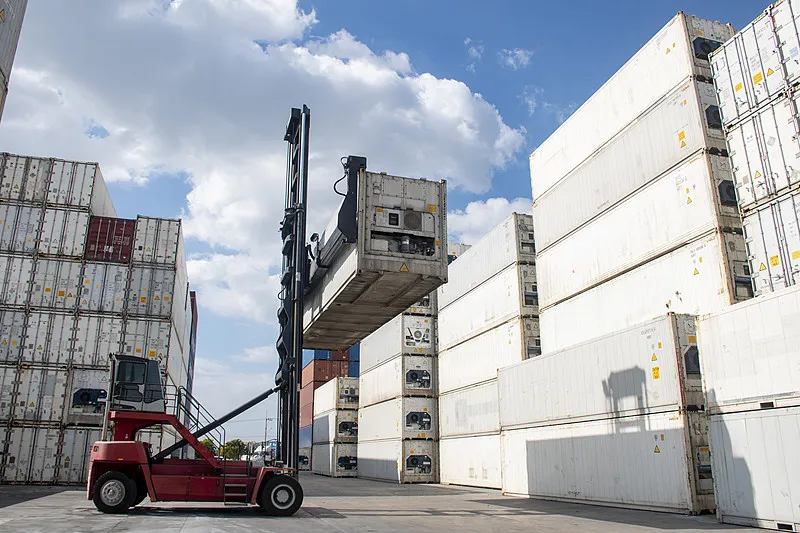
The next step involves selecting a vessel to transport the specific cargo. Container ships are used for standard containerized cargo, while bulk carriers are used for liquids. Refrigerated containers are used for perishable goods.
In addition, the optimal route is selected taking into account the ports of departure and destination, weather conditions, travel time, cost and potential risks.
Cargo preparation
Proper packaging and labeling of cargo is the key to its safety during transportation. Packaging must be durable and impact-resistant, and labeling must be informative and understandable for all parties involved.
For potentially hazardous goods (chemicals, flammable substances), special packaging and labeling requirements are established, which must be strictly observed.

Preparation of accompanying documentation
Document preparation is a key step, without which cargo cannot leave the port of departure and undergo customs procedures.
Bill of lading, invoice, packing list
- A bill of lading is the primary document confirming the carrier’s acceptance of cargo and serving as the contract of carriage. It contains information about the cargo, the sender, the recipient, and the terms of delivery.
- An invoice reflects the cost of goods and is used for customs clearance and settlements.
- A packing list describes the cargo packaging method, quantity, and characteristics of each item. It helps control the contents and facilitates customs clearance.
Customs documents
To cross borders, cargo must be cleared in accordance with all applicable regulations. In Russia, this includes a customs declaration and accompanying documents confirming the legality and full payment of duties. Correct and timely documentation helps avoid delays, fines, and even confiscation of cargo.
Certificates and permits
Certain categories of goods require additional documentation. These may include veterinary documents, plant certificates, and permits for the transportation of hazardous materials.
Organization of delivery to the port of departure
Before cargo can be loaded onto a ship, it must be delivered to the port. Depending on the distance, urgency, and volume of the cargo, it is delivered to the port by road or rail. The choice depends on the region’s infrastructure and the client’s capabilities.
Road transport is convenient for deliveries to ports located near major cities. Rail is suitable for shipping large volumes over long distances.
Responsible storage at the port warehouse
If cargo arrives at the port early or cannot be loaded immediately for other reasons, it is placed in a temporary storage warehouse (TSW). There, the cargo is constantly monitored, maintained in appropriate conditions, and protected from external influences.
Loading and freight
After delivery to the port, the moment of loading and conclusion of a contract for transportation – freight – comes.
Loading features depending on the type of vessel
The loading method is determined by the type of cargo and vessel. Containers are loaded onto specialized equipment, liquid cargo is pumped into tanks, and refrigerated cargo is placed in cooled compartments. Each type of cargo requires careful handling and monitoring.
Working with shipping lines and brokers
Shipping companies provide space on their vessels for the transportation of cargo. Brokers are engaged to interact with port authorities and process the necessary paperwork, speeding up the process and helping avoid errors.
The role of the forwarder
The forwarder coordinates the entire process: receiving the cargo from the shipper, organizing transportation to the port, overseeing paperwork, negotiating freight, and monitoring loading.
Cargo transportation by sea
Sea shipping is a key part of the delivery process and often takes the most time. It includes several important steps that need good coordination, strong safety measures, and careful planning to move goods safely and efficiently between countries.
Temperature control, tracking, and monitoring
Transporting perishable or sensitive cargo requires temperature and humidity control. Modern technologies not only maintain the necessary conditions but also enable online cargo tracking, keeping customers informed about the delivery status.
Liability of the carrier and shipper
The carrier is responsible for the safety of the cargo on board the vessel and its timely delivery. The shipper is responsible for the proper preparation and packaging of the goods, as well as the timely provision of documentation.
Arrival at the port and registration
Upon arrival, the cargo is unloaded, and customs clearance is carried out.
Unloading and storage
The cargo is unloaded from the vessel and, if necessary, placed in port warehouses or temporary storage warehouses until further transportation.
Customs clearance
Documents are checked, duties are paid, and import clearance is completed. This is a mandatory procedure for the legal import of goods.
How Hongocean Supports Sea Transportation
Hongocean oversees every stage of sea transportation, providing full control and transparency throughout the process.
- Our logistics specialists coordinate closely with shipping lines and ports to manage loading schedules and conditions efficiently.
- We handle the preparation and execution of all necessary customs documentation, ensuring shipments clear without delays.
- When needed, we arrange secure storage in temporary warehouses, offering flexibility in logistics management.
- Advanced online tracking systems keep customers informed with real-time updates on the location and condition of their cargo.
With extensive experience and expertise, Hongocean ensures that every step of sea transportation is smoothly coordinated, transparent, and easy for clients to understand.