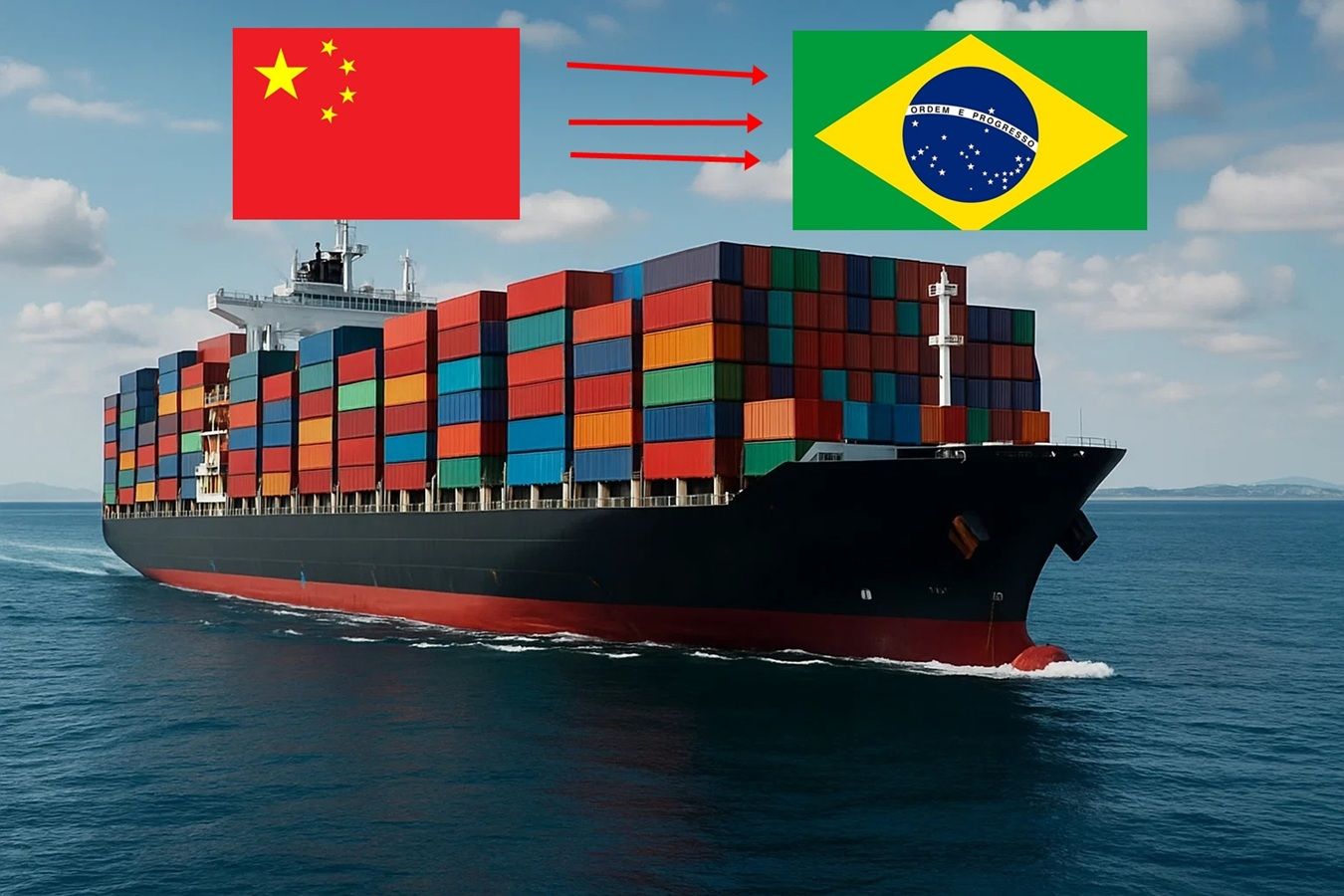
Shipping costs from China to the USA explained

If you’re going to send things from China to the US, you might notice that the cost of shipping can change a lot. The weight of your container, the shipping route, the method you choose, and the destination of your cargo all affect the final cost. We’ll go over the most important things that affect shipping costs in this article. This will help you understand what to expect when you ship from China to the US.

a woman is calculating the cost

Shipping from China to the United States

Sea Freight

The most common way to move goods around the world is by sea freight. It’s not only cheap, but it can also hold a lot of goods, which makes it a great choice for shipping loose items. Ocean freight is a little slower, but many businesses like it because it is reliable and cheap. FCL and LCL are the two main types of ocean freight services. The best choice depends on what your shipment needs.

Air Freight

Standard air freight is usually faster, so it’s a good choice for shipping cargo that needs to be delivered quickly and at a certain temperature. Air shipping services give you more options for shipping routes and destinations, even to places that are hard to get to or don’t have access to water. This flexibility lets businesses mix up their supply chains, such as by bringing in goods from places that don’t have direct access to waterways.

But you should know that it can cost more than ocean freight. Also, there are a lot more shipping restrictions on the size and weight of shipments when they go by air.

Look into ocean transport as a cheaper way to ship from China to the US, since air freight isn’t the cheapest option. Please keep in mind that the final cost of your air shipments will depend on how big and heavy your cargo is and how quickly you need it to get there.

How much does it cost to ship from China to the United States?

The cost of shipping things from China to the US might be very different, depending on whether you choose air freight or ocean freight. Air freight usually costs between $5 and $12 per kilogram, and ocean freight for a 20-foot container usually costs between $1,360 and $2,250. Use the information below to help you arrange your shipping!

Shipping MethodShipping From China to USA (Cost)
Sea Shipping (20ft Container)Approx. USD 2,250 for a 20ft container
Sea Shipping (40ft Container)Approx. USD 3,200 for a 40ft container
Sea Shipping (LCL)Approx. USD 120 per cubic meters (m3)
Air Freight ShippingApprox. USD 650 for 100kg
Door to Door ShippingApprox. USD 12 to 16 per kgs or approx. USD 140 – 220 per m3
DDP Air FreightApprox. USD 12 to 18 per kgs
DDP Sea FreightApprox. USD 180 to 350 per cbm (m3)
Express ShippingApprox. USD 15.5 per Kgs

Container shipping costs from China to the United States

When shipping containers, you’ll find that the total cost is made up of several key components:

  • Ocean Freight: This is the primary cost, covering the journey from a Chinese port to a US port, and it typically accounts for the largest portion of your shipping expenses.
  • Port Fees: These cover expenses such as terminal usage, loading and unloading, and other related charges, which can vary depending on the port.
  • Fuel Surcharge: This fee fluctuates based on changes in international oil prices.
  • Security Surcharge: This is a fee for extra security measures and customs inspections.
  • Destination Port Fees: Once your shipment reaches the US, additional costs, such as terminal fees, customs clearance, and other related expenses, may be incurred at the destination port.

Cost of Shipping 20ft and 40ft Containers from China to USA

If you’re shipping to the US East Coast, costs typically range from $1,200 to $1,500 for a 20-foot container and from $15,00 to $1,800 for a 40-foot container.

For the US West Coast, you’re looking at around $2,400 to $2,900 for a 20-foot container, and $3,000 to $3,500 for a 40-foot container.

Shipping costs can vary depending on market demand, peak seasons, shipping companies, and other factors. Here’s a helpful overview of the typical costs for shipping from major Chinese ports to key USA ports:

POL (Port of China)POL (Port of USA)20ft Container Cost40ft Container Cost 
ShanghaiLos Angeles$1,400 $1,750 
ShenzhenLos Angeles$1,360 $1,700 
NingboLos Angeles$1,200 $1,500 
ShanghaiLong Beach$1,400 $1,750 
ShenzhenLong Beach$1,360 $1,700 
NingboLong Beach$1,200 $1,500 
ShanghaiNew York$2,700 $3,350 
ShenzhenNew York$2,400 $3,000 
NingboNew York$2,700 $3,350 
ShanghaiSavannah$2,700 $3,350 
ShenzhenSavannah$2,400 $3,000 
NingboSavannah$2,700 $3,350 
ShanghaiHouston$2,700 $3,350 
ShenzhenHouston$2,850 $3,500 
NingboHouston$2,700 $3,350 

Air freight costs from China to the Usa

The cost of air freight depends on the weight and size of your goods, as well as the duration of the trip. At Hongocean, we’re happy to provide you with an instant quote for air freight, so you can easily find the best option for your needs. Below, you’ll find the air freight costs for our most popular routes:

POL (port of loading)POD (port of discharge)LCL Cost/CBM 
ShanghaiLos Angeles$30-$50
ShenzhenLong Beach$35-$55
QingdaoSeattle$30-$50
NingboNew York-New Jersey$40-$60
TianjinHouston$50-$75
GuangzhouSavannah$45-$70

Cost of door-to-door shipping from China to the USA

Door-to-door sea freight services are a great way to ship large items and things that don’t need to get there right away. They are also a good way to save money. Sending a 20-foot container from China to the US usually costs between $2,000 and $3,500. Prices for a 40-foot container usually range from $3,000 to $5,500. There are extra costs, like port fees, customs clearance, and final delivery, that usually add $300 to $500 to the cost of each container. In total, you can expect the cost of shipping a 20-foot container from door to door to the U.S. to be between $2,500 and $4,000.

DDP shipping costs from China to the United States

In international trade, the phrase “DDP” (Delivered Duty Paid) refers to the seller’s responsibility to deliver the items to the buyer’s specified location, taking on all related expenses and risks in the process. These consist of taxes, import tariffs, insurance premiums, and transportation costs, among other things. According to the provisions of DDP, the seller bears complete responsibility for all logistical activities and related expenses, from the point of origin (such as China) to the final destination.

 Service TypeFromToLCL cost20-foot container (FCL)40-foot container (FCL)
Sea Freight DDPChinaUSA$150 – $200/CBM$3,800 – $5,500$4,800 – $6,500
Air Freight DDPChinaUSA$8 – $15/kg

Additional shipping costs from China to the United States

In addition to the basic shipping costs, there are also the following additional costs for shipping from China to the United States:

  • Fuel surcharge: usually charged based on the weight or volume of the goods.
  • Port miscellaneous charges: such as terminal handling charges, Demurrage, loading and unloading fees, etc.
  • Insurance costs: It is recommended that cargo insurance be purchased, which generally costs 0.1%- 0.5% of the value of the goods.
  • Customs clearance fees: customs clearance fees vary depending on the goods.

How to calculate the cost of shipping from China to the United States

When shipping goods from China to the US, costs are determined by either the actual weight or volumetric weight, whichever is higher. This helps keep things fair for everyone!

Actual weight

The actual weight refers to the total weight of your goods, measured in kilograms (kg).

Volumetric weight

Volumetric weight is based on the space your goods occupy. This way, items that are big but light are charged fairly too.

Here’s the formula: Weight (kg) = length (cm) x width (cm) x height (cm) ÷ 6000.

If the volumetric weight is higher than the actual weight, your shipping cost will be based on the volumetric weight instead.

What Affects Shipping Costs from China to the United States

When shipping goods from China to the United States, several factors can affect the total cost. Here’s a quick overview to help you plan!

  • Seasonal and market demand: Shipping costs often increase during busy periods, such as the Spring Festival or Christmas season, when demand for shipping is higher.
  • Fuel prices: Changes in global oil prices can impact the amount you pay for shipping fuel surcharges.
  • Port congestion: If ports are exceptionally busy, there may be additional charges for delays or congestion.
  • Types of goods: Shipping items such as hazardous materials, temperature-sensitive goods, or large items may require special care and may incur additional costs.
  • Destination distance: Shipping to ports on the US West Coast is usually less expensive than shipping to ports on the East Coast, but be sure to consider where your goods are headed and any additional logistics costs.
  • Service providers: Different logistics and shipping companies offer different prices, so it’s a good idea to compare your options.

Friendly Tips for Optimising Your Shipping Costs

Plan your transport: Try to avoid peak shipping seasons, as Ocean Freight and Air Freight prices tend to rise during these times. Shipping during off-peak periods can help you save on costs and make the process smoother.

Steer clear of delayed and detention fees: Extra charges can add up if your goods spend too long at the port of destination. By preparing for customs clearance and goods receipt in advance, you can avoid these fees and keep the process moving smoothly.

Optimise your packaging: Try to minimise the volume of your packaging to keep freight charges low, but don’t forget to keep your goods safe and secure. Smart packaging design and efficient loading can maximise your container space, helping you save money and reduce the number of containers required.

Pick the port that works best for you: Shipping from East Coast ports to the United States is often more expensive than using West Coast ports. Depending on your destination, choosing the closest and most affordable port can help you reduce inland transport costs.

Be flexible with freight terms: Choosing the right trade terms (such as FOB or CIF) based on your goods and your agreement with the other party can help both parties save on logistics costs.

The cheapest way to ship from China to the US

Finding the most cost-effective way to save on shipping from China to the US depends on several factors, including the type of item being sent, the urgency of the need, and your budget. Here are some friendly tips to help you choose the most affordable shipping option:

  • Ocean Freight (LCL): LCL shipping is a great way to save money if you don’t have enough goods to fill a whole container. You and other shippers bear the expense because your package gets mixed up with others. It’s typically less expensive, but it might take a little longer.
  • Economy Air Freight: Although air freight is typically more costly than ocean freight, some carriers provide more affordable options like Economy or Deferred Air Freight. If you have a smaller shipment that needs to get there a little sooner, this is a great option.
  • Freight forwarders: These experts can help you select the best shipping options for your needs and price range. They can help you get better deals because they often have good relationships with carriers.
  • Bulk Shipping: Bulk shipping can help you save a lot of money if you send a lot of items at once. It’s worth looking into to see if this approach meets your needs because it works well for some industries and products.
  • Some companies concentrate on gathering goods from various suppliers and shipping them all at once. We refer to these as consolidation services. By enabling you to benefit from bulk shipping rates, this can help you save even more money.
  • Use Trade Agreements: You may be able to obtain reduced tariffs or fees if you export specific kinds of goods and trade agreements are in effect. This could result in overall cost savings.
  • Try to strike a balance between price and your specific requirements when selecting the most cost-effective shipping option from China to the US. Saving money is important, but don’t forget to consider factors like delivery time, dependability, and the value of your purchases. When creating your budget, don’t forget to account for duties, taxes, and other expenses.

You may be interested in the following content:

Table of Contents

Leatest Post

Scroll to Top