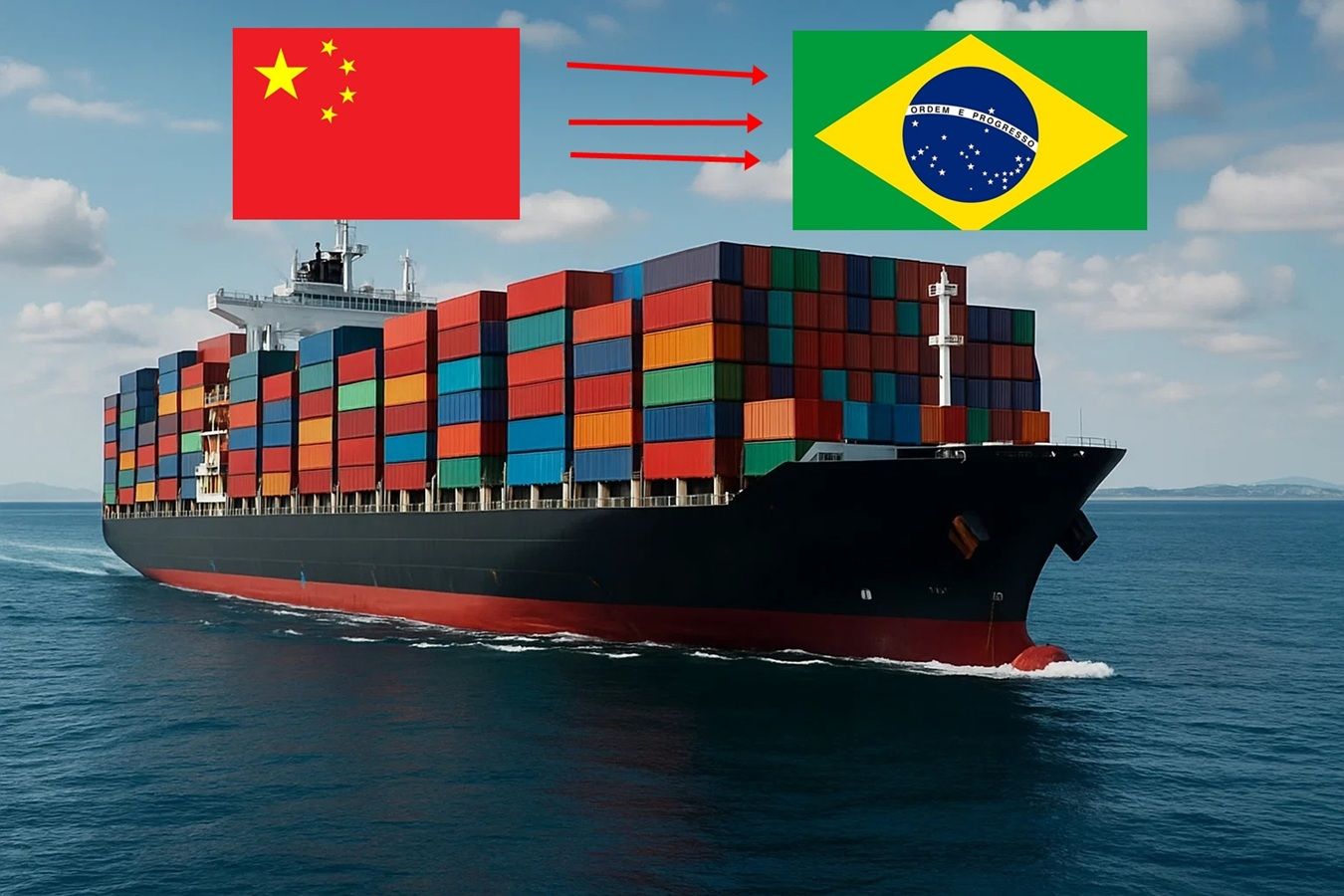
Bringing goods from China to Brazil can be highly profitable, but careful planning is essential, particularly when it comes to shipping and costs. You could run into big problems if you don’t know how much your transportation costs. That is why it is essential for businesses to understand the shipping costs associated with different container sizes.

Factors Influencing Container Rates
Always consider the primary factors that influence the cost of shipping a container from China. Knowing these things will help you determine the cost of your shipping and keep it under control.
1. Fuel fluctuations
Changes in the price of oil have a direct effect on shipping costs. Higher fuel prices make it more expensive to run a business and ship goods. Prices are hard to guess, but biodiesel and other alternative fuels can help keep costs stable in the future.
2. Size and weight of the cargo
The size and weight of the cargo affect shipping costs. Heavy or special cargo needs more room, fuel, and handling, which costs extra. During the quoting stage, you should get accurate measurements and information about the cargo.
3. Distance and routes
Longer distances cost more because they require more fuel, time, and planning. Tools like Vessel Schedule and intermodal transport options can help you find the best routes and prices.
4. Additional Services
Extra services, such as Shipping Guarantees, Additional Freetime, or custom handling, make things easier but cost more. Before making a reservation, you should check all the fees.
5. Transshipments
Moving containers between ships at intermediate ports costs more because of extra handling and lay times. This happens a lot in ports where size is limited.
6. Mode of transportation
Shipping by sea takes longer but costs less than shipping by air. Pick the best option based on your cargo needs and compare rates for different modes.
7. More things to think about
Extra services such as lifting platforms or door-to-door delivery may not be listed upfront and can quickly add to total costs.

Why You Need to Understand Container Rates from China to Brazil
Always monitor container rates closely, as they reflect the current state of global trade and the health of the logistics industry. Understanding these rates is essential for any business aiming to maintain profitability.
Use container rate trends to decide the best time to ship, manage your supply chain efficiently, and determine if you need to adjust pricing for your customers.
Pay attention to container rates as they can indicate shifts in economic patterns. Use this information to guide your strategic planning.
Benefits of Understanding Container Rates
- Cost Management: Knowing container rates helps businesses budget effectively. Importers can find ways to save money by exploring different shipping routes or negotiating with shipping providers.
- Strategic Planning: Schedule your shipments during periods when container rates are lower and avoid peak seasons whenever possible. For instance, import goods ahead of the holiday season to minimize costs.
- Competitive Advantage: Stay informed about shipping trends to make decisions that keep you ahead of competitors. This allows you to offer competitive pricing to your customers while protecting your margins.
Cost of shipping 20ft Container from China to Brazil
| Destination Port | Departure Port | CNTR Size | Port to Port Price |
|---|---|---|---|
| Brazil | Shanghai | 20ft | $1550 |
| Brazil | Qingdao | 20ft | $1550 |
| Brazil | Shenzhen | 20ft | $1550 |
| Brazil | Tianjin | 20ft | $1550 |
| Brazil | Ningbo | 20ft | $1550 |
| Brazil | Hong Kong | 20ft | $1550 |
| Brazil | Guangzhou | 20ft | $1550 |
How much does it cost to ship a 20ft container from China to Brazil? The average price is between $1,500 and $1,800. And the price will fluctuate depending on the port of origin and destination.
Cost of shipping 40ft Container from China to Brazil
| Destination Port | Departure Port | CNTR Size | Port to Port Price |
|---|---|---|---|
| Brazil | Shanghai | 40ft | $3850 |
| Brazil | Qingdao | 40ft | $3850 |
| Brazil | Shenzhen | 40ft | $3850 |
| Brazil | Tianjin | 40ft | $3850 |
| Brazil | Ningbo | 40ft | $3850 |
| Brazil | Hong Kong | 40ft | $3850 |
| Brazil | Guangzhou | 40ft | $3850 |
How much does it cost to ship a 40ft container from China to Brazil? The average price is between $3,800 and $4,000. And the price will fluctuate depending on the port of origin and destination.

How to Optimize Shipping Costs
- Plan transportation time in advance: Avoid peak seasons when sea and air freight rates are higher. Ship during the off-season to cut costs.
- Avoid delay fees and detention fees: Prepare customs clearance and cargo pickup in advance to prevent extra charges at the destination port.
- Optimize cargo packaging: Reduce packaging volume while ensuring safety. Maximize container space to lower volume-based charges and reduce container quantity.
- Choose a port with lower costs: From China to Brazil, select the nearest, most cost-effective port to save inland transport costs.
- Bargaining: Negotiate with carriers or freight forwarders—large shipments often qualify for discounts.
- Flexible freight terms: Choose trade terms (e.g., FOB, CIF) that best fit the goods and agreements to lower logistics costs.
Steps for Container Shipping from China to Brazil
- Choose a Shipping Company: Look for a certified shipping partner that others trust and recommend.
- Understand Your Shipping Needs: Determine the quantity you need to ship, any special requirements, and which Incoterms apply.
- Prepare Your Cargo: Pack your items securely, label them clearly, and make sure all paperwork is complete.
- Book Your Shipment: Ask for a detailed quote, confirm your booking, and set up a pickup time.
- Load the Container: Spread the weight evenly, secure your cargo, and use the container space as efficiently as possible.
- Clear Customs: Turn in all required documents, pay any duties or taxes, and work with customs officials as needed.
- Track Your Shipment: Use tracking tools and keep in contact with your shipping company for updates.
- Receive Your Goods: Check your cargo when it arrives, note any problems, and confirm that everything was delivered.
What Items Can Be Shipped to Brazil in Containers?
When shipping containers to Brazil, a wide range of goods can be transported. However, it’s important to understand the country’s strict customs rules and documentation requirements before sending cargo. Here are the main categories of items that are typically shipped:
1. Commercial Goods
- Electronics: Computers, smartphones, and other devices.
- Machinery & Parts: Industrial equipment, engines, and spare parts.
- Textiles & Apparel: Clothing, fabrics, and accessories.
- Food Products: Certain packaged and non-perishable foods (restrictions may apply).
2. Personal Belongings
- Household Goods: Furniture, appliances, and personal effects.
- Vehicles: Cars, motorcycles, and other vehicles—subject to specific import regulations and taxes.
3. Industrial Supplies
- Construction Materials: Steel, cement, and other building supplies.
- Chemicals: Some industrial chemicals are allowed but must meet safety and regulatory standards.
4. Pharmaceuticals & Medical Supplies
- Medical equipment and pharmaceutical products can be imported but require compliance with Brazil’s health regulations.
5. Art & Antiques
- Artwork, antiques, and collectibles can be shipped, though they often require special permits and documentation.
Key Things to Know
- Customs Regulations: Brazil enforces strict rules, and some items may be prohibited or require prior approval. Always check the latest regulations before shipping.
- Import Taxes & Duties: Expect significant taxes and fees, which vary depending on the type of product.
- Documentation: Proper paperwork is essential. At minimum, you’ll need a commercial invoice, packing list, and any required licenses or permits.
Tips to Reduce Shipping Costs and Transit Time from China to Brazil
Looking to cut costs and speed up your shipments from China to Brazil? Follow these proven strategies from Hongocean Freight:
- Choose Ocean Freight for Cost Savings: For large or heavy cargo, ocean shipping is the most economical option. Depending on the size of your shipment, you can select either Full Container Load (FCL) or Less Than Container Load (LCL). Please note that transit times are generally longer compared to air freight.
- Use Air Freight for Urgent Shipments: When time is critical, air freight is the fastest and most reliable option. While more expensive, it’s ideal for high-value, perishable, or time-sensitive goods.
- Consolidate Shipments: Combining multiple orders into one container helps lower the cost per unit and improves efficiency.
- Ship During Off-Peak Seasons: Avoid peak holiday periods when rates surge and ports get congested. Scheduling off-peak shipments can save money and reduce the risk of delays.
- Ensure Documentation is Accurate: Incomplete or incorrect paperwork can cause costly customs delays. Always provide clear commercial invoices, packing lists, and bills of lading to keep shipments moving smoothly.
- Leverage Hongocean Freight’s Expertise: With over 8 years of experience and strong partnerships with major carriers, Hongocean Freight helps optimize routes, reduce costs, and simplify customs clearance for faster deliveries.