China exports a vast range of finished goods to the United States, and shipping containers play a vital role in moving these products across the Pacific—quickly, safely, and cost-effectively. But container shipping isn’t as simple as loading goods onto a vessel. It requires careful planning, coordination, and a solid understanding of logistics and costs.
In this article, we’ll walk through the essentials of shipping a container from China to the U.S. You’ll learn about the different types of containers, shipping options, cost considerations, and practical tips to help optimize your supply chain. Whether you’re a business owner, supply chain professional, or simply interested in how international shipping works, this guide will give you valuable insights to support your shipping needs.
The Importance of Container Transportation in U.S.-China Shipping
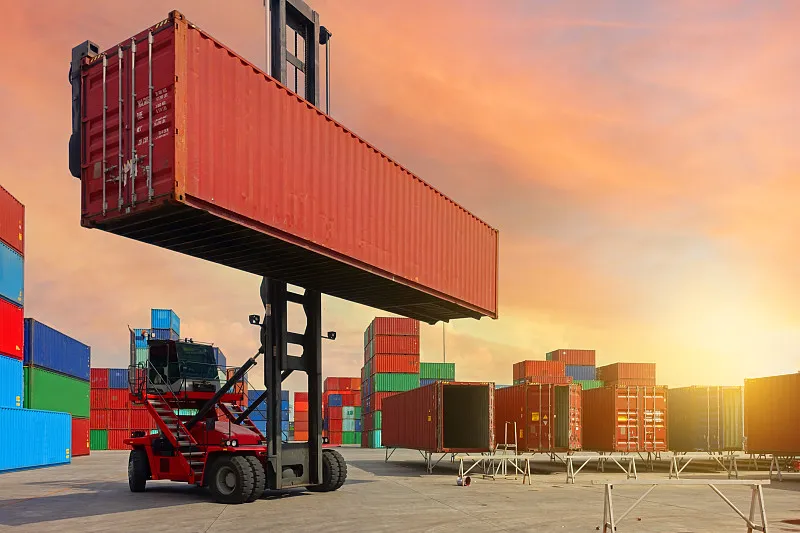
Shipping goods in containers is a simple, safe, and cheap way to move them between China and the US. You can put electronics, textiles, machinery, or consumer goods in containers that are safe and easy to move between ships, trucks, and trains.
Shipping in containers also makes customs inspections easier, lowers the risk of goods being damaged or stolen, and helps lower handling costs. It also lets exporters and importers ship more goods at once, which helps keep transportation costs down even when tariffs, fuel prices, or supply chain problems go up.
Key Benefits of Using Shipping Containers:
- Efficiency: The dimensions (20 feet and 40 feet) are uniform to ensure easy packing, offloading, and moving of cargo from one transport mode to another, namely, ships, road transport, and trains.
- Security: It shields goods from being affected by damage, theft, and weather when it is in transit.
- Cost-Effectiveness: When you pack a large quantity of stock in a container, the cost is less per unit as compared to air shipments or when some stocks are shipped in small lots.

8 Shipping Container Types And Sizes
Here is an overview:
1. Dry Storage Containers (or Dry Containers)
Designed to transport non-temperature-sensitive goods, these are the most common types of shipping containers. They are fully enclosed, weatherproof, and have a rigid roof, sidewalls, and floor.
They are used worldwide to ship clothing, furniture, electronics, and other dry goods in FCL (Full Container Load) and LCL (Less-Than-Container Load) shipments.
- Height: around 8’ 6”, though high cube versions are about 9’ 6”.
- Length: 20-foot, 40-foot, plus 40-foot high cube.
- Load capacity:
- 20-foot: 1,172 CFT
- 40-foot: 2,389.75 CFT
- 40-foot high cube: 2,694 CFT
2. Refrigerated Containers (or Reefer)
These are temperature-controlled containers used for transporting perishable items. They are equipped with a refrigeration unit to maintain a specific temperature.
Reefers transport fresh and frozen foods, such as meats, fruits, vegetables, medicines, and pharmaceutical products.
- Height: Similar to standard containers, typically 8 feet 6 inches, but high cube options are available.
- Length: 20-foot, 40-foot
- Load capacity:
- 20-foot: 1,172 CFT
- 40-foot: 2,039.7 CFT
- Special characteristics: Require external power to maintain temperature, reaching as low as -60°C (-76°F).
3. Flat Rack Containers
These containers don’t have rigid walls or roofs. Instead, they bear collapsible sides, making a good choice for oversized cargo that cannot fit into any standard container size.
Shippers use them to move heavy machinery, construction materials, vehicles, and other odd-sized cargo.
- Height varies, depending on the load.
- Length: 20-foot, 40-foot
- Load capacity:
- 20-foot: 1,154.3 CFT
- 40-foot: 1,860 CFT
- Special characteristics: Cargo needs to be lashed to secure it, and special care is needed to prevent weather damage.
4. Tank Containers / ISO Tanks
These somehow different types of shipping containers transport liquids and gases in bulk. They are made of anti-corrosive materials.
They’re used for importing or exporting chemicals, oil, wine, and other liquids or gases.
- Height: About 8′ 6”
- Length: 20-foot
- Load capacity: 26,001 liters
- Special characteristics: These tanks must be at least 80% full to prevent dangerous liquid surging in transit. Due to thermal expansion, they cannot be over 95% full.
5. Open-Top Containers
These are similar to dry containers but have a removable top, making them ideal for over-height cargo, like tall machinery and other heavy or bulky items loaded by a crane.
- Height: Interior height is about 7′ 10 ¼”
- Length: 20-foot, 40-foot
- Load capacity:
- 20-foot: 1,172 CFT
- 40-foot: 2,389.75 CFT
- Special characteristics: These containers usually use a tarpaulin to protect the cargo from the weather.
6. Open Side Storage Containers
As their name suggests, these shipping containers have doors that can open completely on one side, providing wider access for loading and unloading extra-large items that can’t fit through regular doors.
Their height, length, and capacity are similar to standard containers.
7. Half-Height Containers
Designed for the transportation of dense and heavy bulk cargo, these containers are half the height of full-sized containers.
They are perfect for shipping coal, stones, and other heavy bulk materials.
- Height: Half the height of standard containers.
- Capacity: They can handle heavier loads than taller containers due to their low center of gravity.
- Special characteristics: Half-height containers are robust, made for rough industrial environments.
8. Insulated Containers
These special containers are similar to a thermos! Their regulated temperature control allows them to withstand high temperatures.
Carriers use them to ship products like foods, pharmaceuticals, or chemicals.
- Their height, length (20’ & 40’), and load capacity are similar to standard containers.
- Special characteristics: Insulated containers don’t have their own cooling system. Instead, they bear a mechanical compressor to cool or heat the air inside.

How Shipping Containers Are Transported from China to the USA
Shipping a container from China to the USA can seem overwhelming, but understanding the key stages of the process can make things feel more manageable. Here’s how it typically works:
- Factory Pickup: Your goods are collected directly from the supplier’s warehouse. A trusted freight forwarder will coordinate this step seamlessly, ensuring that the right goods are picked up and delivered to the correct port. This step is crucial for timely shipments, as any delay at this stage can affect the overall delivery timeline.
- Inland Transportation: A truck hauls your container to the nearest major port, such as Shanghai or Shenzhen. Efficient coordination here ensures that the container reaches the port on time, reducing the risk of unnecessary costs or delays. For large orders, it’s vital that this step is handled properly to maintain a smooth process.
- Export Customs Clearance: Paperwork is prepared, duties are paid, and your cargo is cleared for departure. At this stage, it’s essential to have accurate documentation to avoid delays and costly penalties. A reliable freight forwarder will assist in ensuring that all customs documents are in order to avoid any holdups.
- Ocean Freight: Your container is loaded onto a vessel and begins its journey across the Pacific. The shipping time from China to U.S. ports typically takes between 18 to 30 days, depending on the specific route and conditions. Throughout this process, the freight forwarder tracks your shipment, ensuring you’re updated on its progress so you’re never in the dark.
- Arrival at U.S. Port: Once your container arrives at ports like Los Angeles or Long Beach, it will undergo import customs clearance. Improper paperwork or delays at this stage can result in additional fees, so it’s important to have a clear understanding of the customs procedures.
- Final Delivery: After clearance, your container is trucked to your warehouse, fulfillment center, or final destination. Real-time tracking tools help ensure transparency throughout the delivery process, so you’re always aware of your shipment’s location.
Hidden Costs You Might Overlook
Getting a quote for shipping a container from China to the USA is just the start. To avoid nasty surprises, it’s crucial to understand the hidden costs that don’t always show up in the initial freight estimate.
Here are some common extra charges importers often miss:
Cargo Insurance
While optional, shipping insurance is highly recommended. It protects your goods from damage or loss during transit. Though it’s an added cost, it’s a relatively small price for peace of mind, especially for high-value shipments.
Customs Duties and Taxes
Even if your freight cost looks low, you’ll still need to pay U.S. import duties based on product type (HS code) and value. Many freight forwarders, such as Hongocean, can help navigate this step to ensure accuracy. This might include advising on which HS codes to use for your goods to minimize costs.
Port Handling and Terminal Fees
U.S. ports charge fees for unloading containers, storage, and handling. These are billed separately from your ocean freight, so it’s important to check the terms when you receive your quote. These charges can add up quickly, especially if there are delays.
Inland Trucking Charges
Moving your container from the port to your warehouse adds an extra cost, especially if the distance is long. Working with a freight partner who knows the best routes can help keep these costs down. Hongocean provides routes optimized for cost-effectiveness and speed, helping clients save on long-distance transport.
Documentation and Admin Fees
Export documents, customs filing, and paperwork processing usually come with small charges that add up. Some freight forwarders include these fees in their quotes, while others charge separately.
Demurrage and Detention Fees
If your container isn’t picked up or returned within the allowed free days at the port, storage fees can rack up fast. These charges are especially relevant for containers that sit idle for an extended period.
How to Lessen the Cost of Shipping Containers to the USA from China?
Although shipping charges can mount up quickly, there are an array of practices to cut costs without sacrificing quality.
Practical Tips for Reducing Costs:
- Pre-Planned Shipments: Booking shipments much in advance provides the opportunity to avail of lowered rates, keeping peak-season extras away.
- Consolidate Shipments: Pack all the orders into one container, thus maximizing space usage and decreasing the costs per unit shipment.
- Pick the Precise Container Size: Determine which is better for your shipment, 20-foot or 40-foot container containers.
- Work with a Freight Forwarder: Additionally, it is always possible to arrange it as an agent on your behalf at lower and more affordable prices or turn to veteran freight forwarders.
- Supervise Market Trends: Stay updated on shipping rates and market conditions to identify the best time to ship.
Knowledge of Customs Clearance and the Importation Fees
Clearance is a vital process to consider when transporting containers from China to the USA. Failure to observe the set regulations can lead to expulsion, delays, or even seizure of products.
What You’ll Require to Clear Customs:
- A bill of lading is a shipping document that the shipping firm itself produces to contain every aspect of the shipment.
- A commercial invoice provides information about the goods, their cost, and details of the transaction.
- Details regarding the shipment’s contents are included in the packing list.
- Import licenses must be obtained for some products, like medical equipment as well as electronics.
Tips for Smooth Customs Clearance:
- Work with a knowledgeable customs broker to navigate the process.
- Ensure all documentation is accurate and complete.
- Declare the correct value of your goods to avoid penalties.