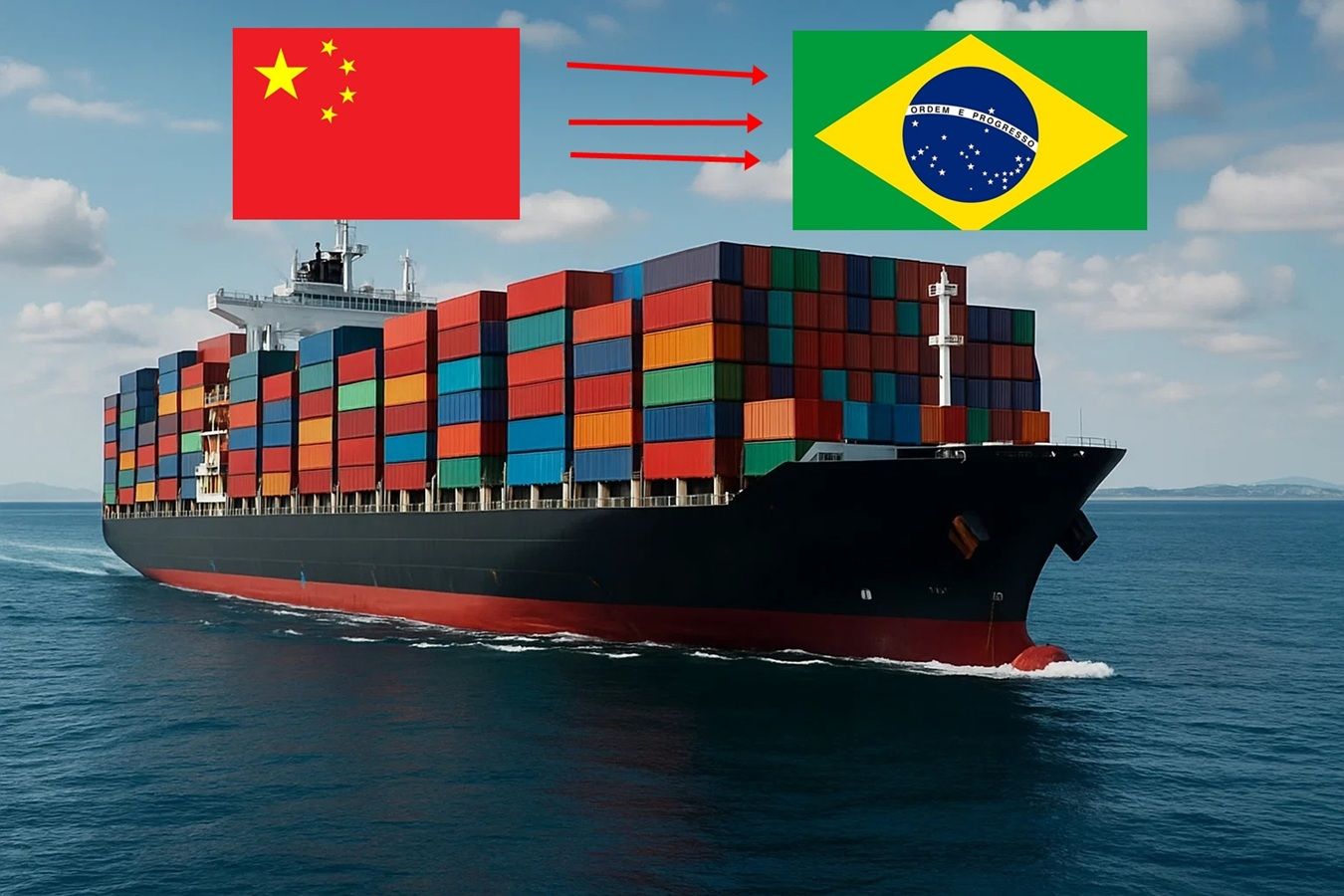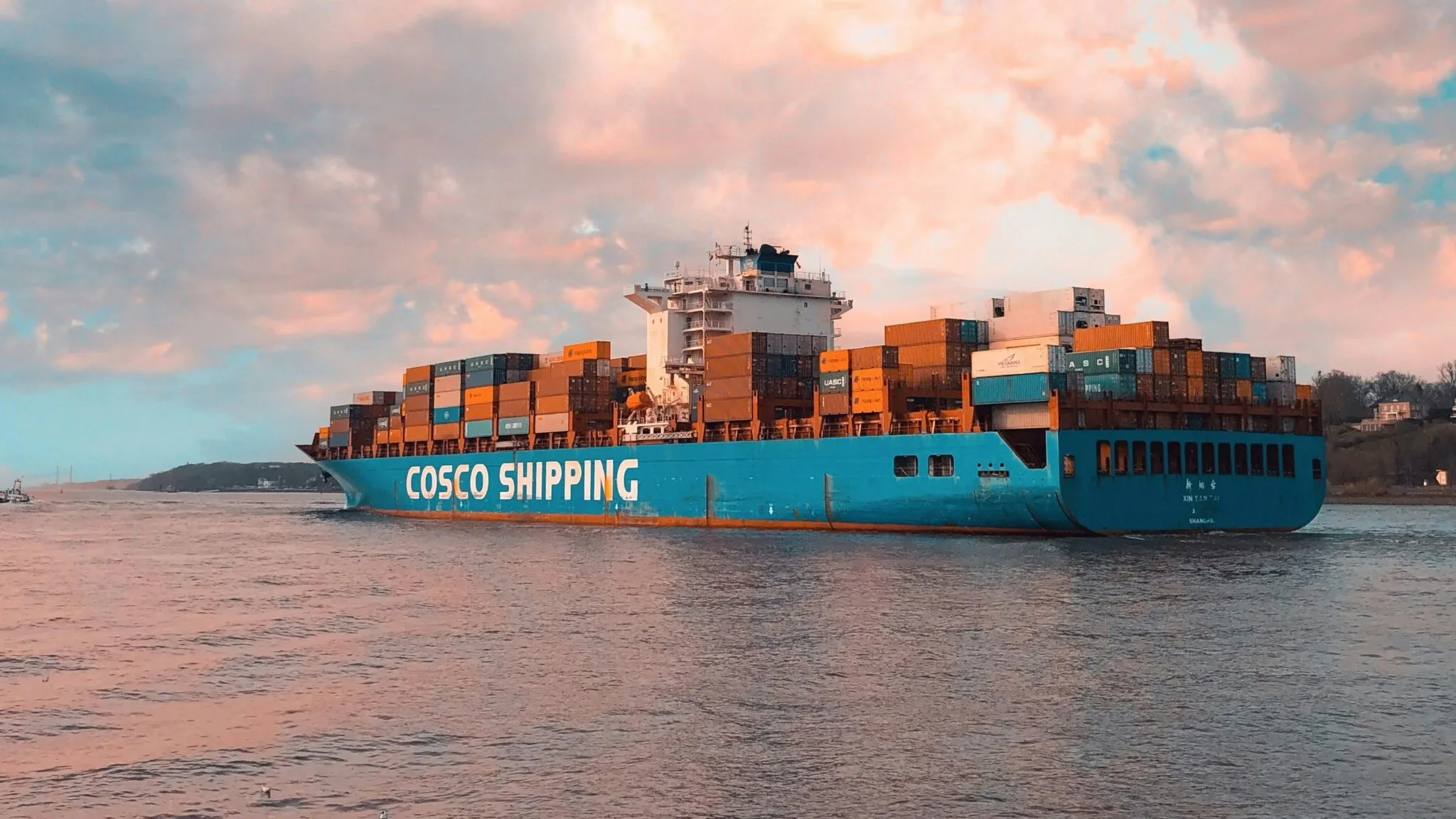
Container shipping is a popular way to move goods around the world. Many businesses choose it because it is reliable, efficient, and often costs less than other options. However, extra fees can add up quickly and become a real concern for shippers and freight forwarders. In this article, we will look closely at the main extra costs in container shipping, explain what affects freight rates, and offer practical tips to help you manage your shipping expenses.
Shipping container rates
Container freight rates are the main part of the shipping business. They change based on many factors like global market trends, seasonal demand, the condition of the shipping fleet, and daily operating costs. Usually, the final shipping price is set through formal agreements and custom contracts between cargo owners and shipping companies. Two key factors that directly affect the final shipping price are the ship’s capacity and the number of containers available.
Cost Differences Between Sea, Air, and Intermodal Transport
There are clear differences in extra costs between container sea freight, air freight, and intermodal transport. Air freight is very fast but much more expensive than container shipping. Intermodal transport, which combines different transport types like sea and land, has costs that vary depending on the mix used. Overall, container sea freight is still the cheapest and best choice for large, heavy, and bulk shipments.
What are the incidental costs of container transportation?
Container shipping incidental costs refer to all unplanned or auxiliary expenses incurred throughout the whole shipping process, covering multiple links from port loading to destination delivery. The main categories of these ancillary costs are listed as follows:
- Port loading and unloading service fees
- Customs declaration and clearance charges
- Cargo warehousing and storage fees
- Cargo delay and container demurrage fees
The role of the shipping agency in determining ancillary costs
Professional shipping agencies play an indispensable role in controlling container shipping ancillary costs. By providing core services including vessel space booking, port and customs coordination, and shipping document and administrative process management, freight forwarding agencies can effectively optimize or adjust the generation of ancillary expenses. In practice, cooperating with qualified, reputable and experienced shipping agencies is a key way to effectively reduce unnecessary ancillary costs and standardize shipping cost management.
Loading and unloading costs at ports
Port handling fees are a core part of container shipping ancillary costs, exerting a direct and significant impact on total shipping expenditure. These fees cover multiple expenditures such as on-site port staff labor wages, usage fees for port professional equipment (including cranes and conveyor belts), and inland short-distance transportation fees within the port area. In addition, port facility usage charges and conventional customs service fees generated during container port operation are also included in the overall port loading and unloading costs.
The impact of loading and unloading delays on final costs
Delays in loading and unloading at ports are a main reason port handling costs go up. Any hold-up in these operations leads to extra charges, especially extra storage fees at the port. These delays usually happen because of port problems, lack of equipment, bad weather, or other unexpected issues. So, careful planning and quick management of loading and unloading can help avoid extra shipping costs.
Customs duties and costs associated with the clearance of goods
Customs charges are another big type of extra container shipping costs. These mainly include import and export taxes set by national customs authorities. The amount depends on the declared value of the cargo and the official customs rules of the destination country, which vary by cargo type and country. Besides these taxes, extra fees like customs document processing also add to the final shipping cost.
Costs associated with permits and transportation documents
Container shipping needs a full set of official documents and permits, such as the bill of lading, certificate of origin, packing list, and customs declaration papers. The costs for applying, reviewing, and preparing these documents include administrative fees, permit charges, and other related expenses. These fees are usually managed by shipping companies, freight forwarders, or cargo operators and are included in the total shipping cost.
Container storage and maintenance costs
Storage costs for cargo at both the starting and destination ports have a big impact on the final shipping price. These costs mainly cover temporary storage fees for goods and containers before loading and after unloading. The charges depend on how long the cargo and containers are stored. If loading or unloading is delayed for a long time, port authorities may add extra storage penalties, which increase the total shipping cost.
Late fees and late delivery penalties
Container late fees, also called detention fees, are penalties charged when containers are not delivered to the right place or returned to the shipping company on time. If containers stay too long in warehouses, factories, or other places outside the port beyond the free time allowed by carriers, daily detention fees will be added. Since containers are important assets for shipping companies, late returns disrupt fleet scheduling and reduce shipping efficiency. These high fees directly raise shipping costs. Planning container delivery and return times well helps avoid these penalties.
Container shipping insurance costs
Cargo insurance is an important extra cost in container shipping that protects against damage, loss, and theft during sea transport. Because of difficult sea conditions and unpredictable natural risks, container sea freight has higher risks than air freight, so insurance is essential for sea shipping. Although air freight insurance costs more per unit, the shorter shipping time means less overall risk.
Comparing types of insurance in container shipping
There are three main types of insurance for container shipping: All Risks Insurance, Limited Coverage Insurance, and Liability Insurance. All Risks Insurance offers the most complete protection but costs the most. Limited Coverage Insurance is cheaper but only covers certain risks. Cargo owners can choose the best insurance based on the value of their cargo, the shipping route, and their specific needs.
Fuel costs and their impact on container shipping rates
Fuel cost is one of the most changeable and important factors affecting extra container shipping expenses. Container ships use large amounts of fuel while sailing, so any change in global fuel prices directly affects shipping costs. When fuel prices go up, shipping companies raise their freight rates to cover higher operating costs, causing overall container shipping fees to increase.
How do fuel price fluctuations affect container shipping costs?
Changes in global fuel prices make it hard for cargo owners to plan and budget costs. Because cross-border container shipping takes a long time and routes can be complex, fuel price changes during shipping cause real-time shifts in total costs. To keep their income steady, shipping companies usually add fuel surcharges that adjust with price changes.
Equipment and logistics costs
Fees for using logistics equipment and facilities make up a big part of extra container shipping costs. The equipment used includes port cranes, container trucks, and other handling tools. Charges vary depending on the type of cargo and container. Special containers like refrigerated or dangerous goods containers need special equipment and skilled handling, which leads to higher equipment costs.
The impact of container type on overall shipping costs
The type of container is an important factor that affects total shipping and extra costs. Standard containers have lower transport and extra fees, while special containers cost more overall. Refrigerated, dangerous goods, and other custom containers need special equipment, skilled handling, and full monitoring, which greatly raise operating and extra costs. So, knowing container types and matching the right equipment is key to managing container shipping costs well.
Delay and demurrage costs in container shipping
Container demurrage fees are penalty charges that shipping companies charge cargo owners or container renters when containers stay at ports longer than the allowed free time and customs clearance or pickup is not finished. The free time allowed depends on the carrier’s rules, cargo type, and destination port. After this free period ends, daily demurrage fees add up, becoming an unavoidable extra cost in container shipping.
Methods to reduce delay costs
To effectively cut down delay and demurrage costs, especially at busy and congested ports, scientific advance planning for container delivery and return is essential. Adopting professional transportation management systems and real-time container tracking technology can accurately monitor cargo and container status, reducing accidental delays. In addition, close communication and coordinated scheduling with shipping carriers and authorized agents can effectively avoid unnecessary port stagnation and incremental costs.
How to reduce the incidental costs of container transportation?
Cargo owners and shipping enterprises can adopt multiple targeted strategies to reduce container shipping incidental costs. Optimizing shipping route selection is an efficient measure to cut fuel consumption and shorten transit cycles, thereby lowering auxiliary expenses. Meanwhile, signing long-term cooperative contracts with shipping carriers can stabilize freight rates and obtain preferential pricing, realizing long-term cost control.
The role of negotiation with shipping agents in reducing costs
Professional negotiation and in-depth cooperation with shipping agents is another core method to reduce additional container shipping costs. Customizing exclusive service agreements and targeted contract terms can help enterprises obtain preferential charging standards and optimized shipping service conditions. Long-term stable cooperation with reputable shipping agents can significantly reduce redundant ancillary costs and improve the overall efficiency of container shipping operations.
Conclusion
In summary, various ancillary costs directly determine the comprehensive expenditure of container shipping services. A thorough understanding of the composition and influencing factors of these incidental costs, combined with targeted cost reduction strategies, enables cargo owners to realize refined cost management and improve shipping operational efficiency. Professional cooperation with qualified shipping agents and standardized whole-process shipping planning are the most practical and effective measures to control container shipping ancillary costs.