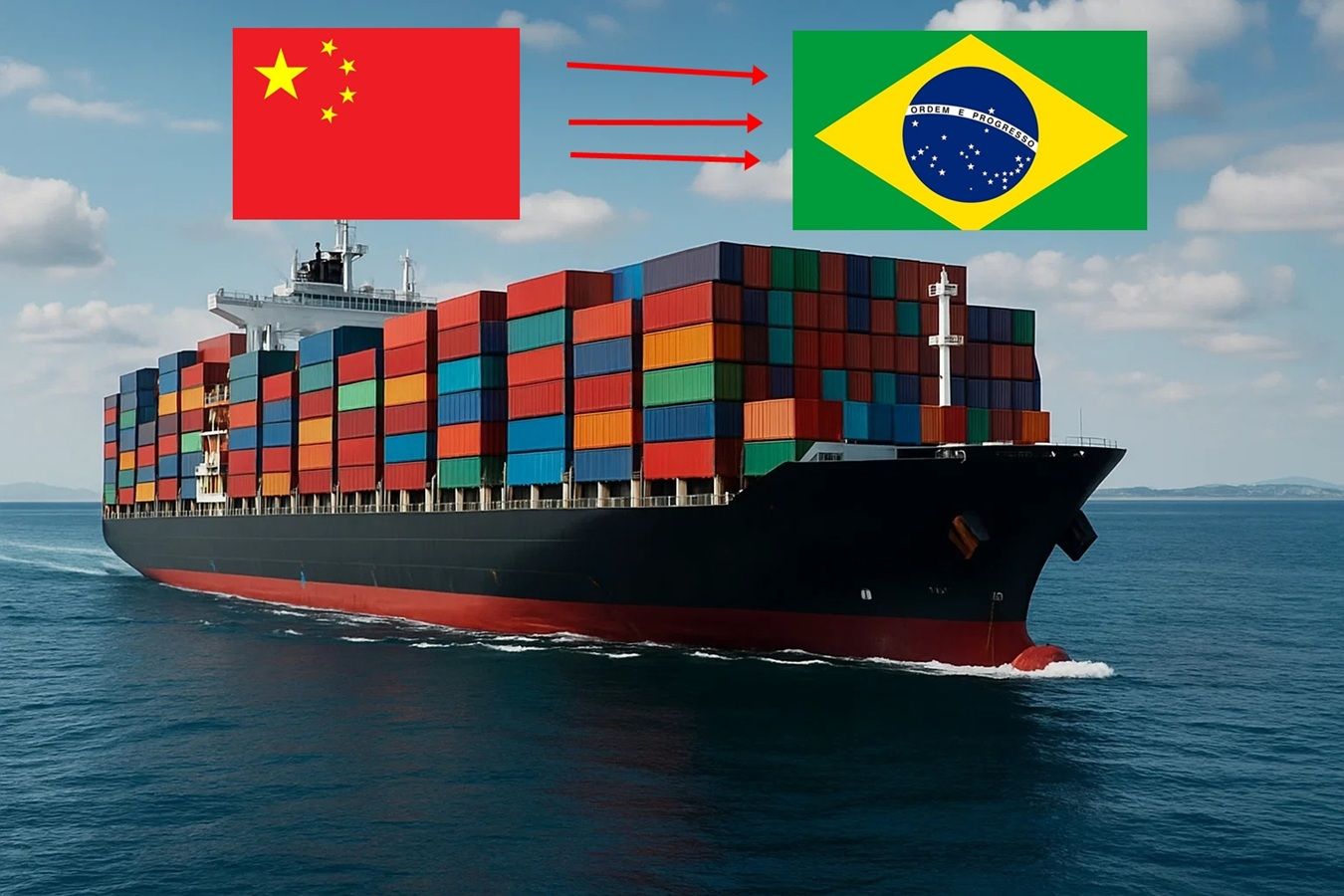
Brazil is one of Latin America’s largest import markets. Every year, thousands of businesses ship goods from China to major Brazilian ports and airports such as Santos (SSZ), Rio de Janeiro (RIO), and São Paulo (GRU).
Whether you are importing electronics, machinery, consumer goods, or e-commerce products, choosing the right freight solution can significantly reduce cost and delivery time.
This guide explains shipping cost, transit time, customs clearance, and the best freight options from China to Brazil.
China to Brazil Shipping Overview
China is Brazil’s largest trading partner, and shipping routes between the two countries are highly developed.
Most shipments move through these key gateways:
China Export Airports & Ports
- Shenzhen (SZX)
- Guangzhou (CAN)
- Shanghai (PVG)
- Xiamen (XMN)
- Ningbo (NGB)
Brazil Import Airports & Ports
- São Paulo–Guarulhos International Airport (GRU)
- Viracopos International Airport (VCP)
- Rio de Janeiro–Galeão International Airport (GIG)
- Port of Santos
- Port of Rio de Janeiro
Typical cargo types include:
- consumer electronics
- machinery and industrial equipment
- automotive parts
- furniture
- cross-border e-commerce products
For Brazilian importers, the three most common logistics solutions are:
- Air freight – fastest delivery
- Sea freight (FCL / LCL) – lowest cost for bulk cargo
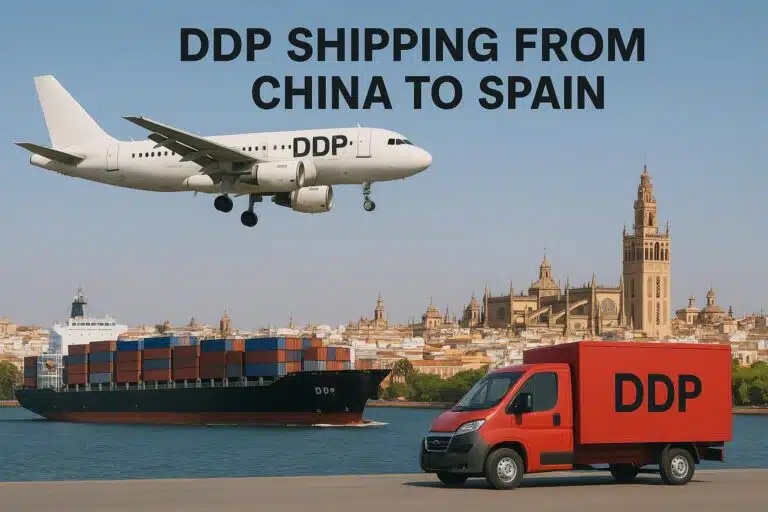
- Door-to-door DDP shipping – easiest option for new importers
Shipping Cost from China to Brazil
Shipping costs depend on cargo weight, volume, transportation method, and seasonal demand.
Below is a general cost estimate for common freight options.
| Shipping Method | Transit Time | Typical Cost |
|---|---|---|
| Air Freight | 5–10 days | $5 – $12 per kg |
| Sea Freight (LCL) | 30–45 days | $100 – $250 per CBM |
| Sea Freight (FCL) | 30–45 days | $2500 – $6000 per container |
Air freight is typically chosen for urgent shipments and high-value cargo, while sea freight is the most economical option for large or heavy goods.
How Long Does Shipping from China to Brazil Take?
Transit time varies depending on the transport method.
| Shipping Method | Transit Time |
|---|---|
| Air Freight | 5 – 10 days |
| Sea Freight | 30 – 45 days |
| Express Courier | 5 – 12 days |
Typical examples:
- Guangzhou → São Paulo air freight: 5–8 days
- Shenzhen → Santos sea freight: 30–40 days
- Shanghai → Rio de Janeiro sea freight: 35–45 days
Air cargo to Brazil is particularly suitable for urgent shipments because multiple airlines operate regular cargo services between major Chinese cities and Brazil through international hub connections.
Sea Freight from China to Brazil
Sea freight is the most cost-effective option for large shipments.
Major shipping routes include:
- Shenzhen (Shekou) → Santos
- Shenzhen → Rio de Janeiro
- Guangzhou → Santos
Typical transit time:
- Shenzhen → Santos: 30–40 days
- Shenzhen → Rio de Janeiro: 35–45 days
Common container options:
| Container Type | Capacity |
|---|---|
| 20GP | ~28 CBM |
| 40GP | ~58 CBM |
| 40HQ | ~68 CBM |
Sea freight options include:
FCL (Full Container Load)
Best for large shipments with stable supply chains.
LCL (Less than Container Load)
Ideal for smaller shipments under 15 CBM.
SSFESHIPPING works with carriers such as:
- MSC
- CMA CGM
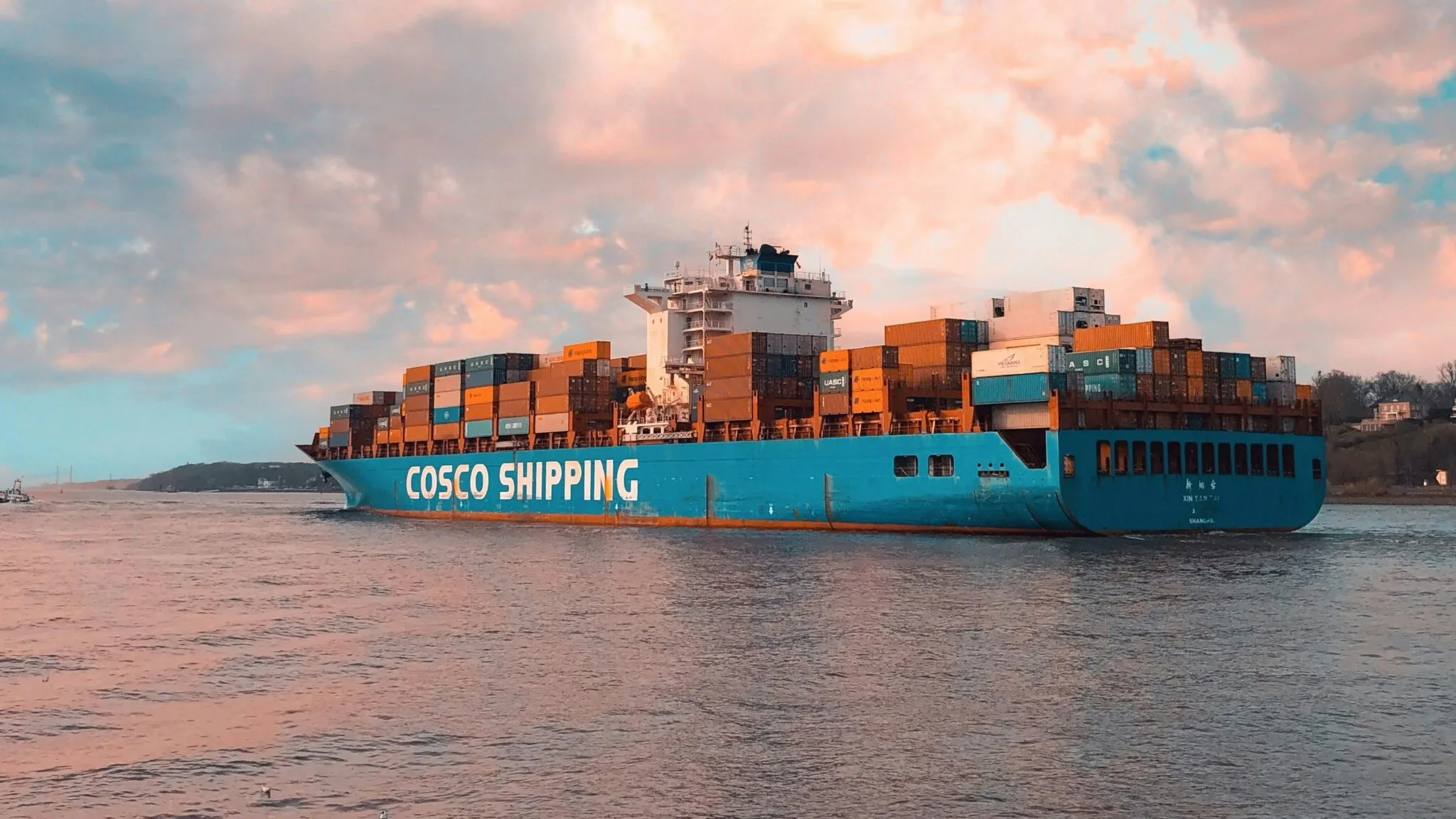
- COSCO
Providing weekly sailings from Shenzhen and Guangzhou to Santos, Rio de Janeiro, and other major Brazilian ports.
Brazil Customs Clearance Guide
Imports into Brazil are regulated by the Brazilian Federal Revenue Service (Receita Federal) under Brazil’s customs and foreign trade regulations.
To avoid delays or penalties, importers must prepare complete documentation.
Required Documents
- Commercial Invoice
- Packing List
- Bill of Lading or Air Waybill
- Import License (LI) or other permits (if applicable)
Additional Certifications
Some products require additional approval:
| Cargo Type | Certification |
|---|---|
| Electronics | ANATEL Certification (for applicable telecommunications products) |
| Food & Cosmetics | ANVISA Approval |
| Battery Products | UN38.3 and MSDS |
Incorrect declarations or missing documents can result in cargo delays, inspections, or penalties.
Air Freight vs Sea Freight: Which Should You Choose?
| Scenario | Recommended Mode | Transit Time | Cost Level |
|---|---|---|---|
| Urgent shipment (<500kg) | Air Freight | 5–10 days | High |
| Medium cargo (1–5 CBM) | Air + DDP | 10–20 days | Medium |
| Bulk cargo (>15 CBM) | Sea Freight (FCL/LCL) | 30–45 days | Low |
When Air Freight Is Better
- Urgent orders (garments, electronics)
- High-value goods
- Avoiding port congestion delays
When Sea Freight Is Better
- Large-volume shipments
- Cost-sensitive cargo
- Flexible delivery timelines
For bulk cargo, Sea Freight from China remains the most cost-effective solution.
Step-by-Step: How to Ship from China to Brazil
The international shipping process generally follows these steps:
- Choose the shipping method (air or sea freight)
- Prepare cargo details and shipping documents
- Export customs clearance in China
- International transportation
- Import customs clearance in Brazil
- Final delivery to the destination warehouse or address
Working with an experienced freight forwarder simplifies the entire process and reduces customs risks.