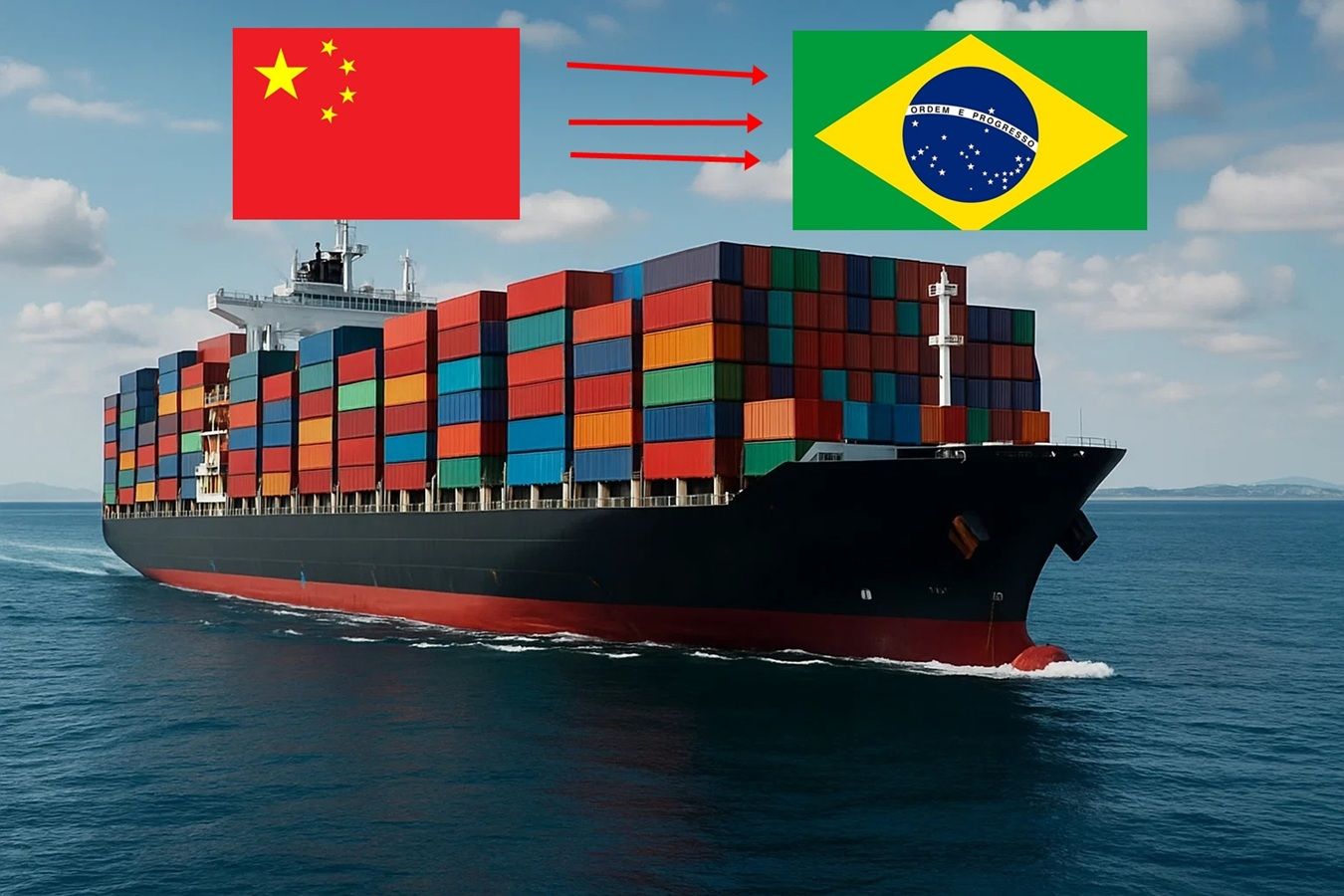
Any company engaged in international trade wants its goods to clear customs quickly and smoothly. However, in practice, customs clearance delays occur from time to time. To minimize the negative impact, it is crucial to understand the causes of customs clearance delays and how to resolve them.

Main Reasons for Customs Delays
Documentation Errors:
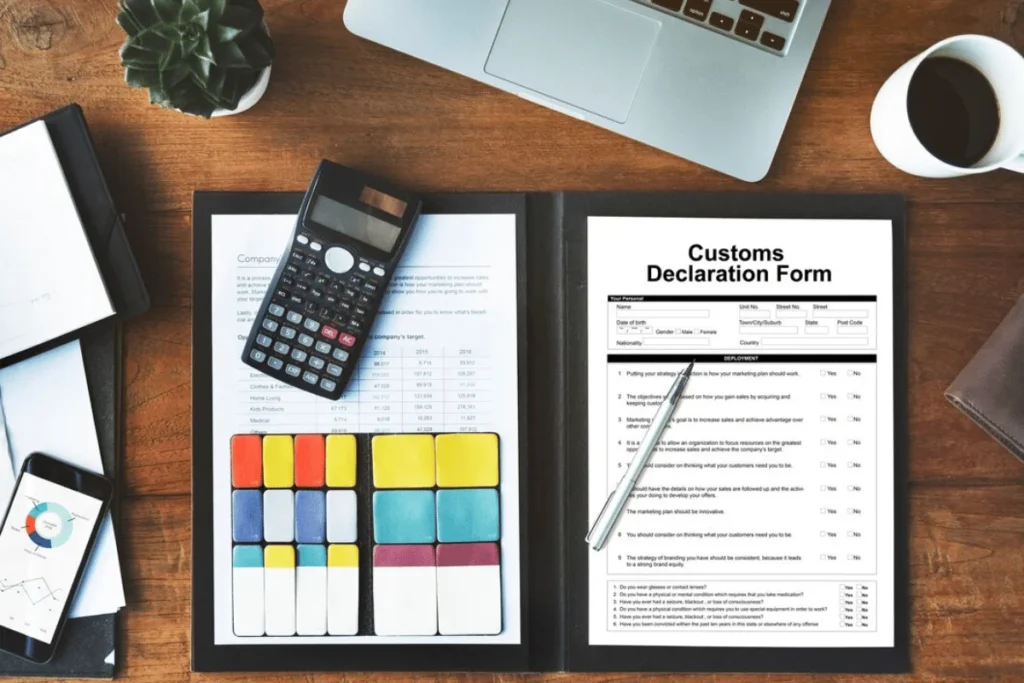
The most common cause of customs delays is inaccurate or incomplete paperwork. Even small mistakes can trigger inspections or require corrections, slowing down the clearance process. Common issues include:
- Incorrect customs valuation: If the declared value of the goods doesn’t match the actual value, customs authorities may flag the shipment for review.
- Weight discrepancies: Differences between the net and gross weight listed on documents versus the actual shipment can lead to delays.
- HS/HTS code errors: Using the wrong commodity code may require document revisions, which takes extra time.
- Technical errors: Simple mistakes, such as typos or mismatched details between the customs declaration and supporting documents, can also hold up clearance.
Solution: To avoid such delays, it is recommended that you carefully check all documents before sending goods to customs and contact a professional broker for assistance with registration.
Lack of Documentation
Another common reason for customs delays is missing paperwork. Customs clearance requires a complete set of documents, and for certain types of goods, authorities may request additional certifications. Examples include:
- Certificates of conformity or quality certificates
- Import licenses for restricted items
- Certificates of origin
Solution: Before shipping, double-check that you have all required documents prepared, and keep extra copies on hand in case customs asks for additional verification.
Customs Payment Debts
Unpaid customs duties are another common reason for shipment delays. These often occur when the customs valuation of goods changes or when the HS code is adjusted, resulting in additional charges. Payment delays can also trigger fines and penalties, further holding up your cargo.
Solution: Monitor your payment status regularly to avoid missed or late payments. If you discover an outstanding balance, settle it as quickly as possible to prevent additional fees and delays.
Seizure or Confiscation of Goods
In some cases, customs authorities may decide to seize or confiscate goods. This can happen under circumstances such as:
- Missing identification marks or labels raise concerns about authenticity
- Questionable or incorrect product documentation
- Evidence that the goods may be prohibited from import
If a seizure occurs, customs will issue a formal seizure report, which typically includes:
- A detailed list of the seized goods
- Identifying details of the goods and the transporting vehicle
- Information about the individual involved in the seizure
- Information about the legal owner of the goods
Resolution: Once you receive a copy of the seizure report, consult with a customs broker or attorney right away. They can help you understand the reasons for the seizure and guide you through the steps needed to resolve the issue and, if possible, secure the release of your goods.

How to Avoid Customs Delays
To reduce the risk of delays at customs, consider the following best practices:
1. Work with a Customs Broker
Customs brokers are experts who can help ensure all paperwork is completed accurately and submitted on time. They also stay updated on changes to laws and regulations, helping you avoid costly mistakes.
2. Prepare Documentation Carefully
Before shipping, double-check that all required documents are complete and accurate. Commonly needed documents include:
- Customs declaration
- Invoice or commercial invoice
- Certificates of quality or conformity
- Proof of duty payment
3. Monitor Payments Regularly
Stay on top of customs payments to avoid late fees and penalties. Use electronic declaration systems with automatic alerts to track payment deadlines and ensure all outstanding balances are cleared promptly.
Summary
Delays at customs are unpleasant, but not insurmountable. The main reasons for delays are likely to be incorrect documentation, missing documents, late payment, or seizure of goods. To avoid such issues, ensure that you prepare all documents carefully, work with a professional customs broker, and pay customs duties on time. By following these recommendations, you can significantly reduce the likelihood of delays and avoid negative impacts on your business.