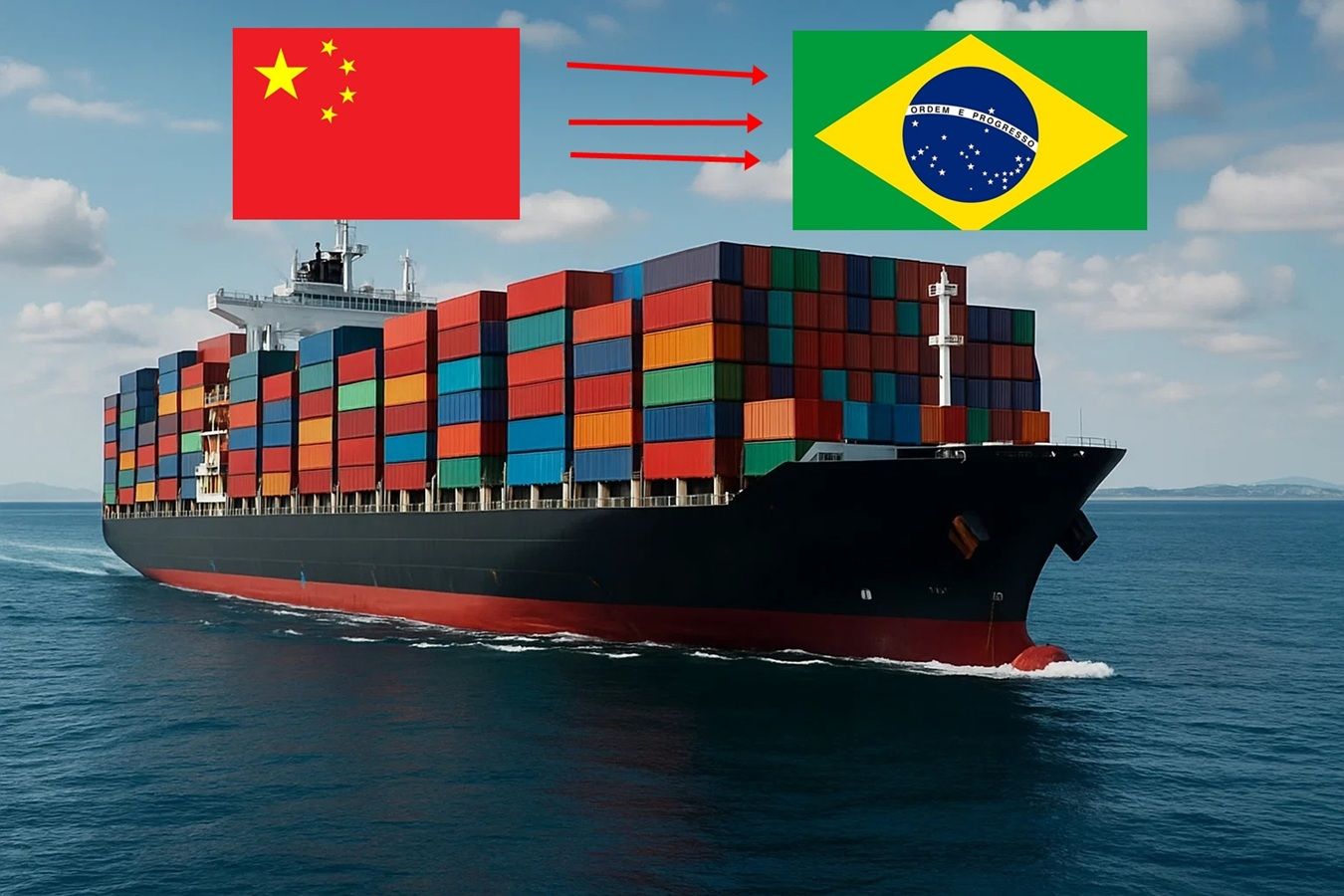
Soaring U.S.-China tariffs have sent international container shipping rates skyrocketing. Meanwhile, a shortage of vessels, sluggish port activity, and persistent shipping delays are throwing global supply chains into disarray. Even with these hurdles, container freight rates swing wildly, swayed by geopolitical uncertainty and ever-changing market forces.
Are you interested in understanding the true dynamics of the global shipping market? In this article, we will unravel the latest freight rate trends, uncover the forces behind their ups and downs, and guide you through practical, straightforward ways to research and analyze shipping rates yourself.

Container Freight Rate Changes 2021-2025

2020 to 2021: Container Freight Rates Surge
In the summer of 2020, global container freight rates skyrocketed, with routes from China to Japan seeing similar dramatic spikes. Experts identified four key forces fueling these soaring costs and widespread shipping turmoil.
1. Reduced Supply of New Containers Due to U.S.-China Trade Tensions
Ongoing trade tensions between the United States and China since 2018 have contributed to a worldwide decline in new container production and availability.
2. Rapid Growth in Import and Export Demand
China’s manufacturing engine roared back to life just as households across Europe and the United States ramped up spending, sending import and export volumes surging to new heights.
3. Decline in Port Efficiency
Ports struggled under the weight of the COVID-19 pandemic and labor disputes, causing cargo to move at a crawl and ships to wait longer for their turn.
4. Shortage of Container Transport Resources
A chronic lack of truck drivers and chassis put even more pressure on inland transport, turning the movement of goods into a logistical bottleneck.
Climbing fuel prices and charter rates piled on extra surcharges, squeezing budgets even tighter. Meanwhile, unreliable schedules and constant delays made container space scarce and deepened the shortage of empty containers.
2022–2023: Container Freight Rates Decline in the Second Half
Container freight rates reached record highs in early 2022 and stayed high until midyear. In August, rates for shipping from Shanghai to Europe and the United States dropped rapidly. By mid-October, shipping a 40-foot container to the U.S. West Coast cost $2,097, an 80% fall from the February peak of $8,117.
Container imports at the Port of Los Angeles fell below pre-pandemic levels, so shipping lines canceled over 20% of scheduled sailings. Industry analysts noted demand faded faster than expected, rapidly cooling the container shipping market.
Key Factors Behind the Decline in Freight Rates
1. Economic Slowdown and Weaker Consumer Spending
A global economic slowdown and rising inflation reduced consumer demand for big-ticket durable goods. Importers cut inventories, reduced shipping volumes, and eased container transport pressure.
2. Resolution of Container Shortages
The supply of shipping containers recovered as factories increased production and empty containers returned where needed. This change eased shortages that previously challenged the industry during the pandemic.
3. Deployment of Additional Temporary Vessels
Carriers deployed temporary ships and extra services for earlier demand surges. These new vessels increased transport capacity, driving freight rates lower.
2024: Factors Driving Container Freight Rate Increases and Volatility
After a steady decline through 2023, ocean freight rates began rising again in early 2024, driven by a series of international disruptions. The Red Sea crisis, the US East Coast port strike, and new US tariff hikes on Chinese goods have significantly affected global shipping operations. Many vessels have been forced to reroute around the Cape of Good Hope to avoid the Suez Canal, resulting in longer transit times, higher fuel costs, and reduced shipping capacity.
At the same time, unexpected demand growth, driven by expanding e-commerce and widespread inventory restocking, has put more pressure on the market. In the Asia-Pacific region, vessel utilization rates are now over 100%, so carriers are giving priority to high-value and urgent cargo instead of lower-yield shipments.
Labor strike risks and the introduction of peak season surcharges have made supply and demand imbalances worse, causing more freight rate fluctuations. While adding new vessels has helped increase capacity a bit, ongoing geopolitical issues are still disrupting the market’s recovery.
For shippers whose core business depends on international trade, this heightened volatility presents a serious challenge. In such an environment, it is more critical than ever to understand the dynamics of container shipping and to select the most efficient and cost-effective transportation strategy to maintain stability and profitability.
Container Freight Rate Trends for 2025
The global container shipping market is facing significant challenges in 2025, as freight rates are falling and volatility is increasing. Recent figures from Freightos and FreightWaves reveal that rates from Asia to the U.S. West Coast, U.S. East Coast, and Europe have tumbled since the start of the year. The cost to ship a 40-foot container to the U.S. West Coast now hovers around $1,400 to $1,700, marking a dramatic drop of more than 50% from its peak. A sluggish global economy, tepid demand, and ongoing uncertainty in U.S.-China trade relations fuel this sharp decline. Surplus capacity relentlessly presses the market as importers reduce their orders and port activity decreases.
At the same time, many new ships will start operating in 2025, which will increase global shipping capacity and drive prices down. Disruptions like the Red Sea crisis and regional strikes still affect some routes, but these issues are short-lived compared to the impact of extra capacity. Carriers have tried to stabilize the market by canceling some sailings and reducing departures, but freight rates remain weak and unpredictable.
In the future, the shipping market anticipates a prolonged low-price cycle from late 2025 to early 2026. For shippers, this spells an opportunity to revisit long-term contracts and sharpen their transportation strategies. However, shippers must remain vigilant about service reliability, additional fees, and evolving geopolitical landscapes. Expect container freight rates to fluctuate at subdued levels in 2025, with occasional rebounds as competition intensifies and negotiations become more strategic.
The Three Main Components of Container Freight Charges
International maritime container freight charges are based on rates agreed upon by shipping conferences, comprising base freight rates, surcharges, and regional charges. This freight structure serves as an exception, allowing restrictions on competition within the same shipping route. Each component is explained below.
1. Basic Rate (Ocean Freight)
The basic rate forms the foundation of transportation charges and is categorized into two types: item-specific rates and item-independent rates.
Item-Specific Freight Charges
Freight charges vary based on cargo type, shape, packaging, etc., and are calculated according to the following standards:
Cubic Measurement Basis
Freight is calculated by cargo volume, measured in cargo tons (1.133 cubic meters or 1,000 kilograms, whichever is greater).
Weight
Calculated by weight. This rate is applicable to goods that have a small volume but a high weight, and it is measured in freight tons.
Ad Valorem Rate
This rate is applicable to valuable goods such as precious metals and high-value items. Freight is determined by multiplying the cargo value by a specified percentage.
Non-Discriminatory Rate
This is a container-based freight rate, independent of cargo type. Known as the “box rate,” it is calculated per container.
2. Surcharges
These charges are added to the base fare and vary based on shipping conditions and costs. Major surcharges include:
Bunker Adjustment Factor (BAF)
A surcharge adjusted according to fuel price fluctuations. The name varies by route (e.g., BS, EBS) but is typically calculated per tonnage or container.
Currency Adjustment Factor (CAF)
A surcharge is applied to compensate for exchange rate fluctuations. When the Japanese yen appreciates, a “YAS (Yen Appreciation Surcharge)” may be levied.
Terminal Handling Charges (THC/CHC)
Charges for using container yards differ between Full Container Load (FCL) and Less than Container Load (LCL) shipments.
Other Surcharges
Additional charges may apply depending on circumstances, such as Peak Season Surcharge (PSS) during seasonal demand spikes, Congestion Surcharge due to port congestion, and document preparation fees (D/O Fee, DOC Fee).
Specific Area Charges
Specific surcharges apply to each route and region. Below are some typical examples:
China Routes
- SPS (Shanghai Port Surcharge)
- CRS (China Route Surcharge)
- CRC (China Route Charge)
- DCF (Documentation Charge Fee)
- System Fee (typically incurred when processing shipments from Chinese freight forwarders)
Taiwan
- KAC (Keelung Port Export Cargo Charge)
South Korea
- CNTR TAX (tax levied on containers exported from South Korea)
- Terminal Fee (port usage charge)
North America
- SPSC (summer peak surcharge applicable to North American ocean freight)
- AMS (Applies to shipments to North America and the EU. A processing fee is charged to comply with the 24-hour rule.
Canal Tolls
Additional fees apply when using routes that transit through canals.
- STF (Suez Canal Transit Fee)
- PCS (Panama Canal Transit Fee)
Therefore, charges vary by country and route. It is crucial to consult your freight forwarder to confirm details and obtain precise information.
How to Obtain Container Freight Rates
Before you ask a freight forwarding agent for transportation services, take some time to look up current market rates for container freight. This helps you check if the quotes you receive are fair and gives you a better position to negotiate prices.
One easy way to check container freight rates is to use online search tools from shipping lines, freight forwarders, or transportation consulting companies.
By researching freight rates yourself and understanding market prices, you can not only determine the validity of a freight forwarder’s quote but also use this knowledge as a valuable tool for price negotiations. Furthermore, comparing different service providers helps you select the most cost-effective shipping option.