
International sea freight holds a leading position in global logistics due to its unique advantages. Statistics show that over 80% of global trade is conducted through this method. If you’re seeking a reliable and cost-effective means of transcontinental transportation, it’s crucial to understand when sea freight is the optimal solution. Let’s explore the key criteria for choosing sea freight, its benefits, and the specific organizational details involved.
Definition of Sea Freight
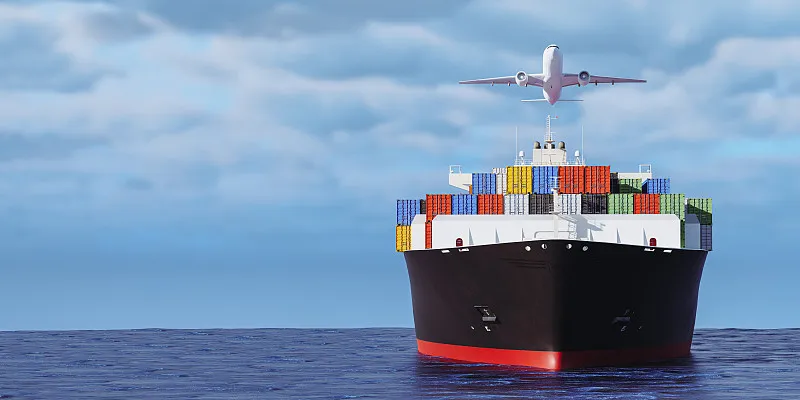
Maritime transport refers to a mode of transportation that uses ships to transport goods and passengers between ports in different countries and regions through sea lanes. It is one of the most important modes of transportation in international trade, with the characteristics of large transportation volume and relatively low cost. Maritime transport can connect ports all over the world to realize large-scale transportation of goods and trade exchanges.
Why is ocean freight so popular in international logistics?
Maritime transport plays a pivotal role in global trade for the following reasons:
- Cost-effectiveness: Ocean freight costs are significantly lower than air freight, and shipping large or heavy cargo is often more cost-efficient than road transport.
- Global Accessibility: Maritime routes connect nearly every country worldwide, making it the universal method for international shipments.
- Environmental Sustainability: Modern vessels incorporate technologies to reduce carbon dioxide emissions, a priority for environmentally conscious companies.
- Scalability: The ability to consolidate multiple containers or shipments from different clients optimizes costs.

Key Advantages of Sea Freight
Let’s examine why sea freight is considered one of the most efficient modes of transportation:
- Cost-Effectiveness: Sea freight is one of the most economical transportation methods, particularly for bulk cargo. The average cost per container is significantly lower than other modes of transport.
- High Capacity: Modern vessels can carry vast quantities of cargo, including oversized and heavy-lift goods. For example, Ultra Large Container Vessels (ULCVs) can transport up to 24,000 Twenty-Foot Equivalent Units (TEUs).
- Versatility: Sea freight accommodates nearly any cargo type, from foodstuffs to industrial machinery. We offer diverse container options: standard containers, refrigerated containers, open-top containers, and flat-rack containers for oversized cargo.
- Safety: With strict adherence to packaging and securing regulations, the risk of cargo loss or damage is minimal. Modern tracking systems enable real-time cargo location monitoring.
When is it worth choosing Sea freight?
Sea freight becomes the preferred option under the following circumstances:
Large-scale shipments: If you need to transport substantial cargo (e.g., exceeding 20 tons), ocean freight offers the most cost-effective solution. This is particularly relevant for retailers, manufacturers, and distributors.
Long-distance transportation: For transcontinental international shipments, it remains one of the most economical choices. For instance, a China-Europe Sea freight route takes approximately 30-40 days but costs significantly less than air freight.
Flexible Delivery Timelines: When speed isn’t critical, ocean freight can deliver substantial budget savings. This is especially important for seasonal goods or products with extended shelf lives.
Specialized Cargo: For hazardous materials, oversized items, or goods requiring specific handling conditions, Sea freight is often the only viable option. Examples include chemical shipments or large-scale equipment transport.
What factors influence the choice of Sea freight?
When deciding on a Sea freight solution, several key aspects must be considered:
- Cost: Comparing costs across different modes of transport, sea freight offers the most economical rate per kilometer. However, port fees, tariffs, and other additional charges must also be factored in.
- Reliability: Guaranteed on-time delivery and minimized risk of loss make this mode highly attractive to businesses. Selecting a reputable and reliable carrier is crucial.
- Logistics Infrastructure: Well-developed port infrastructure in both the origin and destination countries is essential. Ports must feature modern terminals and the capacity to handle large vessels.
- Cargo Characteristics: When planning routes, carefully consider the weight, volume, and specific properties of the goods. For instance, perishable goods require refrigerated containers.

How to Prepare for Sea Freight?
To ensure smooth delivery of sea cargo, the following key steps must be followed:
- Select container type: Choose the appropriate container based on cargo characteristics (dimensions, weight, temperature requirements): standard container, reefer container, open-top container, or flat-rack container.
- Proper packaging: Packaging must protect cargo from environmental impacts (humidity, temperature fluctuations) and mechanical damage during transit.
- Cargo insurance is crucial for safeguarding the interests of both shippers and consignees. Insurance providers offer various risk coverage plans.
- Schedule planning: It is vital to account for customs clearance times, port loading/unloading durations, and potential delays due to weather conditions.
Conclusion
Sea freight is a reliable and cost-effective mode of international cargo transportation. It is particularly well-suited for handling bulk, oversized, or specialized cargo where cost is a critical factor. To ensure maximum efficiency and safety, it is essential to meticulously plan each stage of the shipment and entrust the logistics to professionals with international shipping expertise
Therefore, sea freight emerges as the optimal choice when dealing with bulk cargo, long-distance transport, and situations requiring cost efficiency without compromising shipment reliability.

