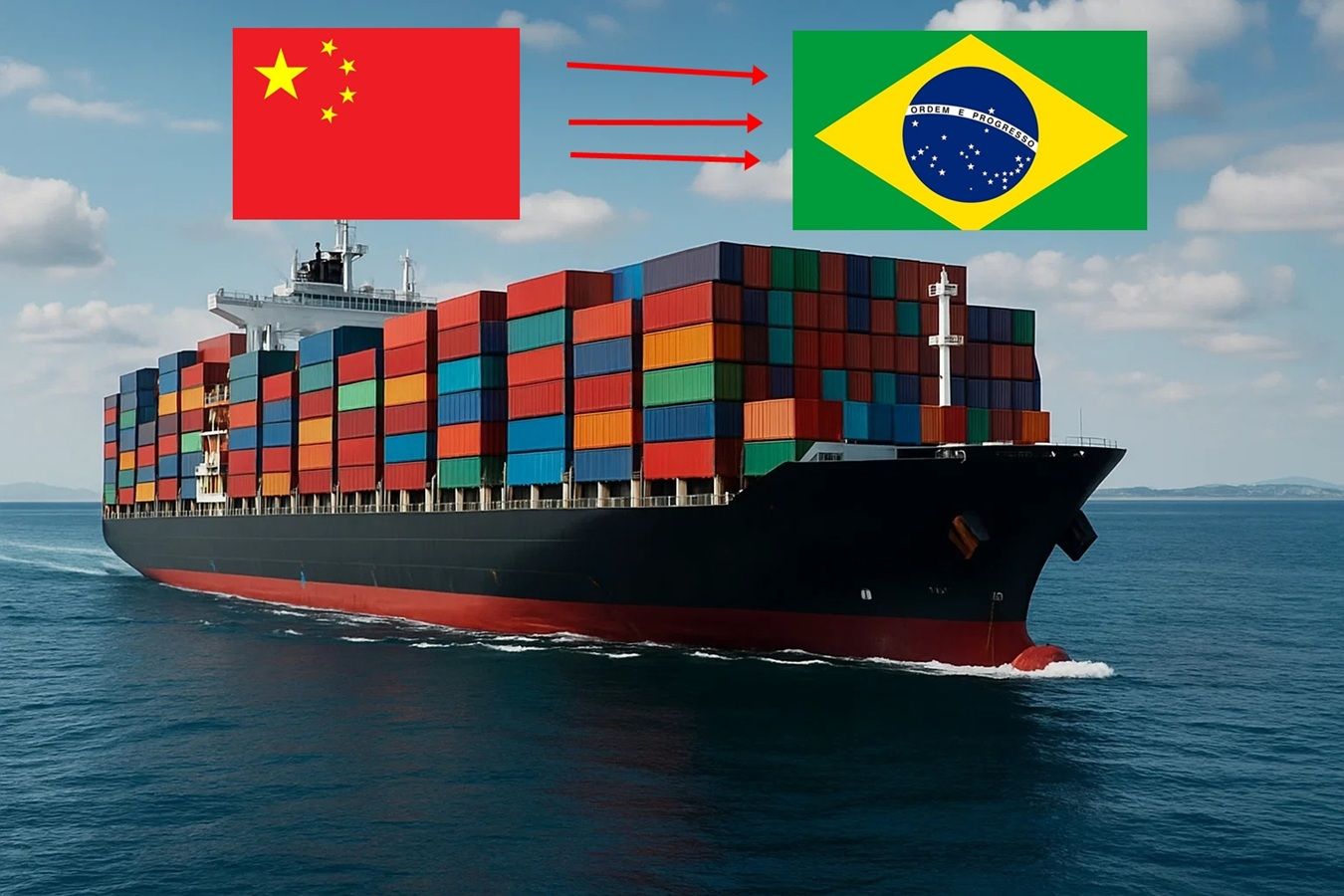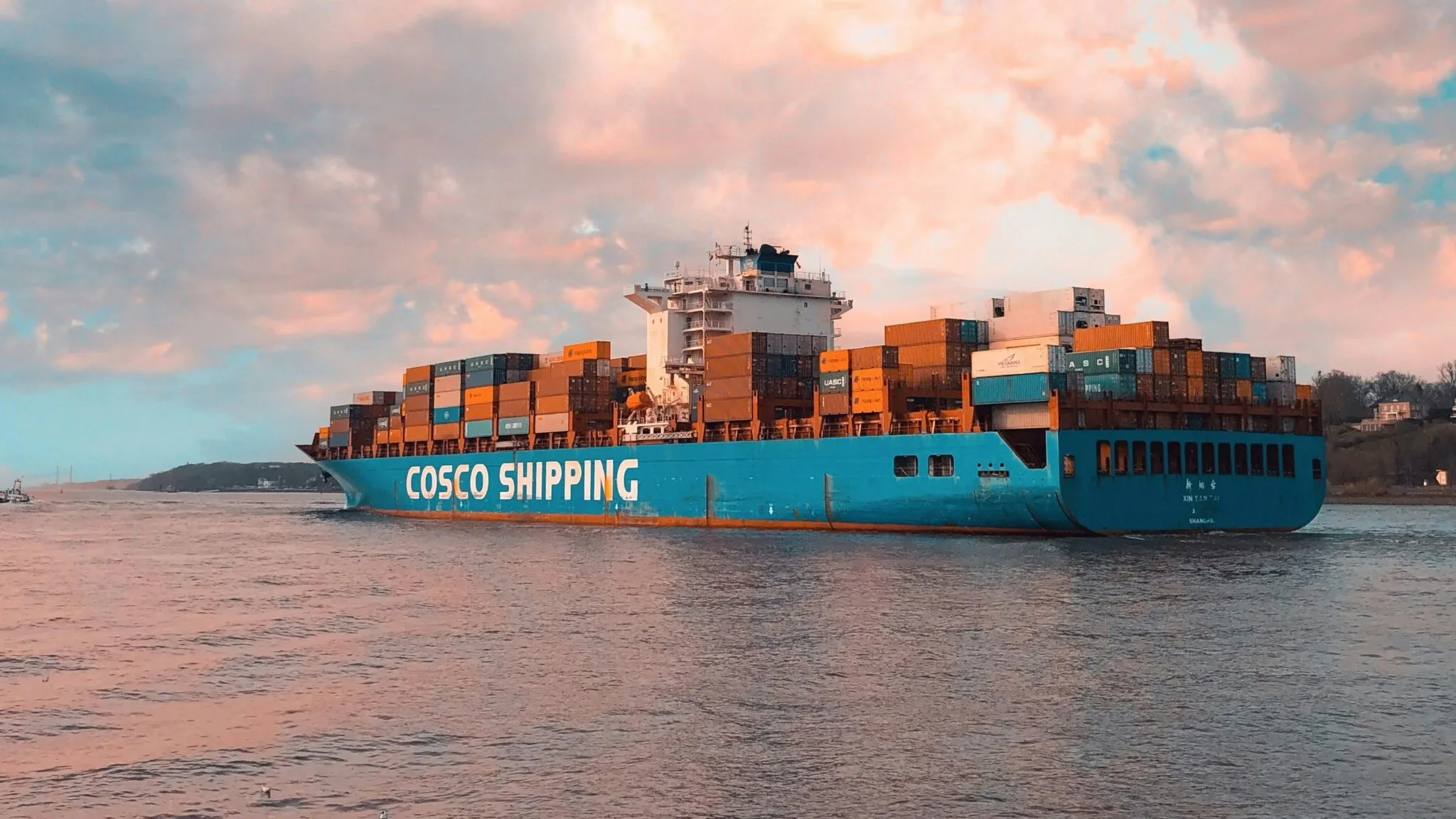
In the case of imports, from the arrival of foreign goods at the port or airport until the shipper picks up the goods, the containers or goods must be moved to a designated storage place (a bonded area) and cleared for customs. Therefore, the containers or goods must be stored temporarily.
A large amount of foreign goods enter ports and airports every day, and if it takes a long time to collect imported goods, warehouses will be filled with containers and goods.
If a large number of containers are gathered at one port, there is a risk that there will not be enough containers for trade with other countries. Therefore, each port and airport has a grace period for storing or lending containers, allowing imported goods to be picked up in a timely manner. If this period is exceeded, excess charges and late fees will be incurred.
In this logistics brochure, we will explain the concepts of ‘free time’, ‘demurrage’, and ‘detention charges’ for imported goods.

What is Container Idle Time?
In ocean freight, containers are usually provided by the shipping lines. The container free period refers to the grace period allowed for returning the borrowed container to the carrier.
This free period generally covers two stages:
- Port Storage Period – The time during which containerized cargo is stored at the Container Yard (CY) or Container Freight Station (CFS) after arrival.
- Container Lease Period – The time from when the container is picked up from the port until it is returned to the designated depot (vanpool) specified by the shipping line.
In air freight, a similar concept exists, where goods can be stored in a bonded warehouse for a limited free time. However, unlike sea freight, this period is much shorter—typically only 24 hours starting from the day after arrival.
If the storage or lease period is exceeded, the consignee will face penalties such as demurrage charges (for extended storage) or detention charges (for late return of the container). To avoid these costs, importers must ensure that containerized cargo is promptly picked up, customs-cleared, unpacked, and returned within the free period.

Free time
The length of the free period varies depending on the destination, shipping line, container type, and other factors. Key points in determining the free period include the following:
① Jurisdiction
When verifying the container free time, it is essential to confirm in advance how long it will take from the container’s arrival until its return, and which authority governs the storage charges and related rules.
In most cases, the shipping line that provides the container is responsible for administering these charges. However, in some countries, the terminal operator or port authority may also oversee and impose the relevant fees.
② Commencement Date
When reviewing container free time, it is important to verify the commencement date for both the storage period and the lending (lease) grace period.
- Storage Period: Typically begins on the day the container arrives at the port or storage facility.
- Lending Grace Period: Usually starts on the day the container is picked up or on the day following pickup.
Understanding these start dates is crucial to avoid unexpected demurrage or detention charges.
③ Method of Calculating the Number of Days
The method used to calculate the number of free days is also critical, as it directly affects the effective free period.
Some shipping lines include weekends and public holidays in the calculation, while others exclude them. This distinction is important because import formalities, such as customs clearance, typically occur only on working days. If weekends and holidays are excluded, the actual time available to pick up and return the container may be shorter than expected, potentially leading to demurrage or detention charges.
④ Container Type
The number of free or idle days for a container can vary depending on its type.
- Dry Containers: Generally have the longest storage and lease periods.
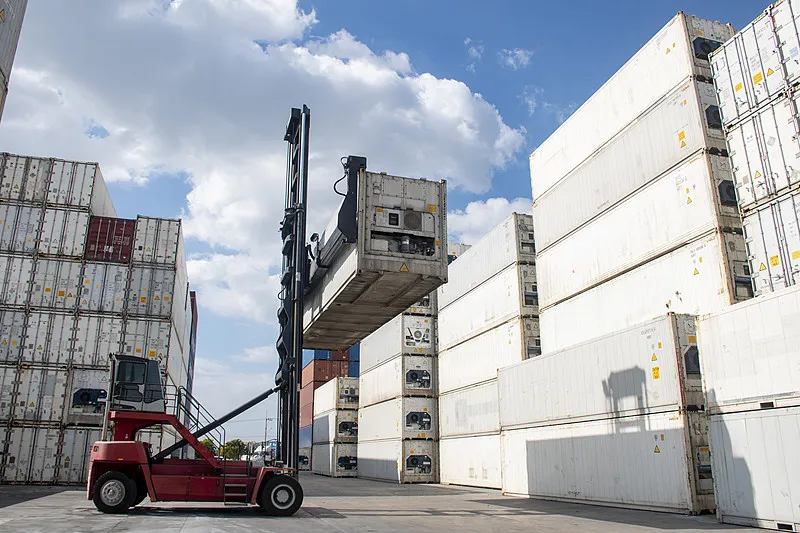
- Specialized Containers: Frame containers, open-top containers, and reefer containers typically have shorter free periods.
Reefer containers, used for temperature-sensitive goods such as food, cosmetics, and pharmaceuticals, often require special attention. It is essential to verify in advance whether the free time varies by container type.
Additionally, since these goods are often subject to additional regulations, such as import licenses and safety approvals, customs clearance may take longer than for standard cargo. Proper planning and preparation for all required procedures are essential to minimize delays and associated risks.
About Demurrage Charges
As mentioned earlier, penalties are incurred if the free time is exceeded. When goods remain in the Container Yard (CY) or Container Freight Station (CFS) beyond the allowed storage period, an additional fee known as demurrage will be charged.
Demurrage is a non-taxable charge applied while cargo is stored in bonded areas such as CY or CFS. The longer the storage period, the higher the cumulative daily charges become. Failing to manage this properly can lead to significant and unexpected costs.
To avoid such issues, it is advisable to begin preparations for cargo pickup and customs clearance as soon as the arrival notice and shipping documents are received, before the shipment arrives at the port.
Difference Between Demurrage and Detention
Demurrage refers to the fee charged when a container remains at the port or terminal beyond the free storage period.
Detention, on the other hand, is incurred when a container borrowed from the shipping line is not returned within the agreed free period after being taken out of the port. Unlike demurrage, detention is considered a domestically incurred expense and is therefore taxable.
To return a container, the consignee must first unload (unpack) the cargo, clean the container if necessary, complete any required procedures, and then deliver the empty container to the return depot designated by the shipping line.
Because this process requires coordination of resources—such as drivers for container transport and workers for unloading—it is essential to plan in advance, especially if multiple containers or large volumes of cargo are expected upon arrival.
Conclusion
In this article, we explained the concepts of free time, demurrage, and detention charges. These mechanisms are designed to encourage efficient container turnover, ensuring that cargo is customs-cleared, unloaded, and the container returned as quickly as possible after arrival.
It is also important to clarify in advance, at the time of signing the contract, which party—the exporter or the importer—will ultimately bear any potential demurrage or detention costs.