“Port of Loading” is a common term in shipping documents, but many new importers and exporters may not fully understand its meaning. In this article, Hongocean will explain what a Port of Loading is, its significance, key factors to consider when choosing one, and the processes involved. Let’s dive in!

What does “Port of Loading” mean in international shipping?
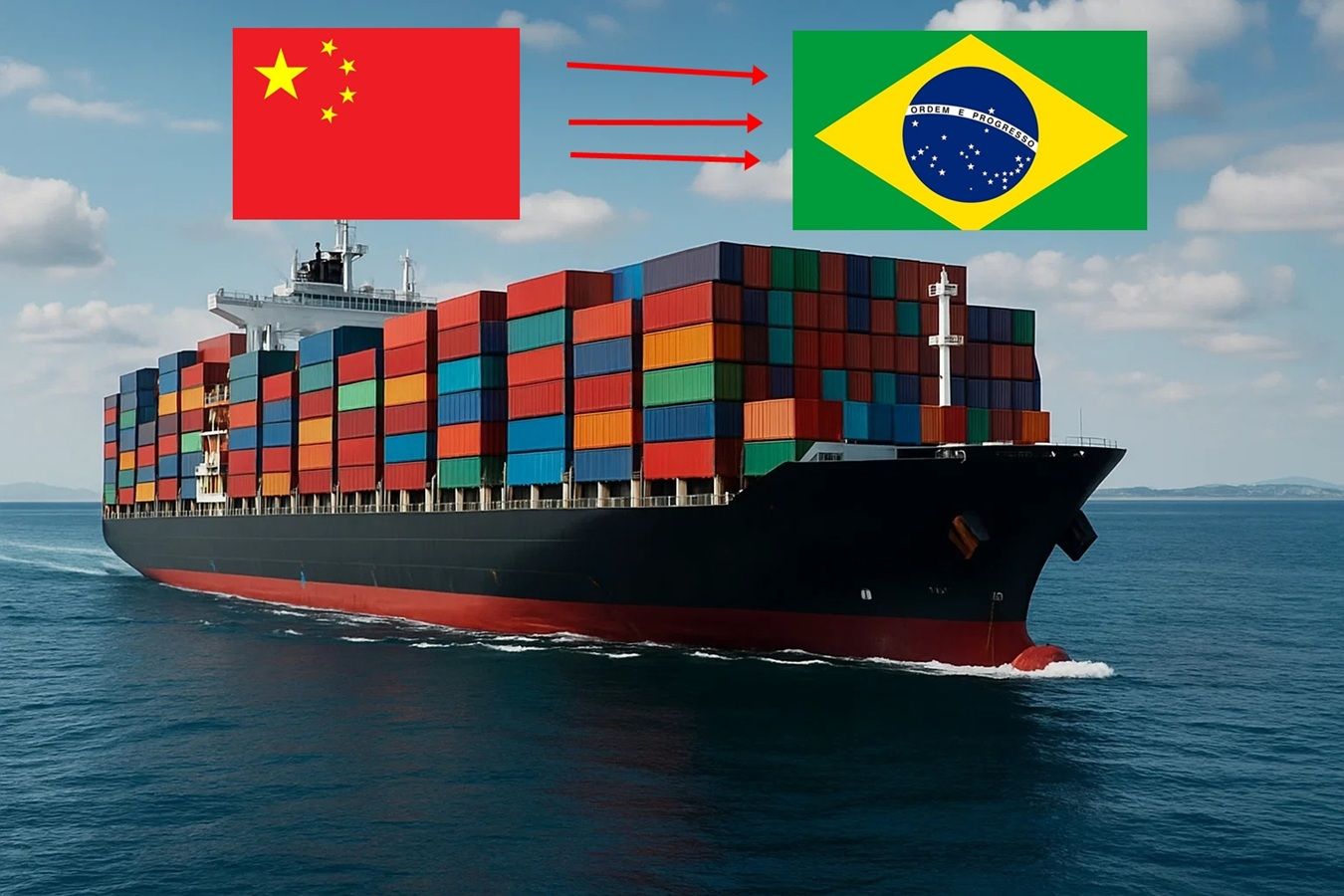
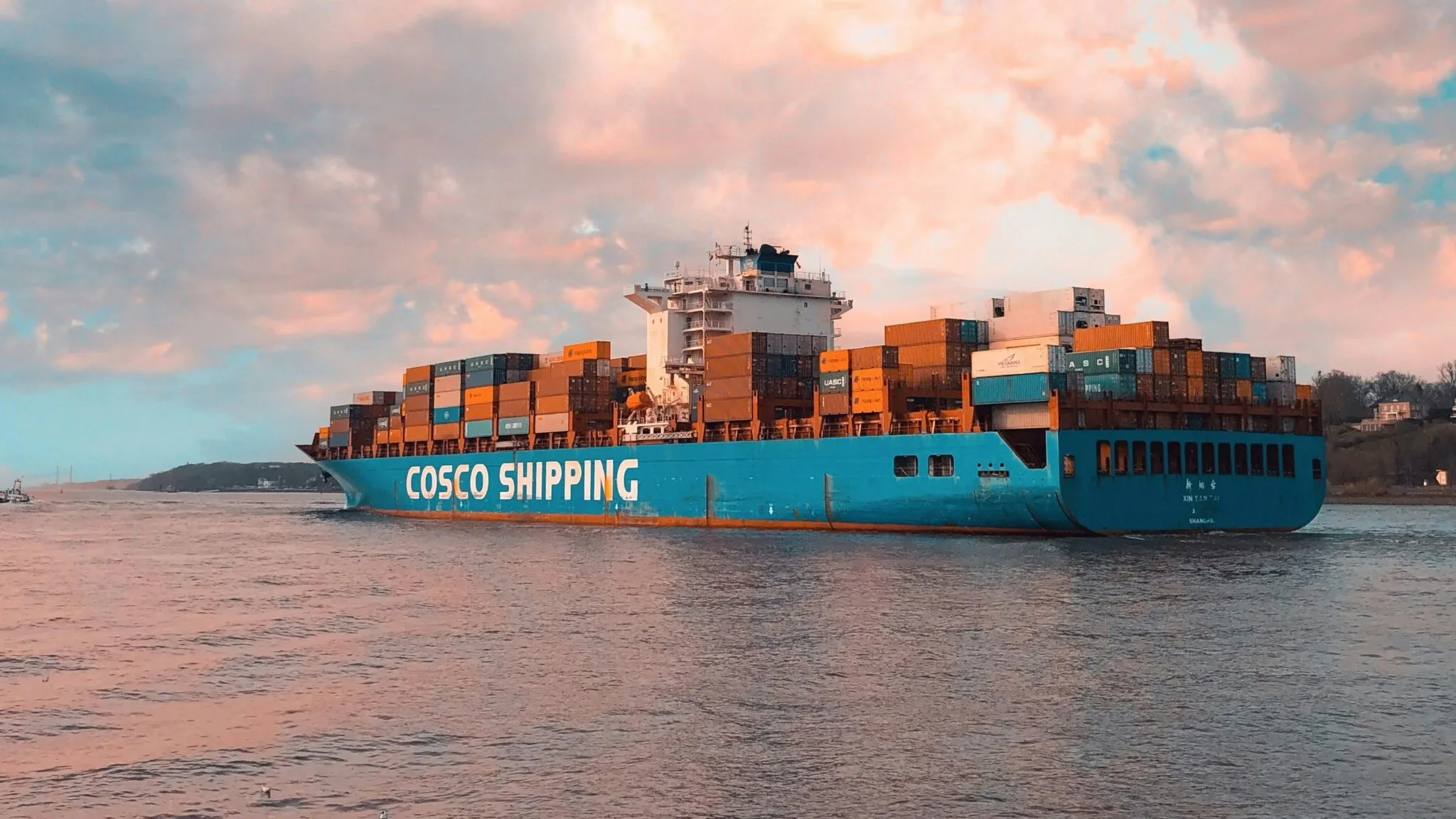
Port of Loading (POL) is a term used in the import/export and logistics industry to refer to the port where goods are loaded onto a ship or conveyance to begin the international transportation process. In ocean transportation, the port of loading information is usually shown on the bill of lading, indicating the specific port where the goods are to be loaded onto the ship.
Unlike bulk cargo transportation, containerized cargo may be loaded or unloaded at multiple ports, and the term “port of loading” applies only to the specific cargo. In air transportation, the equivalent term is “airport of loading” (AOL).
Impact of port of loading on sea freight
The port of loading has many impacts on sea freight, which are specifically manifested in the following aspects:
- Transportation costs: The choice of port of loading directly affects transportation costs. If the port is far from the place of production or consumption, the transportation cost will increase. In addition, ports with higher service charges will also increase logistics costs.
- Transportation Time: The port of loading determines the waiting time for loading. Ports with high vessel traffic are prone to congestion, which increases waiting times and leads to transportation delays. This affects the speed of delivery and can lead to port congestion charges (PSS).
- Cargo quality: Cargo security depends on port infrastructure and services. If the port of loading does not ensure security standards, cargo can easily be damaged or lost during loading and unloading.
- Regulatory compliance: Each port has its own legal requirements and regulations. Choosing the right port of loading helps companies to comply with local regulations and avoid legal issues.

Criteria for selecting a port of loading
Several factors must be considered when selecting a port of loading to ensure a smooth and efficient transportation process. Key criteria include:
- Geographic location: The port of loading should be located near the place of production or consumption to minimize transportation costs and time. The right geographic location helps to optimize routes and reduce logistics costs.
- Transportation services: The quality of port services, including loading, unloading, warehousing, and packaging, can impact transportation efficiency. Good port services help ensure cargo security and reduce loading and unloading times.
- Legal and regulatory requirements: Each port has different security, environmental, customs, and tax regulations. Ensuring compliance with these regulations can help avoid legal risks, fines, or cargo detention.
- Cargo types: Some ports specialize in specific types of cargo, such as liquids (e.g., oil, chemicals) or solids (e.g., wood, cement). Choosing the right port based on the type of cargo will help ensure a safe and professional loading and unloading process.
- Time requirements: Ensure that the port has the capacity to meet loading and unloading times and transportation schedules that are consistent with delivery requirements, especially when tight deadlines need to be met.
Port of Loading Process
The port of loading, import and export process includes many different steps to operate in a uniform process to ensure that the goods are transported safely and in compliance with the regulations, as follows:
- Receiving: Inland goods are transported to the port of origin, and the shipper must ensure that all customs clearance procedures have been completed and that the cargo information matches that on the shipping documents. The transportation unit is responsible for transporting the goods to the port and handing them over to the port authorities.
- Quality Inspection: Prior to shipment, customs inspect the cargo to ensure that it complies with the law, meets the quality requirements, and conforms to the export documents.
- Customs formalities: The exporter must complete customs formalities at the port, including submitting documents such as bills of lading, commercial invoices and certificates of origin to the customs authorities for inspection and clearance.
- Cargo Loading: After completing the necessary legal formalities, the cargo will be transferred from the port warehouse to the ship using a crane or other specialized ship-loading equipment. The loading process must comply with safety regulations and the goods must be placed in the correct position to avoid damage during transportation.

Terminology related to ports of loading
When working with a port of loading, there are many terms you need to understand in order to efficiently complete the shipping process. Below are some commonly used terms:
Estimated Time of Departure (ETD): The estimated time when a ship is expected to leave a port of loading and begin its voyage.
- Estimated Time of Arrival (ETA): The estimated time a ship is expected to arrive at a port on its voyage, usually the port of discharge.
- Transportation time: the time between the ship’s departure from the port of loading and its arrival at the port of discharge.
- Place of Receipt: The place where the goods are received from the seller and transported to the port of loading, which may be a warehouse or factory.
- Port of Discharge: The port where the goods are unloaded from the ship, which can be a port of transit or a port of destination.
- Place of Delivery: The place of delivery at the port of destination in the importing country, which can be a seaport or an inland location.
- Final Destination: The final point of delivery in the importing country, which may be different from the place of delivery.
- Sea Freight Bill: A sea freight bill confirming receipt and shipment of goods, not considered proof of ownership.
- Shipping Mark: A label on a product package that contains information to avoid confusion during transportation.
- Stevedore: A port stevedore assigned to a work crew or work group.
- TEU (Twenty-foot Equivalent Unit): A unit of measurement for the capacity of a 20-foot container, used to calculate freight rates.
- Bill of Lading (B/L): This is the document that confirms delivery of goods and proves ownership of the goods.
- Incoterms: International freight terms that define the responsibilities and costs of the seller and buyer.
What is the difference between a port of loading and a port of discharge?
Port of Loading (POL) and Port of Discharge (POD) are two common concepts in the import/export and logistics field, but they play different roles in the transportation of goods.
The port of loading (POL) is the port where goods are loaded onto a ship or other means of transportation. It is the starting point of the shipping journey and is often referred to as the port of embarkation in the logistics industry. At the port of loading, the cargo is inspected and prepared for loading to ensure that all relevant legal procedures and documentation have been completed.
Conversely, the port of discharge (POD) is the port where the cargo is unloaded after it has completed its transportation. At the port of discharge, the goods are subjected to customs formalities and quality inspections before being transferred to the consignee. The port of discharge is the point of departure during international transportation, while the port of discharge is the final destination of the goods.