When exploring the fascinating world of ocean shipping, you might hear the term “port call” quite a bit. So, what does it mean, and why should you care? Well, a port call is more than just a quick stop—it’s a crucial part of a ship’s journey! During this time, a lot happens, like loading and unloading cargo, clearing customs, and refuelling. For shipping companies, these port calls play a significant role in determining the speed, cost, and efficiency of the supply chain. In short, they’re essential for maintaining global trade stability.

Meaning of port of call
A “port of call” is like a special pit stop for a ship during its journey. At these stops, ships can load or unload cargo, refuel, replenish supplies, and allow passengers to board or disembark. These ports are crucial for both commercial shipping and leisurely cruise trips. They also assist with essential tasks such as customs checks and paperwork, ensuring everything runs smoothly.
What is a Port Call?
A port call is an exciting event when a vessel arrives at a port, spends some time there, and then sets off again. It involves various essential activities, such as berthing, cargo handling, and customs clearance. While a “port of call” is the actual stop on a journey, a port call focuses more on the logistics, coordination, and timing of the vessel’s visit. Keeping track of port calls is essential for making sure schedules run smoothly, planning resources effectively, and optimising the entire supply chain.
What Happens During a Ship’s Stop at a Port of Call?
A diverse array of essential operations takes place during a port call, driven by the type of vessel, cargo, and purpose of the visit. These activities are vital for the seamless flow of maritime logistics. Here are the key activities typically conducted during a port call:
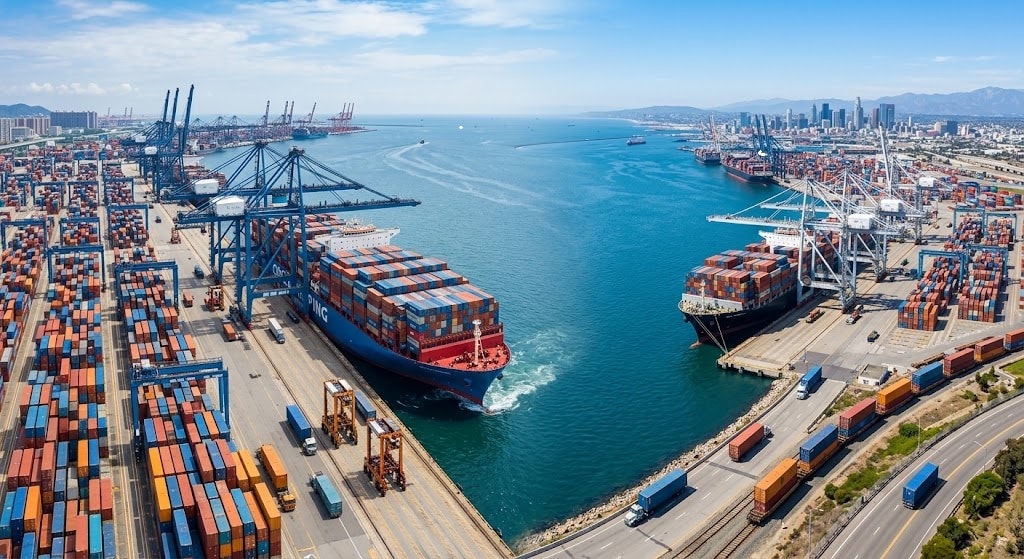
- Loading and Unloading Cargo: This primary activity involves exchanging containers, bulk goods, or liquid cargo between the ship and the terminal, with efficient cargo handling minimising turnaround time.
- Bunkering (Refuelling): Ships take on the fuel needed to continue their journey, ensuring that this critical process is executed safely and in compliance with environmental regulations.
- Crew Changes: Ports act as essential hubs for crew rotations, allowing seafarers to embark or disembark as part of their scheduled shifts.
- Maintenance and Repairs: Routine inspections and urgent repairs are conducted to maintain the vessel’s seaworthiness and operational readiness.
- Customs Inspections and Documentation: Customs and immigration authorities perform regulatory compliance checks to ensure all documentation is in order.
- Health and Safety Protocols: In response to the COVID-19 pandemic, health checks and safety protocols have become a top priority at ports.
- Passenger Embarkation and Disembarkation: For cruise ships, this process allows passengers to board or disembark, enriching local tourism and boosting the economy.

What challenges do ports face during calls?
During port calls, ports face a variety of challenges that can impact vessel operational efficiency and timely delivery of cargo. The following are some of the key challenges:
Challenges faced during port calls
- Port congestion: With the increase in the number of vessels, especially the introduction of large ships, ports often face congestion issues. This can result in vessels waiting to berth, delaying subsequent voyages.
- Weather Delays: Adverse weather conditions (such as storms, strong winds, and rough sea conditions) can affect the arrival and departure times of vessels, leading to unplanned delays.
- Regulatory Compliance: Each port has different customs and legal requirements that vessels must adhere to, and any non-compliance may result in delays and fines.
- Stakeholder coordination: Seamless communication and coordination between shipping companies, port authorities, and service providers are essential to avoid inefficiencies and delays.
- Infrastructure inadequacy: Some ports may lack the necessary infrastructure to meet the demands of modern shipping, resulting in inefficient loading and unloading processes and operational delays.
- Human resource shortages: The port industry requires a diverse skill set, and recruiting and retaining the right talent can be particularly challenging during peak periods.

How do port calls impact shipping costs?
The impact of port calls on transportation costs can be seen in several important ways:
- Increased Berthing Costs: When ships dock at ports, it can lead to higher costs. Some ports charge more for certain vessels, and shipping companies often pass those fees on to cargo owners, which can result in slightly higher shipping rates.
- Reduced Transportation Efficiency: If ships have to stay at the port longer than expected, it can slow down the entire transportation process. This means goods take longer to reach their destinations, which can disrupt production schedules—especially in fast-paced industries like electronics and automotive.
- Supply Chain Disruption Risks: High berthing fees and unpredictable docking times can disrupt normal business operations. To mitigate potential delays, companies may need to maintain a higher level of inventory, which can lead to increased costs.
- Route Adjustments: To avoid incurring hefty berthing fees, shipping companies may adjust their routes and select ports that are more cost-effective. While this makes financial sense, it can result in fewer cargo shipments at some ports, potentially impacting the local economy.
- Decreased Market Competitiveness: When transportation costs increase, it can make it more challenging for products from certain countries or regions to compete internationally, particularly for items that are sensitive to price fluctuations.
How to optimise port call procedures?
Port call procedures can be optimised through a variety of strategies. The following are some key measures:
- Planning and scheduling: By pre-arranging vessel berthing locations and operational resources, waiting times can be reduced, ensuring efficient port entry and loading/unloading operations.
- Introducing advanced technology: Adopting automated loading and unloading equipment and intelligent logistics systems can significantly improve loading and unloading efficiency. At the same time, utilising the Internet of Things and big data analysis can optimise operational processes, reduce manual operations, and lower error rates.
- Simplifying customs clearance procedures: Optimising import and export customs declaration procedures can improve customs clearance speed and accuracy, ensuring that goods can pass through customs quickly and reduce berthing time.
- Reasonable layout of port facilities: Plan the layout of port facilities, including terminals, warehouses, and container yards, based on cargo types and requirements, to minimise transportation distances and enhance overall operational efficiency.
- Enhance information sharing and collaboration: Collaboration and information sharing between the port and relevant departments can reduce redundant information transmission, improve operational accuracy, and enhance efficiency.