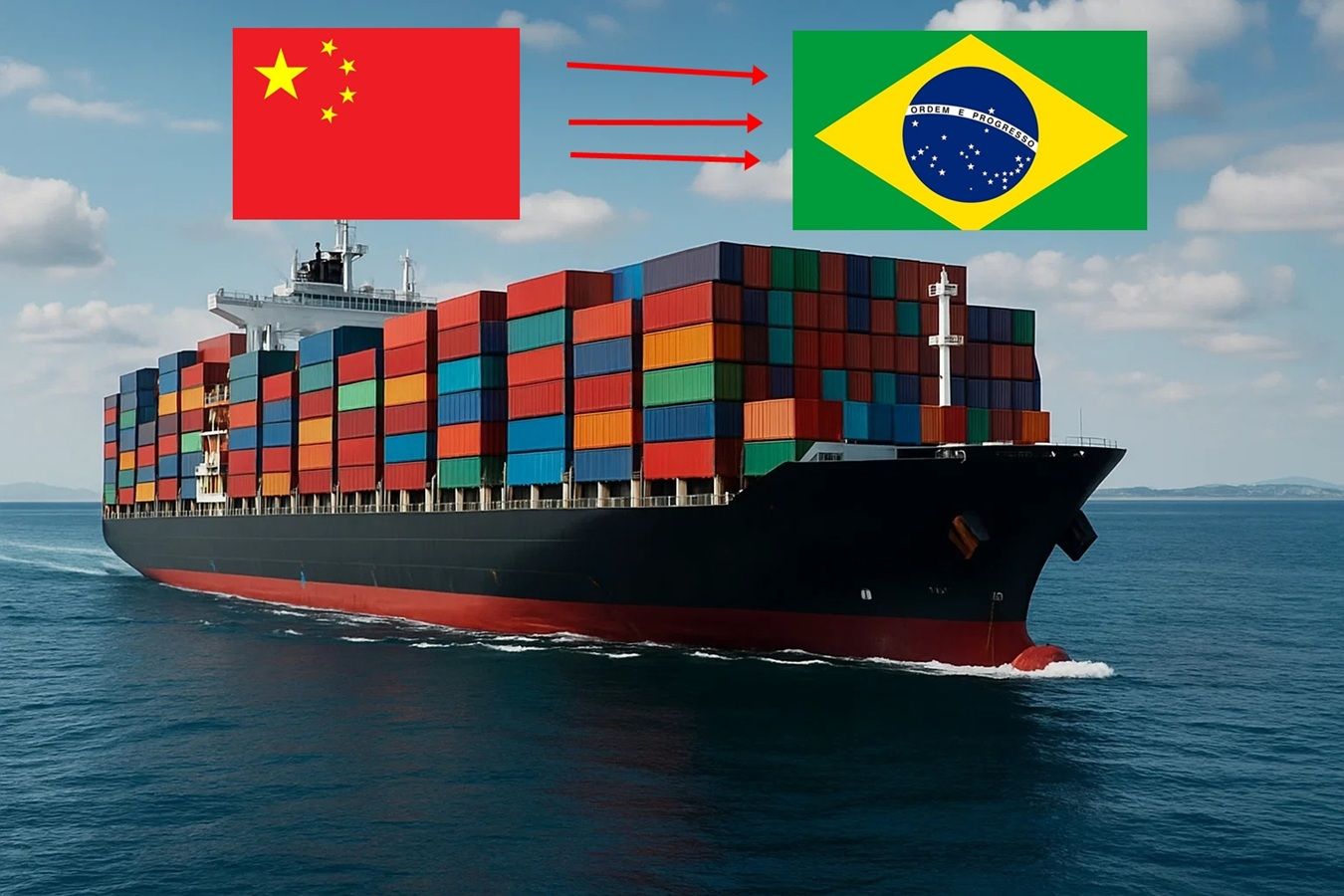
In the field of import and export, a fumigation certificate is a crucial document, particularly for exporting agricultural products, timber, or wooden packaging materials to markets with stringent quarantine standards. So, what exactly is a fumigation certificate? This article provides a detailed overview of the concept, purpose, items requiring fumigation, procedures, and the process for obtaining the latest certificate, including certificate content and practical considerations for businesses to comply with regulations and optimize logistics.

What is a Fumigation Certificate?
Fumigation certificates are documents issued by licensed fumigation quarantine agencies, certifying that goods have undergone chemical treatment to eliminate insects, bacteria, or other pests prior to export. This document ensures compliance with the importing country’s health, safety, and quarantine standards, particularly in maritime transport, where container environments are prone to termite and mold infestations.
The fumigation process typically employs the following chemicals:
- Methyl Bromide (CH3Br): Commonly applied at 48-50 grams per cubic meter, it offers excellent penetration and, when used appropriately, does not affect product quality. Frequently used for agricultural products (coffee, cashews), handicrafts, and wood products.
- Aluminum phosphide (AIP): Less commonly used, primarily for controlling insects in bulk cargoes like grains.
This certificate is issued after fumigation and inspection by quarantine authorities, confirming the cargo is clean, pest-free, and compliant with international regulations such as ISPM 15 (International Standard for Phytosanitary Measures for Wood Packaging Material).
The Purpose of Fumigation Certificates
Fumigation certificates play a crucial role in import-export operations, particularly since approximately 80% of global trade is conducted via sea freight. Their key functions include:
Compliance with Import Regulations:
- Many countries (Europe, the United States, Australia, and Canada) require fumigation certificates to accompany import documentation to ensure food safety and environmental protection.
- For example, Australia enforces the Australian Quarantine and Inspection Service (AQIS) requirement for fumigation of wooden packaging.
Pest Prevention:
- Fumigation eliminates insects, termites, fungi, and bacteria, thereby preventing the transmission of cross-border diseases.
- It ensures clean cargo holds and containers, avoiding cross-contamination between shipments.
Protecting Product Quality:
- Proper fumigation does not affect the appearance or quality of goods, particularly agricultural products and handicrafts.
Avoiding Legal and Financial Risks:
- Lack of a fumigation certificate may result in cargo being returned, import refusal, or substantial fines, causing significant cost and reputational damage.
Customs Clearance Support:
- The certificate provides information about the goods, the chemicals used, and the fumigation process, facilitating faster customs clearance.
Items Requiring Fumigation Certificates
Not all items require fumigation, but certain goods are mandated by importing country regulations or transport rules. Items requiring fumigation certificates include:
Agricultural Products and Foodstuffs:
- Coffee, cashews, pepper, rice, tea, dried fruits, and grains.
- Reason: Humid container environments facilitate insect and mold proliferation.
Wooden Products and Handicrafts:
- Untreated furniture, sculptures, rattan items, and handicrafts.
- Reason: Natural wood is susceptible to termite or microbial infestation.
Packaging and Crates:
- Wooden pallets, crates, and boxes are used for packaging machinery, ceramics, or components.
- Reason: Wooden packaging must comply with ISPM 15 to prevent pest spread.
Goods from Infested Areas:
- Export products from countries experiencing outbreaks of diseases (e.g., stem borers, fungi) require fumigation to meet quarantine requirements.
Goods with Specific Requirements:
- Certain markets (Japan, South Korea) mandate fumigation for textiles or processed foods packaged with organic materials.
Note: Businesses must consult specific regulations of importing countries (e.g., EU, USA, Australia) to determine whether items and packaging require fumigation.
Fumigation Process for Export Goods
The fumigation process is conducted by quarantine agencies holding customs-registered qualifications, in compliance with international standards. The fumigation process comprises three stages:
Preparation Stage
- Literature Review: Examine the importing country’s fumigation regulations and ISPM 15 standards.
- Container Inspection: Assess the container’s condition (cleanliness, integrity, absence of leaks).
- Cargo survey: Identify cargo type, packaging, and pest risk.
- Inspection report: Document cargo, container, and environmental conditions.
- Fumigation plan: Determine chemical type (Methyl Bromide, AIP), dosage (48-50 g/m³), and exposure time (typically 48 hours at 25-26°C).
Implementation Phase
- Inspection and Deployment: Ensure containers and cargo are prepared and doors are closed.
- Chemical Line Placement: Install rubber hoses at container doors for chemical pumping.
- Sealing: Seal containers to prevent toxic gas leakage.
- Spraying: Apply methyl bromide or AIP. Personnel must remain clear during spraying for safety.
Final Phase
- Prepare for Toxic Gas Leak Response: Readily available personnel, equipment, and plans for handling toxic gases.
- Toxic Fume Release: Open the container and ventilate to remove chemical fumes.
- Acceptance: Inspect the cargo, stamp the fumigation confirmation seal on the wooden pallets, and issue the certificate.
Time: The fumigation process takes 1-2 days, depending on the cargo type and quarantine requirements.
Consequences of Lacking Fumigation Certificates
Failure to comply with fumigation regulations may result in serious risks:
1. Returned or Rejected Imports:
- Markets such as the EU, US, Australia, and Canada enforce strict fumigation requirements. Lack of certification may result in goods being returned, incurring losses due to transportation and storage costs.
2. Substandard Fumigation:
- Poor fumigation quality (insufficient dosage, incorrect procedures) may require re-fumigation at the destination port, increasing costs and delaying delivery.
3. Certificate Rejection:
- Certain fumigants are not recognized at international ports (e.g., Europe, Australia), leading to certificate rejection.
4. Omission of Fumigation:
- Time pressure at closing may cause businesses to skip fumigation, resulting in import regulation violations.
5. Administrative Fines and Reputational Damage:
- Violating quarantine regulations may result in fines or import bans, potentially damaging relationships with partners.

Important Considerations for Applying for and Using Fumigation Certificates
To ensure the effectiveness of fumigation and certification processes, businesses should note the following:
1. Select a reputable fumigation provider:
- Contact licensed agencies, such as plant protection departments or privately owned quarantine companies with international accreditation.
- Verify the list of providers recognized by the importing country.
2. Verify importing country regulations:
- Fumigation requirements vary by country/region (e.g., Australia mandates methyl bromide; the EU accepts AIP). Consult your customs website or embassy.
3. Time Planning:
- Fumigation takes 1-2 days and must be completed before the Estimated Time of Departure (ETD) to avoid missing the vessel.
- Ensure containers are unloaded promptly after fumigation.
4. Verify Certification Details:
- Cross-reference certificate information (Bill of Lading number, container ID, fumigation date) with invoices and B/Ls to prevent errors.
5. Cost Management:
- Fumigation fees may increase for urgent requests. Negotiate pricing with the fumigation company before proceeding.
6. Safety Assurance:
- Avoid close contact with containers during spraying to protect worker health.
7. Document Storage:
- Retain both the original and a copy of the fumigation certificate with export documentation for potential complaints or customs inspections.