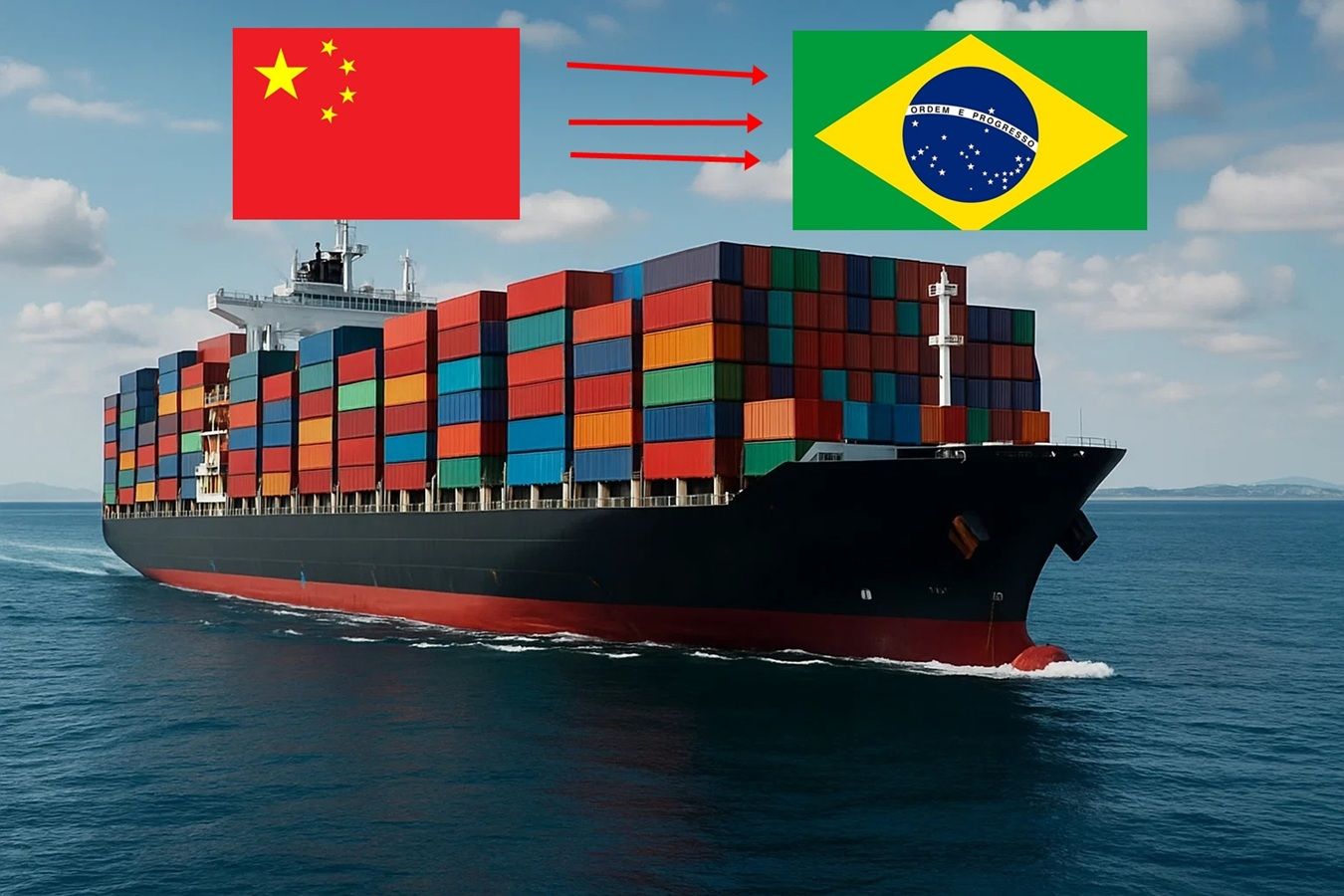
It is very important for logistics companies and container traders to be able to quickly adapt to changes in the US economy. Container xChange says that by March 2025, inflation and trade tariffs will be two major macroeconomic factors that will make things harder for the industry. Let’s look at the main trends and how they affect logistics.

1. Decline in consumer spending
In February 2025, consumer spending in the US declined due to factors such as severe weather, rising unemployment, and economic uncertainty. According to data from the National Retail Federation (NRF), the University of Michigan Consumer Sentiment Index fell from 71.7 in January to 64.7 in February.
What does this mean for logistics?
- Reduced demand for imported goods may lead to a decline in cargo flows.
- Retailers are cutting inventory, which is affecting container shipping.
- Companies are delaying investments in warehouse and transportation infrastructure.
2. The U.S. Budget Deficit Reached $1.147 Trillion
In the first five months of the 2024–25 fiscal year, the federal budget deficit climbed to $1.147 trillion, up 9% from the same period last year. The increase is largely driven by higher government spending on social programs and growing debt repayments.
Impact on Logistics
The widening deficit is pushing the Federal Reserve to keep interest rates elevated, which raises borrowing costs for businesses. For the logistics sector, tighter credit conditions mean it may become more challenging to secure financing for container purchases, warehouse leases, and other capital-intensive needs.

3. Inflation is slowing down, but has not disappeared
In February 2025, the overall inflation rate was 2.8% (3.0% in January), but the core inflation rate (excluding food and energy) remained at 3.1%. Meanwhile, housing prices continued to rise (up 5.7% year-on-year), and egg prices rose by 58.8%.
Impact on logistics:
- Lower energy prices have had a positive impact on transportation costs.
- High housing prices are limiting consumer purchasing power, thereby reducing import demand.
- The risk of tariffs could still lead to another surge in inflation.
4. US-China Trade War: New Tariff Barriers
Since February 2025, the Donald Trump administration has introduced:
- A 10% tariff on Chinese goods was increased to 20% in March.
- A 25% tariff on imports from Canada and Mexico (postponed until April).
Impact on container operations:
- Rising prices for imported goods.
- Decline in container traffic between the US and China.
- Redesigning supply chains: Companies are seeking alternative suppliers in Mexico and Southeast Asia.
5. The Federal Reserve maintains interest rates at 4.25%-4.50%
The Federal Reserve is in no hurry to cut interest rates, which affects corporate borrowing costs.
Key impact on logistics:
- Expensive loans make it difficult to invest in expanding container fleets.
- A stronger US dollar reduces export competitiveness, thereby reducing US demand for container transportation.

6. Money market: Dollar appreciation
Slower inflation and the Federal Reserve’s decision to keep interest rates unchanged are helping the dollar appreciate, which in turn affects international trade.
Potential consequences:
- Higher profits on U.S. imports are stimulating container shipping at U.S. ports.
- Reduced competitiveness for U.S. exporters may weaken the country’s container shipping volume.
Key trends:
- Increased imports from Latin America and Asia, bypassing China.
- Decline in container traffic on trans-Pacific routes.
- Local container shortages may occur in regions with rapid trade growth.
2025 is expected to be a turbulent year for the global logistics industry. Rising tariff barriers, fluctuating inflation, and interest rates necessitate that businesses adopt flexible supply chain management approaches. Logistics companies must prepare for the restructuring of trade routes, the reallocation of container capacity, and changes in demand for transportation services.