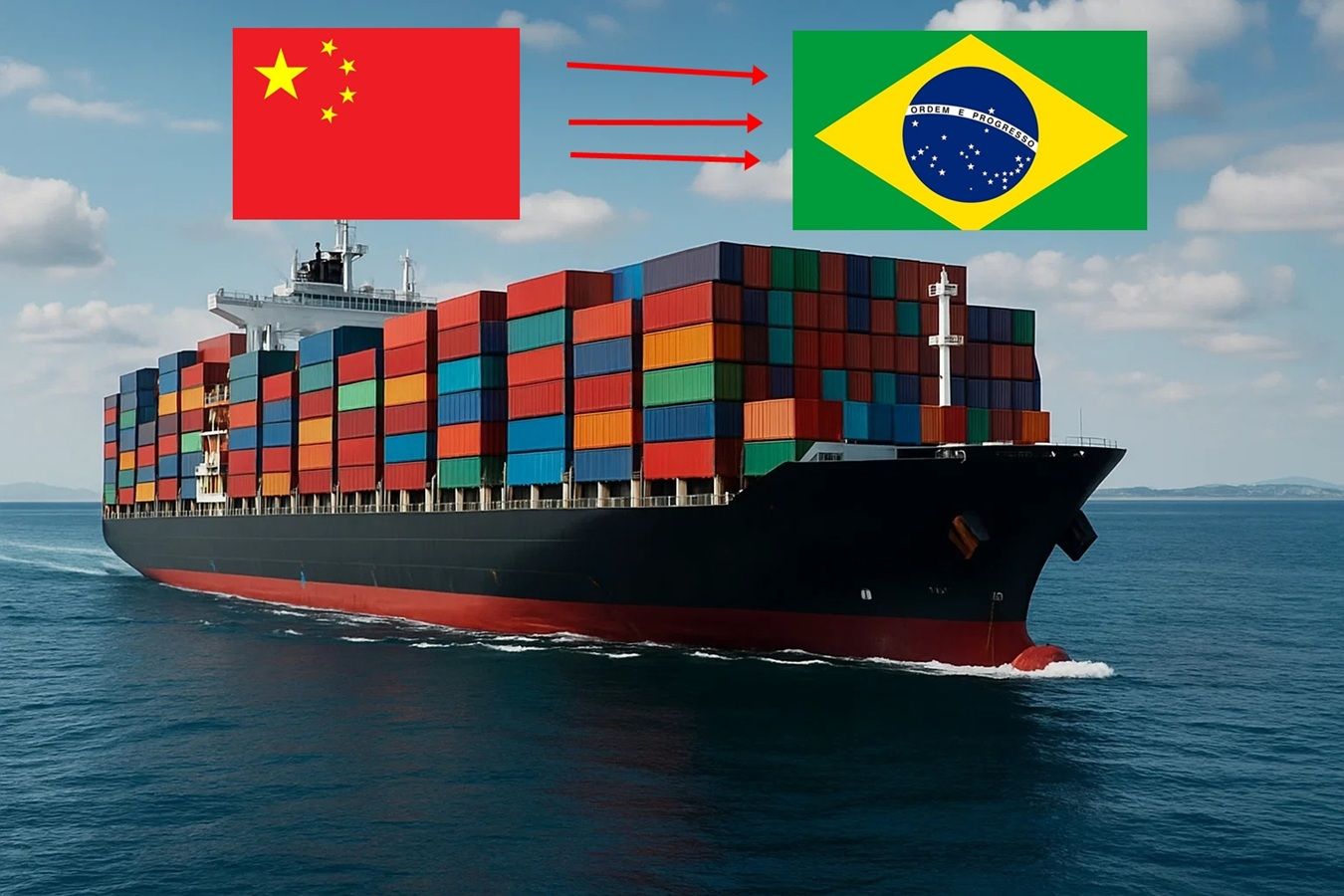
CPT (Carriage Paid To) is an international trade term defined under Incoterms (International Commercial Terms). Under CPT, the seller is responsible for paying the transportation costs to deliver goods to the named destination. However, the risk transfers to the buyer as soon as the goods are handed over to the carrier. In other words, the seller pays the freight charges, but the buyer assumes the risk once the goods are in transit.
CPT can be used for all modes of transportation, including air, sea, road, and rail.
This article provides a clear and straightforward guide for businesses and individuals involved in import/export activities. We’ll cover the basics of CPT, its pros and cons, how it differs from CIP (Carriage and Insurance Paid To), and the steps involved in completing a CPT transaction.

What is the CPT Incoterm?
Before we get into the main topic, CPT (Carriage Paid To), let’s take a quick look at Incoterms (International Commercial Terms). These are widely used trade terms, and CPT is one of them.
International trade faces numerous challenges due to differences in legal systems, tax regulations, and business practices. To overcome these barriers and ensure smooth transactions, a common framework is essential. Incoterms serve this purpose by providing standardized rules that clarify the responsibilities and risk allocation between buyers and sellers. This not only helps avoid misunderstandings but also improves transparency and efficiency in global trade.
This article looks at CPT (Carriage Paid To) as defined in the latest Incoterms 2020. Knowing what CPT means helps importers and exporters negotiate better deals and manage risk. Next, we’ll cover the basics of CPT and how it fits into Incoterms.
What Are International Trade Terms?
The International Chamber of Commerce (ICC) has developed a set of standardized trade terms known as Incoterms (International Commercial Terms). These terms clearly outline when and how transportation costs and risks are shared between buyers and sellers.
Based on the level of cost and risk involved, Incoterms are grouped into four categories: E, F, C, and D. This framework provides a common language for the international trade process, allowing both parties to agree in advance on how responsibilities, costs, and risks will be allocated during transportation.
The most recent update, Incoterms 2020, defines 11 specific trade terms that clarify key obligations in international trade contracts. These terms are widely accepted in global transactions and serve as an essential guide for smooth and efficient trade.
CPT Simple Definition
CPT (Carriage Paid To) is one of the trade terms defined under Incoterms (International Commercial Terms).
Under CPT, the seller pays for transporting the goods to the agreed destination—hence the name “Carriage Paid To.” However, the risk shifts to the buyer as soon as the goods are handed over to the carrier. In other words, while the seller covers the freight costs, the buyer assumes responsibility for the goods once they are in the carrier’s possession.
CPT is a flexible term that applies to all modes of transportation, including air freight, ocean shipping, and container transport.
CPT: Division of Cost and Risk
In a CPT (Carriage Paid To) transaction, the seller is responsible for preparing the goods, completing export customs formalities, and covering the transportation costs to the agreed destination. These costs include both the delivery to the carrier and the transportation from that point to the final destination.
However, the risk shifts to the buyer the moment the goods are handed over to the carrier. From that point forward, the buyer assumes responsibility for any potential loss or damage that may occur during transit.
Due to this, buyers are strongly advised to purchase insurance to protect the goods during transit. Additionally, the buyer is responsible for handling all costs and procedures related to import customs clearance at the destination.
Benefits of CPT
This section outlines the advantages of CPT (Carriage Paid To) for both buyers and sellers.
Benefits for Buyers
CPT allows buyers to know the shipping costs upfront, making it easier to plan budgets and avoid unexpected expenses.
Another major benefit is convenience. Since the seller is responsible for arranging transportation, buyers don’t have to deal with complex logistics or carrier negotiations. This is particularly valuable for businesses with limited logistics experience.
Benefits for Sellers
For sellers, CPT provides greater control over the shipping process. They can choose reliable carriers and transportation methods to ensure the timely and safe delivery of goods.
Additionally, by managing transportation costs directly, sellers can incorporate the
3. Disadvantages of CPT
While CPT (Carriage Paid To) offers convenience in international trade, it also comes with certain drawbacks that both buyers and sellers should consider. This section highlights the risks and challenges associated with CPT contracts.
Disadvantages for Buyers
The biggest drawback for buyers under CPT terms is risk management during transit. Once the seller hands the goods over to the carrier, all risks transfer to the buyer. From that point on, the buyer is responsible for handling any issues, such as accidents, delays, or damage. These situations can lead to unexpected costs and operational complications.
Although buyers are advised to purchase insurance, doing so incurs an additional expense and requires careful planning.
Disadvantages for Sellers
For sellers, the primary disadvantage is the higher transportation cost. Under CPT, sellers are responsible for all expenses related to delivering goods to the agreed destination, which can become costly—especially for long-distance shipments or if unexpected logistics fees arise.
Another challenge for sellers is the additional responsibility of managing transportation. This includes selecting reliable carriers, negotiating rates, and coordinating shipping schedules to ensure timely delivery. Furthermore, the seller bears the risk for the goods until they are handed over to the carrier, meaning they must address any issues that occur during this stage.
What’s the Difference Between CPT and CIP?
In international trade, CPT (Carriage Paid To) and CIP (Carriage and Insurance Paid To) are two commonly compared Incoterms. This section explains the key differences between them and the role each term plays in global trade.
What Is CIP (Carriage and Insurance Paid To)?
As the name suggests, CIP means the seller not only pays for transporting the goods to the agreed destination but also arranges and pays for insurance to cover potential risks during transit.
CIP is particularly popular when dealing with high-value goods or shipments that carry a higher risk of damage or loss during transportation.
Key Difference Between CPT and CIP
The primary difference lies in insurance coverage:
- CPT: The seller pays the freight charges to the destination but does not provide insurance.
- CIP: The seller covers both the transportation costs and the insurance to protect against risks during shipment.
Which One Should You Choose?
- Choose CIP if you’re concerned about transit risks or shipping high-value items, as the seller arranges insurance for you.
- Choose CPT if you prefer to handle insurance yourself or if the transportation risk is relatively low.
CPT (Carriage Paid To) Process in Trade
As discussed earlier, CPT clearly defines how transportation costs and risks are divided between the seller and buyer. The following outlines the typical stages of a trade transaction under CPT terms.
1. Contract Formation
At the start of the transaction, the seller and buyer enter into a contract that incorporates CPT terms. The contract specifies the quantity, price, transportation conditions, destination, and detailed allocation of costs and risks. Mutual agreement establishes the legal framework for the transaction.
2. Product Preparation and Packaging
The seller prepares and packages the goods in accordance with the contract. Packaging must be suitable for transportation, and all required export documents must be prepared. The goods are then shipped according to the agreed timeline.
3. Transportation Arrangements
The seller selects the mode of transport to deliver the goods to the designated destination. While the seller is responsible for transportation costs under CPT, arranging insurance is not required under CPT terms—though it can be done optionally.
4. Freight Payment and Documentation
Once the goods are loaded onto the vessel or carrier at the point of departure, the seller pays the freight charges. The seller then provides the buyer with the bill of lading and any other necessary shipping documents.
5. Transportation and Tracking
During transit, both the seller and buyer can monitor the shipment using tracking systems, ensuring transparency throughout the transportation process.
6. Arrival and Import Customs
Upon arrival at the destination, the buyer receives the goods and is responsible for import customs clearance. Required documents typically include the bill of lading, commercial invoice, and any insurance proof (if applicable).
7. Insurance Coverage
Under CPT, the seller’s responsibility ends once the goods are delivered to the carrier. Any risk during transit is the buyer’s responsibility. The buyer may choose to purchase insurance to protect against damage, or the seller may arrange optional insurance if agreed upon.