In July 2025, the Trump administration in the United States, continuing from earlier tariff notices sent to 22 countries, expanded the scope of its tariffs. Between July 9 and 13, the U.S. government reached out to more countries with additional “tariff letters,” announcing that a new round of “reciprocal tariffs” would officially begin on August 1, 2025.
On July 10, President Trump explained in a U.S. media interview that, except for a few countries that had already made tariff agreements with the U.S., most countries that had not yet received formal letters would also see a 15%-20% “reciprocal tariff” starting August 1. As a result, many countries exporting to the U.S. may experience increased export costs.

More than 70% of countries and regions worldwide may soon be affected by new US tariffs
On July 16, US President Trump announced plans to introduce additional uniform tariffs on over 150 of the US’s secondary trading partners. With more than 20 partners already included, this would mean that over 70% of countries and regions worldwide could be impacted by US tariff policies.
Trump told reporters at the White House that for smaller countries with limited commercial ties to the U.S., the government will send a notice explaining the tariff rates that will apply to their products. These countries will receive the same rates as others.
Later that day, Trump mentioned in an interview that these secondary trading partners might face tariff rates between 10% and 15%, although the U.S. has not yet made a final decision.
Important Update as of July 14
President Trump shared on social media that the United States has sent tariff notification letters to 25 countries—22 on Monday, July 9, and three more today, July 14.
These notification letters explain the specific tariff rates that will apply to goods from each country. These rates will go into effect at 12:01 a.m. Eastern Time on August 1, 2025, when the current suspension of retaliatory tariffs will also end.
| Country | Tax rate | Effective date |
| Japan | 25% | 2025.08.01 |
| South Korea | 25% | 2025.08.01 |
| Kazakhstan | 25% | 2025.08.01 |
| Malaysia | 25% | 2025.08.01 |
| Tunisia | 25% | 2025.08.01 |
| South Africa | 30% | 2025.08.01 |
| Bosnia and Herzegovina | 30% | 2025.08.01 |
| Indonesia | 19% | 2025.08.01 |
| Bangladesh | 35% | 2025.08.01 |
| Serbia | 35% | 2025.08.01 |
| Thailand | 36% | 2025.08.01 |
| Cambodia | 36% | 2025.08.01 |
| Laos | 40% | 2025.08.01 |
| Myanmar | 40% | 2025.08.01 |
| Brunei | 25% | 2025.08.01 |
| Moldova | 25% | 2025.08.01 |
| Algeria | 30% | 2025.08.01 |
| Iraq | 30% | 2025.08.01 |
| Libya | 30% | 2025.08.01 |
| Philippines | 20% | 2025.08.01 |
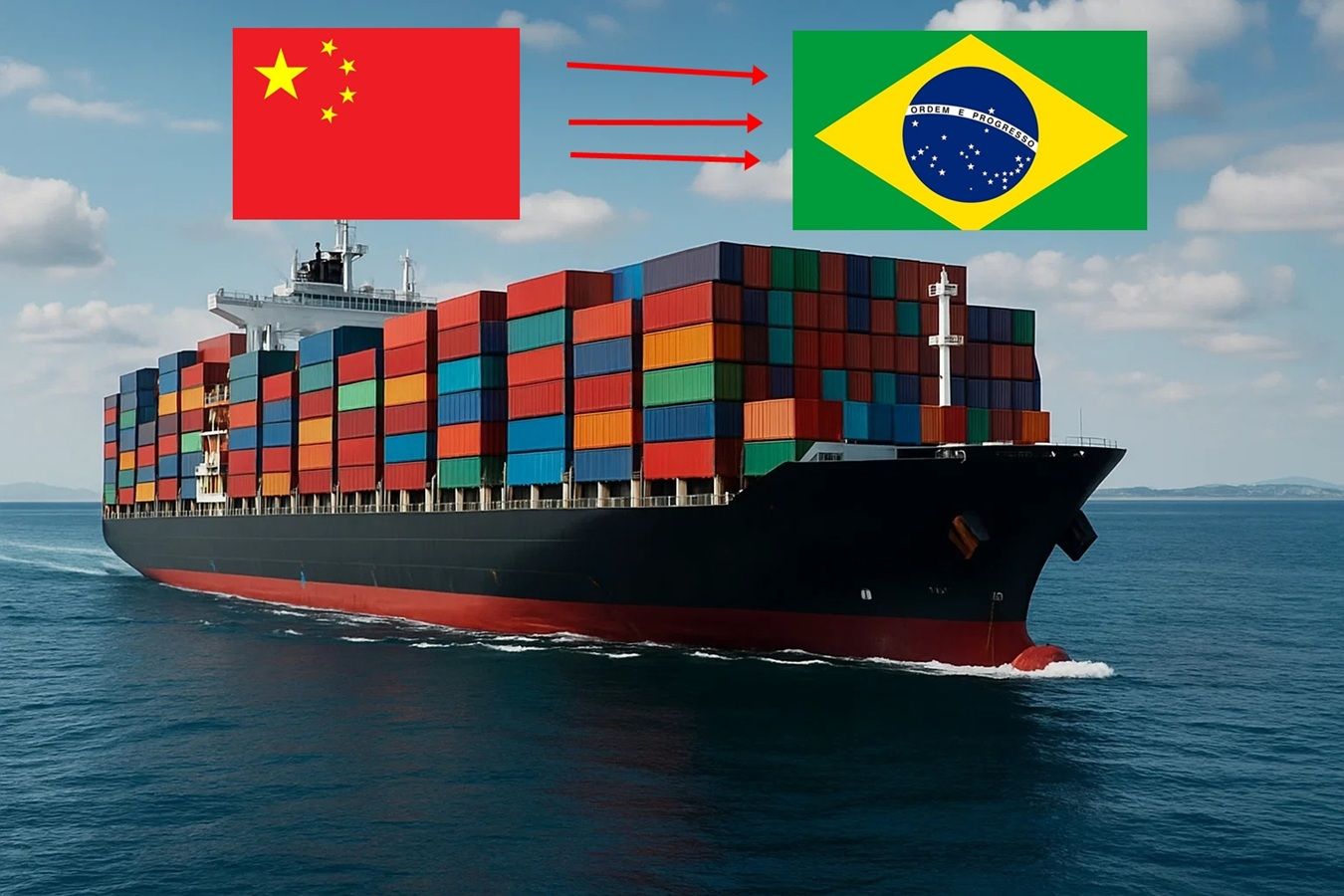
| Brazil | 50% | 2025.08.01 |
| Canada | 35% | 2025.08.01 |
| European Union | 30% | 2025.08.01 |
| Mexico | 30% | 2025.08.01 |
| Sri Lanka | 30% | 2025.08.01 |
| Vietnam | 20% | 2025.08.01 |
| China | 10%+ 20% =30% | As of 2025.08.12 |
Tariffs imposed by the United States on China
• Reciprocal tariffs: 10%, effective until August 12.
• Fentanyl tariffs: 20%, applicable to all products, with no exemptions.
• Section 301 tariffs: Tariffs ranging from 7.5% to 25% imposed during Trump’s first presidential term. Biden utilized this provision in 2024 to impose Section 301 tariffs on Chinese electric vehicles, batteries, semiconductors, and medical supplies, with rates as high as 100%.
• Section 232 Tariffs: 50% tariffs on steel, aluminum, and copper; 25% tariffs on automobiles and parts.
• Double Anti-Dumping and Countervailing Duties: Anti-dumping and countervailing duties on specific products.

The Impact of U.S. Tariff Policies on Global Trade
In today’s highly interconnected global economy, U.S. tariff policies play a key role in shaping the nation’s economic landscape and consumer choices, while also impacting global supply chains, business strategies, and international trade. As one of the world’s largest economies, changes in U.S. tariffs can send ripples through global markets, affecting countries such as China, members of the European Union, and emerging economies.
In recent years, the U.S. has imposed tariffs on a range of goods—from steel and aluminum to semiconductors, automobiles, and everyday consumer products—often citing concerns about national security or trade imbalances. These decisions have increased production costs, disrupted supply chains, and raised trade tensions. The impact isn’t limited to the directly affected countries; it also encourages other nations to rethink their export strategies, industrial focus, and even financial risks.
Changes in U.S. tariffs can be a mixed bag: while they might provide short-term support for specific domestic industries, they can also lead to retaliatory tariffs, put pressure on company profits, and create uncertainty in global markets. In many cases, these challenges are felt by everyday consumers and small to medium-sized businesses worldwide. As a result, more countries and companies are exploring new markets and adapting their supply chains to reduce their dependence on the U.S., hoping to stay competitive and resilient in an ever-changing trade environment.