Ecuador is an important trading partner for China in South America, importing a wide range of products like electronics, textiles, industrial machinery, consumer goods, and auto parts. As trade grows, businesses and importers need to understand shipping costs, transit times, and logistics options to keep their supply chains efficient.
Several factors affect shipping goods from China to Ecuador, including cargo size, transport method, customs regulations, and the season. Depending on whether speed or cost is more important, businesses can choose sea freight, air freight, or door-to-door (DDP) services.
- Sea freight is the most affordable option for large shipments but requires longer transit times.
- Air freight is the fastest shipping method, ideal for urgent or high-value cargo.
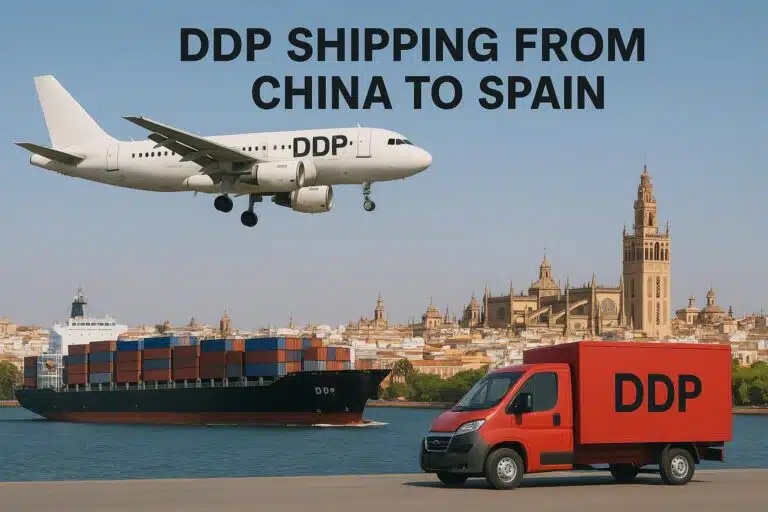
- Door-to-door (DDP) shipping simplifies logistics by covering customs clearance, import duties, and final delivery.
Understanding how shipping costs are set and finding ways to save can help businesses make better choices when importing from China to Ecuador. This guide explains shipping costs, transit times, and shares tips to help you choose the best shipping method.

Shipping Costs from China to Ecuador
When planning to ship goods from China to Ecuador, understanding the associated costs is crucial for budgeting and effective logistics management. Shipping costs can vary significantly based on several factors, and businesses should be aware of the factors influencing these expenses to make informed decisions.
Factors Affecting Shipping Costs from China to Ecuador
In addition to the primary shipping costs, several additional expenses may arise when shipping goods from China to Ecuador, including:
- Insurance Costs: It is advisable to secure insurance services for your shipments to protect against potential damages or losses during transit. Insurance typically costs between 0.5% and 2% of the declared value of the goods.
- Customs Clearance Fees: Engaging a customs broker for customs clearance may incur additional fees, which can vary depending on the complexity of the clearance process and the nature of your cargo.
- Handling and Processing Fees: Fees associated with loading, unloading, and processing cargo at ports and airports can also impact overall shipping costs, especially in busy ports where congestion may lead to additional charges.
- Storage Fees: If your cargo requires temporary storage at a warehouse or port due to delays, storage fees may apply, adding to your overall shipping expenses.
Estimated Container Shipping Costs
Below are the estimated FCL (Full Container Load) rates for 20ft and 40ft containers from major Chinese ports to Guayaquil, Ecuador’s busiest seaport:
| Port Pair | 20ft Container (USD) | 40ft Container (USD) |
|---|---|---|
| Shanghai to Guayaquil | $8,00 – $9,00 | $9,00 – $1,000 |
| Shenzhen to Guayaquil | $1,000 – $1,200 | $1,200 – $1,400 |
| Ningbo to Guayaquil | $8,00 – $9,00 | $9,00 – $1,000 |
| Guangzhou to Guayaquil | $1,000 – $1,200 | $1,200 – $1,400 |
| Qingdao to Guayaquil | $1,200 – $1,400 | $1,400 – $1,800 |
Estimated Air Freight Rates from China to Ecuador
Air freight costs vary based on weight category, shipment volume, and service type (express vs. standard air freight). Below are estimated costs per kilogram:
| Weight Category | Cost (USD per KG) |
|---|---|
| 1-45 kg | $5 – $7 |
| 45-100 kg | $4– $6 |
| 100-300 kg | $3 – $5 |
| 300+ kg | $3 – $4 |

Shipping Time from China to Ecuador
Transit Times for Sea Freight from China to Ecuador
The estimated transit times vary depending on the port of departure and arrival.
| Port of Departure (China) | Port of Arrival (Ecuador) | Estimated Transit Time |
|---|---|---|
| Shanghai | Guayaquil | 35-40 days |
| Shenzhen | Guayaquil | 34-39 days |
| Ningbo | Guayaquil | 36-41 days |
| Guangzhou | Guayaquil | 34-39 days |
| Qingdao | Guayaquil | 38-45 days |
- LCL shipments require additional 5-7 days due to consolidation.
- FCL shipments move directly to the consignee, reducing delays.
Major Airports for Air Freight from China to Ecuador
Most air cargo flights from China to Ecuador arrive at Mariscal Sucre International Airport (UIO) in Quito, Ecuador’s main international air hub. Some flights may also land at José Joaquín de Olmedo International Airport (GYE) in Guayaquil, depending on airline routes and shipment destination.
| Departure Airport (China) | Arrival Airport (Ecuador) | Estimated Transit Time |
|---|---|---|
| Beijing (PEK) | Quito (UIO) | 3-5 days |
| Shanghai (PVG) | Quito (UIO) | 3-5 days |
| Guangzhou (CAN) | Quito (UIO) | 4-6 days |
| Hong Kong (HKG) | Quito (UIO) | 3-5 days |
| Shenzhen (SZX) | Quito (UIO) | 4-7 days |
- Direct flights are limited, and most cargo flights transit through the U.S. or Europe before reaching Ecuador.
- Routes with layovers may increase transit time slightly but can offer lower costs.
Factors Influencing Shipping Time
The shipping time from China to Ecuador can be affected by various factors, each contributing to the overall duration of the shipping process. Understanding these factors can help businesses better plan their logistics and manage customer expectations. Key influences on shipping time include:
- Method of Transport: The choice between ocean freight and air freight is the most significant factor affecting shipping time. Air freight is considerably faster than ocean freight, making it the preferred option for urgent shipments.
- Distance and Route: The distance between the port or airport of departure in China and the destination in Ecuador also plays a role. Longer routes may incur additional transit times, particularly if there are layovers or transfers involved.
- Customs Clearance: The efficiency of customs processes at both the Chinese and Ecuadorian ports can impact shipping times. Delays in documentation or inspections can cause unexpected holdups, affecting the overall delivery schedule.
- Seasonality and Demand: Shipping during peak seasons, such as holidays, can lead to congestion at ports and airports, resulting in longer shipping times. Increased demand for freight services during these periods may also lead to delays.
- Weather Conditions: Adverse weather conditions, such as storms or other natural events, can disrupt shipping schedules, particularly for ocean freight. Weather-related delays can be especially impactful for maritime transport.
- Documentation and Compliance: The accuracy and completeness of shipping documents can influence customs processing times. Any discrepancies or missing information may lead to delays in the approval of shipments.

Door-to-Door (DDP) Shipping Costs from China to Ecuador
DDP (Delivered Duty Paid) shipping is a fully managed logistics solution that covers freight, customs clearance, import duties, and last-mile delivery. This method is ideal for businesses looking for a hassle-free shipping experience without dealing with the complexities of customs procedures in Ecuador.
Unlike traditional shipping methods, where the importer must handle customs clearance and tax payments, DDP shipping includes all fees upfront, making it an excellent option for e-commerce businesses, Amazon FBA sellers, and small-to-medium importers.
Estimated DDP Costs and Transit Times from China to Ecuador
| Shipping Method | Estimated Transit Time | Cost (USD per CBM/kg) |
|---|---|---|
| DDP via Sea Freight | 40-50 days | $80 – $150 per CBM |
| DDP via Air Freight | 7-12 days | $5 – $9 per kg |
- DDP via Sea Freight is more affordable but requires longer transit times.
- DDP via Air Freight is faster but more expensive, making it ideal for smaller shipments and high-value goods.
Comparing Shipping Costs: Which Option is Best?
Choosing the right shipping method from China to Ecuador depends on your shipment size, urgency, and budget. Each option has its own advantages, and selecting the best one requires balancing cost and transit time.
| Shipping Method | Best for | Transit Time | Cost |
|---|---|---|---|
| Sea Freight (FCL/LCL) | Large shipments, cost savings | 30-45 days | Low |
| Air Freight | Urgent, high-value cargo | 3-7 days | High |
| Door-to-Door (DDP) | E-commerce, small businesses | 7-50 days | Varies |
- For cost savings: Sea freight is the best choice for bulk cargo, offering the lowest per-unit shipping cost.
- For speed: Air freight is the fastest option, ideal for urgent or high-value shipments, but at a higher cost.
- For convenience: DDP shipping is best for businesses that want a hassle-free logistics solution, as it includes customs clearance and last-mile delivery, though sea freight-based DDP takes longer.
How to Choose the Right Shipping Method?
- If you need the lowest cost – Sea freight (FCL/LCL) is the most affordable for large shipments.
- If you need fast delivery – Air freight is the best option for time-sensitive cargo.
- If you want a worry-free solution – DDP shipping ensures a smooth process with no customs hassles.
Would you like a detailed shipping quote or assistance in selecting the most efficient option for your cargo? Let us know how we can help!
Tips to Reduce Shipping Costs from China to Ecuador
Shipping costs can fluctuate due to factors such as seasonal demand, carrier availability, and customs regulations. However, by implementing smart logistics strategies, businesses can lower their overall shipping expenses while maintaining efficient delivery. Here are key tips to help reduce shipping costs when transporting goods from China to Ecuador:
Consolidate Shipments for Better Rates
- Larger shipments benefit from economies of scale, reducing per-unit shipping costs.
- If shipping small cargo volumes, consider LCL (Less than Container Load) consolidation rather than multiple small shipments.
- Combining orders from different suppliers into one shipment can lower costs and simplify customs clearance.
Choose the Right Shipping Method
- For bulk goods with a flexible timeline, sea freight (FCL/LCL) is the cheapest option.
- For urgent or high-value shipments, air freight is the fastest but should be used only when necessary due to higher costs.
- For e-commerce and small businesses, DDP (Delivered Duty Paid) shipping provides a hassle-free option, though selecting the correct method (sea vs. air) is key to cost control.
Plan Shipments in Advance
- Avoid peak seasons (e.g., Chinese New Year, Black Friday, Christmas) when shipping costs surge due to high demand.
- Book space in advance to secure lower rates and avoid last-minute premium pricing.
- Monitor freight rate trends to ship when costs are lower.
Work with a Reliable Freight Forwarder
- An experienced freight forwarder can help negotiate better rates, optimize shipping routes, and reduce unnecessary charges.
- They can also offer cost-effective consolidation options for small shipments.
- A good logistics partner ensures smooth customs clearance, preventing delays and unexpected fees.
Ensure Accurate Documentation to Avoid Delays
- Incorrect or missing shipping documents can cause customs clearance delays and additional storage fees.
- Verify HS codes and declare cargo values correctly to prevent overpayment of duties.
- Comply with Ecuador’s import regulations to avoid extra inspections and fines.
By following these strategies, businesses can significantly cut down on shipping costs while ensuring smooth logistics operations from China to Ecuador.
Freight Forwarder from China to Ecuador
Freight forwarders play a pivotal role in facilitating international trade by acting as intermediaries between shippers and various transportation services. They handle the logistics of transporting goods from one location to another, ensuring that shipments are managed efficiently, economically, and in compliance with relevant regulations. For businesses looking to import goods from China to Ecuador, partnering with a knowledgeable freight forwarder can significantly streamline the shipping process and enhance overall operational efficiency.
The Role of Freight Forwarders
Freight forwarders provide a wide range of services that simplify the complexities of international shipping. Their primary responsibilities include:
- Logistics Coordination: Freight forwarders manage all logistics aspects, including booking cargo space with carriers, coordinating different transportation modes (air, ocean, rail, or road), and arranging for cargo pickup and delivery.
- Documentation Management: They prepare and manage essential shipping documents, such as bills of lading, commercial invoices, and customs declarations, ensuring that all paperwork is accurate and compliant with regulations.
- Customs Clearance: Freight forwarders assist with customs clearance, ensuring that shipments meet local import regulations. They navigate the complexities of customs procedures, including the payment of duties and taxes, to prevent delays at the border.
- Cargo Insurance: To protect against potential loss or damage, freight forwarders often offer cargo insurance options, ensuring that goods are covered during transit.
- Tracking and Monitoring: They provide real-time updates on shipment statuses, allowing businesses to stay informed and plan accordingly.