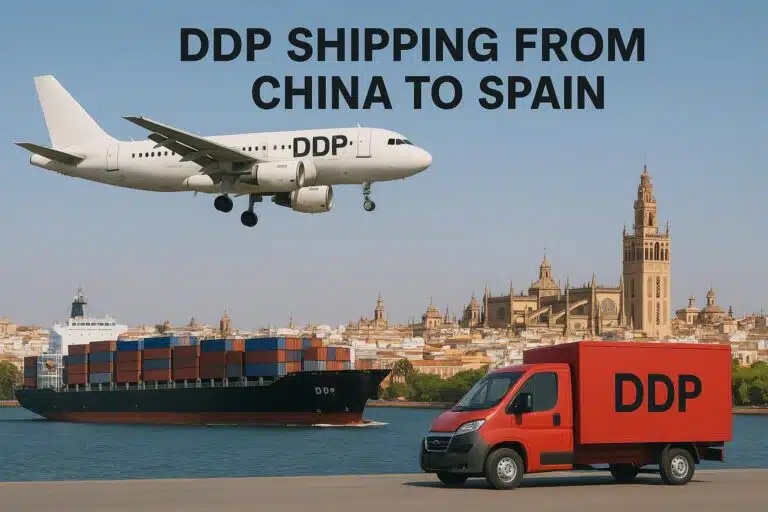
When it comes to export and import businesses, one of the key decisions you’ll face is choosing between sea (ocean) freight and air freight. Both options come with their own set of pros and cons, so it’s essential to consider factors such as cost, delivery speed, reliability, and the types of goods being shipped. In this friendly guide, we’ll explore the unique features of sea and air freight services to help you find the best option that fits your business needs. Happy shipping!

What is sea freight?
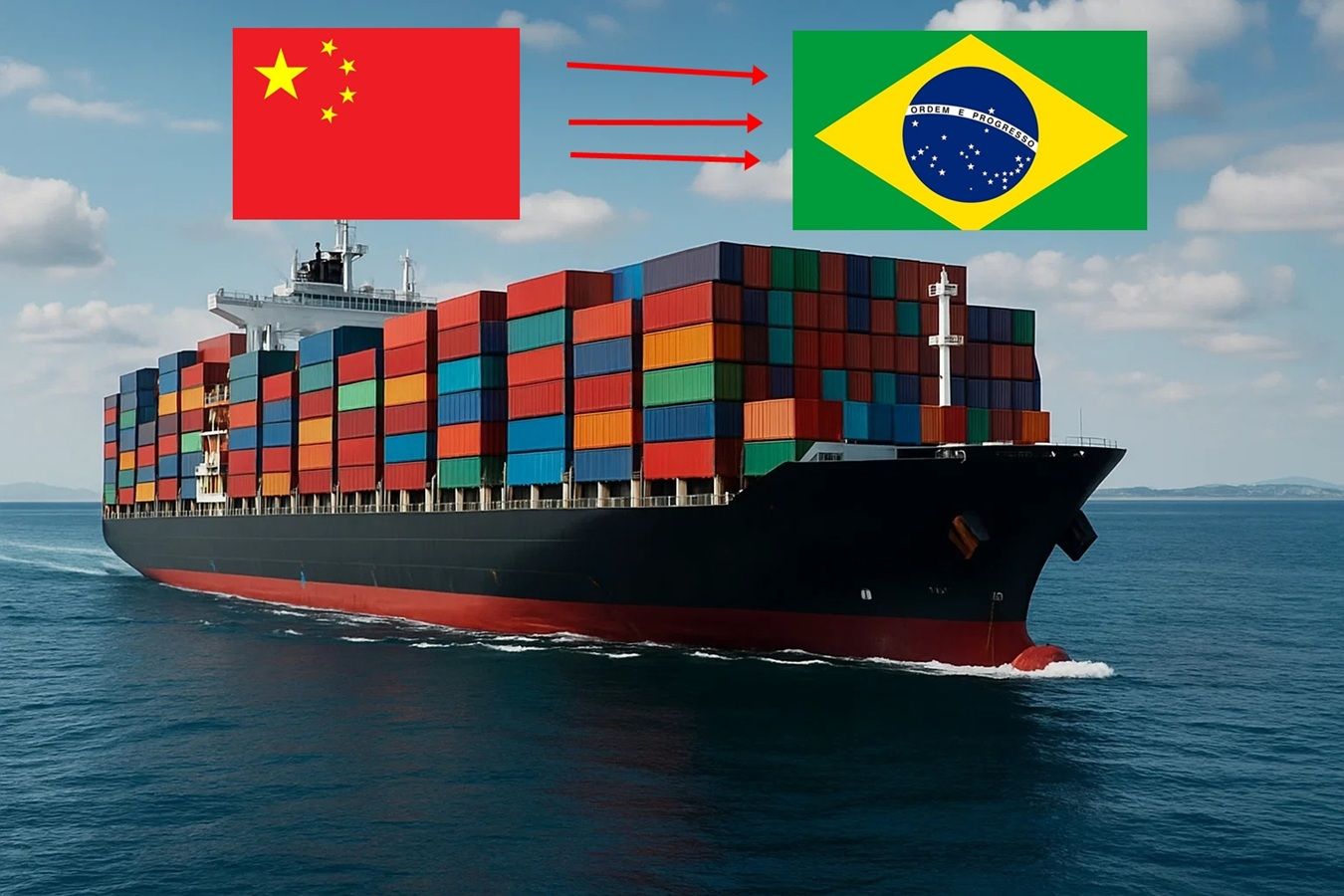
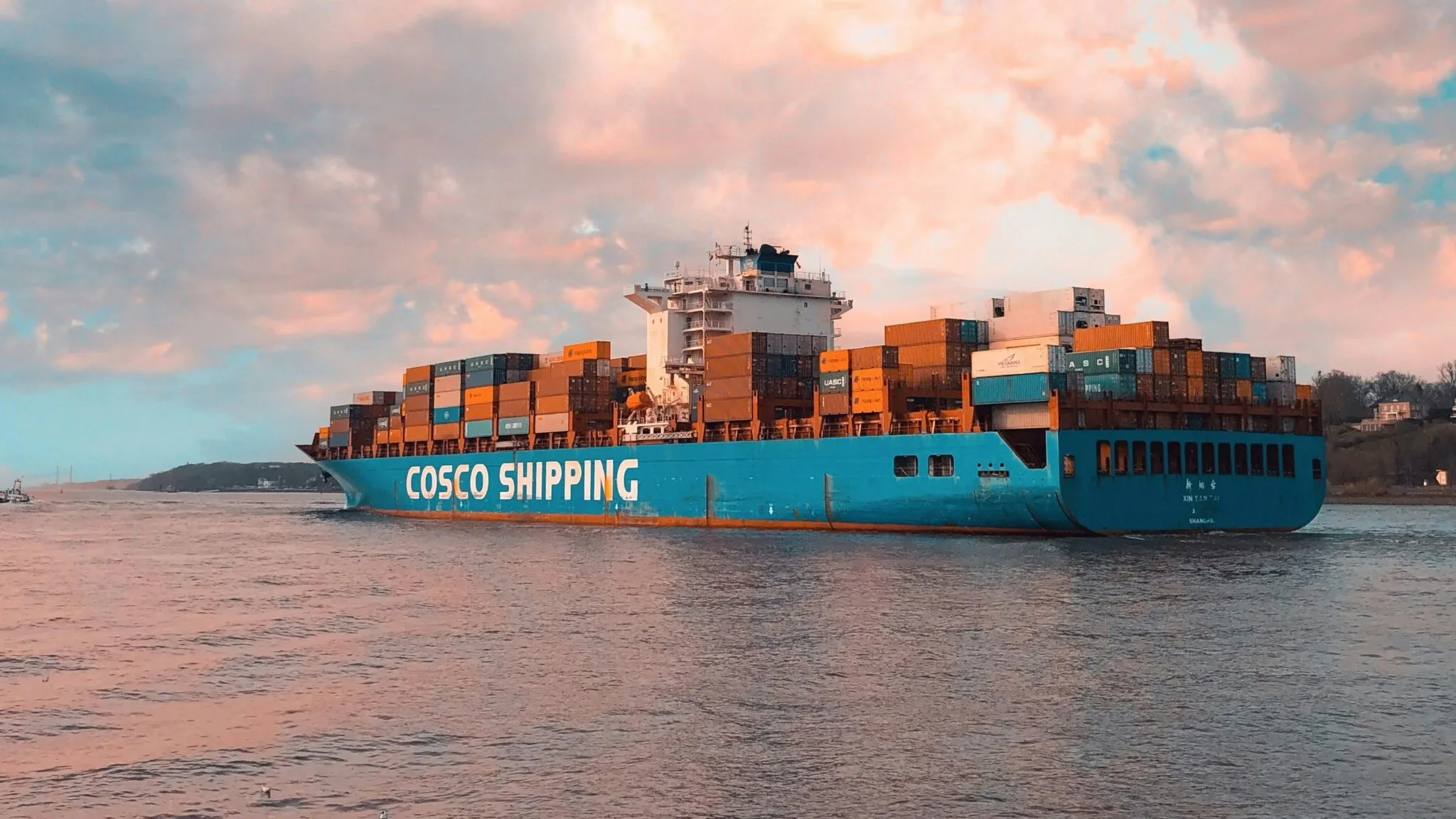
Sea freight, also known as ocean freight, is the highly efficient transportation of goods via ships across oceans and seas. It is a crucial component of global trade and logistics, facilitating the seamless movement of large volumes of cargo between countries and continents.
This method involves loading goods into containers, which are then transported by cargo ships to their designated ports with expert precision. Sea freight is widely recognised for its cost-effectiveness, particularly when it comes to shipping bulky or heavy items, and its capability to handle significant cargo quantities.
While it may have a slower transit time compared to air freight, sea freight is the preferred choice for many businesses due to its lower costs and its effectiveness in transporting non-perishable goods over long distances.

What is air freight?
Air freight, often referred to as air cargo, involves transporting goods to their destination using aeroplanes. It’s a super-fast and efficient way to transport items, making it perfect for those urgent shipments that can’t afford to be delayed.
With air freight, cargo is loaded onto planes that fly directly to their destination airports. This means you can skip the long waits that sometimes come with sea or road freight. Many people choose air freight because it’s speedy, reliable, and can reach global destinations, making it ideal for perishables, valuable items, or any other item that needs to arrive quickly.
While it tends to be pricier than sea freight, the quick delivery times—often just days or weeks, depending on the destination—make it well worth the investment.

What is Air Freight vs. Sea Freight?
Choosing the best mode of transport can be quite a puzzle for shippers! On the one hand, you have the option of smaller shipments that may be slightly more expensive, and on the other, larger shipments that are more budget-friendly but take a bit longer to arrive. It’s all about finding the right balance based on your needs. To help make this decision easier, we’ve compiled some key factors to consider. Let’s dive in!
Cost
When it comes to shipping costs, ocean freight is a great deal—it’s typically 12 to 16 times less expensive than air freight. That’s because big ships can carry a lot more goods over long distances without breaking the bank. On the other hand, air cargo tends to be pricier. This is mainly due to higher fuel costs and the need for speedy deliveries. So, if you’re looking to save some money on shipping, ocean freight might be the way to go!
Delivery Speed
When it comes to transporting goods, air freight is the clear choice for speed and efficiency. It can deliver your items in just days or weeks, ensuring you meet tight deadlines and respond quickly to market demands. In contrast, ocean freight can take 4 to 6 weeks for transit, which may hinder your ability to maintain a competitive edge. By choosing air freight, you can enhance your logistics strategy and ensure timely delivery to your customers.
Capacity
When evaluating the options between ocean freight and air freight, it’s essential to consider their respective capacities carefully. Ocean freight is capable of transporting significantly larger items and greater quantities than air freight, making it a preferable choice for bulk shipments. Furthermore, it is noteworthy that the global capacity of container ships is approximately three times that of air cargo. This insight can help you make a more informed decision about the most suitable transportation method for your needs.
Convenience
When it comes to convenience, air freight is generally the more favorable option. Air freight offers a direct and time-efficient means of transport for goods that cannot wait weeks or months in transit. Additionally, ocean freight requires more paperwork, documentation, and permits than air freight, making it a far less convenient option.
Environmental Impact
In terms of environmental impact, ocean freight is a more ecologically friendly form of transport than air cargo, as it produces lower emissions. Air freight releases significantly more greenhouse gases during transport and is less efficient in terms of energy consumption. For sustainability-focused businesses seeking to minimize their carbon footprint, ocean freight is a more environmentally friendly option.
Reliability
Air freight offers far more certainty than ocean freight. Delays and other issues can arise when shipping by sea, which makes it difficult to guarantee an exact delivery date. Air freight is much more reliable in this respect, as it is a far faster form of transport with fewer variables that could affect delivery time.
Risks of Damage and Theft
Ocean freight carries a higher risk of theft or damage due to the multiple handlings that goods must endure before reaching their final destination. Air freight does not suffer from this issue, as the cargo is closely monitored and less likely to be mishandled.
Hongocean Air Freight and Sea Freight Services
Shipping goods internationally can be overwhelming due to the numerous rules and regulations involved. But don’t worry—Hongocean is here to make the process a breeze! With our network of trusted carriers, we make it easy for you to transport your goods across borders. Our friendly team specializes in planning, coordinating, and executing all your air and sea freight needs. We understand that every business is unique, so we offer customized freight management solutions tailored to your specific needs. Reach out to one of our experts today to see how we can help you!