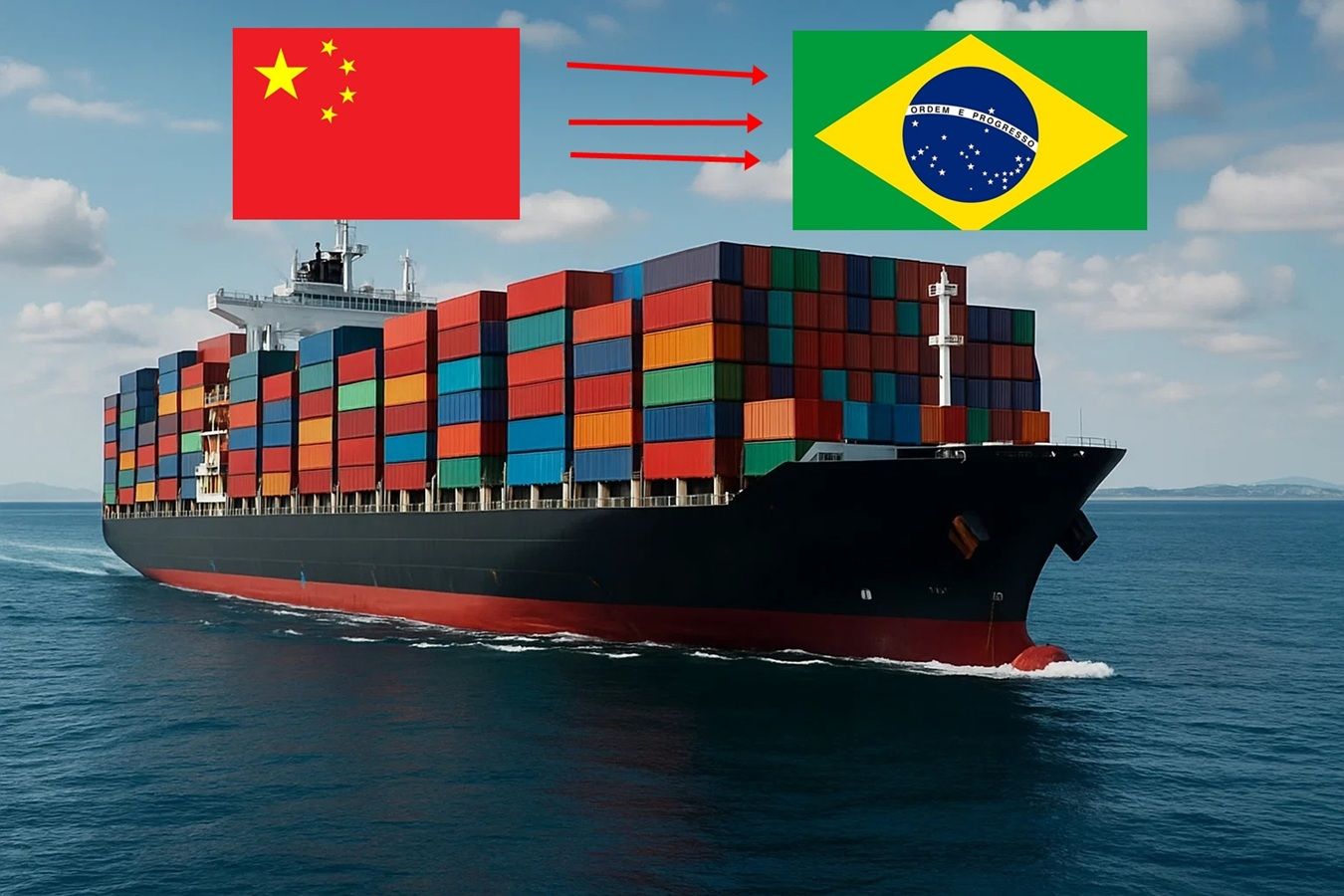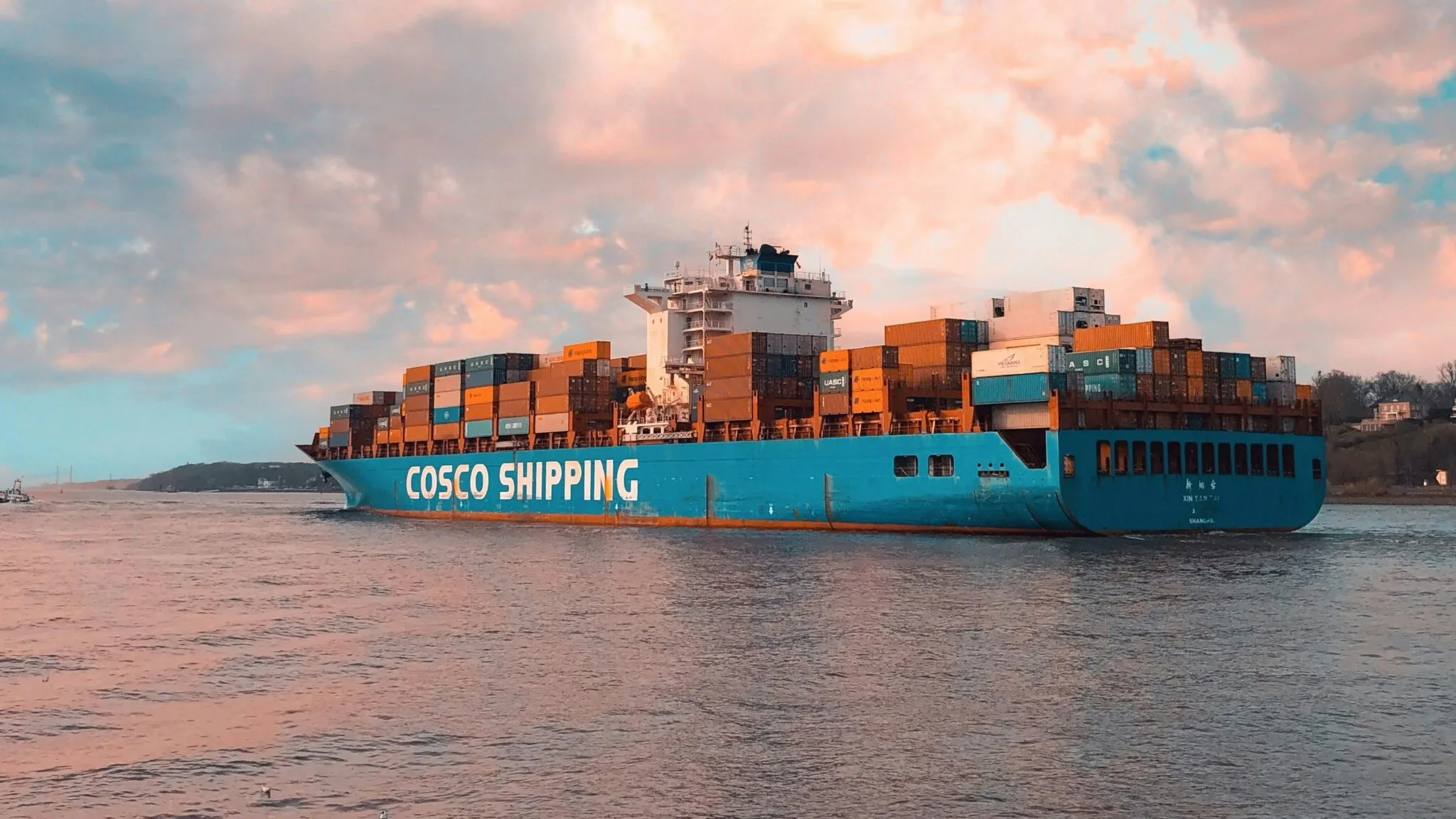
Sensitive cargo requires special conditions during transportation, which distinguishes it from other types of cargo. These include food products, pharmaceuticals, chemicals, cosmetics, live plants, and cargo sensitive to changes in temperature, humidity, light, and delivery times.
Sea freight is often used to transport sensitive cargo over long distances. This shipping method allows for the transportation of significant volumes of goods at a moderate cost. However, this shipping method requires careful preparation and attention to detail.

Problems of sea transportation of sensitive cargo
The difficulties in transporting sensitive cargo by sea stem from the specific nature of the products being delivered and organisational factors.
Maintaining temperature conditions
Maintaining a specified temperature is essential for transporting sensitive cargo. During sea shipping, ensuring the correct temperature depends on the proper functioning of equipment, port conditions, and precise planning. Even a few degrees of deviation can lead to irreversible consequences. Certain medications, frozen foods, and various biomaterials are particularly sensitive to temperature conditions.
Limited number of serviceable refrigerated containers
Refrigerated containers—special insulated modules with a refrigeration system—are used to transport sensitive cargo. Their availability is typically limited, especially during periods of peak demand. Furthermore, not all refrigerated containers receive timely maintenance, which can lead to malfunctions en route. Regular inspection of refrigeration equipment before shipment is essential to ensure cargo safety.
Power outages in ports
While in port, temperature-sensitive cargo is connected to fixed power sources. Power outages, a lack of outlets, or a lack of on-duty personnel can cause unintended shutdowns of reefer containers. A sudden temperature change inside the container can cause product spoilage.
Difficulties with overloads and docking
Sea freight often involves connections with land transport. Such transfers are associated with the risk of changes in storage conditions, delays, and violations of temperature control. During transhipment, strict coordination between logistics chain participants is essential, especially when using a multimodal approach.
Incompetence of service personnel
Freight transport personnel don’t always have sufficient experience handling sensitive cargo. Errors in setting parameters, connecting equipment, or completing documentation can lead to losses and wasted time. The qualifications of personnel at every stage, from loading to unloading, are crucial to ensuring cargo safety.
Customs delays and problems with accompanying documents
When transporting sensitive cargo, it’s important to properly obtain permits, certificates, and sanitary approvals. Missed deadlines, errors in document preparation, or document noncompliance with recipient country requirements can lead to problems at customs. The situation is further exacerbated by cargo being held outside the required temperature range during the delay.
Consequences of violation of transportation conditions
Failure to comply with certain transportation conditions poses a risk to the safety and security of cargo. Perishable products may lose their marketable appearance, medications may lose their stated pharmacological properties, and chemicals may become hazardous to use. This leads to a series of returns, disposal, financial losses, and dissatisfied customers.
Furthermore, failure to comply with the conditions for transporting sensitive cargo can lead to disputes between the cargo owner and the carrier. Insurance is also a challenge: without temperature monitoring, it’s difficult to prove where the failure occurred.

Minimising risks in the maritime transportation of sensitive cargo
The following solutions will help ensure reliable transportation of this category of cargo:
- Partnering with a specialized logistics company. Working with an experienced carrier ensures cargo status is monitored and prompt responses to emergencies are ensured. At Hongocean, we pay close attention to each shipment: we develop routes, select appropriate container types, and monitor transportation conditions.
- Using modern equipment with a monitoring system. Modern refrigerated containers are equipped with temperature and humidity monitoring systems with real-time data transmission. This allows for the prompt detection of deviations and the implementation of measures en route. Hongocean regularly utilizes such technologies and provides clients with reports on each shipment.
- Competent handling of permitting documentation. Having and correctly preparing the required documents helps avoid delays at customs and inspections. Knowledge of maritime transport regulations in various countries allows Hongocean to process sensitive cargo without delays or problems at the border.
Route planning without intermediate warehouses.
One way to stay within budget and on time is to eliminate unnecessary storage points. Hongocean creates direct routes with minimal transhipments and integrated ground delivery, which is essential for tight cargo storage times.
Experience of Hongocean in the transportation of sensitive cargo
The company’s clients can count on:
- competent logistics solutions;
- use of serviceable and tested refrigerated containers;
- cargo escort;
- organization of multimodal routes;
- temperature monitoring;
- integration with door-to-door automobile delivery.
Among the regularly serviced categories are food products, pharmaceuticals, cosmetics, household chemicals, raw materials and components.
The challenges of shipping sensitive cargo by sea involve numerous technical and organizational nuances. Addressing these challenges requires the support of an experienced logistics company capable of ensuring cargo safety in transit.