
US President Donald Trump signed an executive order imposing retaliatory tariffs ranging from 10% to 41% on 69 trading partners worldwide. Singapore, which is not on the list, will face a 10% tariff. The tariff rate on Singapore remains the same as announced in April this year.
In the executive order issued on Thursday (July 31), Trump said, “Although some trading partners have engaged in negotiations with the United States, in my view, the terms they have offered are insufficient to address the imbalances in our trade relationship or to bring them into alignment with the United States on economic and national security matters.”
However, the new tariffs will take effect on August 7 instead of the originally expected August 1, giving U.S. border and customs authorities time to implement the new system and allowing some countries, such as India, time to continue negotiations with the United States to seek lower tariffs. India had previously faced a 26% tariff, which was reduced to 25% in the latest announcement.
The White House statement on Thursday also confirmed that goods from countries with higher tariffs that are transshipped to the US via another country will face a 40% tariff on transshipment.
The latest list of tariffs imposed by the United States on various countries
| Trading Partner | Modified July Rate | April 2 Announced Rate |
| Afghanistan | 15% | 10% |
| Algeria | 30% | 30% |
| Angola | 15% | 32% |
| Bangladesh | 20% | 37% |
| Bolivia | 15% | 10% |
| Bosnia And Herzegovina | 30% | 35% |
| Botswana | 15% | 37% |
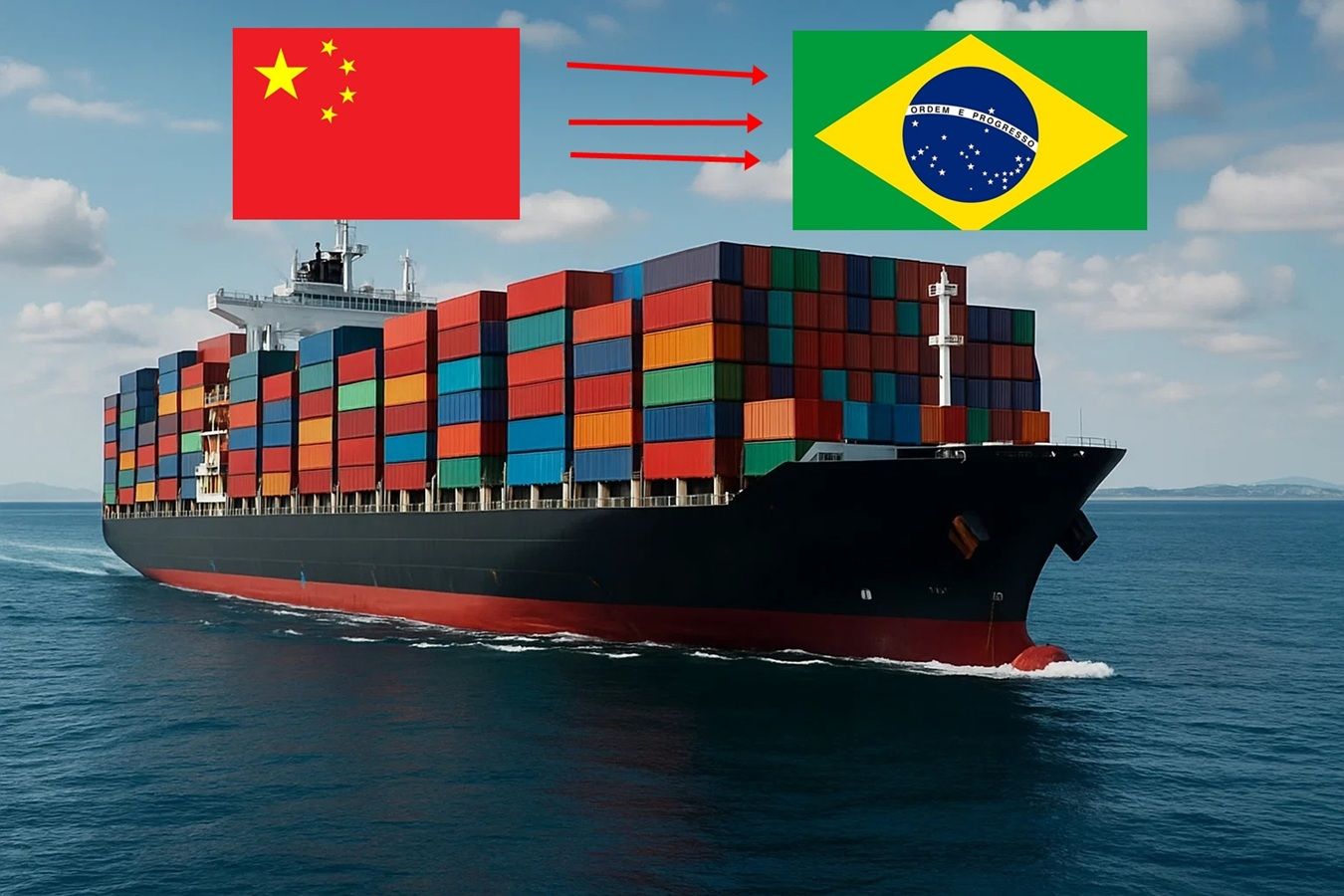
| Brazil | 10% + 40%(extra tariffs) = 50% | 10% |
| Brunei | 25% | 24% |
| Cambodia | 19% | 49% |
| Cameroon | 15% | 11% |
| Canada | 35% | |
| Chad | 15% | 13% |
| Costa Rica | 15% | 10% |
| Côte D`Ivoire | 15% | 21% |
| Dem. Rep. Of The Congo | 15% | 11% |
| Ecuador | 15% | 10% |
| Equatorial Guinea | 15% | 13% |
| European Union* | 0% | 20% |
| European Union** | 15% | 20% |
| Falkland Islands | 10% | 41% |
| Fiji | 15% | 32% |
| Ghana | 15% | 10% |
| Guyana | 15% | 38% |
| Iceland | 15% | 10% |
| India | 25% | 26% |
| Indonesia | 19% | 32% |
| Iraq | 35% | 39% |
| Israel | 15% | 17% |
| Japan | 15% | 24% |
| Jordan | 15% | 20% |
| Kazakhstan | 25% | 27% |
| Laos | 40% | 48% |
| Lesotho | 15% | 50% |
| Libya | 30% | 31% |
| Liechtenstein | 15% | 37% |
| Madagascar | 15% | 47% |
| Malawi | 15% | 17% |
| Malaysia | 19% | 24% |
| Mauritius | 15% | 40% |
| Mexico | 25% | |
| Moldova | 25% | 31% |
| Mozambique | 15% | 16% |
| Myanmar | 40% | 44% |
| Namibia | 15% | 21% |
| Nauru | 15% | 30% |
| New Zealand | 15% | 10% |
| Nicaragua | 18% | 18% |
| Nigeria | 15% | 14% |
| North Macedonia | 15% | 33% |
| Norway | 15% | 15% |
| Pakistan | 19% | 29% |
| Papua New Guinea | 15% | 10% |
| Philippines | 19% | 17% |
| Serbia | 35% | 37% |
| South Africa | 30% | 30% |
| South Korea | 15% | 25% |
| Sri Lanka | 20% | 44% |
| Switzerland | 39% | 31% |
| Syria | 41% | 41% |
| Taiwan | 20% | 32% |
| Thailand | 19% | 36% |
| Trinidad And Tobago | 15% | 10% |
| Tunisia | 25% | 28% |
| Turkey | 15% | 10% |
| Uganda | 15% | 10% |
| United Kingdom | 10% | 10% |
| Vanuatu | 15% | 22% |
| Venezuela | 15% | 15% |
| Vietnam | 20% | 46% |
| Zambia | 15% | 17% |
| Zimbabwe | 15% | 18% |
How will US tariffs affect the current freight industry?
The US tariff increases have had a significant impact on the current freight industry in many ways, mainly reflected in the following aspects:
1. Fluctuations in trade volume affect freight demand
- Tariffs increase import costs, causing some companies to reduce imports from affected countries, such as China. This directly affects the reduction in freight volume, particularly the demand for container sea freight and air freight.
- Prior to the official implementation of tariffs, many companies opt to ship goods in advance to “beat the deadline”, resulting in a short-term surge in cargo volumes; following the implementation of tariffs, a freight off-season may emerge, creating a distinct “peak-trough” phenomenon.
2. Changes in transportation cost structure
- To avoid high tariffs, some companies switch to third-country transshipment, such as via Vietnam, Mexico, or Southeast Asia. This increases the number of logistics steps and multimodal transport demand, thereby raising transportation complexity and costs.
- Freight insurance costs are rising due to increased risks in the supply chain. Tariff uncertainties prompt insurance companies to raise underwriting costs for sensitive routes.
3. Stricter customs clearance procedures
- U.S. Customs has implemented stricter declaration and review procedures for goods subject to tariff increases, resulting in prolonged overall clearance times and increased operational pressure and risks of port congestion for freight forwarders.
- Companies must provide more accurate commodity codes (HS Codes) and origin certificates when declaring goods. Otherwise, they risk order rejections or additional fines.
4. Port and warehousing pressures intensify
- During the peak shipping period, major U.S. ports, such as Los Angeles and Long Beach, often experience congestion. This reduces efficiency in cargo unloading and distribution.
- Some companies have chosen to stockpile goods in the U.S. in advance, which increases local warehousing and distribution center inventory pressures and drives up short-term warehousing demand.
5. Logistics companies’ transformation and response
- Professional freight forwarders and logistics companies are actively expanding transshipment routes. They also offer flexible delivery solutions, such as DDP and DDU services, to help customers mitigate policy risks.
- Additionally, many freight forwarders are now offering trade compliance and customs consulting services to help customers plan their import and export processes more effectively.
Managing Uncertainty: Strategies for Navigating Tariff Challenges
In the face of growing tariff-related uncertainties, how can small and medium-sized enterprises (SMEs) respond effectively? Here are several practical strategies to help mitigate risks and maintain operational stability:
1. Build Strategic Partnerships
Collaborating with experienced freight forwarders, customs brokers, and legal advisors can offer valuable insights into compliance requirements and help streamline your logistics operations. Strong partnerships also provide greater flexibility in navigating sudden regulatory changes or shipping disruptions.
2. Leverage Free Trade Zones and Bonded Warehouses
Utilizing bonded warehouses or operating within Free Trade Zones (FTZs) can defer or reduce duties, allowing you to store goods without immediately incurring tariffs. This provides more time to plan distribution and potentially avoid duties altogether if goods are re-exported.
3. Optimize Shipping Schedules to Your Advantage
Strategically timing your shipments around known or anticipated tariff implementation dates can reduce exposure to additional costs. For example, accelerating shipments ahead of a new tariff or delaying them until exemptions or policy changes take effect can help protect your margins.