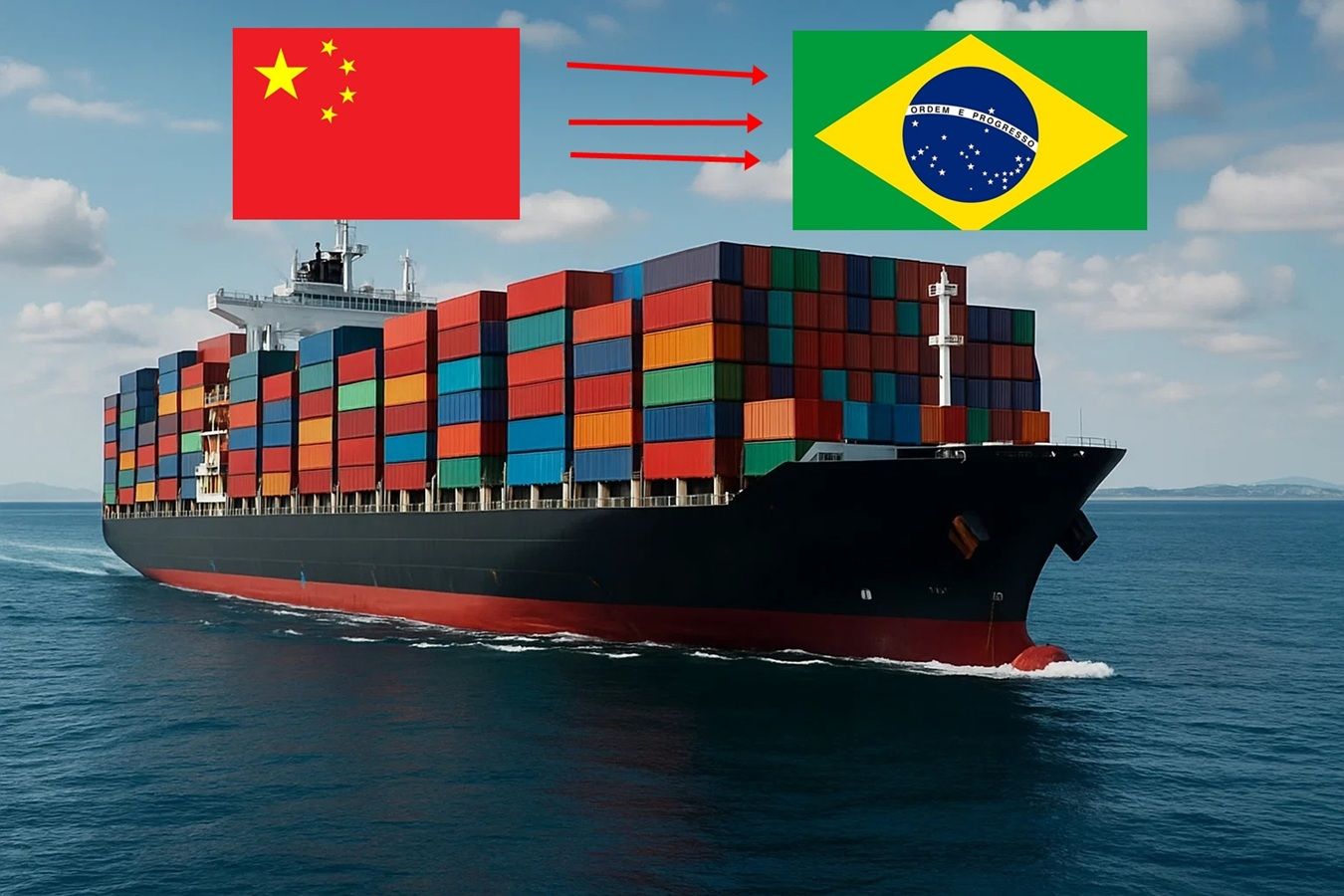
Shipping costs from China to the USA can eat up your profit margins faster than you think. With ocean freight rates fluctuating wildly and additional fees piling up, many importers struggle to keep their freight costs under control.
You’re not powerless against rising shipping costs. Smart importers use proven strategies to cut their logistics expenses by 20-40% without sacrificing service quality or delivery times.
The key lies in understanding how freight pricing works and implementing the right combination of cost-reduction tactics. Small changes in your approach can lead to significant savings that directly improve your bottom line.
What Makes Up Your Freight Cost Structure?
Your total freight costs consist of multiple components that importers often overlook. Ocean freight represents only 60-70% of your total shipping expense, while additional charges make up the rest.
Base ocean freight rates depend on container size, shipping route, and current market demand. Think of it like airline tickets—prices fluctuate based on supply and demand dynamics.

Additional costs include port handling fees, documentation charges, customs clearance, inland transportation, and fuel surcharges. These “hidden” fees can add $500-$1,500 to your shipment cost.
Currency exchange rates also impact your final costs. When the US dollar weakens against the Chinese yuan, your freight costs increase even if shipping rates stay the same.
How Can You Reduce Your Shipping Costs?
Reducing shipping costs requires a multi-pronged approach that addresses each component of your freight structure. The most effective importers combine several strategies rather than relying on just one cost-cutting method.
How Does Optimizing Packaging Size Improve Efficiency?
Optimizing your packaging size directly reduces freight costs by maximizing container space utilization. Ocean freight pricing is based on container volume, not weight, so every cubic meter counts.

Standard containers can hold 67-76 cubic meters depending on type. Most importers only use 60-70% of available space due to poor packaging design.
Redesign your product packaging to eliminate wasted space. Use vacuum packing for soft goods, nest products inside each other when possible, and choose rectangular packaging over round containers.
Work with your Chinese suppliers to develop custom packaging that maximizes container density. A 10% improvement in space utilization can reduce your per-unit shipping cost by the same percentage.
Why Should You Use a 40HQ Container?
Using a 40HQ container cuts your per-unit freight costs compared to smaller container options. The 40-foot high-cube container offers 76 cubic meters of space versus 67 cubic meters in standard 40-foot containers.

The price difference between 40HQ and standard containers is typically only $200-$400. However, the 40HQ gives you 13% more space for almost the same price.
40HQ containers work best for lightweight, bulky products like textiles, furniture, or electronics packaging. If your products are heavy, you might hit weight limits before filling the container.
Calculate your cargo’s density before choosing container size. Products under 200kg per cubic meter benefit most from 40HQ containers.
How Does Multimodal Transport Save Money?
Multimodal transport combines different shipping methods to balance cost and speed. Instead of using pure ocean or air freight, you mix transportation modes to optimize your total logistics cost.
Ocean-rail combinations often cost 30-50% less than pure ocean freight to inland US destinations. Your goods ship by sea to West Coast ports, then travel by rail to final destinations.
Ocean-truck combinations work well for time-sensitive shipments that don’t justify air freight costs. This hybrid approach typically costs 15-25% more than pure ocean freight but arrives 5-7 days faster.
Consider your inventory carrying costs when evaluating multimodal options. Faster delivery might justify higher freight costs if it reduces your working capital requirements.
When Should You Avoid Peak Shipping Periods?
Avoiding peak shipping periods can reduce your freight costs by 25-40% during high-demand seasons. Ocean freight rates spike during Chinese New Year, Golden Week, and pre-Christmas shipping rushes.
Peak season typically runs from August through October when retailers stock up for holiday sales. Rates during these months can double compared to slower periods.
Plan your inventory purchases to avoid these peak periods. Ship goods in June-July or January-March to take advantage of lower rates.
Build seasonal inventory strategies that balance carrying costs against shipping savings. Sometimes it’s cheaper to hold extra inventory than pay peak season rates.
How Do You Find Customs Codes with Lower Tariffs?
Finding the right customs code can significantly reduce your total landed costs beyond just freight costs. The same product might qualify for different Harmonized System (HS) codes with varying tariff rates.
Work with a customs broker to review your product classifications. Small changes in product specifications or packaging might qualify you for lower-tariff categories.
Some products qualify for trade program benefits like Generalized System of Preferences (GSP) or reduced rates under specific trade agreements. These programs can eliminate or reduce duties entirely.
Document your classification decisions carefully. US Customs requires consistent classification, and frequent changes raise audit risks.
Why Do Slower Ships Reduce Freight Costs?
Slower shipping services cost 15-30% less than express ocean options. Standard shipping takes 18-25 days from major Chinese ports to US destinations, while express services promise 12-16 days.
The time difference comes from fewer port stops and direct routing for express services. Standard services make multiple port calls, adding days but reducing costs through shared capacity.
Evaluate whether the time savings justify higher costs. For non-urgent shipments, slower services offer excellent value without compromising reliability.
Factor in your inventory turnover rates. Fast-moving products might benefit from express shipping, while slower-moving items can use standard services.
How Do Incoterms Affect Your Shipping Costs?
Selecting the right Incoterms clarifies cost responsibility and can reduce your total freight costs through better negotiation leverage. Different terms shift various costs and risks between buyer and seller.
FOB (Free on Board) terms make you responsible for ocean freight, giving you control over carrier selection and routing. This often results in lower total costs than CIF arrangements.
CIF (Cost, Insurance, Freight) terms mean suppliers arrange shipping, but they typically mark up logistics costs by 10-20%. You lose control but gain convenience.
EXW (Ex Works) terms give you maximum control over logistics costs but require managing Chinese inland transportation and customs clearance.
When Does Consolidating Shipments Make Sense?
Consolidating shipments reduces per-unit freight costs by combining smaller orders into full container loads. This strategy works best when you import multiple products or work with several suppliers.
Less-than-container-load (LCL) shipments cost $80-120 per cubic meter compared to $40-60 per cubic meter for full containers. Consolidation can cut your shipping costs in half.
Use freight forwarders that offer consolidation services. They combine your goods with other importers’ shipments to create full container loads.
Plan your purchasing to accumulate enough volume for full containers. This might mean adjusting order quantities or timing to reach minimum thresholds.
What’s the Cheapest Way to Ship from China to the USA?
The cheapest shipping from China to the USA combines multiple cost-reduction strategies rather than relying on any single approach. Start by maximizing your container utilization through better packaging design.
Choose slower ocean services during off-peak periods when rates are lowest. Use 40HQ containers for lightweight, bulky products to get maximum space for your money.
Consider multimodal transport for inland destinations where ocean-rail combinations cost less than pure ocean freight. This works especially well for shipments to Midwest and East Coast locations.
Build relationships with multiple freight forwarders to compare rates and services. Don’t always choose the lowest price—factor in reliability, service quality, and additional fees.
Negotiate annual contracts with shipping lines or freight forwarders when your volumes justify it. Volume commitments often unlock 10-15% rate reductions.
Conclusion
Reducing freight costs from China to the USA requires a strategic approach that addresses multiple cost components. The most successful importers combine packaging optimization, smart timing, container selection, and routing strategies to achieve significant savings.
Start with the strategies that offer the biggest impact for your specific products and volumes. Packaging optimization and container selection typically provide immediate results with minimal effort.
Remember that the cheapest option isn’t always the best choice. Balance cost savings against service reliability, transit times, and your overall business needs to find the optimal shipping solution for your imports.
FAQs
What’s the average freight cost from China to the USA?
Freight costs typically range from $1,500-$4,000 per 40-foot container depending on route, season, and current market conditions. Additional fees can add $500-$1,500 to your total shipping expense.
How much can I save by optimizing packaging?
Packaging optimization can reduce shipping costs by 10-25% by improving container space utilization. The exact savings depend on your current packaging efficiency and product characteristics.
Is it cheaper to ship to West Coast or East Coast ports?
West Coast ports are typically $300-$800 cheaper per container than East Coast destinations. However, inland transportation costs to final destinations might offset these savings for some locations.
When are shipping rates lowest from China?
Freight costs are typically lowest from January through March and again in May-June. Avoid peak season (August-October) and Chinese holidays when rates can double.
Should I use a freight forwarder or ship direct?
Freight forwarders often provide better rates and service for small to medium importers through their volume relationships with shipping lines. Direct shipping works best for very large, regular volumes.