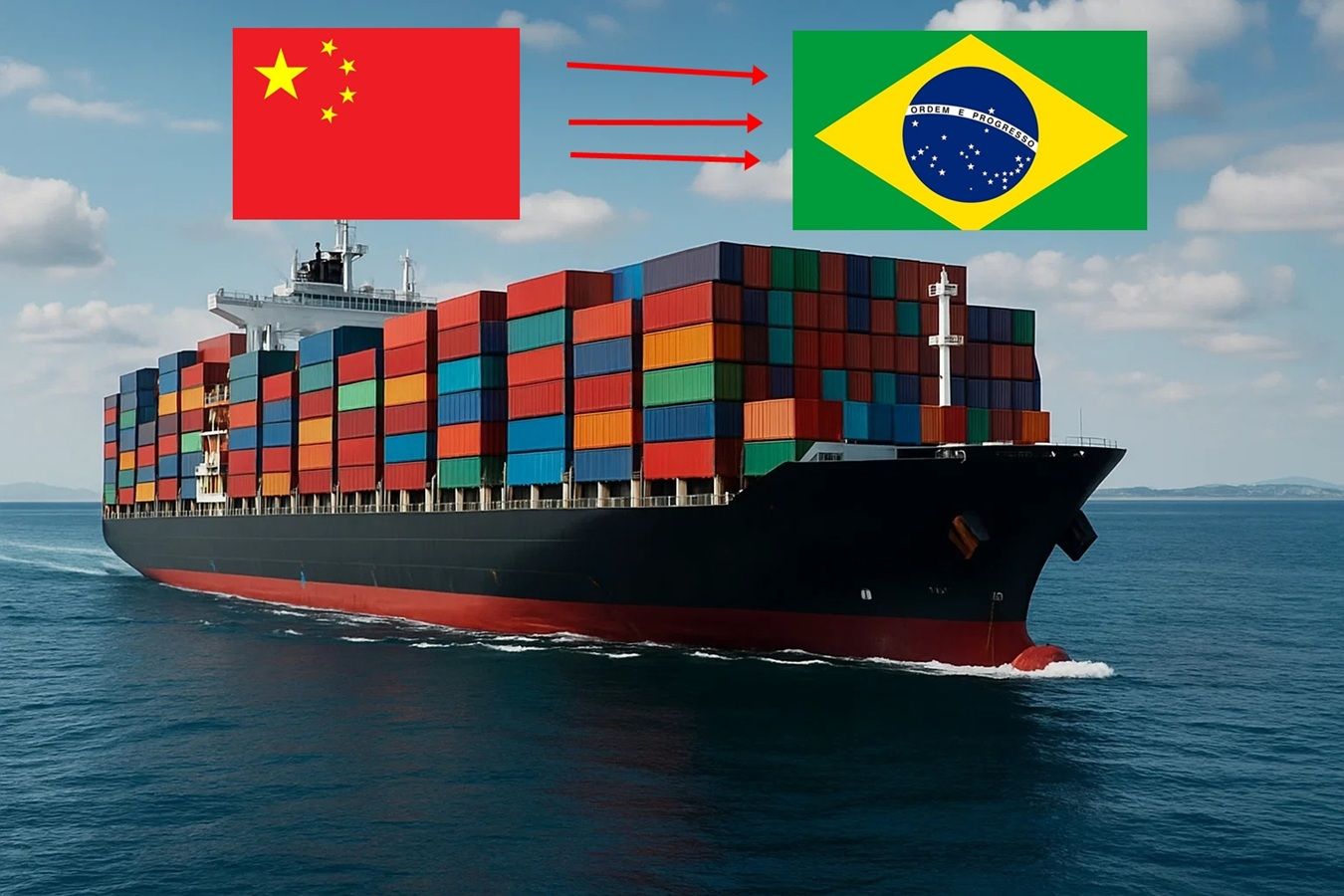
China is often referred to as the “world’s factory,” particularly in electronics manufacturing. Its strength comes not just from high production capacity, but also from a well-developed business environment, modern infrastructure, strong technology, helpful government policies, and a connected supply chain. For many companies, China is more than a manufacturing site; it is a key place to source products. In this guide, we will cover the basics of sourcing electronics from China, including how to understand the market and find trustworthy suppliers. Our goal is to help you feel confident and make your procurement process as smooth as possible.

What electronic products are manufactured in China?
China is a major manufacturer of various types of electronics, including:
- Consumer electronics: Laptops, smartphones, tablets, smartwatches, audio devices and digital cameras
- Home appliances: Washing machines, refrigerators, air conditioners and other major kitchen appliances
- Industrial-grade electronics: Switches, sensors, control systems and PLCs
- Lighting products: LED light fixtures, light fixtures, bulbs and more
- Telecommunication equipment: Routers, switches and other devices
Choosing the Right Chinese Electronics Manufacturers
Selecting the right supplier for your electronic products in China is a crucial aspect of sourcing. With numerous options available, take the time to find one that aligns with your business needs.
Begin by researching and making a shortlist of possible suppliers. Focus on those with positive customer feedback and a proven track record. Check their manufacturing skills, quality control, and certifications. A trustworthy supplier will have a solid production setup and care about quality.
Reach out to the suppliers you’ve shortlisted and talk with them. Ask about their production methods, delivery schedules, and pricing. This helps you understand how they meet your requirements.
Determine if each supplier is reliable and financially stable. Those with stable finances are more likely to provide quality products and keep their promises. Also, check if they can manage shipping, customs, and give you support when needed.

Challenges in Sourcing Electronics from China
- Quality Control and Consistency: When suppliers adhere to different manufacturing standards, product quality can fluctuate significantly, leaving customers dissatisfied and putting your brand’s reputation at risk.
- Communication and Cultural Barriers: Language hurdles and clashing business customs can spark confusion, making it challenging to place orders accurately and build lasting, reliable partnerships.
- Intellectual Property Protection: Unique designs and breakthrough technologies are tempting targets for copycats. Without robust safeguards, companies can suffer costly setbacks and lose their competitive edge.
- Supply Chain Disruption Risks: Putting all your eggs in one basket with a single supplier or route leaves your business vulnerable to a range of risks, including storms, sudden rule changes, and shipping slowdowns.
- Compliance and Regulatory Challenges: Meeting complex and constantly evolving international and domestic standards—encompassing product safety, quality, and environmental impact—requires diligence, as even minor oversights can hinder market entry.
- Cost and Price Volatility: Sudden swings in material prices, wages, or currency values can send costs skyrocketing, throwing budgets into disarray and putting pressure on profits.
- Tariff and Trade Policy Impacts: Changing trade rules and mounting tariffs pile on new challenges for sourcing, often driving up procurement costs and complicating decision-making.
How To Import Electronic Goods from China?
Step 1: Define Your Product
Identify the electronics you want to import. Collect product specifications, request samples, and consider bundling multiple items. Focus on quality and customer experience, not just margins.
Step 2: Understand Rules & Regulations
Learn import laws, taxes, and compliance requirements. Using a co-packer or bonded facility can simplify customs and offer tax advantages.
Step 3: Choose a Reliable Supplier
Select a trustworthy manufacturer that meets quality and compliance standards. A reputable supplier reduces your risk and ensures smooth operations.
Step 4: Finalize Pricing
Negotiate a fair price that benefits both parties. Maintain a good buyer reputation and manage payment schedules to keep credit low.
Step 5: Prepare a Clear Contract
Document all details, including product specifications, production process, payment terms, delivery timelines, responsibilities, and penalties. Clarity prevents disputes.
Step 6: Know Your 10-Digit Commodity Codes
Every product has a 10-digit code for tracking, tax rates, and import restrictions. This ensures smooth customs clearance.
Step 7: Obtain an Import License
An import license allows you to buy in bulk and simplifies legal procedures. It also acts as identification for customs.
Step 8: Understand Taxes
Be aware of VAT and other taxes. Using bonded facilities or tax exemptions can reduce costs and increase profit margins.

Summary
If you’re importing electronics from China for the first time, this guide will simplify the process and help you get started quickly.
Hongocean is a reliable Chinese freight forwarding company that assists importers in moving their products and simplifies shipping. All shipping costs are clear, with no hidden fees.
Whether you’re importing products from China, Hongocean offers comprehensive shipping solutions to meet your needs.