Choosing the right way to ship your goods helps ensure they arrive on time, safely, and at a reasonable cost. Every shipment is different, depending on its size, destination, and required speed. Knowing your options helps you avoid delays, extra charges, and unhappy customers. By considering what you’re sending, how quickly it needs to arrive, the price, and safety.
Knowing the different shipping options and how they fit your business goals can help you work more efficiently and save money. We’ll look at the main shipping methods, what to think about when choosing one, and how to make the best choice for your business.

What Are the Common Types of Shipping Methods?
Freight Transportation encompasses the following modes:
- Road transport
- Rail transport
- Sea freight
- Air freight
Each mode possesses distinct characteristics. Understanding these will help optimize transportation costs and select the optimal delivery time.
Types of Transportation in a Logistics Company
When choosing a mode of transport for your shipment, several key factors should be considered:
- Speed: Air freight is usually the quickest way to ship goods. For shorter distances, though, road transport can be faster because it avoids the extra time needed for airport checks and loading.
- Cost: Sea freight often costs the least for big or heavy shipments. If sea routes are not available, or if you have a smaller shipment, road or rail might work better. Air transport usually costs the most.
- Cargo Versatility: Sea freight can handle almost any type of cargo, making it the most flexible option.
- Reliability: Air freight is known for being reliable, with set schedules and a lower chance of delays.
Next, we will take a closer look at each type of transportation commonly offered by logistics companies.
Road Transport

Road transport is the main way goods are moved within a country. It can reach even remote or rural places. Today, logistics teams use route-planning software to find the best delivery routes, avoid traffic, and cut down on delays.
Purpose
Trucks are primarily used for medium-distance and small-batch shipments. They are ideal for transporting finished products, food, e-commerce orders, mail, and household goods such as furniture or moving supplies.
Advantages
- Minimal paperwork is required for shipment processing
- Direct delivery from sender to recipient without intermediate stops
- Single loading and unloading process, reducing handling risks
- Real-time cargo tracking through electronic systems or accompanying personnel
Disadvantages
- Limited capacity for oversized or heavy cargo
- Higher transportation costs over long distances
- Poor road infrastructure in certain regions can affect efficiency.
- Seasonal challenges can make some roads impassable because of weather conditions.
Rail Transport

China has a large railway network that helps move goods within the country and to other countries. The China–Europe Railway Express, for example, makes trade between China and Europe faster and more efficient.
Purpose
Rail transport is mainly used to move goods over long distances. Typical items shipped by rail include machinery, building materials, special equipment, bulk products, and goods from the engineering and metal industries.
Advantages
- Can carry many different types of goods
- Keeps goods safe and protected while they are being shipped
- Works well for shipping goods between regions and to other countries
- Trains can run in any kind of weather
Disadvantages
- Paperwork for rail shipments can be complicated and take extra time
- Rail transport has to follow many rules and restrictions
- Trains cannot reach places that do not have railway lines
Ocean Freight

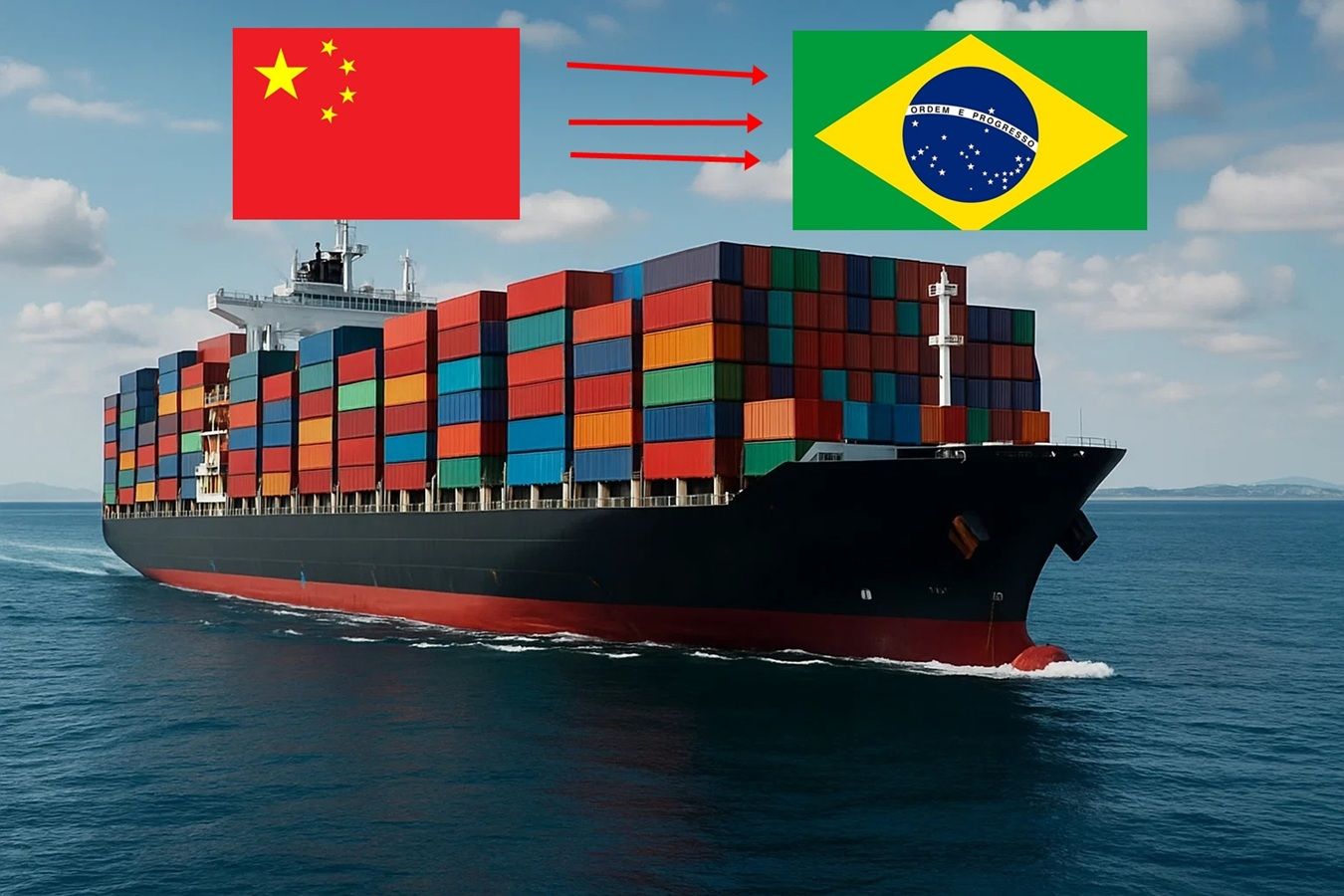
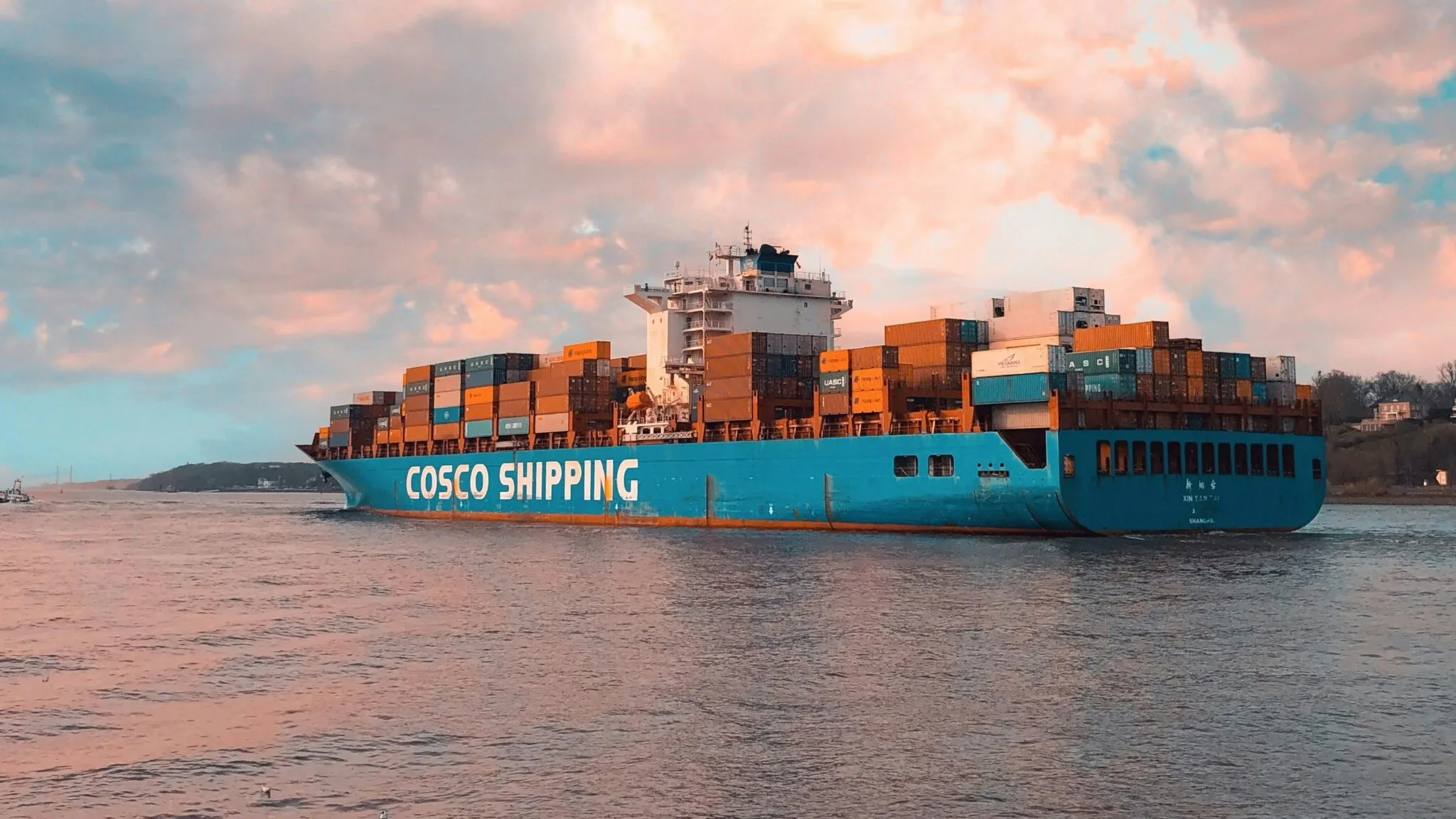
Ocean freight is a cost-effective way to move large amounts of goods over long distances. It works best for bulk shipments that do not need to arrive quickly, as containers are shipped by sea between countries.
Purpose
Ocean freight is a good choice for moving large or heavy items that are hard to transport by rail or truck. Examples include construction materials, petroleum products, machinery, and other big equipment.
Advantages
- Most economical option for large or heavy shipments
- Capable of handling oversized and bulk cargo efficiently
- The weather usually does not cause delays, except during major storms or natural disasters.
- Ocean freight is more environmentally friendly, with lower emissions for each ton-mile than air or road transport.
Disadvantages
- Longer transit times due to slower vessel speeds
- Ocean freight is only possible between ports that have the right facilities, so it is not available everywhere.
- After arriving at the port, goods often need extra transport to reach their final destination.
Air Freight

Air freight using passenger planes is the quickest and most dependable way to move cargo. Still, because of the high costs to operate and maintain these flights, it is also the priciest shipping method.
Purpose
Air transport works best for shipments that need to arrive quickly or are especially valuable. Typical items sent by air include jewelry, financial documents, fresh foods, flowers, and medicines. Businesses also use air freight to send small product samples for testing, certification, or urgent business needs.
Advantages
- It is the fastest delivery method and is particularly suitable for urgent or perishable goods.
- Air freight offers a high level of security and continuous monitoring throughout transit.
- Customs clearance procedures are simplified, with inspections conducted exclusively at the origin and destination airports.
- Specialized aircraft enable the handling of certain heavy or oversized cargo.
Disadvantages
- The high transportation costs render air freight less economical for large-volume shipments.
- Air freight is limited to airport-to-airport delivery, frequently necessitating supplementary ground transportation.
- Air freight operations are weather-dependent, with potential delays resulting from storms or adverse conditions.
Finding the Right Shipping Method for Your Business
As technology, infrastructure, and global trade keep advancing, freight transportation has become more important each year. Now, businesses can choose from several ways to deliver goods quickly, reliably, and affordably.
When selecting the most suitable mode of transport for goods, the following key factors must be comprehensively considered:
- Time Sensitivity: Air freight works best for perishable goods or anything that needs to arrive quickly. For shipments that are not urgent, ocean or rail transport usually costs less.
- Cargo Type: The kind of goods you ship matters. Perishable items need temperature-controlled vehicles, but regular goods that do not need special care can go by any method.
- Cost Considerations: If cost control is the primary objective, ocean freight is usually the most economical. For accelerated delivery, air freight services are the superior choice.
- Logistics Factors: Where your warehouse is located also matters. Rail transport works best if your warehouse is close to a rail hub, while shipping by sea is easier if you are near a port.
By looking at all these factors, businesses can make their deliveries more efficient, save on costs, and make sure goods arrive safely and on time.