
What is sea freight?
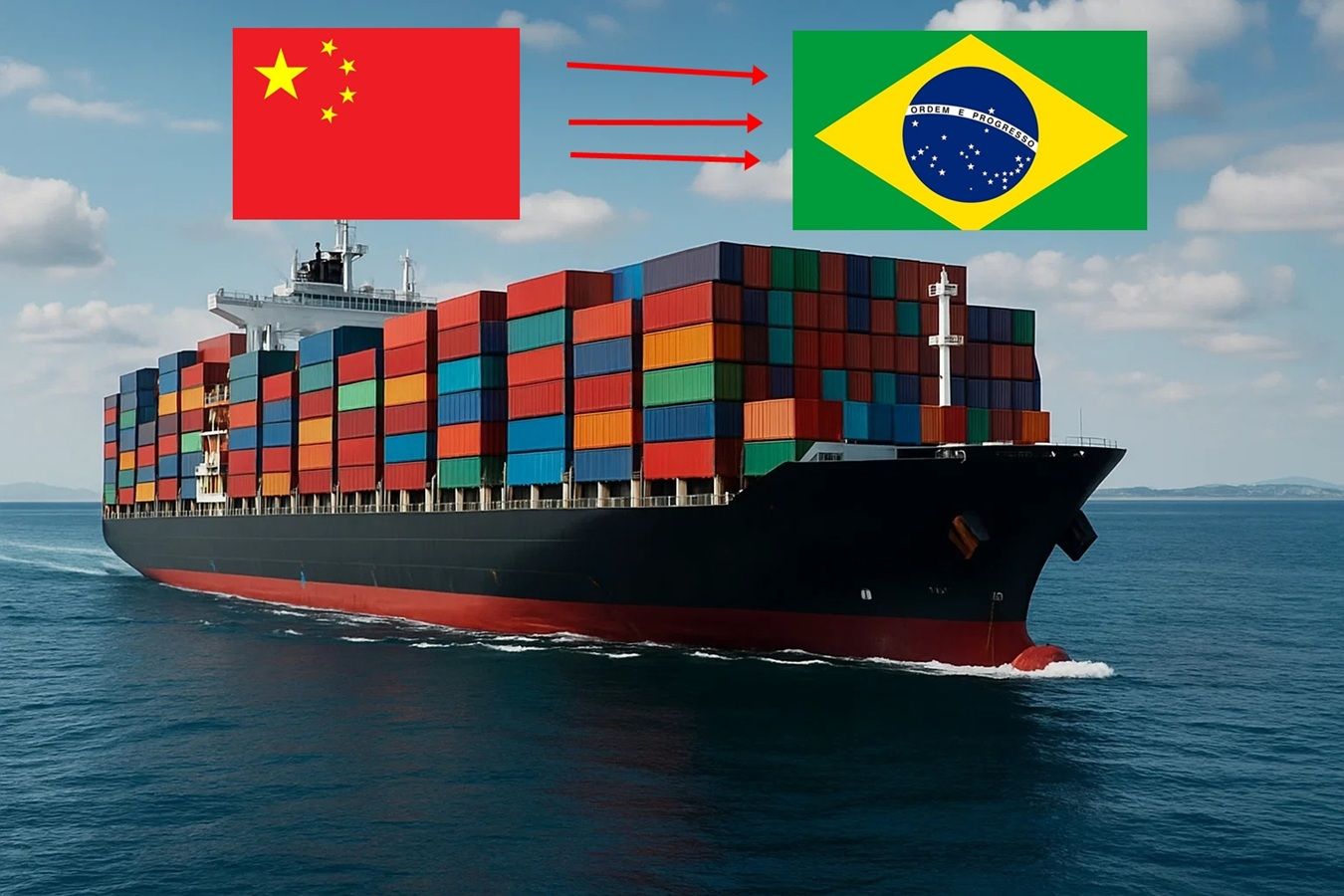
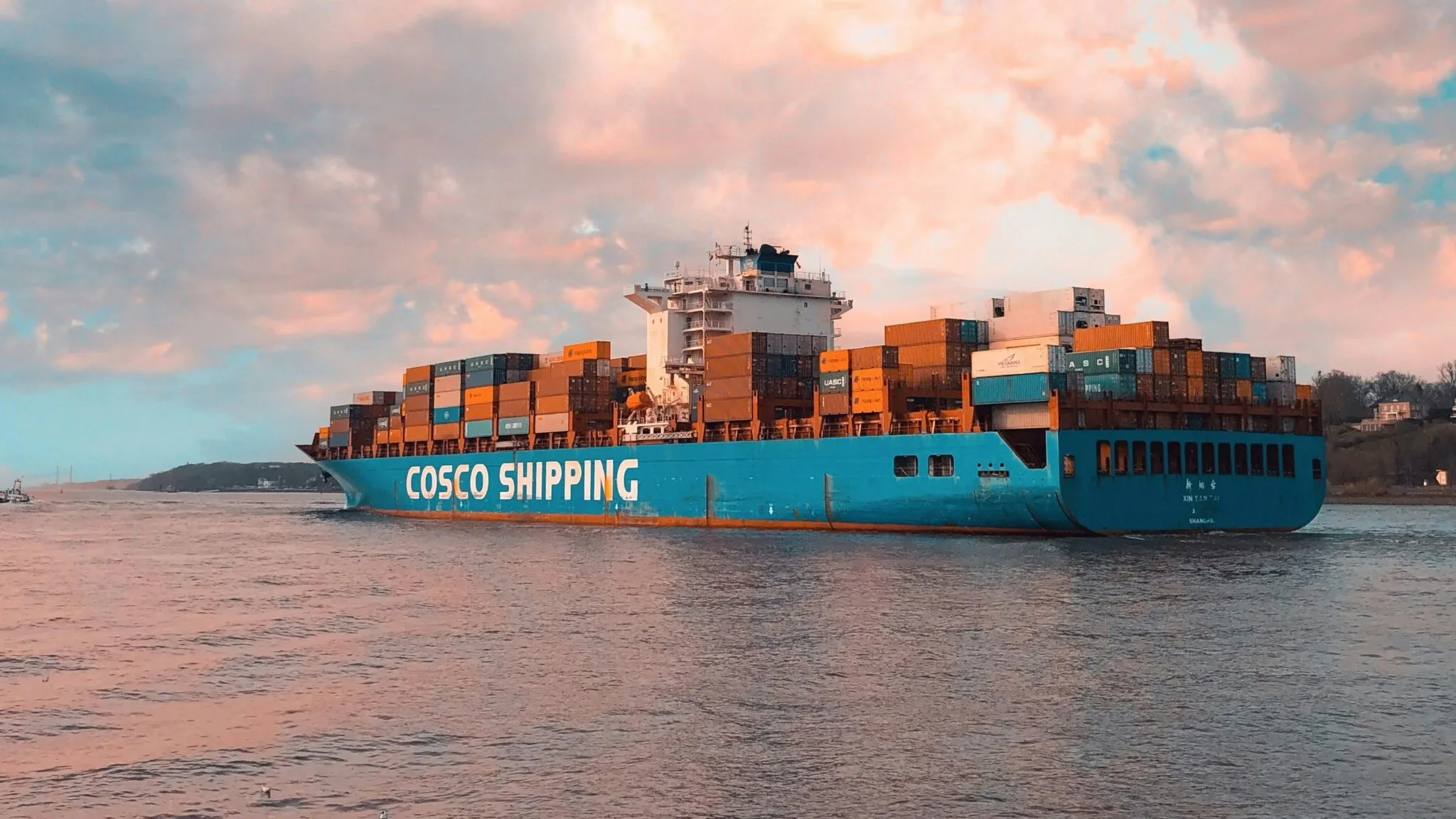
Ocean freight is the most cost-effective way to move goods around the world. It works well for all kinds of cargo, even large or heavy items. While it usually takes longer than other options, many businesses still rely on sea freight because it is secure. The risk of losing or damaging cargo during ocean transport is very low.
Sea freight can be divided into different types:
- Full Container Load (FCL): A business rents an entire container for its cargo.
- Less than Container Load (LCL): Cargo from multiple shippers is consolidated into a shared container.
Sea Freight Transportation Process
Step 1: Booking Space
The process starts when you reserve space on a vessel. You share details about your shipment, like the type of cargo, its size, weight, and any special needs. The shipping company then suggests the best route and solution for you.
Step 2: Route Selection
Picking the right route is important. The shipping company finds the most efficient ports for departure and arrival, and notes any stops along the way. They consider things like travel time, cost, and the type of cargo when making this choice.
Step 3: Container or Space Reservation
After the route is set, the shipping company reserves the needed container or space on the vessel. They choose the right size and type of container for your cargo, make sure it’s available, and arrange to deliver it to the loading site.
Step 4: Documentation
Having the right paperwork is key to smooth shipping. Carriers help you prepare all the needed documents, like invoices, bills of lading, insurance, and customs forms, so everything meets international rules.
Step 5: Pre-Shipment Preparation
Before loading, the shipping company makes a loading plan, sets up the needed equipment, and checks the cargo to make sure it’s secure and safe for the trip.
Step 6: Ocean Transport
The cargo is loaded onto the ship at the starting port. While it’s on the way, the shipping company keeps track of the ship and gives you real-time updates about your shipment.
Step 7: Unloading and Final Delivery
When the ship arrives at the destination port, the cargo is unloaded. Then, delivery is set up by truck, rail, or another method, so your goods reach the place you chose in the contract.

Advantages of Ocean Freight
Ocean freight provides several distinct advantages, making it one of the most widely used methods for transporting goods globally.
- Ideal for Bulk Cargo: Ocean vessels have enormous cargo capacity, making them perfect for shipping bulk goods such as containers, raw materials, heavy equipment, and oversized machinery. This large capacity allows companies to move substantial volumes at a lower cost per unit.
- Cost-Effective: Sea freight is generally the most economical option for long-distance shipments. Compared to air freight, it offers significantly lower costs per ton, making it especially suitable for transporting low-value or bulk items.
- Global Reach: With an extensive network of shipping routes and ports, ocean freight can reach nearly every country and continent. This worldwide coverage makes it an excellent choice for intercontinental and international shipments.
- Low Risk of Cargo Damage: Goods shipped by sea are well-protected from physical damage, harsh weather, and temperature fluctuations. This makes ocean freight a reliable option for fragile or sensitive items.
- Additional Benefits: Beyond these advantages, maritime shipping is also environmentally efficient compared to air transport and supports the movement of large cargo volumes, offering a combination of reliability, affordability, and sustainability.
Disadvantages of Ocean Freight
Despite its numerous advantages, ocean freight also has its drawbacks:
- Longer delivery times: Compared to other modes of transport, such as air freight or road transport, ocean shipping is significantly more time-consuming. This is particularly crucial for urgent shipments or goods that require rapid market access.
- Limited departure schedules: Ocean freight operates on fixed departure schedules, which may be more restrictive than other transport options. Ship departure schedules may depend on seasonality, cargo volume, and demand. This can limit planning and shipping capabilities for goods.
- Weather Impact: Maritime shipping is vulnerable to various weather factors, including storms, hurricanes, and fog. This can cause delivery delays and schedule changes. Weather conditions also affect cargo safety, particularly when transporting sensitive or perishable goods.
- Cargo Type Restrictions: Certain goods, such as hazardous materials or items requiring special storage conditions, may be subject to shipping restrictions or require special permits and approvals. This can limit the use of ocean freight for specific cargo types.
When planning and selecting a cargo transportation method, it is essential to recognize and consider these disadvantages. Companies should assess their specific needs, priorities, and cargo characteristics to make informed decisions and select the most suitable mode of transportation.

Ocean Fight Documents
Shipping goods by sea requires several important documents. Below are the key documents commonly needed for maritime shipments:
1. Commercial Invoice
A commercial invoice is issued by the seller and details the cost of goods or services that the buyer is liable to pay. It serves as the primary document for financial reporting and customs clearance.
2. Bill of Lading (B/L)
The Bill of Lading is the most critical document in maritime shipping. Issued by the carrier or its agent, it includes details about the cargo—such as description, quantity, weight, shipper, consignee, port of departure, port of destination, and shipping terms. It also serves as evidence of the contract of carriage and is required to claim goods at the destination port.
3. Certificate of Origin
This document verifies the country of origin for the goods. It may be required for customs clearance and can influence eligibility for preferential tariffs under trade agreements.
4. Insurance Policy
An insurance policy provides coverage for goods during maritime transport. It protects both the shipper and consignee against loss or damage from accidents, piracy, natural disasters, or other unforeseen incidents.
5. Customs Declaration
A customs declaration details the goods being shipped, their value, country of origin, commodity classification, and other information necessary for customs authorities. Accurate and complete customs documentation is mandatory for all international shipments to ensure proper duties and taxes are applied.
Additional Documentation
Depending on the type of cargo, origin, and destination, or specific shipping line requirements, additional documents may be needed. It is recommended to consult maritime logistics and customs experts to ensure all documentation is properly prepared for your shipment.
Ocean Freight: A Standalone Mode and Key Component of Multimodal Shipping
Ocean freight plays a key role in global logistics and trade. It can be used on its own or as part of a larger shipping plan, helping move goods around the world with flexibility and efficiency.
Ocean Freight as a Standalone Option
As a standalone method, ocean freight is highly cost-effective, particularly for bulk cargo and long-distance shipments. Compared to air and road transport, it also has a lower environmental footprint, making it a sustainable choice for global trade.
Ocean Freight in Multimodal Shipping
Multimodal transport combines multiple shipping methods—including sea, road, rail, and air—under a single system and set of documentation. Integrating ocean freight into multimodal logistics enables businesses to optimize routes, save time, and reduce costs. For instance, goods may travel by sea to a port and then continue by rail or truck to the final destination, all coordinated under one streamlined plan.
Conclusion
Ocean freight is indispensable in global supply chains. It offers cost-effective shipping for long-distance cargo, serving as a flexible and strategic component of multimodal logistics. From booking and route planning to documentation, ocean carriage, unloading, and final delivery, shipping companies play a vital role in ensuring goods reach their destinations safely, efficiently, and reliably.