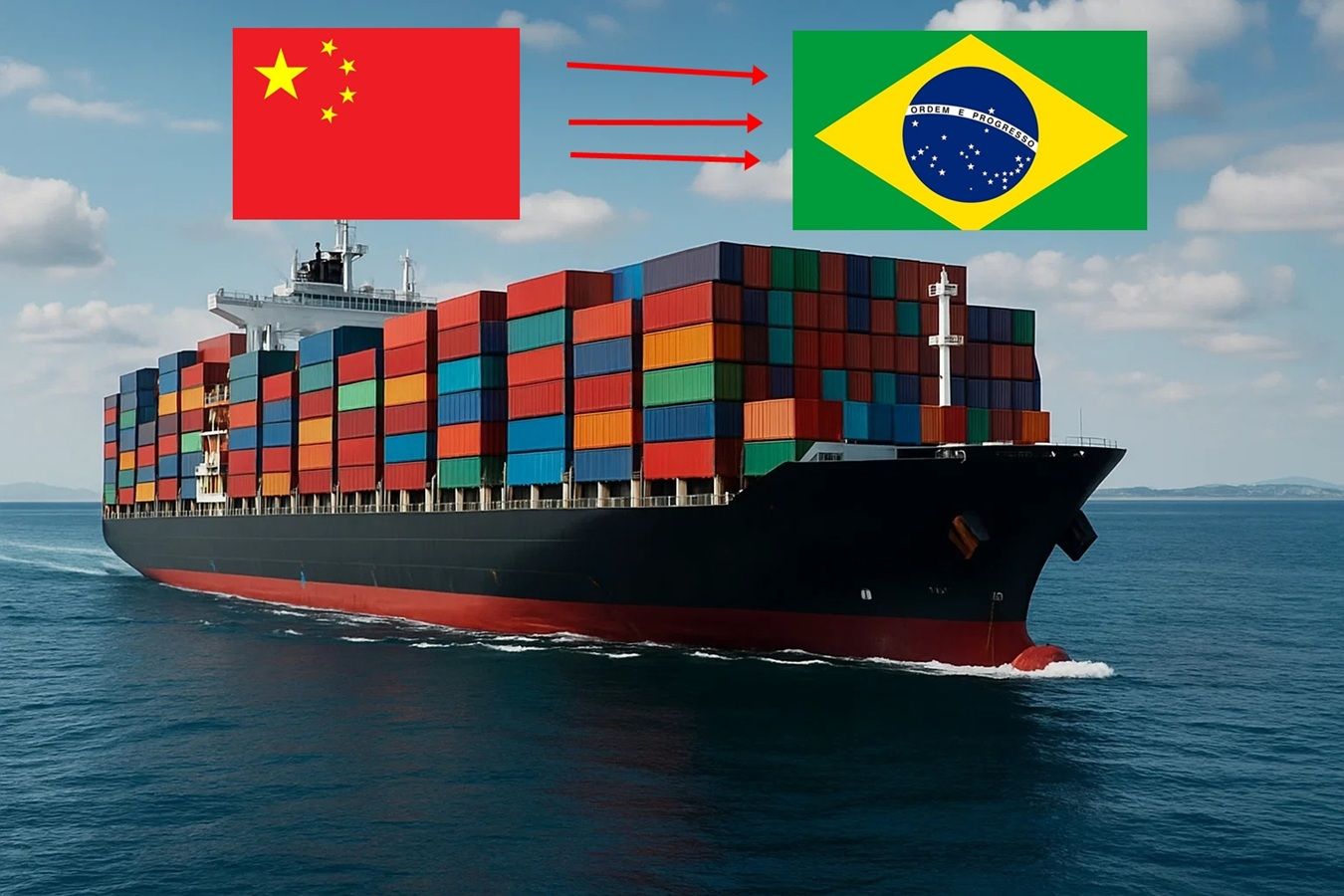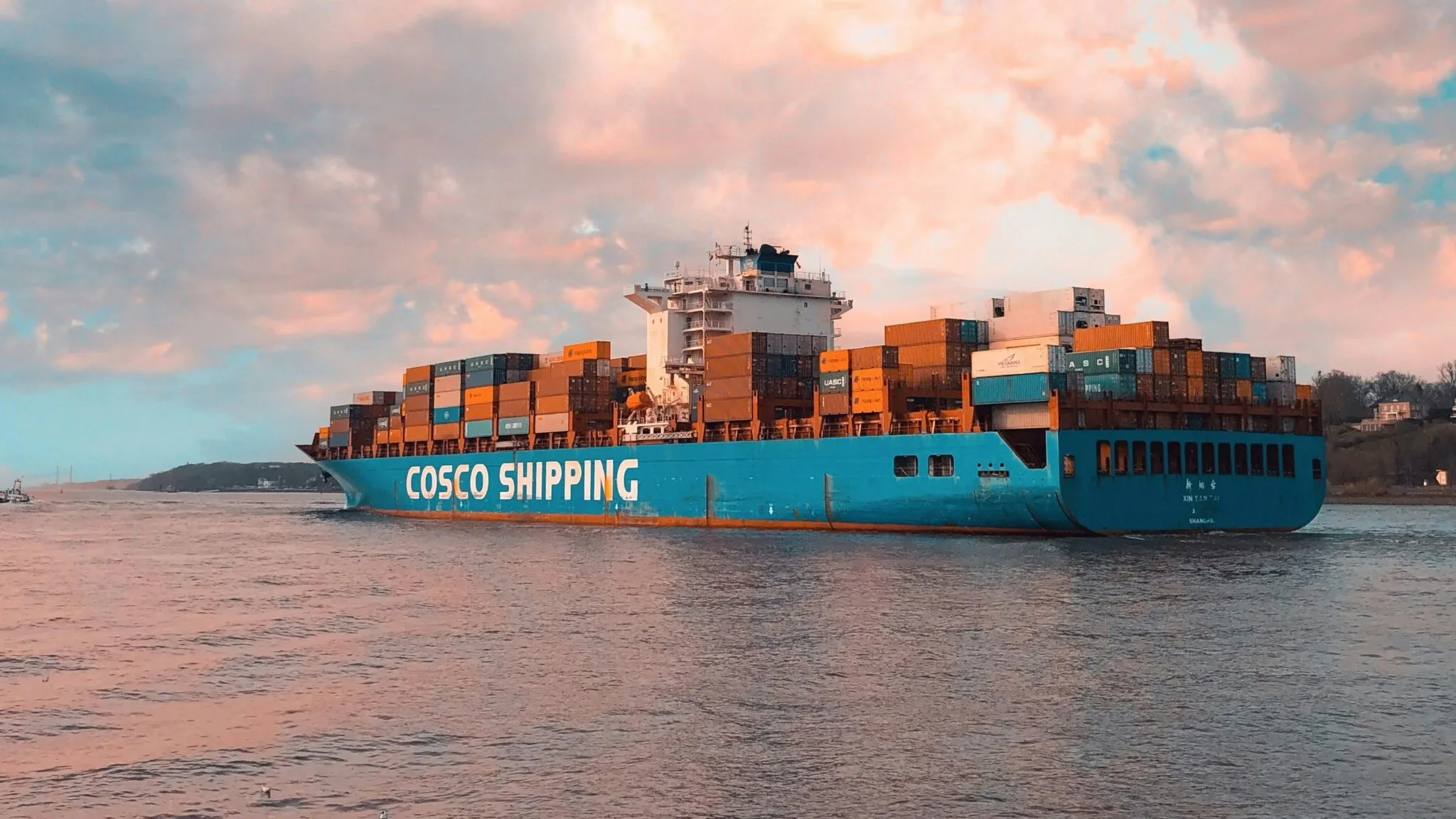
Shipping is what keeps international trade going. About 90% of the world’s trade by volume is moved by water. This makes maritime transport the cheapest and most energy-efficient way to move large volumes of goods over long distances. The modern economy would fall apart without global shipping. No country could sustain its industries or meet consumer demand without importing raw materials, energy, and finished goods.
The shipping sector connects poor countries that provide raw materials with industrialized economies that make and use finished goods. For example, crude oil from the Middle East is sent to refineries in Asia and Europe, and electronics from East Asia are sent to markets in North America and Africa. This dependency shows how important shipping is to globalization.

Understanding Freight in International Trade
Freight means moving large amounts of goods by sea, air, rail, or road. The type of freight service you choose affects how fast and efficiently products arrive. There are three main types of freight:
Sea freight is well-suited for shipping large or heavy items such as oil, coal, grain, machinery, and vehicles. Using containers has made sea freight safer and more efficient.
Air freight is the quickest way to ship goods. It is mostly used for items that spoil easily or are valuable, such as electronics, medicines, and luxury products.
Land freight, which uses rail or road, connects ports with inland cities and nearby countries. It plays a key role in regional trade and last-mile delivery.
Freight costs directly affect product prices and their competitiveness in international markets. Managing freight well can lower transportation costs and delivery times, helping keep products affordable and in stock.
The Role of Logistics in World Trade
Logistics is the planning, coordination, and management of moving and storing goods along the supply chain, from production to the final customer. It brings together shipping and freight to create a smooth operation.
Key elements of logistics include:
- Transportation Management: Choosing the best way to transport goods and finding the most efficient routes.
- Warehousing: Keeping goods safe until they are distributed or sold.
- Inventory Management: Ensuring supply matches demand without excess stock.
- Customs Clearance: Managing paperwork and following international trade rules.
- Last-Mile Delivery: Bringing goods from distribution centers directly to customers.
Today, logistics depends heavily on technologies such as GPS tracking, warehouse automation, and data analytics. These tools give real-time updates and help people make better decisions.
Evolution of Global Shipping and Logistics
The logistics industry has changed significantly since the days of wooden ships and manual cargo handling. In the 1950s, Malcolm McLean introduced the container revolution, which transformed global trade. Standard containers made it much easier and faster to move goods by ship, train, and truck, cutting both costs and time.
The digital revolution in the 21st century has made logistics even more efficient. Technologies such as artificial intelligence, blockchain, and the Internet of Things help manage supply chains, track shipments in real time, and reduce the risk of errors. Companies such as Amazon and Alibaba have raised the bar for global logistics by focusing on speed, reliability, and transparency.

Major Global Shipping Routes
Global trade relies on key sea routes that link producers with consumers. Some of the most important shipping routes are:
The Suez Canal in Egypt connects Europe and Asia through the Mediterranean and Red Seas.
The Panama Canal in Central America links the Atlantic and Pacific Oceans. It is crucial for trade between the Americas and Asia.
The Strait of Malacca in Southeast Asia is one of the busiest routes, connecting the Indian and Pacific Oceans.
The English Channel and the Strait of Gibraltar are both important routes for European trade.
Disruptions in these routes, such as the Suez Canal blockage in 2021, can cause major delays and losses in global supply chains. This shows how fragile and essential maritime networks are.
Key Players in Global Shipping and Logistics
Several major companies dominate international shipping and logistics:
- Shipping Lines: Maersk, MSC, CMA CGM, and COSCO handle millions of containers annually.
- Freight Forwarders: DHL, FedEx, and Kuehne+Nagel provide end-to-end logistics solutions.
- Port Operators: DP World, PSA International, and Hutchison Ports manage the world’s busiest ports.
Ports such as Shanghai, Singapore, Rotterdam, and Dubai’s Jebel Ali are global trade hubs, facilitating the import and export of goods worldwide.
Challenges Facing the Shipping and Logistics Industry
Despite its importance, the global shipping and logistics industry faces several challenges:
- Supply Chain Disruptions: Events like the COVID-19 pandemic, wars, or natural disasters expose vulnerabilities in global supply chains.
- Rising Fuel Costs: Shipping is heavily dependent on oil, and fluctuations in fuel prices directly affect freight rates.
- Environmental Regulations: Pressure to reduce carbon emissions has forced the industry to invest in cleaner fuels and green technologies.
- Port Congestion: Overcrowded ports lead to delays and increased costs, especially during peak trade periods.
- Geopolitical Tensions: Trade wars and sanctions can reroute or restrict global shipping flows.
Green and Sustainable Shipping
Sustainability has become a key priority for the maritime industry. The International Maritime Organization (IMO) has set targets to reduce carbon emissions by 50% by 2050. Innovations such as LNG-powered ships, wind-assisted propulsion, and electric container vessels are being developed. Companies are also investing in carbon offset programs and exploring hydrogen fuel as a cleaner alternative.
Green logistics also focus on reducing waste, optimizing routes, and using eco-friendly packaging materials, contributing to a more sustainable global trade ecosystem.
The Future of Global Logistics
The future of logistics lies in automation, digitalization, and resilience. Emerging technologies are reshaping the industry:
- Artificial Intelligence (AI): Enhances demand forecasting and route optimization.
- Blockchain: Provides secure and transparent documentation for international transactions.
- Autonomous Ships and Drones: Expected to revolutionize cargo transport and delivery.
- Smart Ports: Use IoT sensors and data analytics to streamline operations.
Moreover, the rise of regional trade agreements and nearshoring (relocating production closer to consumers) is redefining supply chains to reduce risks and costs.

Conclusion
Shipping, freight, and logistics are the invisible engines powering world trade. They connect nations, support industries, and ensure that goods flow seamlessly across borders. As globalization deepens and technology advances, the logistics sector continues to evolve, balancing efficiency, sustainability, and resilience.
However, the challenges of environmental impact, geopolitical instability, and supply chain vulnerabilities demand innovation and cooperation. The future of global trade depends on a smarter, greener, and more adaptive logistics network—one capable of sustaining the demands of an interconnected world while protecting the planet for generations to come.