Port congestion is emerging as a significant challenge in the global shipping industry, causing frequent delays and soaring costs, while triggering a chain reaction throughout the supply chain that affects every link. This article will provide an in-depth exploration of the nature and causes of port congestion, focusing on practical and effective strategies to help minimise risks and ensure the efficient operation of your business.

What is Port Congestion?
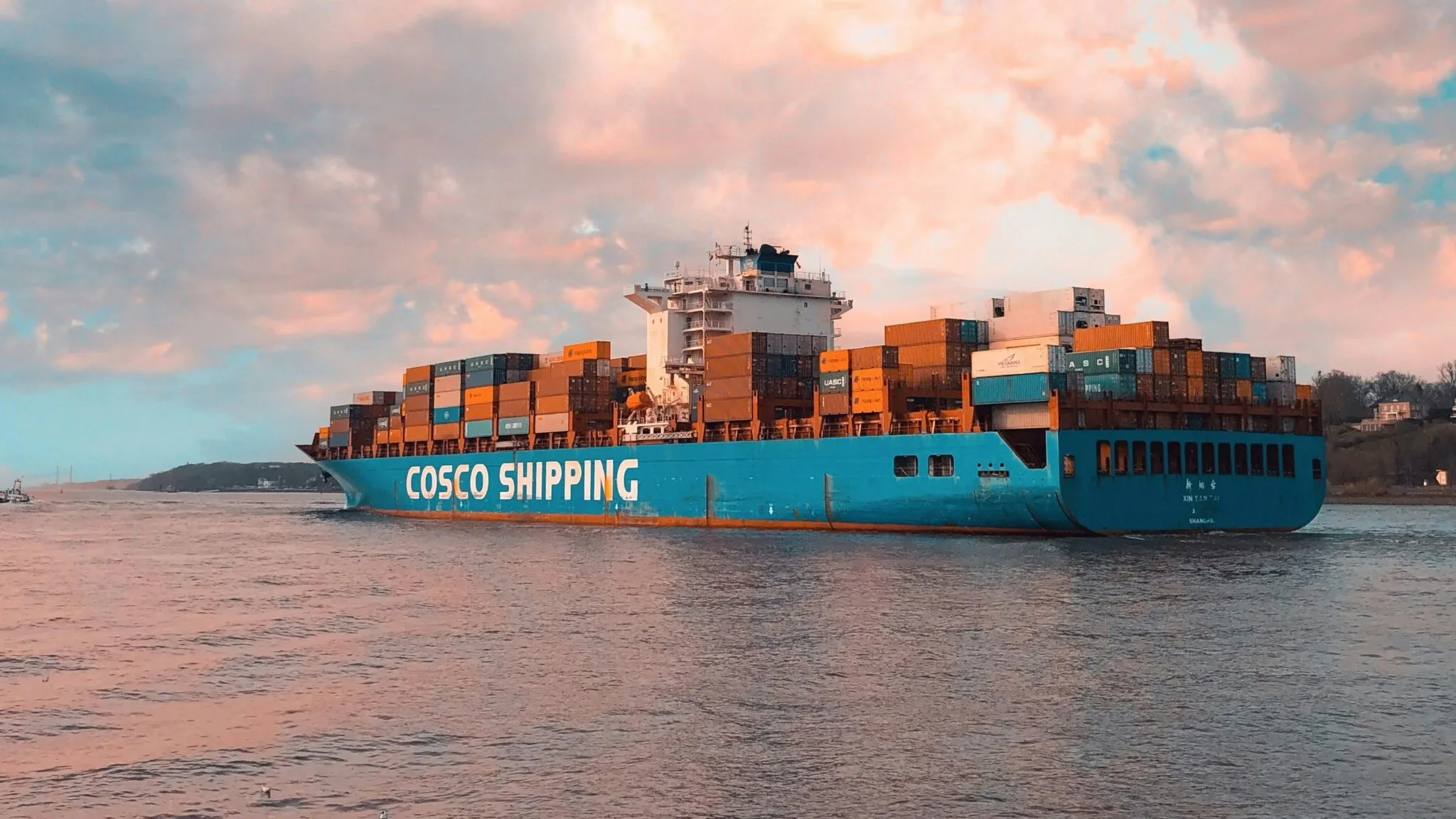
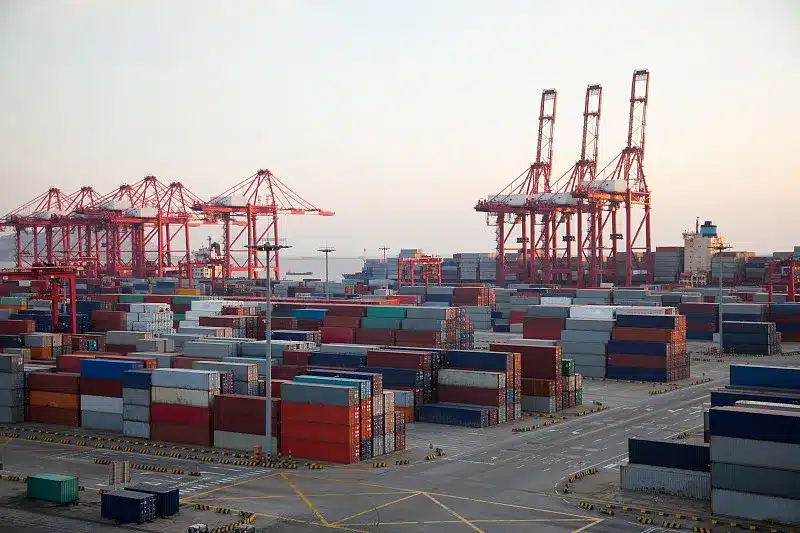
Port congestion occurs when a port is unable to accommodate the simultaneous arrival of multiple ships. Consequently, ships are required to wait for extended periods to load or unload their cargo. Consequently, deliveries are subject to delays, costs are elevated, and global trade is disrupted.
What causes port congestion?
Port congestion has become a significant challenge in the global sea freight logistics sector. Congestion at these pivotal points disrupts the seamless movement of goods, resulting in a domino effect that extends beyond the port’s confines. The following list comprises the most prevalent causative factors:
- Surge in Cargo Volumes: The post-pandemic recovery and booming e-commerce have led to record-high container volumes, overwhelming many ports.
- Labor Shortages: Ongoing labor shortages, exacerbated by strikes and industrial actions, have slowed down operations at key ports.
- Aging Infrastructure: Many ports, particularly in developing regions, struggle with outdated facilities that cannot accommodate larger vessels or increased traffic volumes.
- Geopolitical Tensions: Conflicts and regulatory changes in various regions have disrupted shipping routes, causing delays and rerouting.
- Weather Disruptions: Extreme weather events, such as hurricanes and floods, can temporarily close ports and damage infrastructure, leading to significant backlogs.
- Customs and Regulatory Delays: Complex customs procedures and increased inspections can create bottlenecks, further delaying cargo movement.
What are the main challenges associated with port congestion? It is not usually the result of just one issue, but rather the combination of several factors. For instance, when transportation demand surges and chassis availability is limited, delays become almost inevitable.
If you are experiencing shipping delays or uncertain delivery times, or if you want to mitigate risks proactively, our Comprehensive solution will provide the answers you need. We offer a comprehensive analysis of the root causes of delays, including port congestion and customs clearance bottlenecks. Our team of experts then offers practical optimisation strategies to help you minimise disruptions and ensure supply chain stability.

Impact and consequences of port congestions
1. Transportation Delays and Supply Chain Disruptions
Port congestion significantly reduces logistics efficiency, as vessels spend extended periods waiting to load or unload cargo. These delays slow the entire transportation process and disrupt the widely adopted “just-in-time” (JIT) model used by manufacturers and retailers. Missed delivery windows can lead to production stoppages and lost sales opportunities.
2. Escalating Costs Across the Board
Port delays often result in steep demurrage charges and rising operational expenses, including additional fuel consumption and equipment downtime. These growing costs don’t remain isolated—they ripple through the supply chain and are ultimately passed on to end consumers or business partners.
3. Shifts in Inventory Strategy and Rising Warehousing Costs
To manage uncertain lead times, many companies are increasing safety stock levels. While this helps maintain supply continuity, it also drives up warehousing and inventory management costs. On the other hand, low inventory levels increase the risk of stockouts, which can damage customer satisfaction and lead to a reduction in revenue.
4. Ripple Effects Across the Logistics Ecosystem
Port congestion rarely stays localized. Delays at one major port can trigger disruptions at transshipment hubs, inland transportation routes, and distribution centers, creating bottlenecks across multiple points in the supply chain and slowing the global movement of goods.
5. Increased Labor and Operational Pressures
As ports struggle to handle backlogs, demand for labor rises sharply. Port workers, truck drivers, and logistics personnel face longer hours and heavier workloads, increasing the risk of burnout, strikes, and high turnover rates. These pressures can lead to decreased labor efficiency and added operational strain.
6. Higher Freight Rates and Inflationary Pressure
With demand exceeding capacity, ports often impose congestion surcharges, resulting in higher ocean freight rates. Over time, these increased logistics costs are passed on to the marketplace, contributing to inflation and placing added pressure on businesses and consumers alike.
7. Environmental and Community Impact
Longer wait times for vessels translate to increased fuel consumption and higher greenhouse gas emissions. Communities near ports may also face worsening traffic congestion, elevated noise levels, and other environmental challenges, intensifying the social impact of prolonged port inefficiencies.
Port Congestion Mitigation Strategies
Mitigating port congestion is crucial for maintaining efficient global trade. Here are some effective strategies to address this issue:
1. Advance Planning and Booking
Effective mitigation of port congestion starts with proactive planning. Booking shipments well in advance helps secure vessel space ahead of peak periods, reducing the risk of delays. Additionally, leveraging data to identify less congested shipping windows allows for flexible scheduling that avoids bottlenecks.
2. Diversifying Supply Chains
Reducing dependency on a single port is key. By sourcing products from multiple suppliers and regions, businesses can spread risk. Utilizing alternative ports that experience less congestion also helps maintain smoother cargo flows and minimizes disruption.
3. Leveraging Technology
Implementing real-time tracking systems enables continuous monitoring of shipments and port conditions, allowing quick response to any delays. Automation within warehouses speeds up processing times and reduces the chance of holdups during cargo handling.
4. Investing in Infrastructure
Upgrading port infrastructure—such as expanding berths and modernizing equipment—is vital for long-term congestion relief. Enhancing intermodal connections between ports and other transportation modes, such as trucking and rail, further streamlines cargo movement.
5. Collaborating with Logistics Partners
Partnering with reliable carriers who have a proven track record in managing congestion ensures more efficient shipping operations. Maintaining transparent and open communication channels with logistics partners helps anticipate potential delays and address them promptly.
6. Ensuring Regulatory Compliance and Customs Efficiency
Working closely with customs authorities to streamline clearance processes can significantly reduce wait times. Staying updated on regulatory changes that affect shipping and port operations enables businesses to adapt quickly and avoid unnecessary delays.
7. Embracing Environmental Considerations
Incorporating sustainable and eco-friendly practices not only reduces emissions but also contributes to overall port efficiency and sustainability. Environmentally responsible operations can support smoother workflows and align with increasing regulatory and customer demands.
FAQ
What does airport congestion mean?
Port congestion refers to a situation in which ships are unable to dock, unload, or load cargo due to high traffic and limited port capacity. This results in vessels waiting outside the port for extended periods, leading to delays in shipping schedules and increased operational costs.
Which US ports are most congested?
By 2025, major West Coast ports in the United States are expected to become the most congested ports due to surging cargo volumes, labor shortages, and truck shortages. Ports such as Los Angeles, Long Beach, and New York-New Jersey are experiencing severe delays and rising costs. Ports like Savannah, Houston, and Seattle-Tacoma are also facing congestion due to demand and operational constraints, which is impacting East Coast and inland transportation. Other ports, including Oakland, Charleston, Miami, and Baltimore, are periodically facing congestion pressures due to seasonal and regional factors.
How can we reduce port congestion?
Reducing port congestion requires a combination of strategies: advanced planning and booking to avoid peak times, diversifying supply chains and using alternative ports, leveraging technology for real-time tracking and automation, investing in infrastructure upgrades, improving collaboration with logistics partners, streamlining customs and regulatory processes, and adopting sustainable practices to enhance overall efficiency.
Who pays port congestion surcharge?
The port congestion surcharge is typically paid by the cargo owner, who can be the shipper or consignee, depending on the terms of the shipping contract. This fee is imposed by shipping lines to cover additional costs incurred due to delays and inefficiencies caused by port congestion.
What is causing port delays?
Port delays are primarily caused by a surge in cargo volumes that exceed port capacity, labor shortages, outdated infrastructure, slow customs processing, and extreme weather events. These factors create bottlenecks, resulting in extended wait times for vessels and disruptions to shipping schedules.