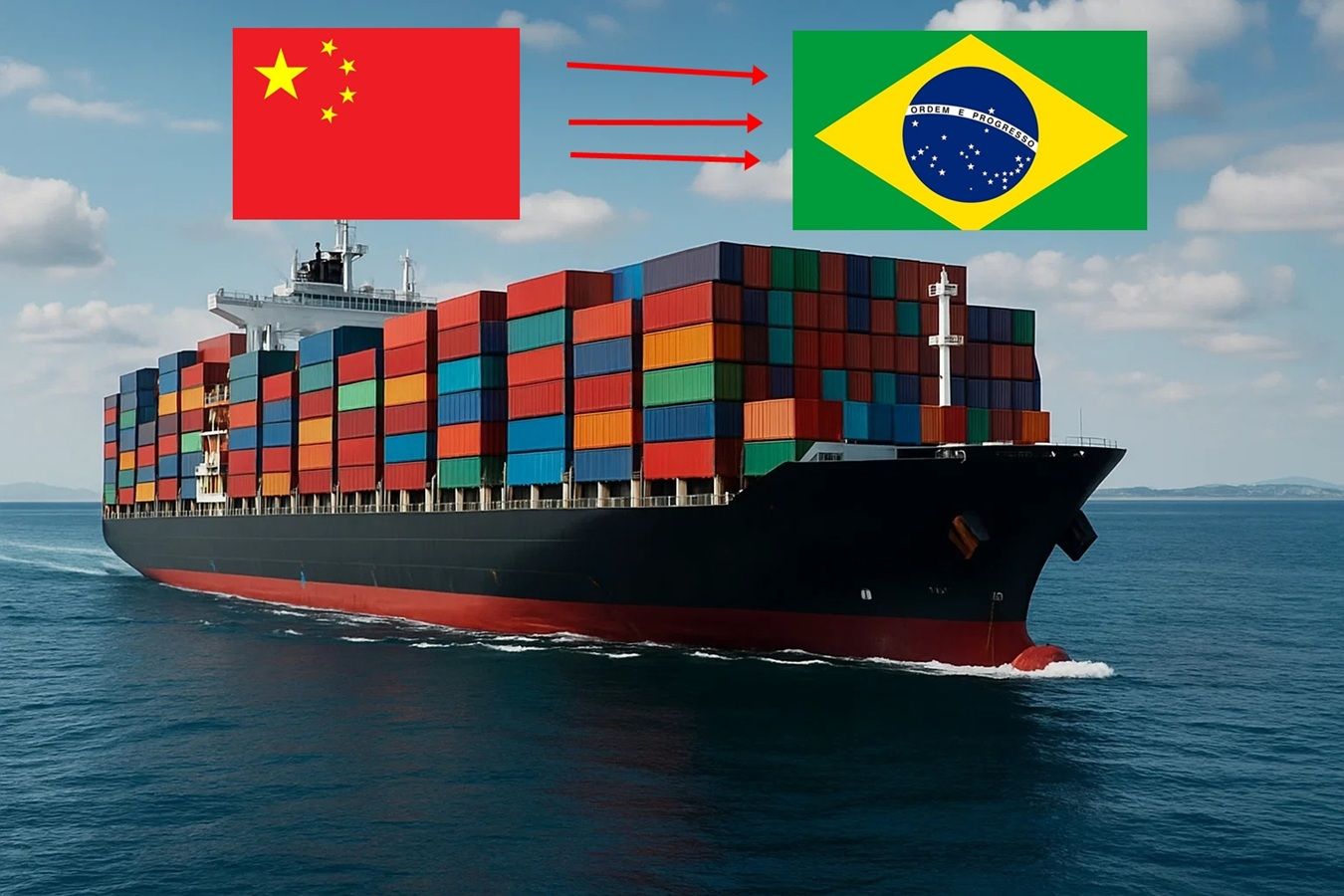
Container shipping costs depend on the origin and destination of your goods, the ports used, and your chosen shipping method. Hongocean offers competitive rates for both full container load (FCL) and less-than-container load (LCL) shipments to Germany. Shipping containers from China to Germany is a vital link in global trade, connecting manufacturers with retailers. Understanding these costs helps businesses and freight forwarders plan more effectively and choose the right transport solution from start to finish.

Introduction to Container Shipping Costs
Container shipping costs are the total expenses for moving goods by sea from one port to another. For many businesses, importing and exporting goods is a key way to grow and increase revenue.
Average shipping costs can vary significantly depending on ports, countries, and other factors. Freight rates can rise or fall due to market changes, operational issues, or unexpected events.
Container Shipping from China to Germany
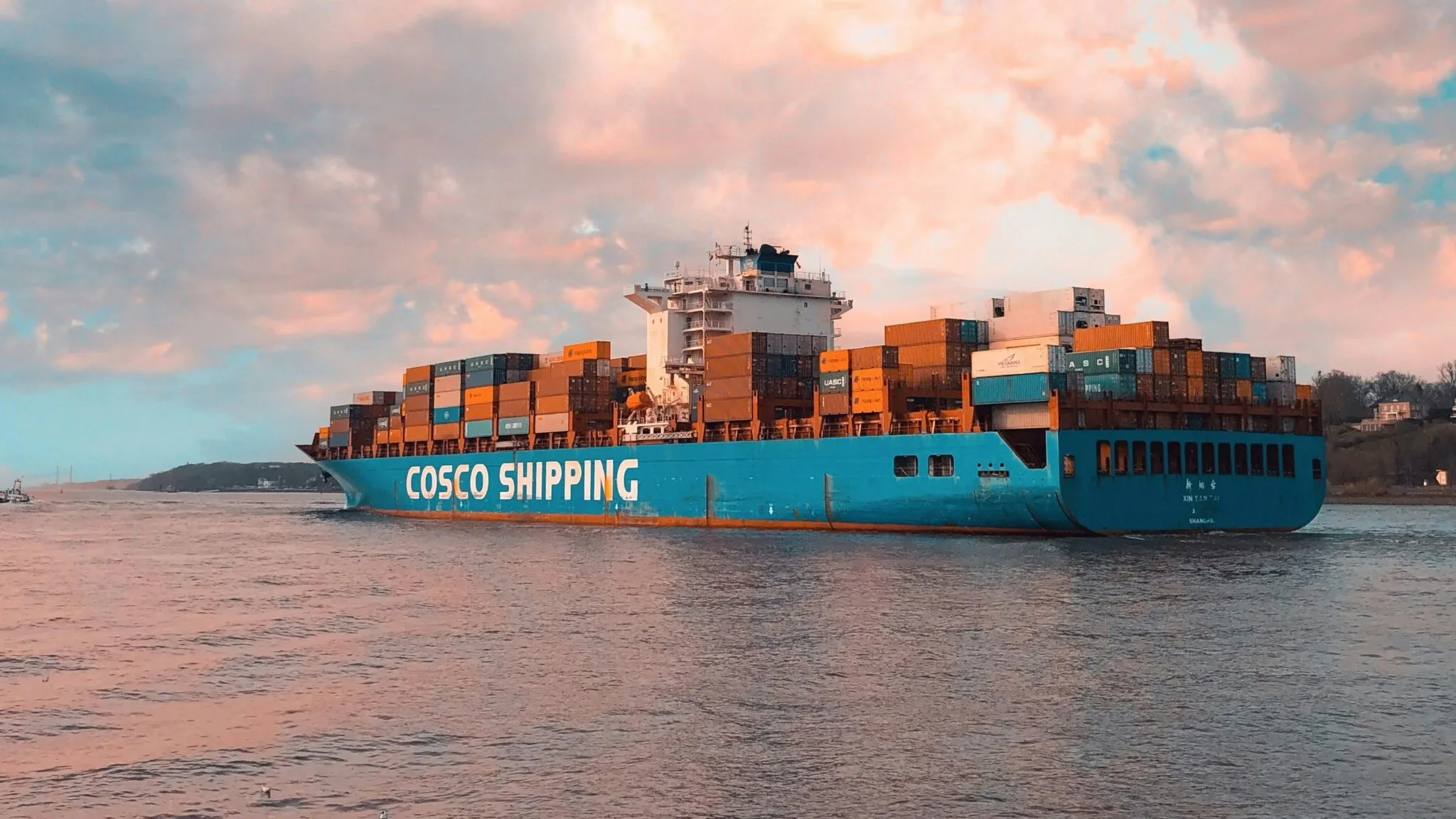
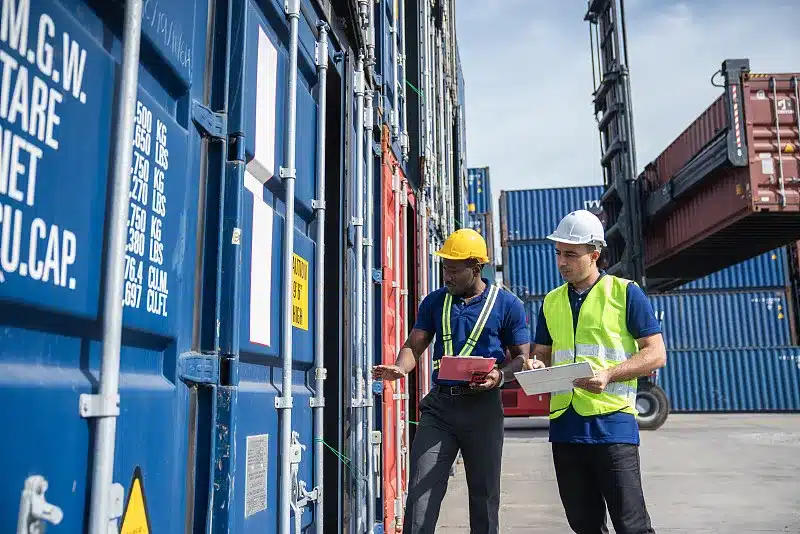
Most containers shipped from China to Germany travel by sea. These containers usually come in 20ft and 40ft sizes and are built to be secure and weather-resistant, keeping cargo safe during the journey. They also make it easy to move goods between ships, trucks, and trains, which is why they are so important in global logistics.
Most cargo leaves from big Chinese ports like Shanghai, Ningbo, and Shenzhen. The route goes through the South China Sea, the Strait of Malacca, the Indian Ocean, and the Suez Canal before reaching German ports such as Hamburg and Wilhelmshaven. The trip usually takes 30 to 40 days.
Cost of Shipping 20ft and 40ft Containers from China to Germany
When deciding between a 20-foot or 40-foot container from China, think about your cargo’s size and weight, your budget, and your shipping route. Each type has its own benefits depending on what you need. Here are some typical price ranges for reference:
| POL (port of loading) | POD (port of discharge) | 20ft container cost | 40ft container cost |
|---|---|---|---|
| Shanghai | Hamburg | $1850-$2850 | $3000-$4200 |
| Shenzhen | Hamburg | $1800-$1800 | $3050-$4850 |
| Qingdao | Hamburg | $1950-$2950 | $3050-$4750 |
| Ningbo | Hamburg | $1800-$2900 | $3150-$4850 |
| Shanghai | Bremen | $1850-$2750 | $3050-$4700 |
| Shenzhen | Bremen | $1800-$2800 | $2800-$4800 |
| Qingdao | Bremen | $2050-$2950 | $3050-$4750 |
| Ningbo | Bremen | $2000-$2950 | $2950-$4850 |
| Shanghai | Wilhelmshaven | $1850-$2750 | $3150-$4750 |
| Shenzhen | Wilhelmshaven | $1950-$2850 | $3000-$4900 |
| Qingdao | Wilhelmshaven | $2000-$2800 | $3100-$4800 |
| Ningbo | Wilhelmshaven | $1950-$2800 | $3050-$4950 |
Keep in mind that freight rates often change because of things like market demand, fuel prices, seasons, and port fees. For the latest and most accurate prices, it’s best to ask a freight forwarder like Hongocean for a custom quote.
If you want to know the shipping cost to other countries you can read:
Shipping Costs for 20ft And 40ft Containers from China to UK
Cost of Shipping 20ft and 40ft Containers from China to France
Cost of Shipping 20ft and 40ft Containers from China to Turkey
Cost of Shipping 20ft & 40ft Containers from China to Egypt
Estimated transit time to ship a container from China to Germany
| Continent of origin | Country of origin | Port of origin | Port of destination | Transit time (days) |
|---|---|---|---|---|
| Asia | China | Port of Shanghai | Port of Bremerhaven | 35 |
| Asia | China | Port of Shenzhen | Port of Frankfurt | 40 |
| Asia | China | Port of Ningbo-Zhoushan | Port of Hamburg | 38 |
| Asia | China | Port of Hong Kong | Port of Bremerhaven | 39 |
| Asia | China | Port of Guangzhou | Port of Frankfurt | 40 |
| Asia | China | Port of Qingdao | Port of Hamburg | 42 |
| Asia | China | Port of Tianjin | Port of Bremerhaven | 42 |
| Asia | China | Port of Dalian | Port of Frankfurt | 17 |
| Asia | China | Port of Xiamen | Port of Hamburg | 20 |
| Asia | China | Port of Yingkou | Port of Bremerhaven | 20 |
If you need to know the estimated shipping time from China to other countries/regions, please refer to the following information:
How Long Does it Take to Ship from China to Austria?
How Long Does it Take to Ship from China to France?
How Long Does it Take to Ship from China to the Netherlands?
How Long Does it Take to Ship from China to the UK?
Factors Influencing the Container Shipping Costs
Many things can affect container shipping costs, from market conditions to the details of your shipment. The main factors are:
- Container Type & Size: Costs change based on whether you use a 20ft or 40ft container, and if it’s standard, refrigerated, or specialized. It also depends on whether you choose FCL or LCL.
- Distance and Route: Shipping over longer distances or on more complex routes usually costs more.
- Container Availability: If containers are hard to find in some areas, prices can go up.
- Cargo Volume & Weight: Heavier or larger shipments often cost more because they take up more space and need extra handling.
- Shipping Method: Costs vary depending on whether you ship by sea, air, or land.
- Seasonal Variation: Weather, busy seasons, and holidays can cause delays and raise shipping rates.
- Fuel Fluctuations: When fuel prices change, freight costs rise or fall, too. Conditions and economic changes can all affect shipping rates.
- Market Demand: When demand for shipping space changes, prices can rise or fall quickly.
- Additional Costs: Duties, taxes, customs clearance, insurance, transshipment, and final delivery fees can all add to your total cost.

How to reduce shipping costs from China to Germany
To lower your shipping costs, plan ahead and make smart choices. Here are some useful tips:
- Plan and Book Early: Booking ahead usually gets you better rates and helps you avoid last-minute price hikes.
- Consolidate Shipments: Putting smaller shipments together into one can lower your shipping cost per unit.s.
- Choose the Right Incoterms: Picking the right trade terms, like FOB, CIF, or DDP, can help you manage costs more effectively.
- Avoid Peak Seasons: Shipping during less busy times can help you get lower freight rates.
- Build StroBuild Strong Partnerships: Working with trustworthy freight forwarders can help you get better prices and service in the long run. Packaging: Efficient packaging reduces volume and weight, helping lower shipping costs.
- Ensure Accurate Documentation: Having the right paperwork helps you avoid delays, fines, and extra charges.
- Optimize Duties and Taxes: Team up with a customs expert to ensure your goods are classified correctly and find legal ways to lower import duties.