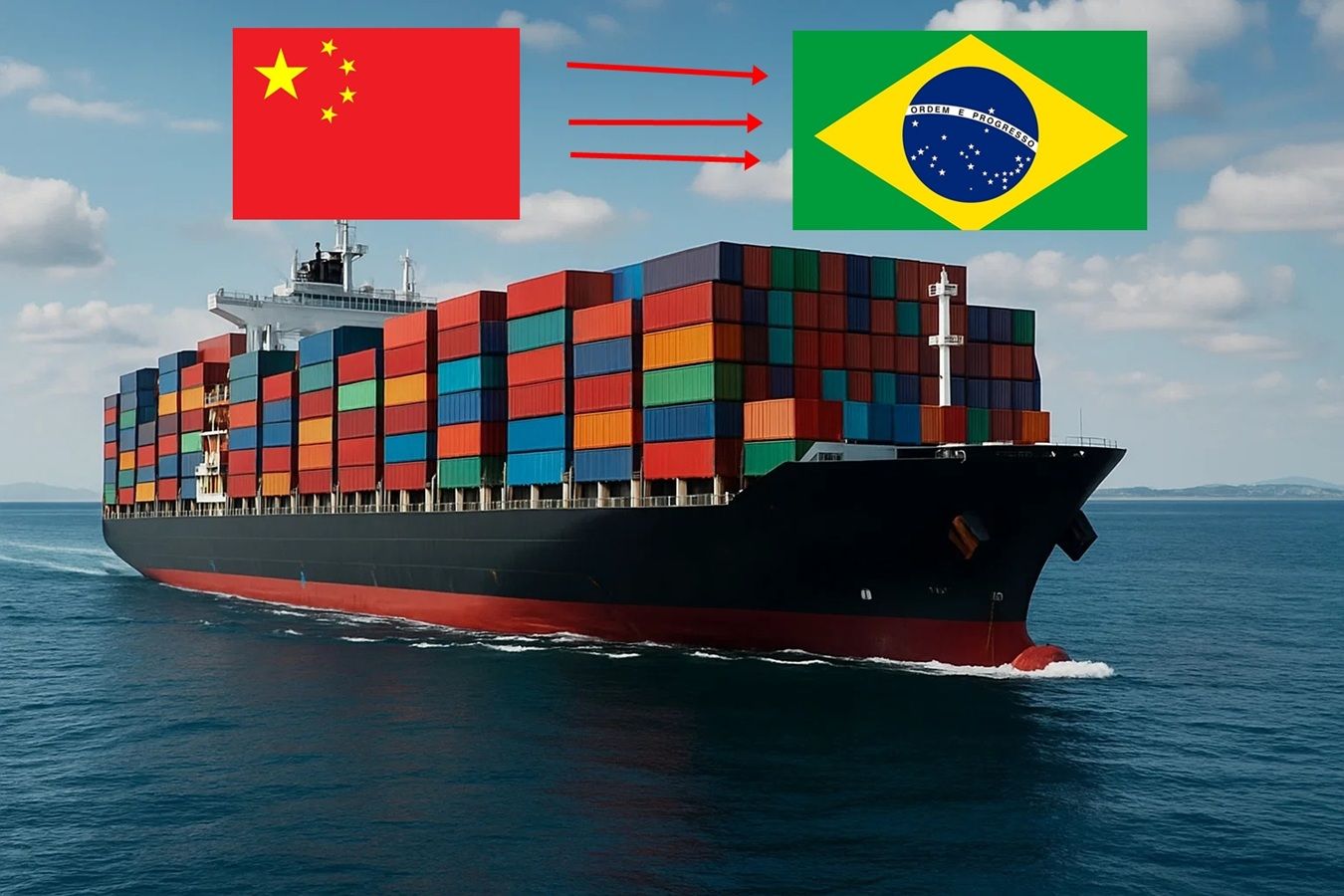
The average cost of shipping a container from China to the USA varies depending on the container size, shipping route, port of arrival, and the type of goods being shipped. A 40ft shipping container is generally suitable for larger shipments, while a 20ft container can be a better option for smaller loads. Air freight is charged based on the weight or chargeable weight of the goods and is generally more expensive than sea freight.
There are 2 shipping options for the USA – sea and air freight. The option you choose will depend on your budget, the size of your shipment, and how quickly you need your goods to arrive.
Sea Freight
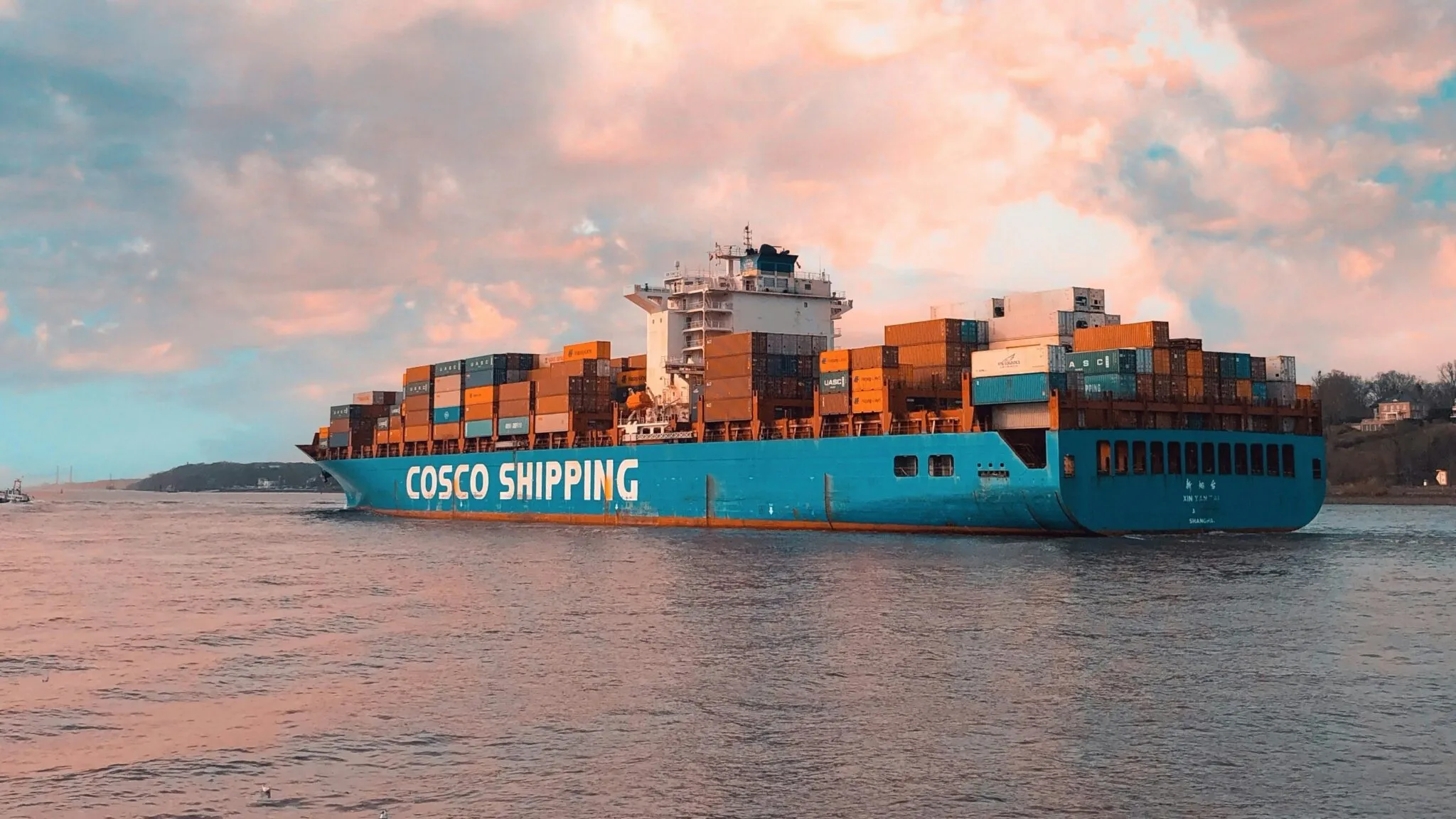
Sea freight is the most common shipping option to consider when shipping goods from China to the USA. Ocean freight can take longer for goods to arrive, in comparison to air freight, which can be a problem if you need your items quickly. While shipping rates vary, it’s more value for the money if you’re on a stricter budget.
Pros:
- Pay for the size of the container rather than the weight
- Ability to transport motor vehicles and large cargo
- Better for the environment
- While shipping rates vary, it’s more cost-effective
- Part-load services are available
Cons:
- Longer transit times
- Delays are more likely
- Port congestion can affect delivery times
- Customs clearance may add additional time
Main USA Ports and Routes
There are several major ports in the USA that handle imports from China. Some of the busiest and most commonly used ports include:
- Port of Los Angeles
- Port of Long Beach
- Port of New York and New Jersey
- Port of Savannah
- Port of Houston
- Port of Seattle-Tacoma
The main ports in China that ship to the USA include Shanghai, Ningbo, Shenzhen, Qingdao, and Guangzhou.
Air Freight
Air freight is the best option if you want goods to arrive quickly. However, it is more expensive and you are limited with what you can ship. Your goods will be shipped from a Chinese airport to the most convenient airport in the USA.
Pros:
- Major international airports to consider
- Quickest shipping option
- Ability to track your goods during transit
- Regular flight schedules
Cons:
- More expensive than sea freight
- Goods are charged based on weight or chargeable weight
- Limitations on what you can ship
- Less eco-friendly
Main USA Airports and Routes
There are several major international airports in the USA, making air freight a convenient option to consider. These airports include:
- Los Angeles
- New York
- Chicago
- Miami
- Atlanta
The main Chinese airports that ship goods to the USA are Shanghai Pudong, Guangzhou Baiyun, Shenzhen Bao’an, Beijing Capital, and Hong Kong International Airport.
Direct and connecting flights are available between China and the USA. Depending on the route, your goods may be transported through major international hubs in Asia or the Middle East before reaching the USA.
FCL VS LCL Shipping
You will need to decide whether you want to use full or part load when using sea freight. This will depend on the volume and number of goods you want to ship.
You can learn more by reading our guide to shipping container costs for typical 20ft and 40ft container prices, the factors that affect the final cost and how full-load and shared-container services compare.
Some factors that will affect your choice include:
- Distance travelled
- Insurance
- The weight of your items
- The size of your items
- Duties and customs charges
- Tracking
- The number of items being shipped
Here are the differences between FCL and LCL shipping:
Full Container Load (FCL)
Full container load is the most popular choice when shipping larger volumes of goods internationally. Paying for a full container load provides you access to use the entire shipping container. As it’s being shipped as a dedicated container, there are fewer chances of delays caused by consolidation with other shipments.
FCL is generally suitable for larger shipments where the volume of goods makes using an entire container more cost-effective.
Less Container Load (LCL)
If you’re shipping a smaller number of goods, less container load is a helpful option to consider. It allows you to share a container with other shippers.
This helps to reduce your overall costs but does limit the amount of space you can have. As LCL shipping is shared, goods typically take longer to arrive because the cargo needs to be consolidated and deconsolidated.
Other Costs to Consider
When considering the shipping cost from China to the USA, there are several additional costs to consider. These include:
Packing Services
Packing services vary depending on the type and quantity of goods being shipped. These costs will vary depending on the number of items you have, the packaging requirements, and the shipping company used.
Packing services are charged additionally, and the packing team will prepare your goods for international transportation. High-quality packing materials are used which help to protect your goods during transit.
Pick-up and Delivery
Pick-up and delivery ensures your goods are collected from the supplier, warehouse, or factory in China and delivered to the port, airport, warehouse, or final destination in the USA.
It takes away the stress of having to organise this yourself. The cost will vary based on the distance the company needs to travel, the shipment size, and the delivery location.
Insurance
Insurance is an additional cost that can protect your goods against potential loss or damage during transit. The cost will vary depending on the declared value of the goods, the type of cargo, the shipping method, and the policy you’re considering.
An insurance policy will vary depending on the company you choose, how your items are shipped, and the distance travelled. The number and value of goods shipped will also be factored into the cost of the insurance.
How Long Does Shipping Take?
Sea freight from China to the USA will generally take several weeks to arrive, depending on the origin and destination ports, shipping route, transshipment requirements, port congestion, and customs clearance. Air freight is considerably faster and can often take several days to around two weeks depending on the service and final destination.
The amount of time shipping takes will vary. If you’re looking to ship LCL, you will need to factor in the extra time this takes because your cargo must be consolidated and deconsolidated.
Prohibited Items to the USA
There are a number of items you may be prohibited or restricted from shipping into the USA. These can include:
- Weapons
- Illegal drugs and controlled substances
- Counterfeit goods
- Certain food and agricultural products
- Hazardous materials
- Products that do not meet applicable US import requirements
US Customs and Border Protection and other relevant US government agencies provide detailed information about goods that cannot be imported or that require additional permits, documentation, or approvals.
Finding a Shipping Company from China to the USA
Shipping from China to the USA means finding a shipping company you can trust with your goods, timings, and shipping requirements.
A professional freight forwarder can help arrange transportation, coordinate with carriers, prepare shipping documentation, manage customs clearance, and arrange delivery to the final destination.
You can compare different shipping options based on your requirements, explain what’s included, and review the prices before choosing the most suitable service.
How We Get Our Cost Data
Shipping costs from China to the USA can vary significantly depending on the shipping method, container size, origin and destination ports, cargo volume, season, fuel costs, customs requirements, and current market conditions.
The figures in this guide should therefore be used as a general indication rather than a fixed quotation. Shipping rates can change regularly, so it is important to obtain an up-to-date quote based on your shipment details.
Additional Sources
Shipping costs and transit times can be compared using current freight market data, carrier schedules, freight forwarder quotations, and official customs information.